



HRC 62: GICJ Full Session Report
From 15 June to 8 July 2026, the United Nations Human Rights Council held its 62nd session at the United Nations Office at Geneva, Switzerland. At a time when the world was facing increasing geopolitical tension and multiplying conflicts, the Council served as an essential platform to discuss, analyse, and propose concrete solutions to address global challenges, even while implementing extraordinary cost- and time-saving measures to meet budgetary requirements.
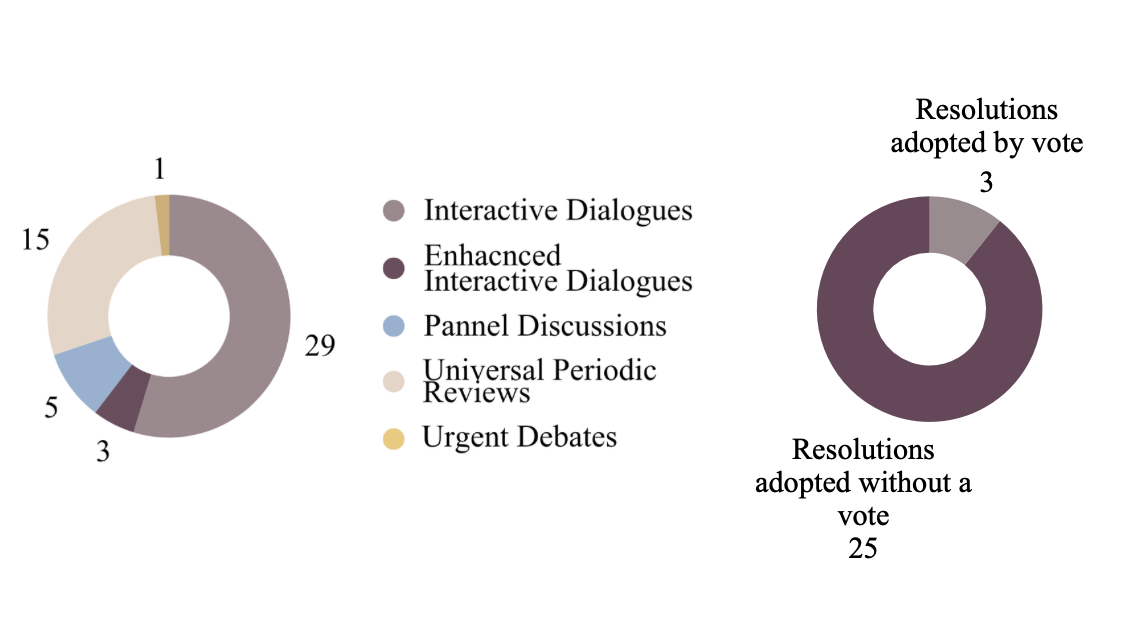
In total, at its 62nd session, the Human Rights Council held 29 interactive dialogues, 3 enhanced interactive dialogues, 5 panel discussions, 15 Universal Periodic Review (UPR) outcome adoptions, and 1 urgent debate. The urgent debate was convened to address the escalating violence committed by the Rapid Support Forces in and around El Obeid, Sudan, following an 18-month siege that raised imminent risks of large-scale atrocities. At the end of the session, the Council adopted 28 resolutions and appointed four new mandate holders. From the 28 resolutions, 25 were adopted without a vote, while the remainign 3 were adopted with a vote.
 The main topics addressed included the devastating situation in Sudan, where the Council called for an urgent inquiry into violations in El Obeid, and the human rights consequences of unprovoked attacks by the Islamic Republic of Iran against neighbouring States. The Council also focused on the situation of Rohingya Muslims and other minorities in Myanmar, the human rights situation in Eritrea, and ongoing concerns in the Democratic Republic of the Congo, Venezuela, and Belarus. Special attention was given to the protection of healthcare and humanitarian personnel in armed conflict, the right to education, and the elimination of all forms of discrimination against women and girls. Furthermore, the Council explored the impact of climate change on human rights and the challenges posed by disinformation and emerging digital technologies like artificial intelligence.
Geneva International Centre for Justice (GICJ) actively participated in the session, closely following the most relevant debates and attending numerous side events, which provided valuable insight on the impact of mercenaries in human rights and the role of human rights in post conflict societies. In collaboration with its partner NGOs, GICJ delivered 5 oral statements on issues including Palestine, Austria’s and Mauritania’s UPR outcomes and racism. Moreover, the team also attended several interactive dialogues, producing 23 discussion reports summarising both the Special Rapporteurs’ findings and the positions of States.
It is important to recall that NGOs play a major role within the Human Rights Council. They bring independent perspectives to the debate and often reveal facts and violations that are hidden or ignored by the international community. By providing a voice to marginalised populations and victims who cannot speak for themselves, NGOs contribute to exposing the reality of conflicts and genocides, offering first-hand expertise and documentation of grave human rights abuses. Their work is essential to advancing truth, justice, reparation for victims and lasting peace.
The list below represents the permanent agenda items of the Human Rights Council in its 3 regular sessions. Under each item, several topics are discussed in each session.
- Organisational and procedural matters.
- Annual report of the United Nations High Commissioner for Human Rights and reports of the Office of the High Commissioner and the Secretary-General.
- Promotion and protection of all human rights, civil, political, economic, social and cultural rights, including the right to development.
- Human rights situations that require the Council’s attention.
- Human rights bodies and mechanisms.
- Universal Periodic Review.
- Human rights situation in Palestine and other occupied Arab territories.
- Follow-up to and implementation of the Vienna Declaration and Programme of Action.
- Racism, racial discrimination, xenophobia and related forms of intolerance: follow-up to and implementation of the Durban Declaration and Programme of Action.
- Technical assistance and capacity-building.
"Human rights are the glue that binds us together and when we join forces to strengthen those bonds, we do build a better world for all".
These concluding words by the United Nations High Commissioner for Human Rights, Volker Türk, encapsulated the overarching message of his annual global update to the opening meeting of the 62nd Session of the United Nations Human Rights Council under Agenda Item 2.
Throughout his address, he warned of an unprecedented assault on international law fueled by escalating conflict, repression and shrinking civic spaces. From Gaza, Iran, Lebanon, Sudan and Ukraine to the Democratic Republic of the Congo, the Sahel and beyond, he highlighted the devastating human cost of conflict, attacks on civilians and civilian infrastructure, restrictions on humanitarian assistance and the continued erosion of fundamental freedoms. He stressed that military solutions cannot resolve political crises and reaffirmed that diplomacy, accountability and respect for international law remain indispensable for achieving lasting peace.
He also highlighted an alarming "global shift in how war is waged", citing the deployment of drones and autonomous weapons in nations like Myanmar and Ukraine. Warning that automated warfare is creating "a new circle of hell" for civilians, he stressed that "autonomous weapons cannot become a license for atrocity crimes". He challenged the financial drivers of global conflict, urging a transition from "war economies to human rights economies". To illustrate this imbalance, he noted that the UN Human Rights Office's annual budget is less than two hours of global military spending, while total global humanitarian needs equal just three days of military expenditures.
He further cautioned against the rise of transnational crime, Artificial Intelligence misuse, attacks on journalists, and growing xenophobia.
Compounding these challenges, Deputy High Commissioner Awa Dabo briefed the Council on the regional escalation involving Iran and Gulf States. She flagged the severe human cost of drone strikes and warned that the blockade of the Strait of Hormuz jeopardises global food security, energy supplies, and international trade. Dabo called for an immediate de-escalation and a return to maritime freedom.
Geneva International Centre for Justice (GICJ) reiterates that the protection of human rights is a shared responsibility requiring collective resolve and meaningful action. At a time when armed conflicts, humanitarian crises and attacks on the international legal order continue to threaten human dignity, the international community must reaffirm its commitment to international human rights and humanitarian law. States must ensure accountability for violations, protect civilians, strengthen multilateral human rights mechanisms and place human dignity at the heart of all policies and decision-making.
Only through principled cooperation, respect for the rule of law and unwavering commitment to justice can the international community secure lasting peace, sustainable development, and equal rights for all.
At the 62nd session of the Human Rights Council, GICJ’s team members' involvement consisted of attending debates and interactive dialogues, and actively engaging in side events and delivering oral statements. This participation offered interns and volunteers both on-site and remote direct exposure to pressing global challenges and the UN's role in dialogue, exchange, and conflict resolution. By connecting participants across continents, GICJ strengthened its commitment to multilateral engagement, human rights advocacy, and victim-centred justice efforts.
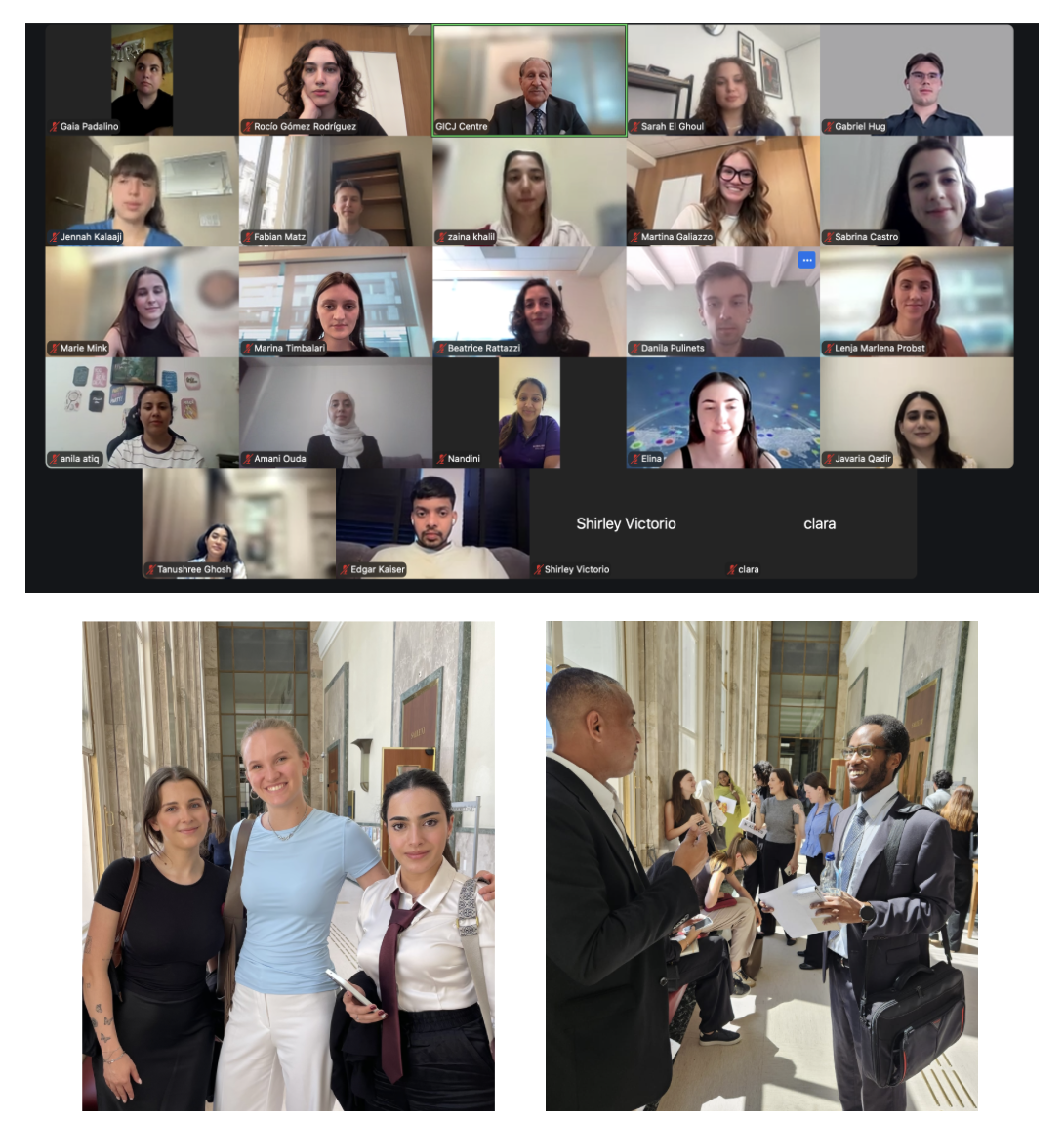
During the 62nd session of the Council, the GICJ team had the opportunity to deliver 6 oral statements in person. The statements focused on the situation in Palestine, the Interactive Dialogue with the Special Rapporteur on Racism, the UPR outcomes of Austria and Mauritania, and the Urgent Debate on the situation in El Obeid.
The statements were delivered under the following agenda items:
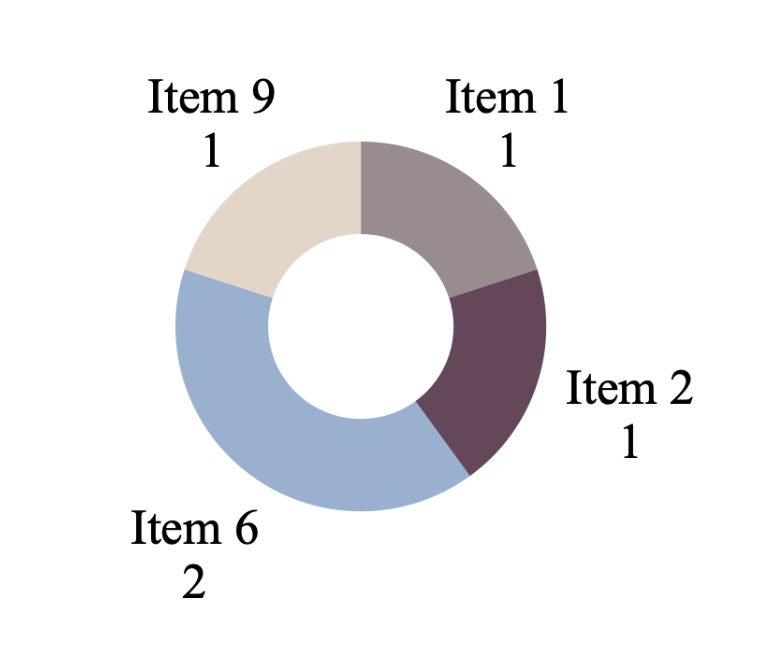
- Item 1: Urgent debate to address the human rights situation in and around El Obeid, North Kordofan in the context of the ongoing conflict in the Sudan.
- Item 2: Interactive Dialogue with Independent International Commission of Inquiry on the Occupied Palestinian Territory, including East Jerusalem and in Israel.
- Item 6: Universal Periodic Review adoptions of Mauritania.
- Item 6: Universal Periodic Review adoptions of Austria.
- Item 9: Interactive Dialogue with Special Rapporteur on racism.
Agenda Item 1
Urgent debate to address the human rights situation in and around El Obeid, North Kordofan in the context of the ongoing conflict in the Sudan.
Urgent International Action Required to Prevent Atrocities in El Obeid
Joint Statement on behalf of International Organization for the Elimination of All Forms of Racial Discrimination (EAFORD) and Geneva International Centre for Justice (GICJ)
3 July 2026
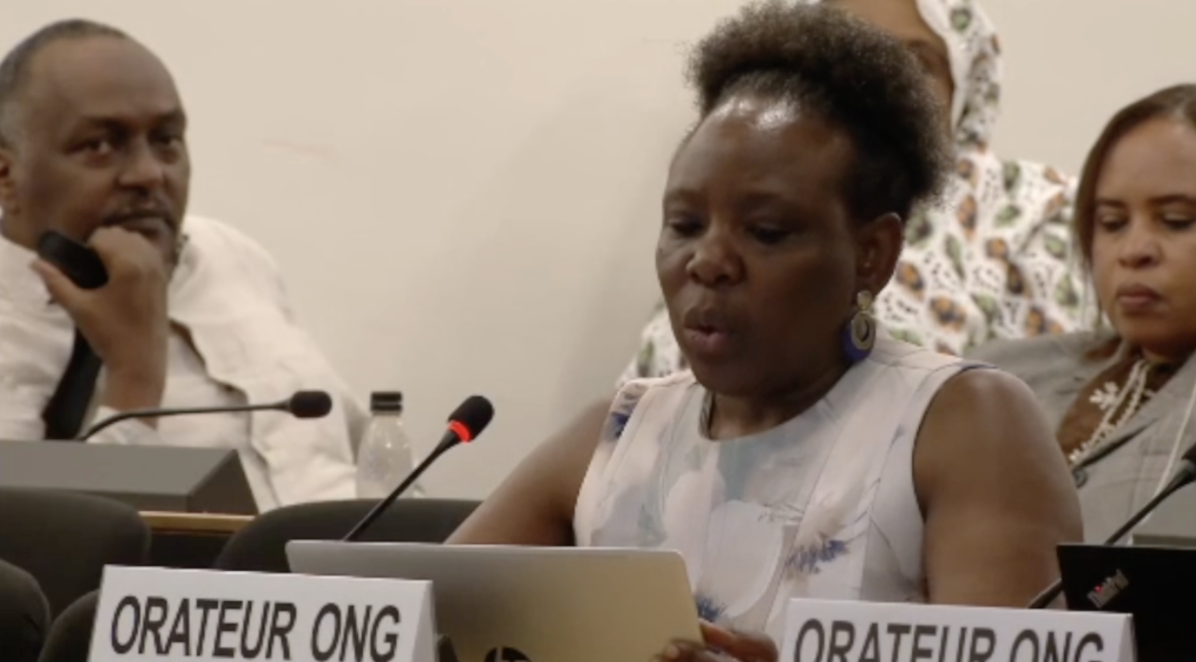
Delivered by Patricia Jjuuko /GICJ
In the joint statement, EAFORD and GICJ expressed grave concern over the escalating violence in Sudan, specifically highlighting the risk of large-scale atrocities against civilians and internally displaced persons in and around El Obeid. They emphasised that preventive international action is crucial and must be taken before further catastrophes unfold. The statement called on all parties to the conflict to immediately cease attacks on civilian populations and strictly comply with international humanitarian and human rights law.
The organisations urged for an immediate de-escalation of hostilities and demanded safe, rapid, and unhindered humanitarian access to the affected populations. Furthermore, they underscored the necessity of accountability for all violations and abuses, supported by strengthened international monitoring and documentation efforts. Finally, the statement called for renewed diplomatic engagement to ensure a sustainable protection solution, reaffirming that the people of Sudan deserve protection, dignity, justice, and peace.
Agenda Item 2
ID with COI on the Occupied Palestinian Territory, including East Jerusalem and in Israel
Demanding the End of the Unlawful Occupation
Joint Oral Statement of International Lawyers.Org and Geneva International Centre for Justice (GICJ)
15 June 2026
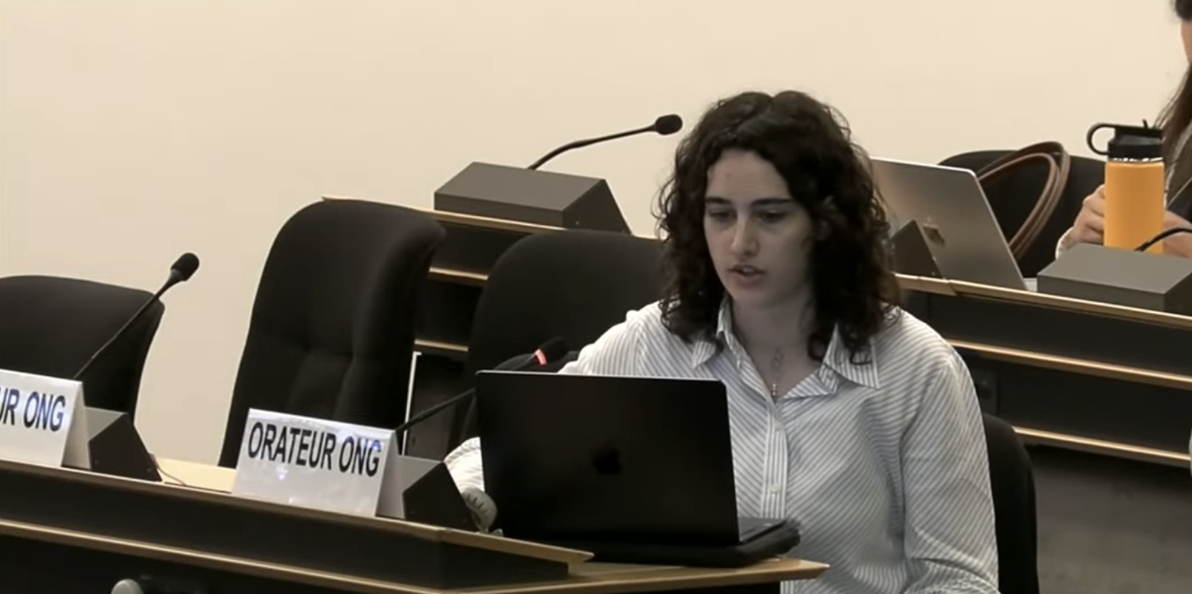
Delivered by Rocío Gómez Rodríguez / GICJ
In the joint statement, both GICJ and International Lawyers.Org thanked the Commission for its report documenting Israel’s failure, as the occupying Power, to protect the Palestinian civilian population under the Fourth Geneva Convention. They expressed concerns about how settler violence in the West Bank serves State policies of displacement and annexation.
The statement also condemned the widespread impunity surrounding settler attacks, police inaction, deficiencies in the justice system, and the unequal legal treatment that subjects Palestinians to harsher measures. In line with the Commission’s recommendations, GICJ called for an end to the unlawful occupation, immediate measures to protect the Palestinian people, and an end to international assistance that sustains this illegal situation.
Agenda Item 6
UPR Adoptions (Mauritania)
The human rights situation in Mauritania
Joint Statement on behalf of the International Organization for the Elimination of All Forms of Racial Discrimination (EAFORD) and GICJ
30 June 2026
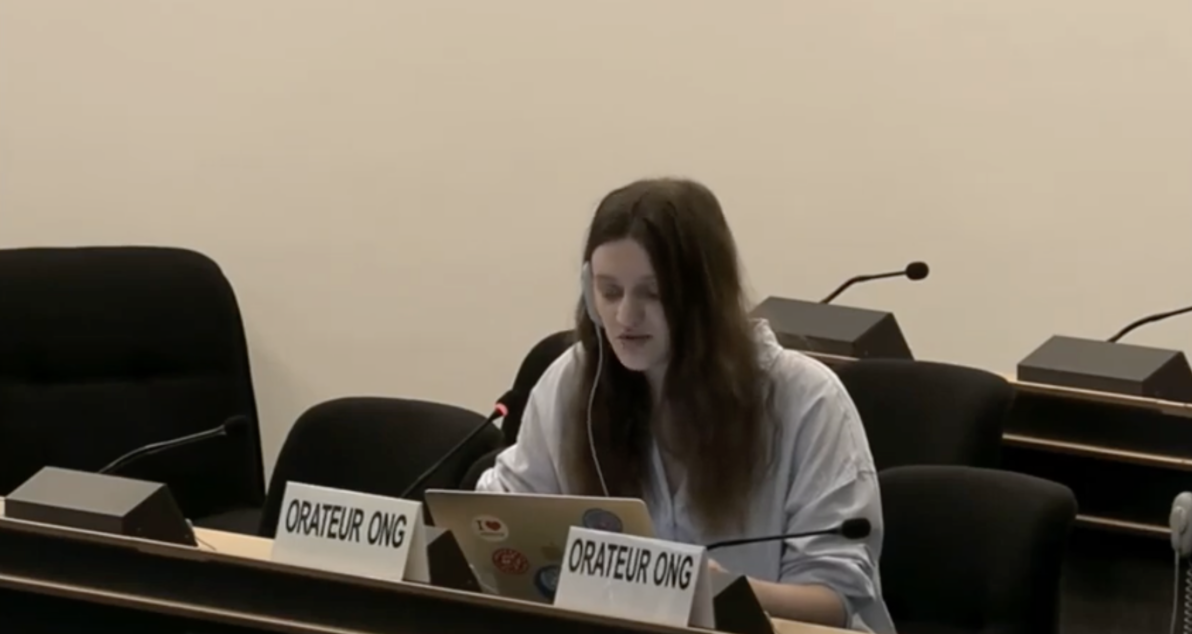
Delivered by Marina Timbalari /GICJ
In the joint statement, GICJ welcomed Mauritania’s engagement during the fourth cycle of the Universal Periodic Review, commending its acceptance of 229 recommendations. Marina praised steps under the National Strategy for the Promotion and Protection of Human Rights 2024-20, including establishing the National Authority for Combating Trafficking in Persons and specialised courts. She also welcomed consultations on the draft "Karama" law protecting women from gender-based violence.
However, Marina stressed that paper frameworks must narrow real protection gaps. She regretted that recommendations to amend the Nationality Code were merely noted, maintaining gender discrimination and statelessness risks. Furthermore, she raised concerns over unaddressed restrictions on freedom of expression and the failure to formalise the 1987 execution moratorium into law. Marina urged Mauritania to enact the ‘Karama’ law intact, establish a de jure death penalty moratorium leading to abolition, and ensure equal nationality rights for women.
UPR Adoptions (Austria)
Austria must Address the Structural Discrimination of Racial Discrimination
Joint Statement on behalf of the International Organization for the Elimination of All Forms of Racial Discrimination (EAFORD) and GICJ
1 July 2026
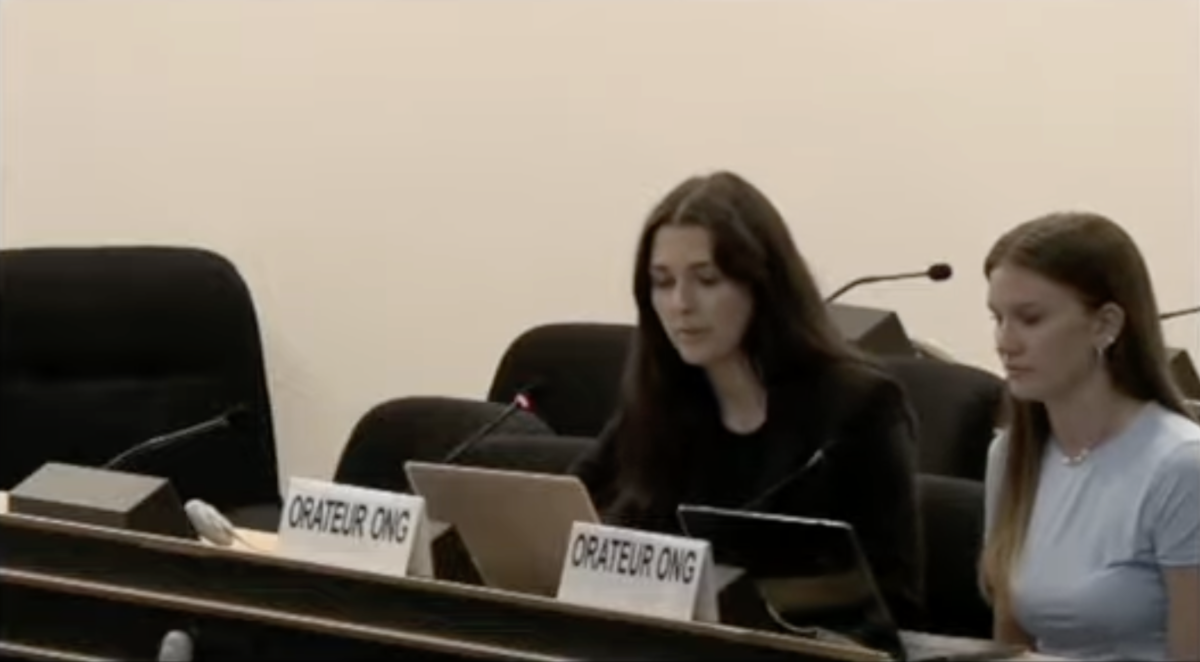
Delivered by Marie Mink /GICJ
In the joint statement, GICJ and EAFORD emphasised that Austria has been committed to constructive and comprehensive engagement with the Universal Periodic Review, and commended its National Action Plan against Hate Crime and General National Action Plan on Human Rights for 2025 to 2029. However, Marie stressed the importance of implementing the recommendations put forth by several states, such as revoking the newly adopted law prohibiting the wearing of a headscarf by girls aged under 14 to ensure non-discrimination on the basis of religious and cultural grounds in the education system.
Furthermore, she urged Austria to sign and ratify the International Convention on the Protection of the Rights of All Migrant Workers and Members of Their Families. This will help in counteracting a fragmented anti-discrimination approach and ensure an equal treatment framework to establish an anti-racism strategy addressing structural discrimination.
UPR Adoptions (Austria)
The human rights situation in Austria
Joint Statement on behalf of the International Lawyers.Org and GICJ
1 July 2026
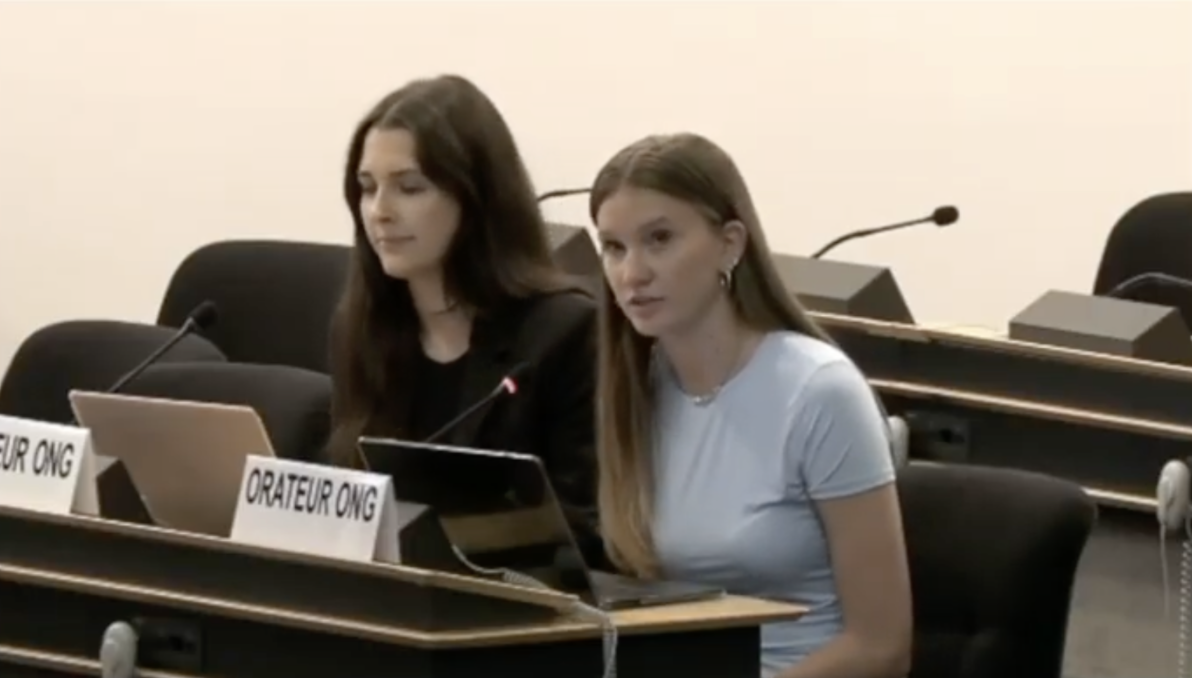
Delivered by Martina Galiazzo /GICJ
In the joint statement, International Lawyers.Org welcomed the Working Group’s report and acknowledged Austria’s efforts to improve its human rights situation, including reinforcing judicial independence, combating corruption, and improving detention conditions. Martina Galiazzo encouraged Austria to continue strengthening judicial autonomy, ensuring the effective implementation of anti-corruption measures, and improving the use of isolation in detention by restricting solitary confinement, particularly for juveniles and persons with disabilities.
She also recommended that the State continue implementing measures to eliminate the gender pay gap, expand child-care support to facilitate women’s re-entry into the labour market, and maintain a structured dialogue with civil society to ensure its meaningful participation in implementing these recommendations and advancing the human rights situation in the country.
Agenda Item 9
Interactive Dialogue with Special Rapporteur on Racism
25th Anniversary of the DDPA: Demanding Urgent Mobilisation to Combat Racism
Joint Oral Statement of EAFORD and GICJ
2 July 2026
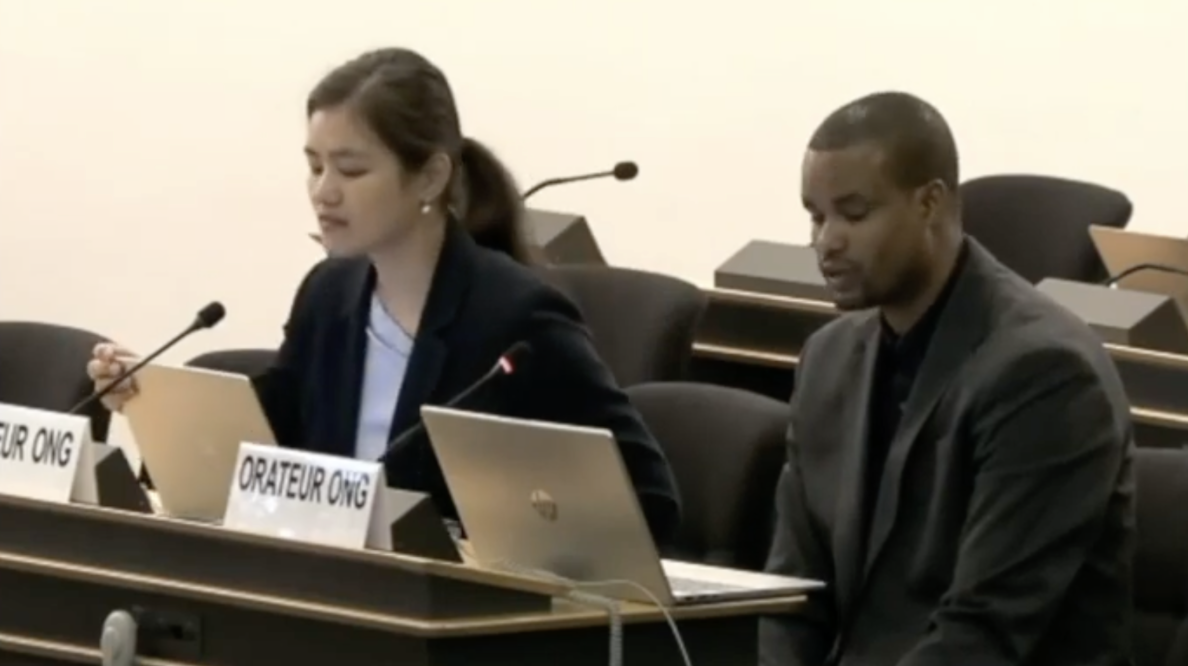
Delivered by Mihretab Mekonnen Beyene /GICJ
In their joint statement, GICJ and EAFORD welcomed the interactive dialogue and praised the engagement with civil society. Mihretab highlighted the rise in xenophobic discourse, calling for continued monitoring and engagement with States to ensure reforms address these human rights violations. He also stressed the importance of promoting awareness of the Durban Declaration and Programme of Action (DDPA) to secure its full implementation. Mihretab further urged the Special Rapporteur to take a leading role alongside States and civil society, ensuring that the twenty-fifth anniversary of the DDPA serves as a turning point for the declaration to contribute effectively to global efforts against all forms of racial discrimination.
Agenda Item 3
Promotion and protection of all human rights, civil, political, economic, social and cultural rights, including the right to development
Truth and Justice for Victims and their Families in Iraq
This report aims to outline human rights concerns in Iraq. In particular, it examines the handling of mass burial sites by Iraqi official’s since 2014, aimed to conceal the link to or involvement of Iraqi State authorities in extrajudicial executions, abductions, torture, and forced disappearances.
A recent and particularly alarming example, given the history of serious violations in Anbar Governorate after 2014, is the opening of a mass grave in Akaz/Al-Saqlaqiya in 2026. It demonstrates the negligent treatment of these mass graves by state authorities, which continue to instrumentalise the deaths and suffering of the victims’ families, to promote certain political narratives aimed at avoiding responsibility on the part of the current government. Instead, responsibility for the crimes committed is attributed to the former pre-2003 government and militias. Thus, consequently concealing the true identity of victims, shielding perpetrators from accountability, and denying families their right to know the truth.
Additionally, the report sheds light on the sectarian discrimination practised by the Martyrs Foundation in granting recognition, official classification, and compensation to deceased victims and their families, as well as on the effective paralysis of the Iraqi High Commission for Human Rights.
Iraq is obliged under international human rights law to protect the right to life, prevent arbitrary deprivation of life, investigate all potentially unlawful deaths, hold perpetrators accountable, and provide effective remedies to all victims and their families.
Iraq also has obligations under the International Convention for the Protection of All Persons from Enforced Disappearance. These obligations are particularly relevant because many victims of summary executions in Iraq were first forcibly disappeared. The United Nations Committee on Enforced Disappearances has repeatedly urged Iraq to strengthen search mechanisms, identify remains, preserve evidence, and provide truth to families. Iraq has failed to comply fully with these obligations and recommendations.
The failure to investigate summary executions, enforced disappearances, and mass graves perpetuates impunity. It also sends the message that some victims are worthy of recognition while others may be denied, ignored, or politically reclassified.
Human Rights Violations in Sudan: The Effects of the Ongoing Armed Conflict, Humanitarian Crisis, and Challenges to Civilian Protection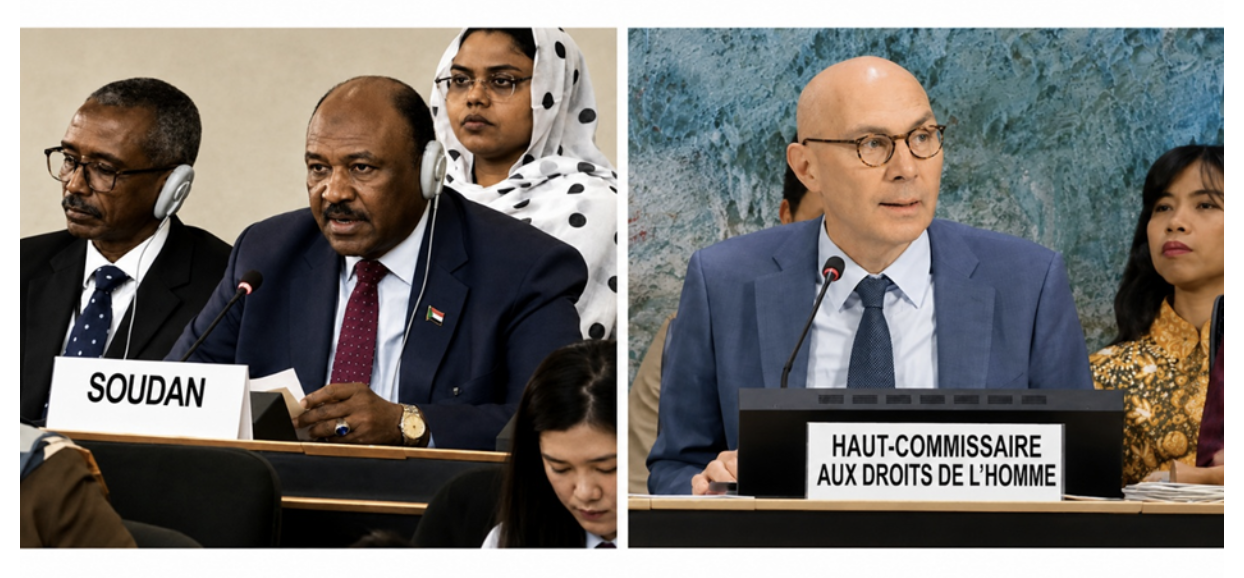
By Anila Atiq /GICJ
The Urgent Debate on the Human Rights Situation in Sudan, held at the 62nd Session of the United Nations Human Rights Council (HRC62), focused on the rapidly deteriorating human rights and humanitarian situation caused by the ongoing armed conflict between the Sudanese Armed Forces (SAF) and the Rapid Support Forces (RSF). Particular emphasis was given to the rising violence in and around El Obeid, North Kordofan, where people face serious threats as combat intensifies.
The debate focused on widespread violations of international human rights and humanitarian law, such as indiscriminate attacks on civilians, extrajudicial killings, conflict-related sexual violence, arbitrary detention, attacks on hospitals and other civilian infrastructure, forced displacement, and obstruction of humanitarian assistance.
The debate was called in response to Sudan's deteriorating circumstances and the United Nations' warning that residents in and around El Obeid were in danger of large-scale atrocities. The Human Rights Council convened the debate following reports of intensive violence, increased civilian fatalities, destruction of critical infrastructure, and significant restrictions on humanitarian access. Opening the conversation, the United Nations High Commissioner for Human Rights, Volker Türk, cautioned that Sudan was at a critical juncture, describing the situation as a "red alert," and imploring the international community to act quickly to prevent future atrocities.
The statements issued by regional bodies and member States revealed widespread international concern over the deteriorating scenario. Many delegations condemned all parties to the conflict for violating international human rights and humanitarian law, demanding the immediate end of hostilities. States emphasised the critical need to protect people, maintain safe and unrestricted humanitarian access, and defend hospitals, schools and other civilian facilities. Several delegations expressed concern about the conflict's disproportionate impact on women and children, specifically conflict-related sexual violence, child recruitment, and the fast-expanding number of internally displaced individuals.
Many States also reiterated their support for the Independent International Fact-Finding Mission for Sudan and the Office of the United Nations High Commissioner for Human Rights, emphasising the importance of independent investigations and accountability for those responsible for war crimes and other serious human rights violations. Regional groups backed African-led mediation efforts and restarted diplomatic endeavours aimed at reaching a long-term peace and an inclusive democratic process.
Overall, the urgent debate revealed a broad international consensus: Sudan's conflict is one of the world's most critical human rights and humanitarian emergencies. While delegations differed on certain political aspects of the conflict, there was broad agreement that the immediate priorities should be civilian protection, unrestricted humanitarian access, respect for international law, accountability for perpetrators, and increased international and regional efforts to support a peaceful and long-term resolution.
Oral Statement Delivered During The Urgent Debate On Human Rights Violations In Sudan
Preventive action cannot wait: Silence in the face of escalating violence in El Obeid paves the way for atrocity
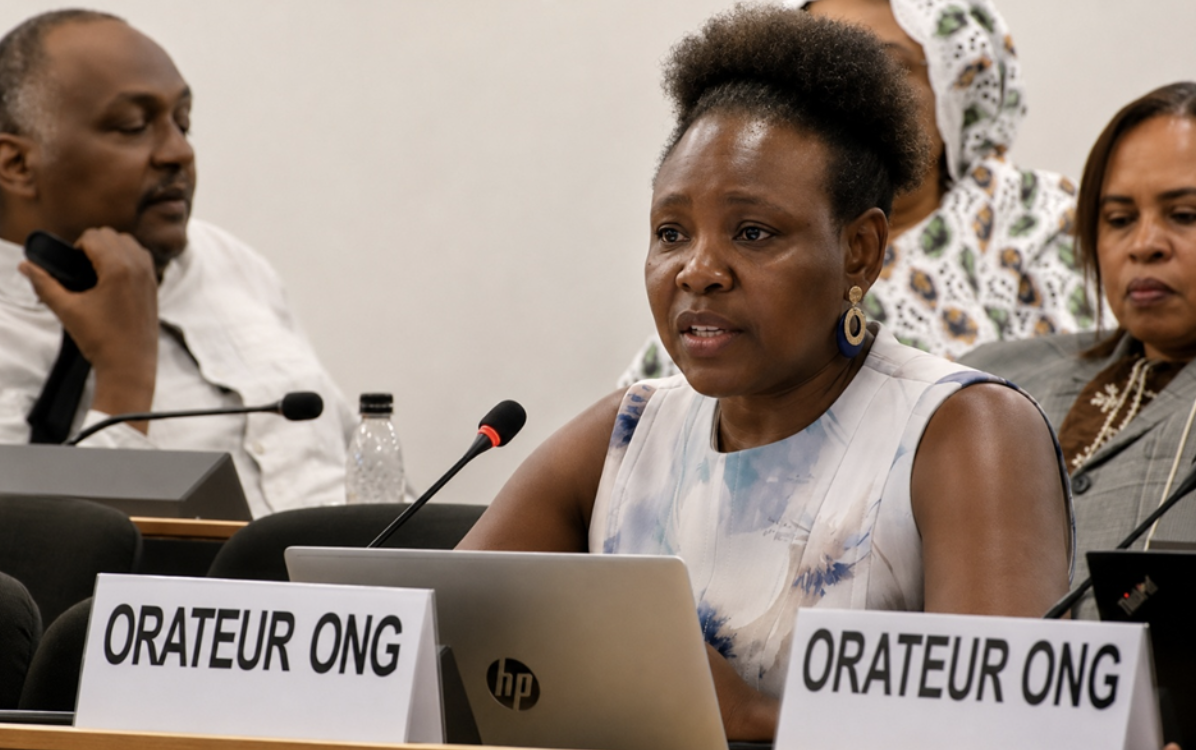
Delivered by Patricia Jjuuko /GICJ
In light of the ongoing armed conflict in Sudan, the HRC called an urgent debate to address the rapidly worsening human rights situation in and around El Obeid, the capital of North Kordofan. The Council announced the urgent debate on June 30, 2026, and it took place on July 3, 2026, at the Council's 62nd session in Geneva. While delivering a joint statement, Ms. Jjuuko expressed deep alarm over the rising violence in and around El Obeid, warning that civilians, especially a huge number of internally displaced people, face a severe risk of mass crimes as hostilities escalate
It was strongly emphasised that the issue requires immediate international attention and that preventive measures must be implemented before another humanitarian disaster happens. In her joint statement, she called for immediate action to prevent further atrocities in and around El Obeid, urging all parties to protect civilians, stop attacks on civilian populations, and fully comply with international humanitarian and human rights laws, and also emphasised the importance of immediate preventive international action to address the increasing violence and avoid a large-scale humanitarian disaster.
GICJ Participation in Side Events
GICJ members contributed to the organisation and moderation of two side events during the 62nd session of the HRC on the Impact of the Use of Mercenaries on Human Rights and the Role of Human Rights in Post-Conflict Societies. These discussions served as valuable forums for addressing the human rights implications of mercenary activities, emphasising the importance of accountability and the protection of affected populations, while also highlighting the vital role that human rights play in supporting justice, reconciliation, and long-term stability in societies recovering from conflict.
Side event: The Impact of the Use of Mercenaries on Human Rights
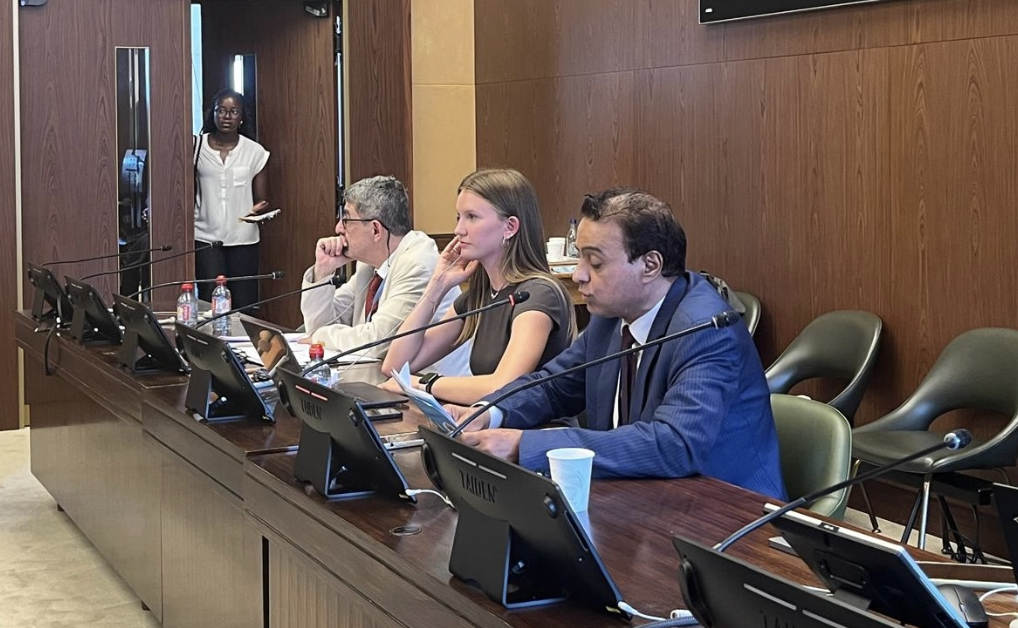
By Martina Galiazzo /GICJ
Martina moderated a UN Side Event during the 62nd Session of the HRC titled "The Phenomenon of Mercenaries and its Impact on Human Rights and Peoples: a Legal and Economic Perspective" organised by the Arab Council Supporting Fair Trial. The event brought together legal experts, academics, and human rights advocates to examine the growing use of mercenaries and private military actors, emphasising their impact on human rights, international peace, and the rule of law. The discussion explored both the legal challenges surrounding accountability and the broader economic and political factors that sustain the proliferation of mercenary activities in conflict-affected regions.
The event opened with remarks by Mr. Abdelgawad Ahmed, Chairperson of the Arab Council Supporting Fair Trial and Human Rights (ACSFT), who framed the discussion around the critical challenges that will shape Sudan's post-conflict future. He emphasised that the humanitarian consequences of the war extend far beyond the battlefield, warning that widespread trauma, the unchecked proliferation of weapons, and the growing risks of cross-border extremism could undermine any future peace process. He further stressed the need for early action to address these interconnected threats through accountability, disarmament, and coordinated international support aimed at rebuilding social cohesion and ensuring a sustainable transition to peace.
Mr. Mekkaoui Benaissa, Secretary-General of the Arab Lawyers Union, joined online and characterised the modern evolution of mercenarism as a systematic transnational industry used to dismantle States, emphasising the international community's duty to enforce UN Conventions and urging all nations to join the legal framework to protect human dignity and rights.
Mr. Tariq Khosa, Chair of the Centre for Governance Research in Pakistan, also joining online, examined the governance and security implications of mercenary operations.
Mr. Mohammed Almaswari, President of the International Yemen Peace Team, taking part in the meeting online, highlighted the catastrophic humanitarian consequences of foreign-backed mercenary militias in Yemen, specifically identifying the Houthis and Transitional Council forces as primary actors in state destabilisation, and called for the international community to strictly enforce UN sanctions to protect civilians and restore national sovereignty
Mr. Tarek Abdelfattah, also participating online, analysed the evolution of mercenarism and its impact on human rights in Africa, examining the limitations of current international law and the economic drivers, fueling the conflict in Sudan, to advocate for a comprehensive approach to justice and accountability.
Finally, Mr. Mehmet Şükrü Güzel, Founder President of the Center for Peace and Reconciliation Studies, referring to the ongoing conflict in Sudan, highlighted how the sponsorship and use of mercenaries constitute a serious criminal enterprise that extends far beyond the battlefield. He noted that individuals with no apparent connection to armed groups, including truck drivers and other logistical actors, may become part of illicit supply chains that sustain mercenary operations, whether knowingly or unknowingly. This complex criminal framework demonstrates an interconnected web of complicity, underscoring the need for comprehensive accountability measures that target not only those who finance and command mercenary forces but also the networks that enable and sustain their activities.
By bringing together diverse legal and regional perspectives, the side event underscored the urgent need for stronger international cooperation, effective accountability mechanisms, and comprehensive policies to prevent the use of mercenaries and safeguard the human rights of affected communities.
The Geneva International Centre for Justice (GICJ) promoted a high-level debate to denounce the systemic impact of mercenarism on human rights. GICJ calls for urgent legal reforms and global cooperation to dismantle the transnational criminal networks fueling modern conflicts. Moreover, GICJ advocates for broader recognition of the evolving nature of mercenarism, particularly its growing role in contemporary armed conflicts. According to GICJ, the expansion of private military and security actors, alongside foreign fighters recruited through transnational networks, poses significant challenges to state sovereignty, civilian protection, and the enforcement of international law.
Side event: Role of Human Rights in Post-Conflict Societies
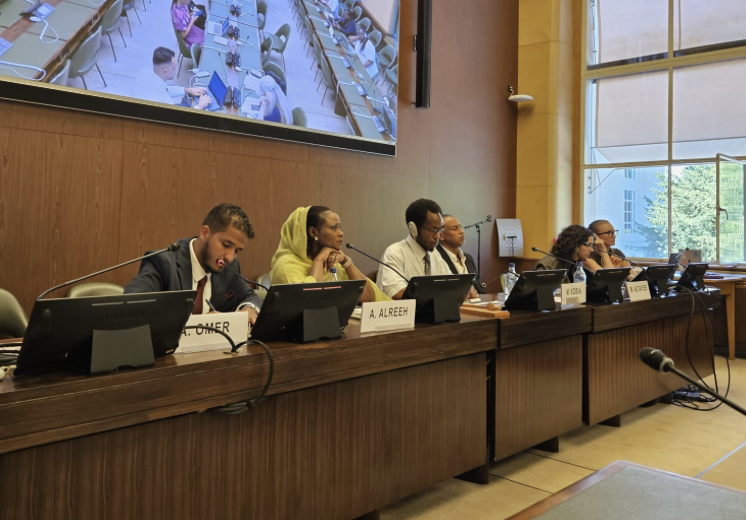
By Mutua Kobia /GICJ
On 02 July 2026, Geneva International Centre for Justice along with International Organization for the Elimination of All Forms of Racial Discrimination (EAFORD) held a side event during the 62nd Regular Session of the HRC on “Transitional Justice and the Rule of Law in Post-Conflict Societies - Building Human Rights-Based States: The Case of Sudan”.
The event was moderated by GICJ senior collaborator Mutua Kobia. This important meeting highlighted the urgent importance of transitional justice, accountability, and the rule of law in post-conflict societies as essential pillars for building a state that respects human rights and prevents the recurrence of violations. The expert panel of speakers addressed the devastating human rights consequences of the ongoing conflict in Sudan and rebuilding a human rights-based State.
Opening the discussion, Mr. Mohamed Altayab (a journalist specialised in covering conflict zones) examined the complexity of the conflict, noting that violations extend far beyond direct violence. He highlighted the systematic destruction of livelihoods, widespread looting, and the long-term psychological trauma inflicted upon civilians, and in particular children. He stressed that trauma remains a "silent killer" whose effects must be addressed as an essential component of post-conflict recovery. He also raised concerns over the proliferation of weapons, the lack of military discipline, and the involvement of external actors, warning that these factors continue to destabilise Sudan and the wider region. He called for comprehensive trauma-response programmes as part of future reconstruction efforts.
Ms. Amira Al Tarif (an independent human rights defender and activist) focused on the disproportionate impact of the conflict on women and girls, emphasising that they have become direct targets of grave human rights violations. She underscored that the protection of women and children is not only a moral imperative but a right firmly enshrined in international law. Condemning these inhumane acts as an assault on human dignity, she stressed that justice is both a legal obligation and a humanitarian responsibility. Looking ahead, she called for rehabilitation programmes and the meaningful empowerment of women as central pillars to Sudan's recovery.
Finally, Mr. Ahmed Omer (a Sudanese independent journalist) highlighted the growing threats faced by journalists and civil society actors working to document violations and uncover the truth. Covering the conflict from on-the-ground, he noted that young people continue to face significant challenges amid the conflict and reaffirmed that protecting fundamental freedoms, ensuring accountability, and supporting independent journalism are indispensable to achieving justice and laying the foundations for a peaceful and democratic Sudan.
Geneva International Centre for Justice (GICJ) believes that lasting peace in Sudan can only be achieved through a comprehensive approach that addresses both the immediate humanitarian crisis and its underlying causes. This requires ensuring accountability for violations of international law, the disarmament of armed groups, and the effective protection of civilians. It also entails providing meaningful support and access to justice for survivors, implementing institutional reforms that strengthen democratic governance and respect for human rights, and restoring the rule of law to rebuild public trust and promote long-term stability and reconciliation.
GICJ’s Attendance in Side Events
GICJ interns and volunteers attended various side events during the 62nd session of the HRC to deepen their understanding of the human rights situation around the world. This experience allowed us to broaden our perspectives on key geopolitical issues and strengthen the quality and impact of GICJ’s work.
Side Event: Towards the 25th Anniversary of the Durban Declaration: Mobilising Global Support for its Full Implementation
Organised by the International Federation for the Protection of the Rights of Ethnic, Religious, Linguistic & Other Minorities
By Martina Galiazzo and Mutua K. Kobia /GICJ
On 03 July 2026, the side event, "Towards the 25th Anniversary of the Durban Declaration", was organised by a group of NGOs including, International Federation for the Protection of the Rights of Ethnic, Religious, Linguistic & Other Minorities, World Against Racism Network (WARN), International Youth and Student Movement for the United Nations (ISMUN), International-Lawyers.Org, and International Organization for the Elimination of All Forms of Racial Discrimination (EAFORD) and gathered experts, most notably the UN Special Rapporteur on contemporary forms of racial discrimination, xenophobia and related intolerance Ashwini K.P. The event explored the significance of the upcoming twenty-fifth anniversary of the Durban Declaration and Programme of Action (DDPA) and the urgent need to gather broader global support for its full implementation. The expert panelists also argued that public policy must move beyond security-based frameworks to ensure full inclusion and the protection of fundamental rights for all individuals, regardless of religious or ethnic identity.
In opening the discussion, the Moderator, Jan Lönn (ISMUN) reflected on the historical significance connecting the DDPA's twenty-five years, recalled the United Nations' eight decades since the adoption of its very first General Assembly, and the international struggle against apartheid, noting that they are all related to this 25th Anniversary. He also noted the campaigns and resistance surrounding the tenth and twentieth anniversaries of the DDPA, highlighting the continuing challenges to its recognition and implementation.
The first speaker, Ashwini K.P. (UN Special Rapporteur) emphasised that the DDPA provides a clear roadmap for addressing persistent patterns and manifestations of racism and racial discrimination, extending the concept of equality beyond the treatment of individuals to broader structural realities. She highlighted the growing role of digital technologies in enabling racism and discrimination in forms previously unimaginable. She expressed concern that, particularly in the West, the DDPA has increasingly disappeared from public discourse and its support is little to nothing. She questioned why certain States continue to target or distance themselves from the framework and that there is a conscious effort to erase its significance.
Paulette Lacroix (International Office of Catholic Education), the second speaker, brought to attention the importance of commemorating the DDPA while recognising diversity as a source of richness and strength. She highlighted practical approaches that she created in her community to raise awareness, including pamphlets and educational initiatives, underscoring the importance of making anti-racism commitments accessible to the wider public.
Jan Lönn further raised concerns regarding intersecting and double discrimination in Europe, particularly Afrophobia and Islamophobia.
The final speaker, Ajla Kuduzoviz (Islamophobia Helpline Casework Officer, Geneva) addressed the evolving forms of Islamophobia and stressed the importance of research, reliable data, and disaggregated information/data in understanding and confronting discrimination. Highlighting gendered Islamophobia in Switzerland, Ms. Kuduzovic noted that restrictive policies, on clothing like Burkina bans, disproportionately affect women’s rights and access to employment. Moreover, these concerns extend towards women expressing their religious beliefs and she emphasised the importance of equal citizenry, particularly in Switzerland, as a means of building trust and sharing experiences. She further stressed that institutions adopting the DDPA must possess the necessary capacity, knowledge, and resources to translate its principles into meaningful action.
In closing, the Moderator emphasised that the lack of contribution has led to weak political will especially in light of the 25th Anniversary of the Durban Declaration and Programme of Action.
Geneva International Centre for Justice (GICJ) emphasises the urgent need to reaffirm international commitment to the Durban Declaration and Programme of Action (DDPA) ahead of its 25th anniversary. GICJ calls on States to strengthen political will and move beyond symbolic commitments by fully implementing the DDPA through effective legal, institutional, and policy measures addressing both individual and structural forms of racial discrimination.
Moreover, GICJ stresses the importance of confronting emerging manifestations of racism, including digital hate and intersecting forms of discrimination such as Islamophobia, Afrophobia, and gender-based discrimination. According to GICJ, the full implementation of the DDPA requires reliable and disaggregated data, adequate institutional capacity, and inclusive policies that protect the rights of all individuals regardless of their ethnic, racial, or religious identity. GICJ further calls on the international community to ensure that the 25th anniversary serves as an opportunity to renew global support for the DDPA and translate its principles into concrete action.
“Human Rights in the State of Palestine”
Organised by Medical Aid for Palestinians (MAP)
By Marie Mink /GICJ
On 18 June 2026, Medical Aid for Palestinians (MAP) organised a side event on the situation of “Human Rights in the State of Palestine”, focusing particularly on the right to health and healthcare and the protection of healthcare workers on the ground. The event underscored the importance of taking concrete steps and ensuring state participation to uphold these rights in the State of Palestine.
MAP's Communication Officer provided an overview of the destruction of the healthcare system and infrastructure in Gaza, depicting the dire situation of healthcare workers, lack of medical supplies, and large-scale displacement on the ground. The targeted demolition of infrastructure has left 20 out of 37 hospitals partially functioning, and no single hospital is fully functioning. Around 1800 health facilities have been destroyed, and the World Health Organisation documented 22 attacks on health infrastructure in 2026. As of now, 1400 Gazans have died waiting for medical evacuation and 4000 children are trapped and in need of medical intervention. The lack of food, sanitation and functioning water infrastructure is fundamentally incompatible with the right to health.
Moreover, the forced displacement and settler-backed violence in the West Bank impede access to treatments and have broader effects on the right to health and access to healthcare, through territorial division and movement restrictions. As of December 2025, about 1000 movement obstacles across the West Bank are affecting 3.4 million Palestinians. Furthermore, the West Bank Israeli military offensive of January 2025 impeded access to healthcare, disrupted the system of care, and delayed rehabilitation. This especially affects older persons, people with disabilities and those with chronic illnesses. In addition, it impacts mental health and causes profound psychological distress for children. Beyond conventional settlements, legal mechanisms have been put in place to disrupt leases and take away land rights and then transfer to settler organisations. This relates to the right to health and dignity which includes the home as a space of safety and steadiness, no fear, a certain future, and having a childhood home.
Regarding the dignity and protection of healthcare workers, the side event stressed how, under the most difficult of situations, over 17000 healthcare workers have been killed, and many have experienced sexual violence in arrest, detention camps and refugee centres or have been humiliated by the Israeli army and settlers. The Palestinian Red Crescent Society (PRCS) has documented over 100 attacks on healthcare workers in 2026, and abductions have been documented with kidnappings in unknown locations and no access to justice. Nonetheless, organisations such as the PRCS continue to provide vital and life-sustaining care and medical aid.
Finally, the side event pointed out that as killings continue, more than half of Gaza’s territory is unsafe, with no access to necessities, safety and protection. These undermine human rights: being able to access healthcare, having clean water, food, and a safe place to sleep is inextricably linked to innate human dignity. Hence, institutional protection, adherence to international humanitarian law, and sanctions are urgently required. Amnesty International provided an input following the speakers’ contributions, addressing the complex and interconnected web of crimes and violations and the profound and complex impacts on people. Consequently, the response needs to be complex, multifaceted and impressive and include divestment, such as acknowledging that the human rights clause in the EU-Israel trading agreement has been breached.
In conclusion, the right to health enables human dignity, but is systematically undermined against the Palestinian people. The side event emphasised that this is an ongoing humanitarian crisis and a violation of fundamental rights that needs to be addressed, as no phase of recovery and reconstruction has been entered, and this emergency crisis and deterioration of the right to health and healthcare must urgently be addressed.
“From Commitment to Protection: Addressing Arbitrary Detention of Humanitarian Personnel”
Organised by the Permanent Mission of Australia and the Group of Friends for the Protection of Humanitarian Personnel
By Marie Mink / GICJ
On 1 July 2026, the side event “From Commitment to Protection: Addressing Arbitrary Detention of Humanitarian Personnel” was organised by the Permanent Mission of Australia and the Group of Friends for the Protection of Humanitarian Personnel to provide a platform for States and organisations to advocate, exchange good practices, and improve aid worker safety. The side event reaffirmed the importance of enforcing obligations under international humanitarian law and facilitating safe, rapid, and unhindered humanitarian access in conflict zones. Furthermore, combating impunity and ensuring justice and accountability for attacks on personnel must be safeguarded through equal protection frameworks for international, national, and local aid workers.
Mr. Olivier Vandecasteele, the Founder and Director of Protect Humanitarians, an NGO dedicated to protecting, supporting, and advocating for humanitarian workers, told the attendees of his personal experience, opening up about his time as a wrongfully detained individual who was taken hostage in Tehran, Iran. He spent 455 days wrongfully detained from February 2022 to May 2023, and Amnesty International and the United Nations recognised that he was subjected to enforced disappearance and torture. His life post-release continues to be haunted by the traumatic experience, and he used this time to advocate for better mental health resources for victims of arbitrary detention and torture and their families.
"Towards the 25th Anniversary of the Durban Declaration: Mobilising Global Support for its Full Implementation"
Organised by the International Federation for the Protection of the Rights of Ethnic, Religious, Linguistic & Other Minorities
By Martina Galiazzo and Mutua K. Kobia /GICJ
On 03 July 2026, the side event, "Towards the 25th Anniversary of the Durban Declaration", was organised by a group of NGOs including, International Federation for the Protection of the Rights of Ethnic, Religious, Linguistic & Other Minorities, World Against Racism Network (WARN), International Youth and Student Movement for the United Nations (ISMUN), International-Lawyers.Org, and International Organization for the Elimination of All Forms of Racial Discrimination (EAFORD) and gathered experts, most notably the UN Special Rapporteur on contemporary forms of racial discrimination, xenophobia and related intolerance Ashwini K.P. The event explored the significance of the upcoming twenty-fifth anniversary of the Durban Declaration and Programme of Action (DDPA) and the urgent need to gather broader global support for its full implementation. The expert panelists also argued that public policy must move beyond security-based frameworks to ensure full inclusion and the protection of fundamental rights for all individuals, regardless of religious or ethnic identity.
In opening the discussion, the Moderator, Jan Lönn (ISMUN) reflected on the historical significance connecting the DDPA's twenty-five years, recalled the United Nations' eight decades since the adoption of its very first General Assembly, and the international struggle against apartheid, noting that they are all related to this 25th Anniversary. He also noted the campaigns and resistance surrounding the tenth and twentieth anniversaries of the DDPA, highlighting the continuing challenges to its recognition and implementation.
The first speaker, Ashwini K.P. (UN Special Rapporteur) emphasised that the DDPA provides a clear roadmap for addressing persistent patterns and manifestations of racism and racial discrimination, extending the concept of equality beyond the treatment of individuals to broader structural realities. She highlighted the growing role of digital technologies in enabling racism and discrimination in forms previously unimaginable. She expressed concern that, particularly in the West, the DDPA has increasingly disappeared from public discourse and its support is little to nothing. She questioned why certain States continue to target or distance themselves from the framework and that there is a conscious effort to erase its significance.
Paulette Lacroix (International Office of Catholic Education), the second speaker, brought to attention the importance of commemorating the DDPA while recognising diversity as a source of richness and strength. She highlighted practical approaches that she created in her community to raise awareness, including pamphlets and educational initiatives, underscoring the importance of making anti-racism commitments accessible to the wider public.
Jan Lönn further raised concerns regarding intersecting and double discrimination in Europe, particularly Afrophobia and Islamophobia.
The final speaker, Ajla Kuduzoviz (Islamophobia Helpline Casework Officer, Geneva) addressed the evolving forms of Islamophobia and stressed the importance of research, reliable data, and disaggregated information/data in understanding and confronting discrimination. Highlighting gendered Islamophobia in Switzerland, Ms. Kuduzovic noted that restrictive policies, on clothing like Burkina bans, disproportionately affect women’s rights and access to employment. Moreover, these concerns extend towards women expressing their religious beliefs and she emphasised the importance of equal citizenry, particularly in Switzerland, as a means of building trust and sharing experiences. She further stressed that institutions adopting the DDPA must possess the necessary capacity, knowledge, and resources to translate its principles into meaningful action.
In closing, the Moderator emphasised that the lack of contribution has led to weak political will especially in light of the 25th Anniversary of the Durban Declaration and Programme of Action.
Geneva International Centre for Justice (GICJ) emphasises the urgent need to reaffirm international commitment to the Durban Declaration and Programme of Action (DDPA) ahead of its 25th anniversary. GICJ calls on States to strengthen political will and move beyond symbolic commitments by fully implementing the DDPA through effective legal, institutional, and policy measures addressing both individual and structural forms of racial discrimination.
Moreover, GICJ stresses the importance of confronting emerging manifestations of racism, including digital hate and intersecting forms of discrimination such as Islamophobia, Afrophobia, and gender-based discrimination. According to GICJ, the full implementation of the DDPA requires reliable and disaggregated data, adequate institutional capacity, and inclusive policies that protect the rights of all individuals regardless of their ethnic, racial, or religious identity. GICJ further calls on the international community to ensure that the 25th anniversary serves as an opportunity to renew global support for the DDPA and translate its principles into concrete action.
“Human Rights in the Syrian Arab Republic”
Organised by the Next Century Foundation
By Clara Choucair /GICJ
On 2 July 2026, the Next Century Foundation organised the side event “Human Rights in the Syrian Arab Republic: One Year After the UN Alarm on the Targeted Abductions of Alawite Women and Girls” during the 62nd session of the HRC. The event brought together UN experts, researchers and civil society representatives to assess developments one year after UN mandate holders raised concerns over the systematic abductions and disappearances of Alawite women and girls in Syria, while examining ongoing protection gaps and accountability challenges.
Speakers stressed that sustained advocacy by civil society organisations has helped bring international attention to these violations, yet effective protection measures remain inadequate.
Dr. Jens Kreinath presented documented evidence of 131 cases of missing Alawite women and girls, including 30 minors, with many cases reportedly involving sectarian motives and allegations of security force involvement or complicity.
According to the findings presented, many women disappeared while carrying out routine daily activities, and their families frequently faced intimidation, limited cooperation from authorities, and significant obstacles in obtaining information or pursuing investigations.
The panel concluded by calling for independent and impartial investigations, rigorous documentation of violations, strengthened international accountability mechanisms and comprehensive protection and psychological support for survivors and vulnerable minority communities, emphasising that these measures are essential to preventing further abuses and ensuring justice for victims.
During its 62nd session, the Human Rights Council adopted a total of 28 resolutions and 13 Universal Periodic Review (UPR) decisions; there were no President's Statements at this session.
GICJ chose to detail the resolutions that are the most relevant to our work:
Item 2 – Adoption of Draft Resolution A/HRC/62/L.48
Human Rights Situation in and Around El Obeid, in the Context of the Ongoing Conflict in the Sudan
Delegations expressed grave concern over the escalating violence and worsening human rights crisis in and around El Obeid, North Kordofan, following 18 months of siege-like conditions imposed by the Rapid Support Forces (RSF) and allied groups. Numerous speakers denounced the imminent risk of large-scale atrocities, including conflict-related sexual violence, arbitrary killings, and the deliberate targeting of hundreds of thousands of civilians, children, and internally displaced persons.
Several delegations emphasised the urgent need for accountability and truth, calling for the independent international Fact-Finding Mission for the Sudan to conduct an urgent inquiry into violations and abuses of international human rights and humanitarian law committed in and around El Obeid.
The delegation of the United Kingdom, alongside core sponsors including Germany, Ireland, the Netherlands, and Norway, stressed that the Human Rights Council must act decisively to address the mounting humanitarian crisis and protect vulnerable populations trapped by the siege.
In the explanation of the vote, China acknowledged the gravity of the situation, supporting constructive international engagement and efforts to protect civilians.
Draft resolution A/HRC/62/L.48 was adopted without a vote.
Geneva International Center for Justice (GICJ) welcomes the adoption of this resolution by consensus and commends the Council's swift action in response to the dire situation in El Obeid. We strongly support the mandate of the Fact-Finding Mission to investigate all violations and abuses, and we urge the international community to ensure accountability for perpetrators of atrocities. GICJ stresses that the protection of civilians, unhindered humanitarian access, and an immediate end to the siege conditions are vital to preventing further mass violations in Sudan.
Item 2 – Adoption of Draft Resolution A/HRC/62/L.3/Rev.1
Situation of Human Rights in Eritrea
Delegations expressed grave concern over the continuing systematic human rights violations in Eritrea, highlighting the persistent use of prolonged arbitrary detention, enforced disappearances, torture, and the severe restriction of fundamental freedoms. Numerous speakers noted that the absolute lack of a civic and democratic space, independent media, and democratic governance has left citizens entirely excluded from public life for over three decades.
Several delegations, with strong advocacy led by European Union member states and civil society organisations, emphasised the indispensable role of independent international monitoring in a country with a deeply closed political system. They called for the renewal of the Special Rapporteur's mandate to maintain objective oversight, document ongoing violations, and combat impunity.
The delegation of China, speaking during the explanation of the vote, raised objections to country-specific mandates, emphasising principles of state sovereignty and constructive dialogue rather than external pressure.
Draft resolution A/HRC/62/L.3/Rev.1 was adopted with:
- 23 votes in favor;
- 6 votes against;
- 17 abstentions.
Geneva International Center for Justice (GICJ) welcomes the renewal of the Special Rapporteur's mandate by the Council and underscores the vital importance of sustained international scrutiny on Eritrea. We strongly support independent mechanisms to document systematic abuses, including arbitrary detention and religious persecution, and urge the international community to ensure that victims' rights to truth, justice, and accountability are upheld. GICJ stresses that meaningful cooperation with human rights bodies and fundamental reforms are essential to addressing the dire human rights reality in the country.
Item 2 – Adoption of Draft Resolution A/HRC/62/L.20
Situation of Human Rights of Rohingya Muslims and Other Minorities in Myanmar
Delegations expressed grave concern over the deeply deteriorating human rights situation in Myanmar, highlighting the ongoing atrocities, systemic discrimination, and violence directed against the Rohingya Muslims and other ethnic and religious minorities following the military coup. Numerous speakers denounced the widespread violations, including arbitrary arrests, torture, sexual and gender-based violence, displacement, and the severe denial of humanitarian aid and basic rights.
Several delegations emphasised the critical need for continued international accountability and justice, calling for sustained support for independent investigative mechanisms, such as the Independent Investigative Mechanism for Myanmar (IIMM), and the mandate of the Special Rapporteur to ensure that perpetrators of international crimes do not enjoy impunity.
The delegation of Indonesia, speaking on behalf of the Association of Southeast Asian Nations (ASEAN) or core sponsoring States, underscored that the international community must remain steadfast in addressing the root causes of the crisis and protecting vulnerable minority populations trapped in volatile conflict zones.
In the explanation of the vote, China emphasised the importance of regional approaches and constructive dialogue, while maintaining its position on respecting state sovereignty.
Draft resolution A/HRC/62/L.20 was adopted without a vote.
Geneva International Center for Justice (GICJ) welcomes the adoption of this resolution by consensus and commends the Council's continued commitment to addressing the plight of the Rohingya Muslims and other minorities in Myanmar. We strongly support the reinforcement of independent investigative and monitoring mechanisms to document systemic abuses and ensure full accountability for international crimes. GICJ stresses that the protection of minority rights, unhindered humanitarian access, and a genuine transition toward inclusive democracy are indispensable for lasting peace and justice in the country.
Item 2 - Adoption of Draft Resolution A/HRC/62/L.25/Rev.1
Human rights implications of the obstruction and denial of humanitarian access and threats to the safety of humanitarian personnel in armed conflict
Kuwait introduced draft resolution A/HRC/62/L.25/Rev.1, on behalf of the core group composed of Egypt, Malaysia, Kuwait and Bahrain. The delegation stressed the need for humanitarian access and the protection of humanitarian personnel in armed conflict zones for the fulfilment of the right to life and human dignity.
The draft resolution strongly condemns attacks, threats and violence against humanitarian personnel and the unlawful denial of humanitarian access. It calls upon all parties to armed conflicts to ensure safe, rapid and unhindered humanitarian access, to protect humanitarian personnel and humanitarian operations, and to refrain from criminalising humanitarian activities. Additionally, it also requests the Office of the High Commissioner for Human Rights to prepare a comprehensive report on the human rights implications of attacks against humanitarian personnel and restrictions on humanitarian access.
Egypt highlighted that impeding access to humanitarian aid directly undermines civilians' fundamental rights, such as the right to education, to water, to housing.
Pakistan speaking on behalf of the Organisation of Islamic Cooperation, Iraq on behalf of the Arab Group, and Kenya, Indonesia, Qatar and Japan expressed support for the resolution, emphasising the increase in attacks against humanitarian personnel and the obstruction of humanitarian assistance, endangering the delivery of lifesaving assistance and depriving populations of access to food, water, medicine, and other essential services.
The delegation of Cuba condemned the attacks by Israel against humanitarian personnel in Palestine, affirming the humanitarian consequences of the economic blockade imposed by the United States of America. Cyprus and Switzerland reaffirmed that international humanitarian law and international human rights law remain complementary in armed conflict situations, consistent with the jurisprudence of the International Court of Justice and the European Court of Human Rights.
During the explanation before adoption, India joined the consensus, while disassociating from the operative paragraph 4, stating that humanitarian access must be provided with the consent of the host State.
Draft resolution A/HRC/62/L.25/Rev.1 was adopted without a vote.
Geneva International Centre for Justice (GICJ) welcomes the adoption of this resolution and strongly condemns attacks against humanitarian personnel and the obstruction of humanitarian assistance as serious violations of international humanitarian and human rights law. We further welcome the request for a comprehensive report by the Office of the High Commissioner for Human Rights. GICJ urges all parties to armed conflicts to guarantee the safety of humanitarian personnel, to ensure full and unhindered humanitarian access, and to respect the right to life and human dignity.
Item 3 - Adoption of Draft Resolution A/HRC/62/L.6
The right to education
Draft resolution A/HRC/62/L.6, introduced by Portugal, renewed the mandate of the Special Rapporteur on the right to education, Ms. Farida Shaheed, for another three years.
Portugal thanked all delegations and more than 60 cross-regional sponsors for their support, stressing education not only as a fundamental human right, but as an essential foundation for resilience, inclusion, and the realisation of the broader 2030 agenda. The delegation asserted education as central to the enjoyment of human rights, sustainable development, and conflict prevention, by reducing inequalities, promoting gender equality, and empowering youth for democratic participation and digital literacy.
The delegation of Egypt affirmed the right to education as an investment on a more peaceful future, built on coexistence and better understanding. Egypt highlighted its national plan to integrate human rights in school curricula and training programmes.
Ethiopia recognised the importance of international cooperation, technical assistance, and capacity building in supporting national efforts to strengthen education systems, particularly in developing countries facing resource constraints.
Cuba described education as an extremely high priority, noting that approximately 20% of its national budget is allocated to it. The delegation requested the Special Rapporteur to document the effects of imposed unilateral coercive measures on the enjoyment of the right to education.
Spain expressed particular concern on the systemic deprivation of the right to education to women and girls in Afghanistan. The delegation also condemned attacks against educational infrastructure in situations of armed conflict, including in Gaza and the occupied territories of Ukraine.
The representative of Gambia asserted the importance of ensuring inclusive and equitable access to quality education for girls, children with disabilities, children in rural communities, impoverished and vulnerable populations.
Draft resolution A/HRC/62/L.6 was adopted as orally revised without a vote.
Geneva International Centre for Justice (GICJ) supports the renewal of the mandate of the Special Rapporteur on the right to education, and acknowledges education as a fundamental human right, indispensable for the realisation of all other rights, equality, peace, and sustainable development. GICJ calls on all States to ensure safe, inclusive, equitable, and quality education, particularly to women and girls, children and youth affected by armed conflict, persons with disabilities, displaced populations, and other vulnerable groups. We especially urge for international cooperation in upholding schools as protected spaces during armed conflicts, ensuring the full enjoyment of the right to education in safe conditions.
Item 3 - Adoption of Draft Resolution A/HRC/62/L.9
Role of States in countering the negative impact of disinformation on the enjoyment and realization of human rights
Ukraine introduced draft resolution A/HRC/62/L.9, on behalf of the core group composed of Japan, Latvia, Lithuania, Poland, the United Kingdom, and Ukraine, addressing the compounding risks that disinformation could introduce to democratic processes and the full enjoyment of human rights and fundamental freedoms. Particularly, this resolution expressed concerns over emerging technologies, such as artificial intelligence, synthetic media, and foreign information manipulation and interference.
On behalf of the core group, the delegation of Ukraine supported the request for a comprehensive study by the Office of the High Commissioner for Human Rights on the human rights implications of artificial intelligence in the dissemination of disinformation. The Republic of Korea appreciated this proposal, highlighting how disinformation can exacerbate existing human rights risks, including discrimination and exclusion.
The United Kingdom highlighted the harmful impacts of disinformation, particularly in undermining trust in democratic institutions and distorting public debate. Iceland emphasised the role of disinformation campaigns in weaponising narratives around gender equality and sexual orientation, disproportionately affecting women and girls.
Brazil and Estonia recognised the harmful impact of disinformation and hate speech on the work of journalists and human rights defenders. The delegation of Brazil encouraged the core group to seek a renewed consensus on the concept of foreign information manipulation and interference.
Cuba stressed States’ primary responsibility in countering disinformation, supporting the resolution’s call for States to refrain from conducting or sponsoring disinformation campaigns for political purposes. Egypt recognised the responsibility of technology companies, digital platforms, and developers of artificial intelligence systems, in preventing the misuse of their technologies, particularly concerning hate speech and incitement to discrimination, hostility and violence.
Gambia highlighted the establishment of a national misinformation and disinformation response mechanism, aimed at monitoring disinformation, public communications and supporting access to accurate information. The delegation of China did not support the consensus on the draft resolution, arguing that the proposed solutions failed to appropriately address the causes of disinformation.
Draft resolution A/HRC/62/L.9 was adopted without a vote.
Geneva International Centre for Justice (GICJ) welcomes the adoption of this resolution by consensus and commends the Council’s efforts to address the growing impacts of disinformation on the enjoyment of human rights. We encourage States and technology companies to strengthen transparency, accountability and protection measures against the misuse of artificial intelligence and other digital platforms, by ensuring compliance with international human rights law. GICJ supports this resolution’s measures to recognise and address the harm suffered by victims of disinformation campaigns.
Item 3 - Adoption of Draft Resolution A/HRC/62/L.12/Rev.1
Freedom of opinion and expression
The representative of Canada introduced draft resolution A/HRC/62/L.12/Rev.1, together with the Kingdom of the Netherlands, on behalf of the core group composed of Brazil, Canada, Fiji, Namibia, and Sweden.
Canada emphasised the contemporary threats to freedom of opinion and expression, due to the dissemination of disinformation and the increasing misuse of laws and technologies to repress and intimidate individuals transnationally.
The delegation also encouraged the Office of the High Commissioner for Human Rights to enhance accountability and safety measures for journalists, requesting a study on emerging transnational threats.
South Korea, Estonia on behalf of the European Union, the Czech Republic, and the United Kingdom welcomed the inclusion of references to emerging digital technologies. The delegation of China reiterated that the freedom of opinion should be exercised together with the corresponding obligations, expressing reservations against expanding existing mandates.
The United Kingdom emphasised the barriers faced by women and girls in exercising their right to freedom of opinion and expression. The representative of Cuba reaffirmed the State's primary responsibility, expressing concern over structural imbalances in global information flows and digital platforms.
Brazil, as a member of the core group, highlighted the organisation of a side event on the role of freedom of expression in the empowerment of women. Similarly, Mexico and France praised the strengthened provisions on accountability for violations against journalists and the protection of women and girls from digital violence.
During the explanations before adoption, Japan noted that strategic lawsuits against public participation and the investigation and prosecution of repressive acts should be conducted according to each domestic legal system. Iceland welcomed the resolution’s references to repressive activities abroad, such as intimidation, harassment, surveillance, and reprisals.
Egypt expressed reservations regarding categories of individuals addressed in the draft, including references to the full equal and safe participation of girls in decision making processes. In turn, the delegation of Pakistan noted the omission of the human rights risks of monopolistic capture of media and technology platforms.
Draft resolution A/HRC/62/L.12/Rev.1 was adopted without a vote.
Geneva International Centre for Justice (GICJ) welcomes the adoption of this resolution by consensus and commends the Human Rights Council for reaffirming the fundamental role of the freedom of opinion and expression. GICJ stresses that emerging technologies must be developed and used in full compliance with international human rights law. We further urge States to strengthen the protection of journalists, human rights defenders, and all individuals exercising their right to freedom of opinion and expression, particularly women and girls in democratic processes and public life.
Item 3 - Adoption of Draft Resolution A/HRC/62/L.16/Rev.1
Elimination of all forms of discrimination against women and girls in care and support systems
The draft resolution A/HRC/62/L.16/Rev.1, tabled by Mexico, Spain, and Iceland, addressed the elimination of all forms of discrimination against women and girls in care and support systems. The draft resolution also noted that the disproportionate distribution of care and domestic work between men and women is one of the driving factors fostering gender inequality.
Russia introduced amendments L38 and L39, arguing that the draft considered the question of unhindered access to healthcare including sexual and reproductive health services.
Pakinstan on behalf of the Organisation of Islamic Cooperation, with the exception of Albania, introduced amendments L45, L46 and L47. These removed references to comprehensive sexuality education, sexual and reproductive health and rights, and bodily autonomy.
The delegations of Japan, Estonia, on behalf of the European Union Member States, Albania, Thailand, and Cuba stressed that the disproportionate share of unpaid care and domestic work on women and girls limits their access to educational opportunities, employment, economic independence, and full equal and meaningful participation in decision making processes.
While supporting the resolution, Ghana, Egypt, Iraq, and India expressed reservations regarding references to gender, sexual and reproductive health and rights, comprehensive sexuality education, and bodily autonomy.
Despite supporting the resolution, China emphasised that detailed regulations for human rights implementation may increase the burden of developing countries regarding obligation fulfillment.
France, the United Kingdom, Slovenia, Estonia, and the Netherlands opposed all amendments, reaffirming the draft’s compliance with Human Rights Council standards on gender, women's rights, sexual and reproductive health and rights, and comprehensive sexual education.
Following recorded votes, all five amendments were rejected.
Draft Resolution A/HRC/62/L.16/Rev.1 was adopted without a vote.
Geneva International Centre for Justice (GICJ) welcomes the adoption of this resolution and supports that it recognises that unequal care and support responsibilities constitute a significant barrier to the full enjoyment of human rights by women and girls. GICJ supports efforts to ensure inclusive access to healthcare, including sexual and reproductive health services and information, and the equal participation of women and girls in leadership, educational and employment opportunities. We reaffirm that advancing gender equality requires addressing structural discriminatory norms, recognising unpaid care and domestic work, and guaranteeing women and girls’ fundamental rights and freedoms in all spheres of life.
Item 3 - Adoption of Draft Resolution A/HRC/62/L.18/Rev.1
Human rights and climate change
Draft resolution A/HRC/62/L.18/Rev.1 was tabled by Bangladesh, the Philippines, and Vietnam, addressing how climate change threatens the lives and livelihoods of those most vulnerable, least responsible for its adverse effects, and the rights of present and future generations. The resolution focused on climate adaptation and intergenerational equity, reaffirming the urgency of transnational adaptation to reduce climate vulnerabilities.
The Netherlands, speaking on behalf of a cross-regional group of 41 States, as well as the Marshall Islands, Estonia, on behalf of the European Union, Iceland, and the United Kingdom, regretted the absence of references to fossil fuels, considering the urgency for a just and equitable transition.
Brazil highlighted the achievements from COP 30 in Belém do Pará, including the adoption of mechanisms dedicated to combating environmental racism, hunger, and poverty, centred on climate action.
The delegations of Kuwait, on behalf of the Gulf Cooperation Council countries, Egypt, Ghana, Mauritius, Kenya, Pakistan, China, Ethiopia, Cuba, and Iraq, on behalf of the Arab Group, stressed the principle of shared but differentiated responsibilities of States, considering the disproportionate impact of climate change on developing countries and vulnerable populations.
The delegations of Brazil, China, Iceland, India, Japan, the European Union, and the United Kingdom, expressed concerns over the overlap of elements between the resolution and existing international frameworks and processes, particularly the United Nations Framework Convention on Climate Change (UNFCCC) and the Paris Agreement.
Despite supporting the resolution, India dissociated from references to the human right to a clean, healthy and sustainable environment.
Draft resolution A/HRC/62/L.18/Rev.1 was adopted without a vote.
Geneva International Centre for Justice (GICJ) welcomes the recognition of the serious threats to the full enjoyment of human rights caused by climate change, particularly for vulnerable populations and future generations. GICJ reaffirms that climate action must be guided by human rights principles, scientific evidence, and climate justice. We urge States to meet their responsibilities to protect the rights of persons affected by climate change, and to enhance their international cooperation, with particular support for developing countries.
Item 3 - Adoption of Draft Resolution A/HRC/62/L.21/Rev.1
Promoting, protecting and respecting women’s and girls’ full enjoyment of human rights in humanitarian situations
Draft resolution A/HRC/62/L.21/Rev.1 was tabled by a cross-regional group led by Colombia, Japan, Fiji, Georgia, Sierra Leone, Sweden, and Uruguay. It concerned the promotion, protection, and full enjoyment of the human rights of women and girls in humanitarian crises, including armed conflicts, displacement, climate change, disasters, and occupation.
Japan introduced the draft text, reaffirming the resolution’s emphasis on the prevention and response to sexual and gender-based violence against women and girls, supporting their empowerment through full equal and meaningful participation.
The delegations of the United Kingdom, France, Spain, Slovenia, and Mexico welcomed the resolution’s focus on preventing and responding to sexual and gender-based violence, ensuring access to sexual and reproductive health services, including menstrual health and hygiene, maternal health care, and psychosocial support for survivors.
The delegations of South Africa and Iceland stressed the need for greater humanitarian funding for addressing gender-based violence and women led organisations.
Additionally, South Africa, Kenya, Egypt, Pakistan, and Iraq highlighted the violations suffered by women and girls living under occupation, as well as the role of host countries supporting refugees and displaced populations.
The Marshall Islands welcomed the inclusion of references to the disproportionate impact of climate change, disasters and environmental degradation on women and girls.
While joining consensus, Egypt, China, Pakistan, and Iraq expressed reservations regarding references to the application of international humanitarian law, and terms such as human rights-based approach, human rights defenders, and multiple and intersecting forms of discrimination.
Draft resolution A/HRC/62/L.21/Rev.1 was adopted as orally revised without a vote.
Geneva International Centre for Justice (GICJ) recognises the disproportionate risks women and girls face in humanitarian crises, including armed conflicts, displacement, occupation, and climate-related disasters. GICJ urges States to strengthen protection and accountability mechanisms against sexual and gender-based violence, ensuring improved access to healthcare, humanitarian assistance and justice. We further support the request for a report by the Office of the High Commissioner for Human Rights on the consequences of funding deficits in humanitarian assistance and the rights and fundamental freedoms of women and girls in humanitarian crises.
Item 3 - Adoption of Draft Resolution A/HRC/62/L.24/Rev.1
Child, early and forced marriage
The draft resolution A/HRC/62/L.24/Rev.1, tabled by Sierra Leone and Switzerland on behalf of a cross-regional core group, addressed the prevention and elimination of child, early and forced marriage (CEFM), focusing on the implementation of the Office of the High Commissioner for Human Rights Guidelines on CEFM root causes, including poverty, gender inequality, discriminatory social norms, humanitarian crises, and armed conflict.
On behalf of the Arab Group, Sudan introduced amendments L.41, L.42, L.43 and L.44, seeking to replace references to sexual and reproductive health and rights, comprehensive sexuality education, bodily integrity and autonomy, and intimate marital violence.
Cuba, Côte d’Ivoire, Thailand, Japan, Estonia, on behalf of the European Union, Spain, the United Kingdom, Slovenia, and the Gambia supported the resolution and stressed the importance of a comprehensive, human rights-based and survivor-centered approach.
Concerning amendment L41, the Marshal Islands and Estonia, reaffirmed the importance of sexual and reproductive health services, considering CEFM affects women and girls’ menstrual health and hygiene, maternal and newborn health, and the prevention of sexually transmitted infections, such as HIV.
Mexico and France explained their votes against amendment L42, arguing that comprehensive sexual education fundamentally prevents sexual and gender-based violence and early enforced marriage.
Similarly, Japan, Iceland and the United Kingdom rejected amendment L43, emphasising the recognition of bodily autonomy as a core component of protecting the rights, dignity and equality of women and girls.
In response to amendment L44, Cyprus and Slovenia reaffirmed intimate partner violence as a significant barrier in preventing women and girls from continuing their education and seeking protection services.
Following recorded votes, all four amendments were rejected.
Pakistan, Egypt, Iraq, India, Ghana, and the Gambia joined consensus while expressing that specific terms should follow internationally agreed language and be implemented in accordance with national laws.
Draft resolution A/HRC/62/L.24/Rev.1 was adopted as orally revised without a vote.
Geneva International Centre for Justice (GICJ) reaffirms the adopted resolution’s position that ending child, early and forced marriage remains essential to achieving gender equality and human dignity. GICJ calls upon States to meet their primary responsibilities in supporting comprehensive measures aimed at mitigating the root causes of this harmful practice, including poverty, gender inequality, lack of access to education, and discrimination. We emphasise the importance of protecting survivors, ensuring access to justice and essential sexual and reproductive health services, and empowering women and girls' right to freely and responsibly make decisions affecting their bodies, lives and future.
Item 3 - Adoption of Draft Resolution A/HRC/62/L.26/Rev.1
Protection of healthcare in armed conflict
Draft resolution A/HRC/62/L.26/Rev.1 was tabled by Qatar, on behalf of Bahrain, the Gulf Cooperation Council and Pakistan, on behalf of the Organization of Islamic Cooperation, concerning the protection of healthcare in armed conflict.
The resolution recognises the severe impact of armed conflict on healthcare, particularly on medical infrastructure and personnel, their medical supplies, vehicles, and the sick and wounded.
Additionally, the resolution stressed the consequences of attacks on health facilities, depriving civilians of medicine, water, sanitation, food, maternal and child healthcare, mental health services, and vaccination programmes.
Notably, the resolution calls for improved monitoring, reporting and accountability mechanisms to prevent attacks on healthcare and enhance safeguards for healthcare services during armed conflict.
Introducing the resolution, Qatar stressed the need to protect health infrastructure, ensure the civilian population’s access to healthcare without discrimination, and guarantee the safety of humanitarian medical assistance.
Kuwait, on behalf of the Gulf Cooperation Council, Cuba, Spain, Egypt, Pakistan, Japan, the United Kingdom, Indonesia, Iraq and Switzerland, emphasised the need for increased political commitment in respecting international humanitarian law.
The delegations of Cuba and Iraq highlighted the obstruction of humanitarian aid and attacks to medical facilities and workers in the Occupied Palestinian Territories.
While supporting the resolution, the United Kingdom, Switzerland and India reaffirmed that the protection of healthcare in armed conflict should remain primarily grounded in international humanitarian law.
Draft resolution A/HRC/62/L.26/Rev.1 was adopted as orally revised without a vote.
Geneva International Centre for Justice (GICJ) welcomes the adoption of this resolution and strongly condemns attacks on healthcare facilities, medical personnel, ambulances, humanitarian medical missions, and the sick and wounded, as a serious violation of international humanitarian law and the right to health and life. We urge States to strengthen accountability mechanisms, and to promote effective monitoring of attacks on healthcare. We further call on States to ensure the safe delivery of humanitarian assistance and medical care to civilians, particularly the most vulnerable, in conflict-afflicted areas.
GICJ published 23 discussion reports during the 62nd session of the HRC. Most of these (12) covered Item 3, five documents had to do with Item 2, two described events that happened under Item 4, and four covered events held under Item 9.
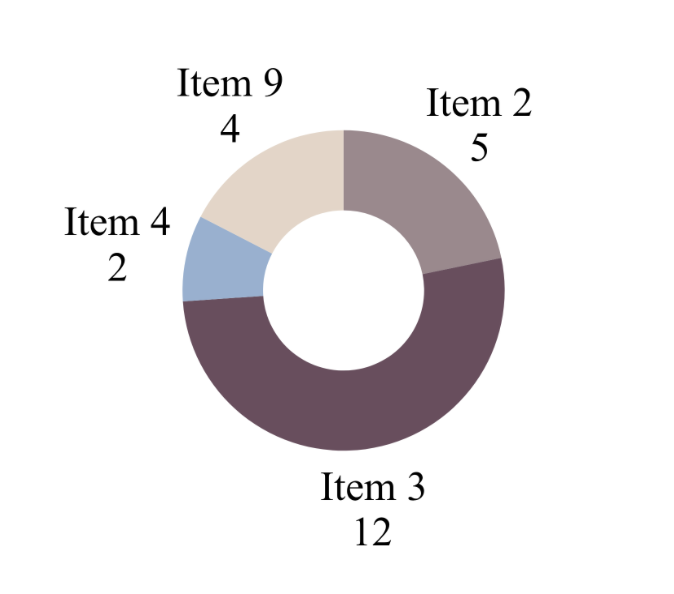
- Item 2: HC oral update on attacks by the Islamic Republic of Iran
- Item 2: Enhanced Interactive Dialogue on Oral Update by the Fact-Finding Mission on Sudan
- Item 2: Interactive Dialogue with the Special Rapporteur on Eritrea
- Item 2: Interactive Dialogue with the Commission of Inquiry on the Occupied Palestinian Territory (OPT)
- Item 2: Interactive Dialogue on the High Commissioner’s Annual Report
- Item 3: Interactive Dialogue with the Special Rapporteur on Freedom of Expression
- Item 3: Interactive Dialogue with the Special Rapporteur on the Right to Education
- Item 3: Interactive Dialogue with the Special Rapporteur on Summary Executions
- Item 3: Annual Panel on the Adverse Impacts of Climate Change
- Item 3: Interactive Dialogue with the Special Rapporteur on Migrants
- Item 3: Interactive Dialogue with the Special Rapporteur on Trafficking
- Item 3: Interactive Dialogue with the Special Rapporteur on Violence Against Women and Girls
- Item 3: Interactive Dialogue on Peaceful Assembly and Association
- Item 3: Annual Discussion on Women's Rights
- Item 3: Interactive Dialogue with the Working Group on Discrimination Against Women and Girls
- Item 3: Interactive Dialogue with the Special Rapporteur on the Independence of Judges and Lawyers
- Item 3: Interactive Dialogue with the Special Rapporteur on Internally Displaced Persons (IDPs)
- Item 4: Interactive Dialogue on the High Commissioner’s Report on Venezuela
- Item 4: Enhanced Interactive Dialogue on the Oral Update of the Commission of Inquiry on the Democratic Republic of the Congo (Kivus)
- Item 9: Interactive Dialogue with the Special Rapporteur on Racism
- Item 9: Biennial Panel on Technical Cooperation
- Item 9: Interactive Dialogue on the High Commissioner's Oral Presentation on Ukraine
- Item 9: Interactive Dialogue on the OHCHR Report on Technical Assistance in South Sudan
Item 2: Oral Statement on the Attacks by the Islamic Republic of Iran
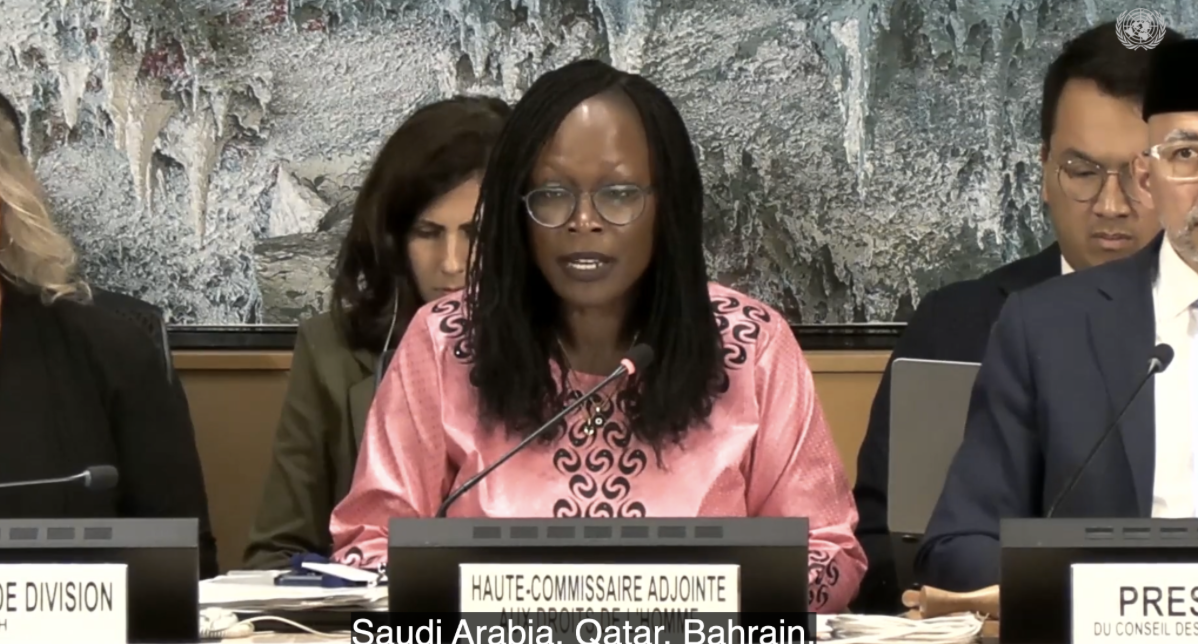
Iran’s Attack on the Middle East: an alarming human rights issue critically disregarded by the International Community
15 June 2026
By Jennah Kalaaji / GICJ
Since 28 February 2026, the Islamic Republic of Iran has launched unprovoked missile and drone attacks on multiple Gulf nations. These attacks have led to significant civilian casualties, injuries, and the destruction of civilian infrastructure.
The United Nations Deputy High Commissioner for Human Rights provided an oral update on the attacks executed by Iran and their legality in the context of human rights. The main issues brought up by representatives of the Gulf Cooperation Council (GCC) and Jordan included: the widespread impact of the attacks by Iran, and violations of international humanitarian law, international human rights law and the UN Charter. The core themes brought up by the representative of Iran included inadequate scrutiny of the origins of the conflict as well as the validity of their attacks under the international law governing self-defence.
Geneva International Centre for Justice (GICJ) calls on the Human Rights Council and the international community to hold Iran responsible for attacks on other nations, which play no role in the conflict, as well as for its blockade on the Strait of Hormuz which is having devastating consequences for the international economy and for the transportation of humanitarian aid.
Read the full discussion report here.
Item 2: Enhanced Interactive Dialogue on the Oral Update of the Fact-Finding Mission for the Sudan
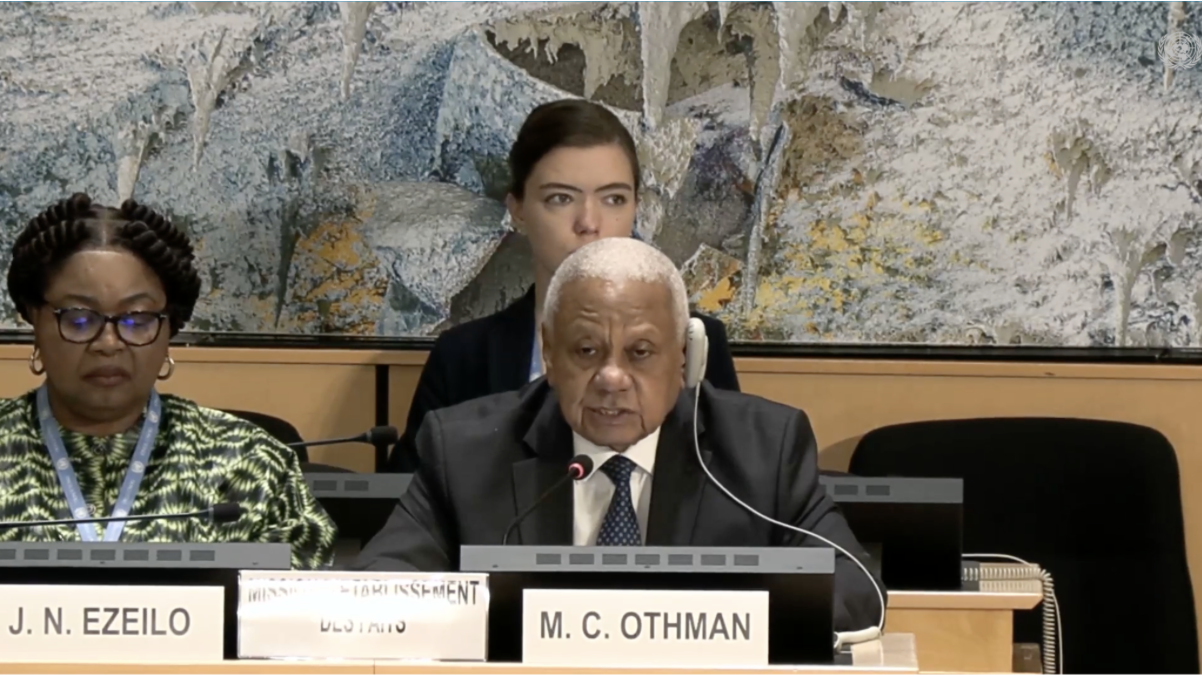
Sexual Violence in Sudan: A Systematic Weapon of War
15 June 2026
By Gabriel Hug /GICJ
The Deputy Head Commissioner of Human Rights reported that more than 1000 civilians have been killed by drone strikes in the Republic of Sudan this year and that sexual violence was systematically used as a weapon of war. The Deputy Head Commissioner emphasised that the absence of accountability for these crimes have led to “rampant impunity”.
The representative of Sudan underlined that militias perpetrated abuses, rape and displacements on the basis of geographical and racial belonging. She called for an end to foreign support to militias engaged in the conflict, most notably by the United Arab Emirates.
While the European Union’s representative pressed for full cooperation with the FFM, Kenya’s representative, speaking on behalf of the African states, underscored the need for respect of Sudanese sovereignty, territorial integrity and independence.
Geneva International Centre for Justice (GICJ) stresses the urgent need for an immediate ceasefire in Sudan to stop this brutal conflict. GICJ is particularly worried by the growing number of civilian casualties and damage to civilian infrastructure caused by drone strikes. GICJ is alarmed by the systematic use of sexual and gender-based violence against civilians. GICJ is also deeply worried by enforced disappearances and arbitrary detentions in Sudan.
Read the full discussion report here.
Item 2: Enhanced ID with SR on Eritrea
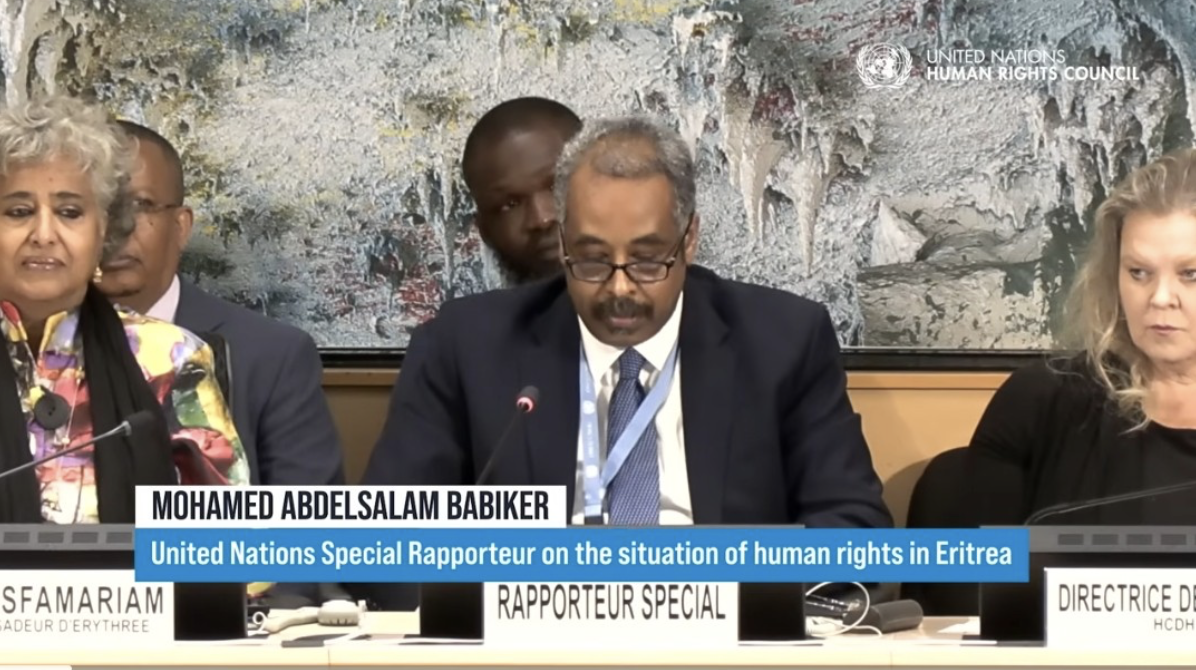
Eritrea - Systemic Challenges and the Necessity of Independent Oversight
15 June 2026
By Mihretab Mekonnen Beyene /GICJ
The Enhanced Interactive Dialogue concerning the situation of human rights in Eritrea examined the report of the Special Rapporteur. The dialogue highlighted concerns regarding long-standing human rights violations, including the lack of domestic legal accountability. Several European and Western nations supported the continuation of the mandate as a necessary mechanism for monitoring and documentation, while other delegations opposed the mandate, favouring a transition toward technical assistance and capacity-building programs.
The report by the Special Rapporteur identifies patterns of restricted civil liberties. A central issue remains the national military service system, which is cited as a source of forced labour. Additionally, the Eritrean government’s lack of cooperation with the Special Rapporteur continues to limit international oversight regarding reports of arbitrary detention, the impact on human rights defenders, and the status of children within the military.
Geneva International Centre for Justice (GICJ) maintains that the human rights situation in Eritrea constitutes an enduring crisis that demands an immediate, resolute, and punitive international response. GICJ urges Member States to pivot toward accountability by initiating investigations under the principle of universal jurisdiction, ensuring that those responsible for authorising torture, enslavement, and other grave violations find no safe haven.
Read the full discussion report here.
Item 2: ID with the Independent International Commission of Inquiry on the Occupied Palestinian Territory, including East Jerusalem, and Israel
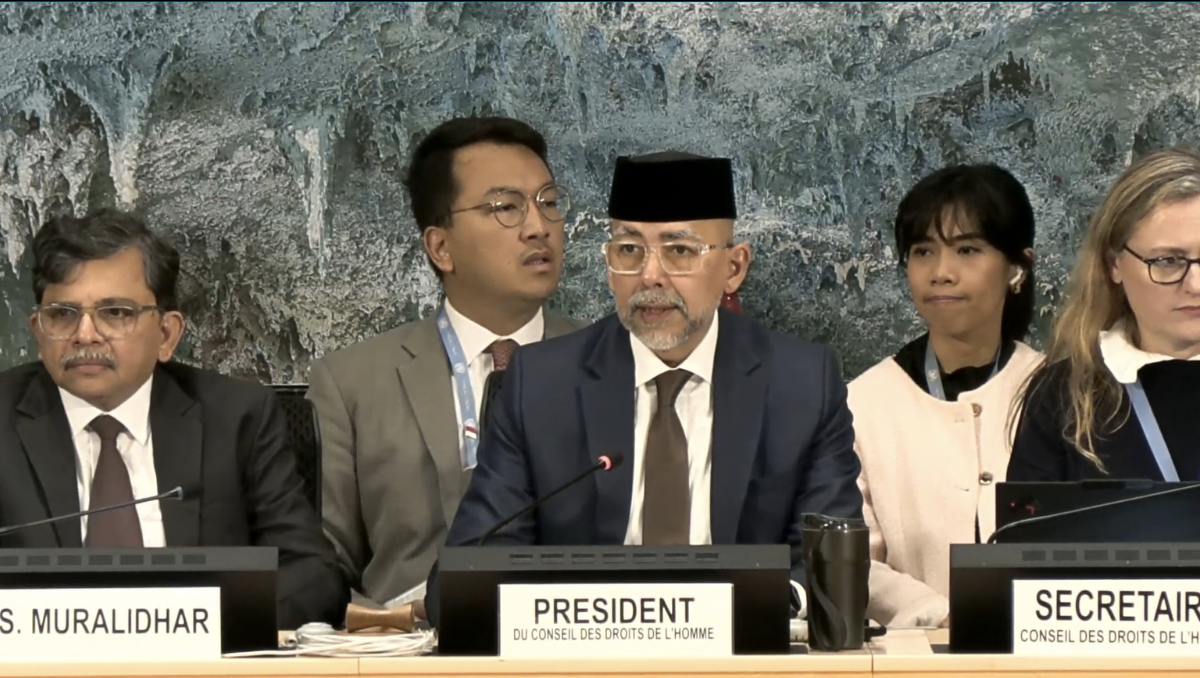
Settler Violence, Annexation with Complete Impunity in the OPT
15 and 16 June 2026
By Yassin Qanba /GICJ
The Independent International Commission of Inquiry on the Occupied Palestinian Territory, including East Jerusalem and Israel, presented its latest report which focused on the killing of civilians and the infliction of bodily and mental harm upon them by Israeli settlers in the West Bank, and Hamas and other armed groups in Gaza and the West Bank.
Multiple groups of States and individual delegations broadly condemned settler violence, expressed concern over a newly adopted and discriminatory death penalty law, and called for an end to the occupation. Several Western States condemned Hamas and called for its disarmament and for full implementation of the ceasefire. Some civil society organisations supported the Commission and urged accountability, while others contested its impartiality. Finally, the Commissioners urged States to move beyond concern and condemnation to concrete action.
Geneva International Centre for Justice (GICJ) is gravely worried by the atrocities documented in the Commission’s report and by the impunity that allows them to continue. GICJ is alarmed that this violence forms part of a wider system of domination. GICJ is concerned by the use of sexual violence to terrorise and displace Palestinian communities.
Read the full discussion report here.
Item 2: Interactive Dialogue on High Commissioner annual report
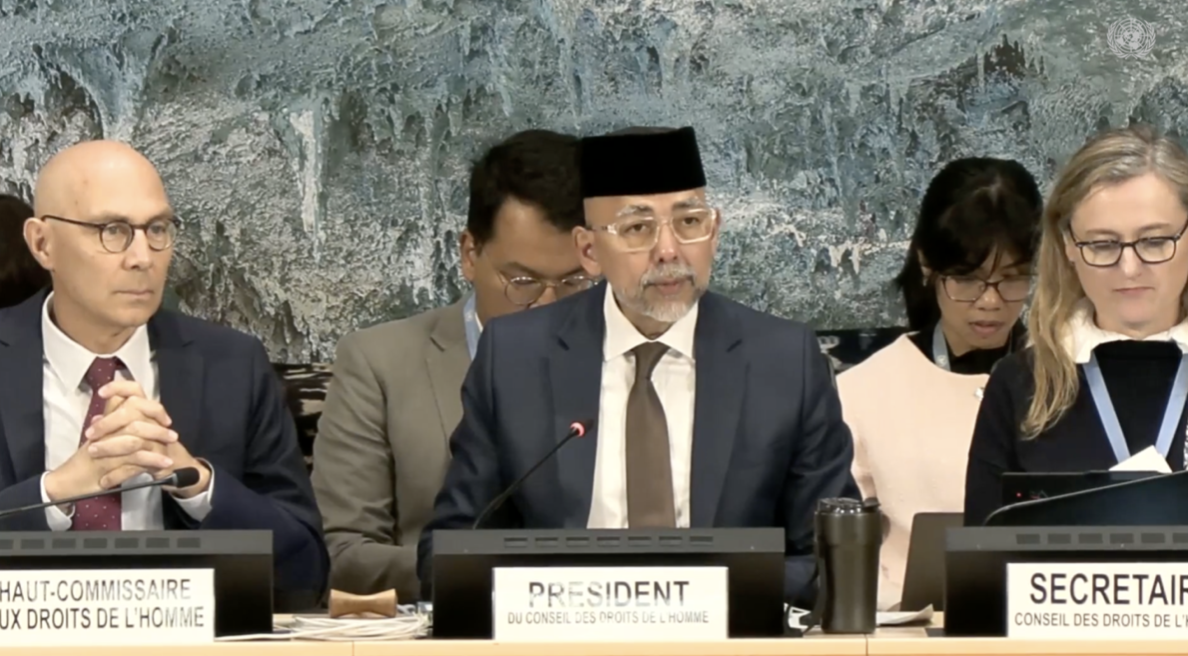
The UN Human Rights System is Running out of Money: Addressing the Global Financial Crisis and Threats to Human Rights Protection during HRC62
16 June 2026
By Rocío Gómez Rodríguez /GICJ
The 2026 Annual Report of the United Nations High Commissioner for Human Rights, covering July 2025 to March 2026, highlights a global landscape under "unprecedented strain" driven by escalating conflicts and deepening inequality. Alongside these challenges, a severe liquidity crisis has brought the UN human rights system to a near standstill: 30 weeks of sessions cancelled, country presences scaled back, and the Fund for Victims of Torture reduced by over 75 percent, thereby granting perpetrators greater space to act with impunity while denying victims timely access to justice and redress.
The Interactive Dialogue exposed deep divisions on the state of human rights. The European Union reaffirmed its support for the OHCHR, while the African Group, echoed by China, emphasised the need for a balanced approach between human rights and the right to development. Meanwhile, multiple delegations raised alarm over the liquidity crisis and spotlighted situations in Afghanistan, Sudan, Gaza, and Ukraine. Russia questioned the impartiality of the High Commissioner's mandate.
Geneva International Centre for Justice (GICJ) warns that the weakening of the human rights system is a structural threat and calls on Member States to ensure the UN human rights system is adequately funded and protected from political and financial pressures. GICJ stresses that the protection of human rights can ensure peace, security and development.
Read the full discussion report here.
Item 3: Interactive Dialogue with the Special Rapporteur on the Promotion and Protection of the Right to Freedom of Opinion and Expression
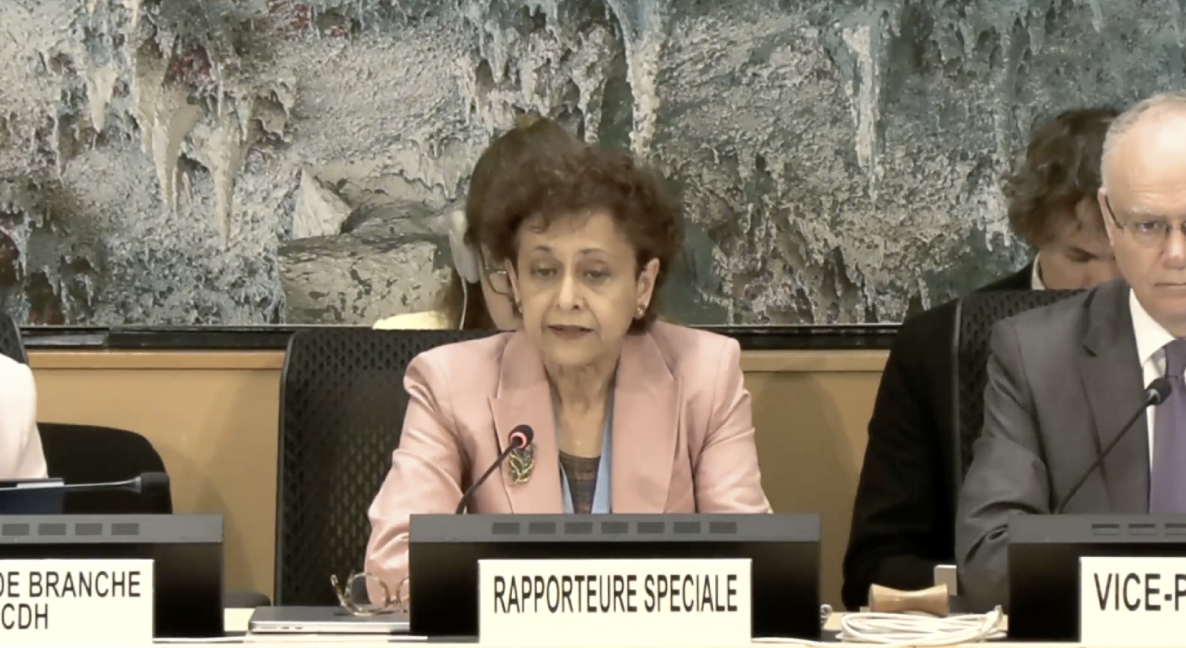
Freedom of Expression in the Digital Sphere: Ensuring Human Rights Protection Amid the Rise of Artificial Intelligence and Emerging Technologies
17 June 2026
By Evan Dolgoff /GICJ
During the UN Human Rights Interactive Dialogue with Special Rapporteur Irene Khan on freedom of expression in the digital age, Khan presented her report (A/HRC/62/67) warning that AI, digital surveillance technologies, and the concentration of power among governments and major tech companies pose serious threats to freedom of expression. She argued that innovation has outpaced governance frameworks indispensable for human rights protection and called AI's unchecked growth a crisis, remarking that "AI has run amok."
The report examined how recommendation algorithms, generative AI, and large-scale data collection shape public discourse, raising risks of bias, discrimination, information manipulation, and censorship. Khan called for human rights-centred AI regulation, greater algorithmic transparency, stronger safeguards against surveillance, and meaningful accountability for both states and corporations.
States and regional organisations broadly welcomed the report. The EU cited its Digital Services Act and AI Act as models. The African Group and Canada highlighted impacts on vulnerable groups and the importance of technological developments for inclusive processes. The Organisation of Islamic Cooperation and Afghanistan drew attention to journalists’ safety and severe restrictions on women in media. India and China pushed back, arguing the report reflected biases and interfered with domestic policy.
Geneva International Centre for Justice (GICJ) warns that digital technologies are increasingly used to restrict freedom of expression and concentrate power, threatening democratic governance and accountability. GICJ calls for human rights-compliant digital frameworks that are transparent, inclusive and protect civil society from surveillance and repression.
Read the full discussion report here.
Item 3: Interactive Dialogue with the UN Special Rapporteur on the Right to Education
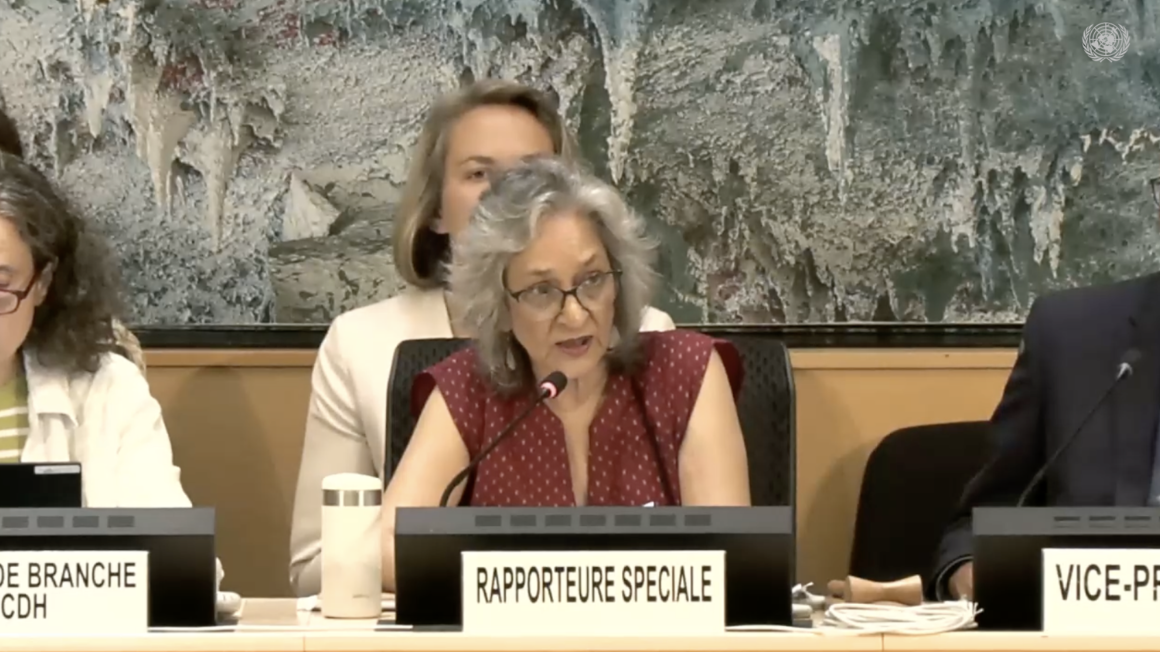
Reframing the Right to Education: From Access to Meaningful Learning and Participation
18 June 2026
By Rawan Al-Aqel /GICJ
The Human Rights Council held an Interactive Dialogue with the Special Rapporteur on the right to education, Ms. Farida Shaheed, examining her thematic report addressing curriculum, pedagogy, and assessment as an interdependent framework of the right to education. She expressed concern over excessive reliance on standardized testing and global ranking systems, which can narrow learning and deepen inequality, disproportionately affecting children living in poverty, children with disabilities, displaced learners, and linguistic minorities.
During her country visit to Hungary, the Special Rapporteur examined the segregation of Roma children, barriers faced by children with disabilities, and structural issues such as teacher shortages. In the interactive dialogue, multiple States and organizations supported the mandate and emphasized the need for inclusive, learner-centred education systems. Shaheed concluded by stressing the urgency of reducing reliance on high-stakes examinations, promoting formative assessment, and ensuring meaningful participation of children, families, and communities in shaping education systems.
Geneva International Centre for Justice (GICJ) welcomes the Special Rapporteur’s analysis and stresses the importance of education in ensuring equality, human dignity and inclusion and supports efforts to strengthen public education systems ensuring that vulnerable groups are not excluded from quality education. GICJ further calls for the protection of academic freedom and for an education system responsive to the needs of learners in a rapidly changing global context.
Read the full discussion report here.
Item 3: ID with the UN Special Rapporteur on Extrajudicial, Summary or Arbitrary Executions
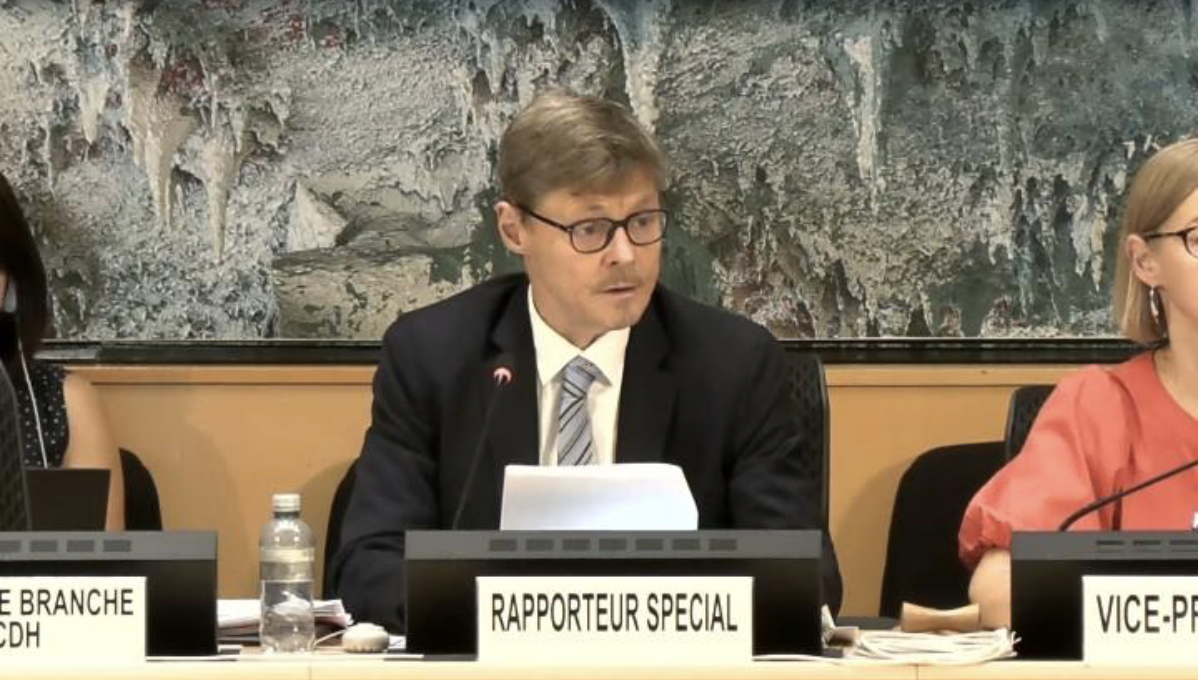
Examining the compatibility of capital punishment with the prohibition of torture
18 June 2026
By Melody Ugochi Nnaji /GICJ
Special Rapporteur Morris Tidball-Binz, in his thematic report argued that capital punishment is incompatible with both the prohibition of torture and the protection of human dignity. This is because suffering occurs throughout the entire process, from arrest and trial to detention on death row and execution. The report highlights the risks of coercion, unfair trials, discrimination, psychological harm and disproportionate impacts on vulnerable groups, and calls for moratoriums on executions and the eventual abolition of the death penalty. The Special Rapporteur also presented his findings from his 2025 visit to Lebanon, raising concerns about unlawful killings linked to Israeli military operations and urging stronger investigations, accountability, and access to truth, justice and reparations for victims and their families.
During the Interactive Dialogue, delegations expressed differing views reflecting the continuing divisions among States regarding the legality and legitimacy of capital punishment. Some echoed the Special Rapporteur’s position that no form of the death penalty can be humane, while others maintained that international law continues to permit the death penalty when applied under strict legal safeguards and due process guarantees.
Geneva International Centre for Justice (GICJ) welcomes the Special Rapporteur’s examination and shares his concern that capital punishment causes physical and psychological suffering throughout the entire process. GICJ also takes note of the findings from the visit to Lebanon and emphasises the importance of accountability and access to truth, justice and reparations for victims and their families. GICJ calls on States that retain the death penalty to take concrete steps towards its abolition.
Read the full discussion report here.
Item 3: Annual panel discussion on the adverse impacts of climate change on human rights - Facilitating actionable pathways for gaining momentum in climate financing
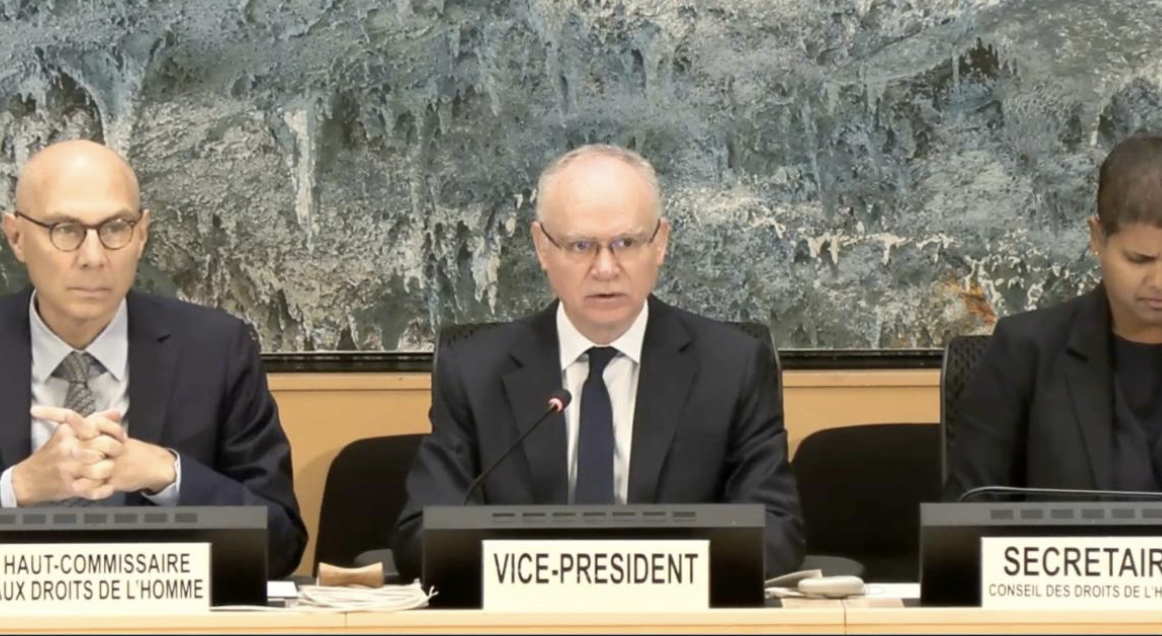
Climate Finance as a Binding Human Rights Obligation: Turning the ICJ Advisory Opinion into Adequate, Equitable and Accountable Finance for Those on the Frontline
19 June 2026
By Sümeyye Saraç /GICJ
The annual panel discussion on the adverse impacts of climate change on human rights focused on climate finance. Speakers argued that, following the International Court of Justice’s Advisory Opinion of 23 July 2025, the provision of climate finance constitutes a binding obligation under international law. The discussion called for a shift from loans to grants, reform of the international financial system, an end to fossil fuel subsidies, taxation of polluters, debt relief, and direct access to finance for affected communities.
During the Interactive Dialogue, speakers emphasised that climate change threatens human rights and requires equitable, rights-based finance. They highlighted the disproportionate impacts on LDCs, SIDS, Indigenous Peoples, women and marginalized communities. They also criticised debt-creating loans and inadequate access to finance, and called for grants, loss and damage funding, fossil fuel subsidy reform, direct access for local actors, accountability and inclusive decision-making.
Geneva International Centre for Justice (GICJ) shares the concern that vast sums continue to flow to fossil fuel industries, while only a small fraction reaches the communities facing the gravest impacts. GICJ maintains that a human rights-based approach must guide all climate finance, including through reform of the international financial system so that resources are directed towards social protection, health, education and the right to development. Standing with the States, peoples and communities that have long borne the costs of a crisis they did not create, GICJ urges the Human Rights Council and its Member States to translate the ICJ Advisory Opinion from principle into practice.
Read the full discussion report here.
Item 3: ID with the Special Rapporteur on the Human Rights of Migrants
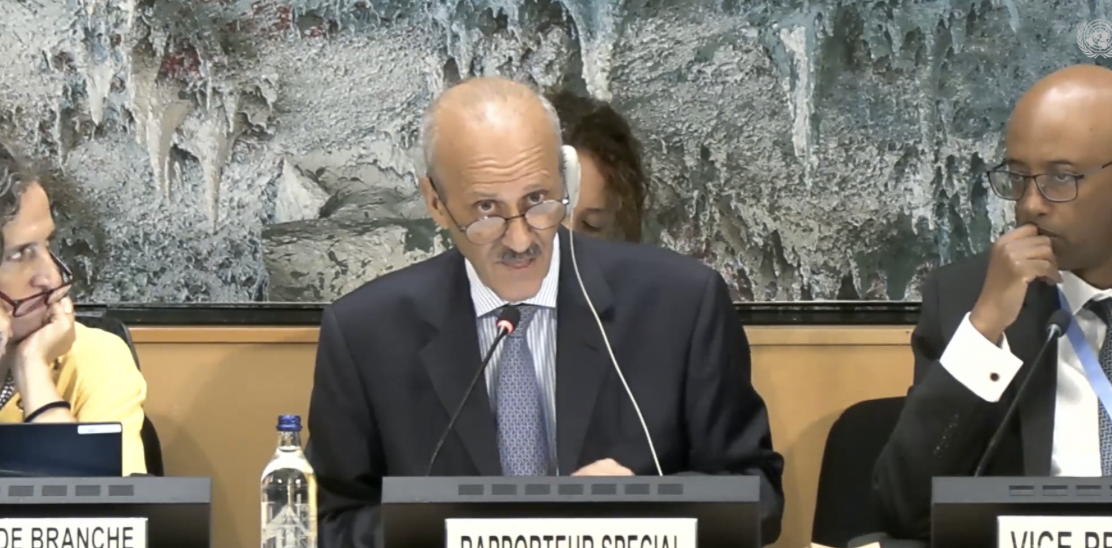
Externalisation of Migration Governance and the Human Rights of f: An Interactive Dialogue with Special Rapporteur Gehad Madi
22 June 2026
By Danila Pulinets / GICJ
The Special Rapporteur on the Human Rights of Migrants, Gehad Madi, presented an alarming global picture in his thematic report, warning that states are increasingly shifting responsibility for migration and asylum management to third countries. This practice has contributed to a wide range of human rights violations. During his country visit to Mauritania, he acknowledged the country’s openness to refugees, but also identified mass expulsions without individualised assessments, arbitrary detention, the confiscation of identity documents, and discrimination against sub-Saharan African migrants.
Several delegations expressed deep concern about the proliferation of externalisation policies and their incompatibility with international human rights and refugee law. The European Union and Italy adopted a more qualified position, arguing that cooperation agreements may remain consistent with legal obligations when accompanied by appropriate safeguards.
Geneva International Centre for Justice (GICJ) shares these concerns regarding migration externalisation and the view that states cannot outsource their human rights obligations. GICJ also warns against the use of digital surveillance and biometric technologies in migration management without adequate legal safeguards. It calls on States to uphold their obligations under international human rights and refugee law.
Read the full discussion report here.
Item 3: ID with SR on Trafficking in persons, especially women and children
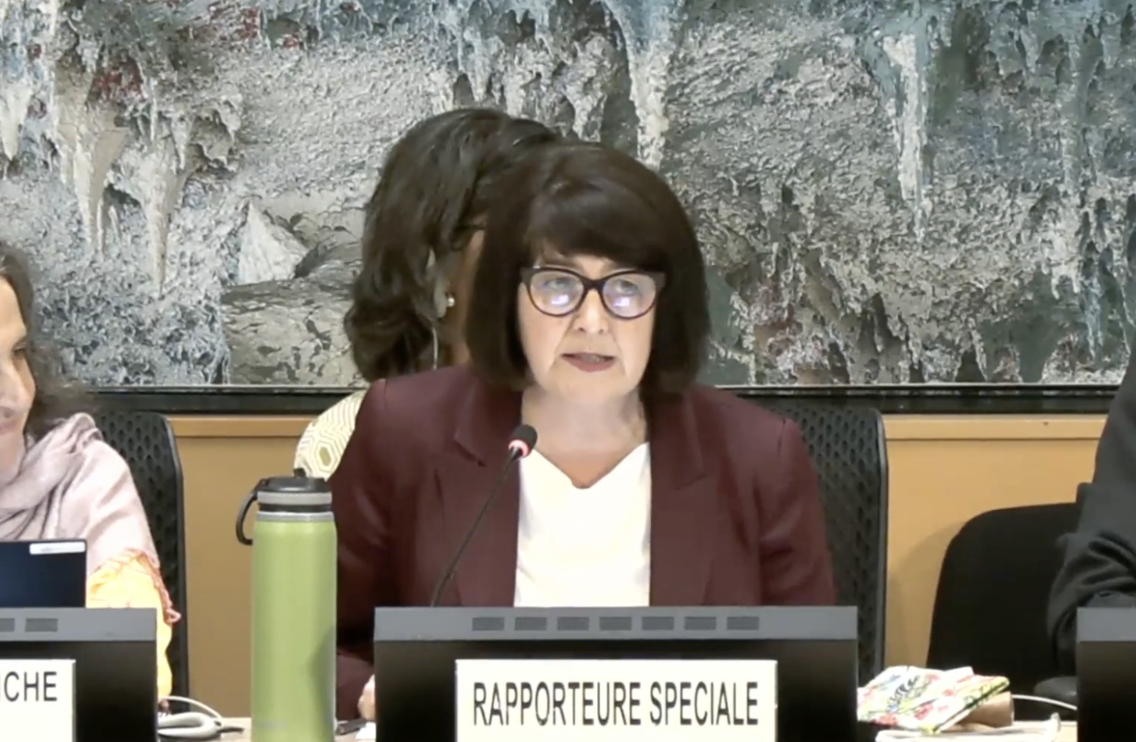
Human Rights at the Heart: Confronting Human Trafficking in a Changing World
22 June 2026
By Patricia Jjuuko /GICJ
On 22 June 2026, during its 62nd session, the Human Rights Council held an Interactive Dialogue with Ms. Siobhán Mullally, Special Rapporteur on trafficking in persons, especially women and children. The dialogue focused on the reports of the country visits to the Republic of Chad and the Democratic Republic of Congo (DRC).
The Special Rapporteur highlighted persistent gaps in prevention, protection, and access to justice for trafficking victims, driven structural and policy failures; and that insufficient humanitarian funding has further weakened protection systems, increasing the exposure to trafficking.
With respect to the DRC, the Rapporteur found that conflict-related trafficking has intensified amid persistent insecurity, weak rule of law, corruption, illicit mining, gender inequality, and widespread impunity. She called for stronger accountability, victim-centred justice, and concerted efforts to address the root causes of conflict and illicit resource exploitation.
Regarding Chad, the Rapporteur acknowledged the country's long-standing commitment to hosting refugees while highlighting the immense pressure created by ongoing surrounding causes that undermine prevention and accountability. Siobhán urges stronger implementation of anti-trafficking laws, improved birth registration to reduce statelessness, greater protection for refugees and migrants, sustained humanitarian funding, and enhanced international cooperation.
During the ensuing discussion, delegations broadly agreed that human trafficking constitutes a serious violation of human rights requiring strengthened international cooperation, accountability and victim centered protection.
Geneva International Centre for Justice (GICJ) welcomes the Special Rapporteur's emphasis on the structural drivers of trafficking in persons and reiterates that effective responses must go beyond criminal justice measures to address the underlying conditions that enable exploitation. GICJ calls on States to strengthen prevention, victim protection, and access to justice, particularly in conflict-affected settings, humanitarian crises, migration contexts, and informal labour sectors.
Read the full discussion report here.
Item 3: ID with SR on Violence Against Women and Girls
The Price of Motherhood: Violence, Discrimination, and the Undervaluation of Motherhood
22 June 2026
By Martina Galiazzo /GICJ
On June 22, 2026 an Interactive Dialogue was held with the SR, Ms. Reem Alsalem. First, Alsalem presented her report, which examines violence and discrimination faced by women and girls worldwide due to their status as mothers, and the connection to other grounds of discrimination. Stating that, motherhood and giving birth involves profound biological and psychological changes and therefore needs special protection and concrete measures.
Additionally, the SR addressed the situation of violence against women and girls in Kuwait, and the legal and institutional measures for the prevention of this violence.
Following this introduction, the representative of the State of Kuwait expressed his willingness to work together with the Special Rapporteur, however underlining the need to take into consideration the specific realities of the involved States.
Finally, participating states had the opportunity to express their opinions and questions regarding the report and the work of the Special Rapporteur.
Geneva International Centre for Justice (GICJ) urges States to implement measures that address the unique risks these women and girls with overlapping vulnerabilities face. Additionally, GICJ advocates for victims of violence in conflicts and calls on States and non-State actors to hold perpetrators accountable, acknowledge and counter obstetric and reproductive violence. Efforts should also promote the dignity, equality, and human rights of all women and girls without discrimination.
Read the full discussion report here.
Item 3: ID with the United Nations Special Rapporteur on the Rights to Freedom of Peaceful Assembly and of Association
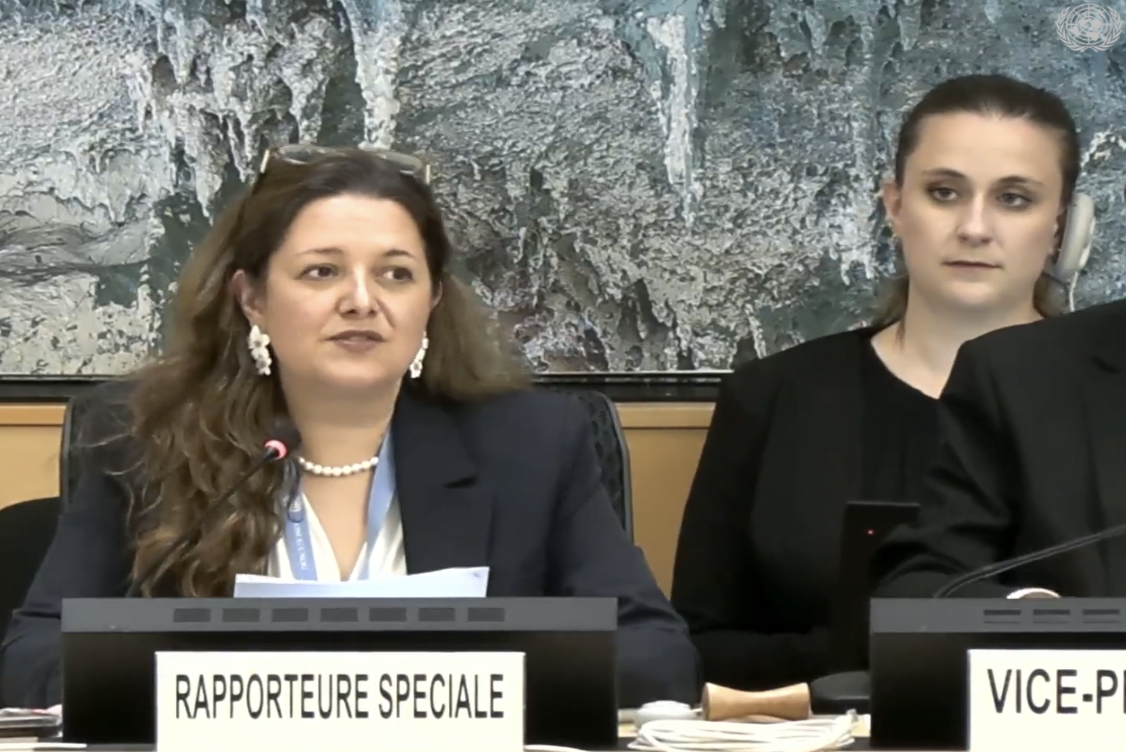
On the State’s Radar: Digital Surveillance and Its Chilling Effects on the Freedom of Peaceful Assembly and Association
23 June 2026
By Tanushree Ghosh /GICJ
On 23 June 2026, the SR on the rights to freedom of peaceful assembly and of association, Ms Gina Romero presented her report on the chilling effects of intrusive digital surveillance on the exercise of civil and political rights, particularly the rights to peaceful assembly and association. By documenting lived experiences, the Report not only draws attention to the compounded harms arising from indiscriminate digital surveillance but also urges States to take coordinated action to address these human rights concerns.
Following this, representatives of Member States and NGOs acknowledged that a shrinking civic space poses unprecedented threats to democracies across the globe. However, it was noted that rapid digital technology developments often necessitate broader domestic regulatory frameworks, potentially leading to unregulated technologies or unreasonable restrictions on individual rights.
Geneva International Centre for Justice (GICJ) expresses deep concern over the unregulated and indiscriminate use of emerging digital technologies by States to monitor individuals under the pretext of strengthening national security, preventing crime and maintaining public order. GICJ emphasises that these repressive measures interfere with the civil and political rights guaranteed to individuals under the ICCPR and urges member states to implement the recommendations issued by the SR and to take urgent action to ensure that surveillance practices are consistent with their obligations under international human rights law.
Read the full discussion report here.
Item 3: Annual Discussion on Women's Rights
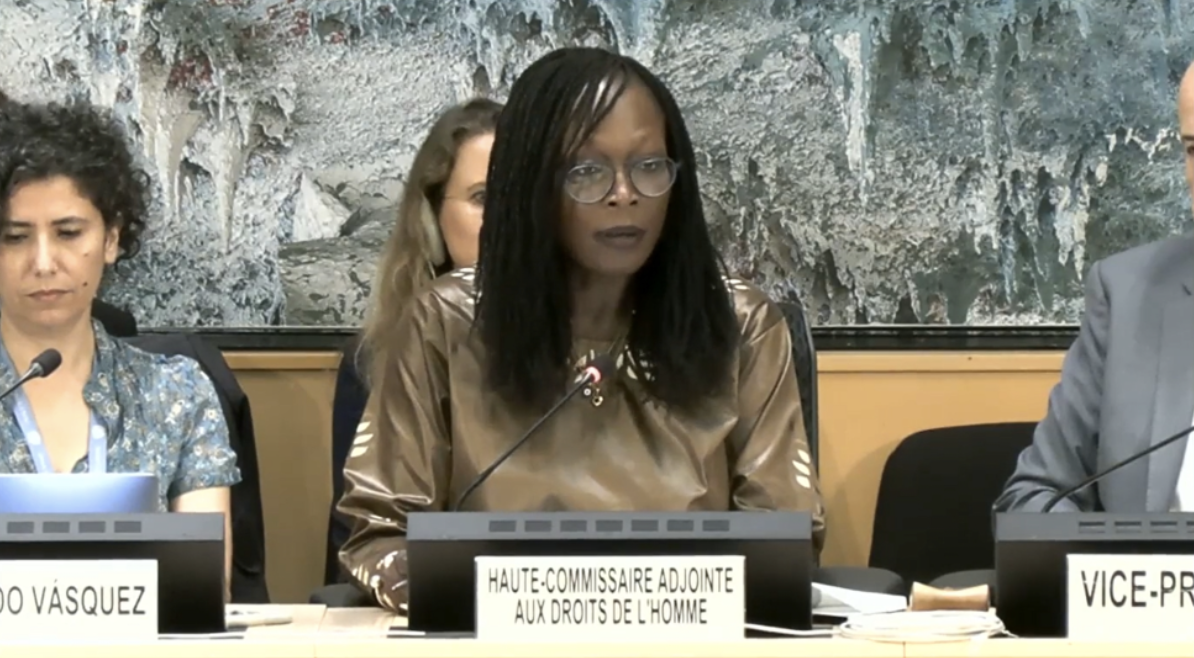
Putting Survivors First: Deputy High Commissioner for Human Rights Awa Dabo Affirms That Survivor-Centred Protection, Accessible Services and Effective Justice Are Essential to Ending Violence Against Women and Girls
24 June 2026
By Javaria Qadir /GICJ
The discussion on the human rights of women addressed domestic violence against women and girls and examined women's rights to work and their equal participation in leadership and decision-making.
The first panel underscored that domestic violence remains one of the most widespread and persistent human rights violations affecting women and girls worldwide and highlighted the need for stronger legal frameworks, accessible justice, survivor-centred protection and better coordination among national institutions. Speakers also observed the implications of cultural practices, religious traditions and Artificial intelligence in preventing women and girls from their rights.
The second panel discussed the structural barriers limiting women’s participation in diplomacy and leadership, including gender stereotypes, unequal pay, and limited career advancement. Addressing these barriers is crucial for creating an enabling environment for women’s full participation in leadership and decision-making.
Geneva International Centre for Justice calls upon States, international organisations, civil society and all stakeholders to share good practices and work collectively to advance and protect the rights of women and girls worldwide and recognises the vital contribution of women to diplomacy, governance, peacebuilding and decision-making processes worldwide.
However, GICJ stresses that meaningful progress requires more than the adoption of policies. States must translate their commitments into effective implementation through concrete action, adequate resources and strong accountability mechanisms.
Read the full discussion report here.
Item 3: ID with WG on Discrimination Against Women and Girls
The Working Group on the Discrimination of Women and Girls Calls for the Gender Responsive and Human Rights-Centred Regulation of Artificial Intelligence and Related Digital Technologies.
24 - 25 June 2026
By Pia Mullen /GICJ
The Interactive Dialogue first centred around the report by the WG on its visit to Zimbabwe from 28 July to 8 August 2025. Here the WG mentioned Zimbabwe’s constitutional commitment to eradicate gender discrimination, however, remained concerned by weak enforcement, lack of resources and historically entrenched patriarchal norms.
The Interactive Dialogue that followed was focused on the report by the WG on the effects of Artificial Intelligence on women and girls through lethal autonomous weapons, environmental costs, technology facilitated gender violence and mass surveillance.
Interventions pointed out that Artificial Intelligence and digital technology governance must be accountable, transparent, inclusive and non-discriminatory for its opportunities for women and girls to be realised.
Geneva International Centre for Justice (GICJ) urges the international community to adopt a transformative, gender responsive approach both to AI development and AI regulation with an emphasis on women’s participation. It also calls for multilateral cooperation to establish a strict legal framework which criminalises digital gender based violence in relation to AI intimate image abuse, deepfakes and mass surveillance. This framework must be sure to account for the intersectional discrimination of women and girls.
Read the full discussion report here.
Item 3: ID with SR on judges and lawyers
The Special Rapporteur on the Independence of Judges Proposes Principles for the Appointment Procedures in the Justice System to Counter Increasing Lack of Public Trust and Confidence in the Judiciary
25 June 2026
By Marie Mink /GICJ
The Interactive Dialogue with Ms Margaret Satterthwaite, the SR on the independence of judges and lawyers, was centred around the importance of introducing minimum guidelines for safeguarding judicial appointments in the face of growing threats to the independence of the judiciary, the right to a fair trial and equality before the law. Additionally, Ms Satterthwaite issues a pertinent warning regarding the systematic undermining of judiciary independence.
Following this, the representatives of Guatemala, groups of states, civil society organisations and other relevant delegations stressed the importance of an independent and impartial judiciary. They asked the SR to point out, among other things, good practices for protecting lawyers from judicial harassment and for avoiding undue political influence in judicial appointments.
Geneva International Centre for Justice (GICJ) urges states to critically examine judicial appointment systems, to uphold the right to a fair trial and the rule of law, in line with the principles set out in the SR's thematic report, ensuring transparency, merit, and non-discrimination.
GICJ further calls on States to prohibit and remedy the instrumentalisation of criminal, civil, and administrative proceedings against those exercising fundamental freedoms. GICJ urges the international community and the HRC to treat attacks on judicial independence not as isolated institutional defects but as warning signs of broader deterioration in upholding democracy and the enjoyment of human rights.
Read the full discussion report here.
Item 3: ID with the United Nations Special Rapporteur on the Internally Displaced Persons (IDPs)
The Growing Crisis of Internal Displacement: Addressing Protection Gaps, Human Rights Violations, and Durable Solutions in Contemporary Armed Conflicts
25 June 2026
By Clara Choucair /GICJ
Paula Gaviria Betancur, Special Rapporteur on the human rights of internally displaced persons, presented her report (A/HRC/62/47), alongside the findings of her 2025 visit to the Democratic Republic of the Congo (A/HRC/62/47/Add.1). The report highlights violations of international humanitarian law and international human rights law as a primary cause of the global increase in internal displacement. It further examines the protection of civilians and civilian infrastructure during armed conflict, as well as the persistent accountability gap, particularly due to limited access to conflict areas and a lack of cooperation by parties to the conflict. The report also calls for stronger national legal and institutional frameworks and respect for housing and land rights.
The Interactive Dialogue broadly welcomed the report. Member States, United Nations entities, civil society organisations, and national human rights institutions drew attention to several displacement crises, including those in the Democratic Republic of the Congo, Gaza, Lebanon, Sudan, Ukraine, Myanmar, and Colombia.
The Geneva International Centre for Justice (GICJ) is concerned about the unprecedented increase in the number of internally displaced persons worldwide and calls on all parties to armed conflicts to fully comply with their obligations. GICJ further stresses the need for States to strengthen domestic legal frameworks and combat impunity by prosecuting those responsible for displacement.
Read the full discussion report here.
Item 4: ID on High Commissioner report on Venezuela
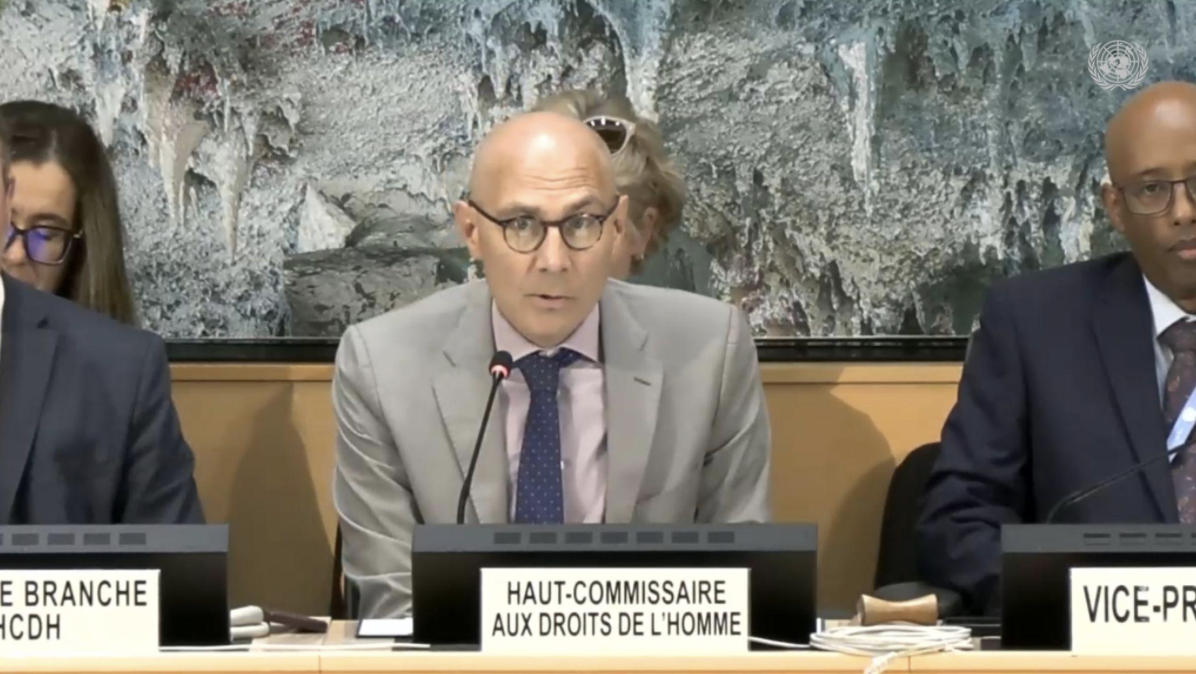
Interactive Dialogue on the Comprehensive Report of the High Commissioner on the Situation of Human Rights in the Bolivarian Republic of Venezuela
26 and 29 June 2026
By Alicja Lanocha /GICJ
The High Commissioner for Human Rights, Mr. Volker Türk, presented his report during the Interactive Dialogue, acknowledging positive developments such as the release process for arbitrarily detained persons, the adoption of the Amnesty Law for Democratic Coexistence, and the gradual resumption of cooperation between Venezuelan authorities and the Office of the High Commissioner for Human Rights (OHCHR). However, he stressed that the institutional structures enabling human rights violations remain intact.
During the dialogue, most delegations welcomed the resumption of cooperation with the OHCHR and the release of some detainees while calling for the release of all remaining arbitrarily detained persons, alongside judicial and security sector reforms. Other delegations condemned recent military intervention, emphasizing the importance of non-interference and sovereignty, and called for continued technical cooperation and the lifting of unilateral sanctions.
Geneva International Centre for Justice (GICJ) remains deeply concerned by the erosion of the rule of law, the lack of accountability, and the persistence of arbitrary detention. GICJ also notes the ongoing humanitarian and economic crises, which have been further exacerbated by recent devastating earthquakes and have heavily impacted Indigenous peoples. GICJ calls on Venezuelan authorities to fully implement the recommendations of the High Commissioner for Human Rights, ensure the release of all arbitrarily detained persons, strengthen judicial independence, and guarantee accountability for violations.
Read the full discussion report here.
Item 4: Enhanced ID on oral update of Commission of Inquiry on North Kivu and South Kivu Provinces of the Democratic Republic of the Congo
The DRC: Ongoing Violations Need Sustained Attention
29 June 2026
By Nandini Gupta /GICJ
The Enhanced Interactive Dialogue was held with the Independent Commission of Inquiry (COI) to deliberate on the human rights situation in the North and South Kivu provinces of the Democratic Republic of the Congo (DRC). The Chairperson of the COI, Mr. Arnauld Akodjenou, presented an oral update during the meeting and highlighted having received “deeply troubling accounts” of human rights violations.
Representatives of States and Non-Governmental Organisations (NGOs) took part in the interactive dialogue, broadly expressing alarm at the gravity of the crisis. States condemned abuses against civilians, especially women and children. Civil society actors reinforced concerns about torture, arbitrary detention, conflict-related sexual violence, attacks on human rights defenders, and the situation of indigenous Batwa communities. A common message echoed across the meeting: civilians in eastern DRC need protection, humanitarian access, and sustained international attention.
Geneva International Centre for Justice (GICJ) welcomes the oral update by the COI on the human rights situation in the North and South Kivu regions. GICJ recommends all parties exercising control over the affected territory to undertake safe and unhindered humanitarian access of all civilians, guarantee the protection of all victims and cooperate with the COI’s fact finding and evidence-preservation mandate.
Read the full discussion report here.
Item 9: ID with SR on Racism
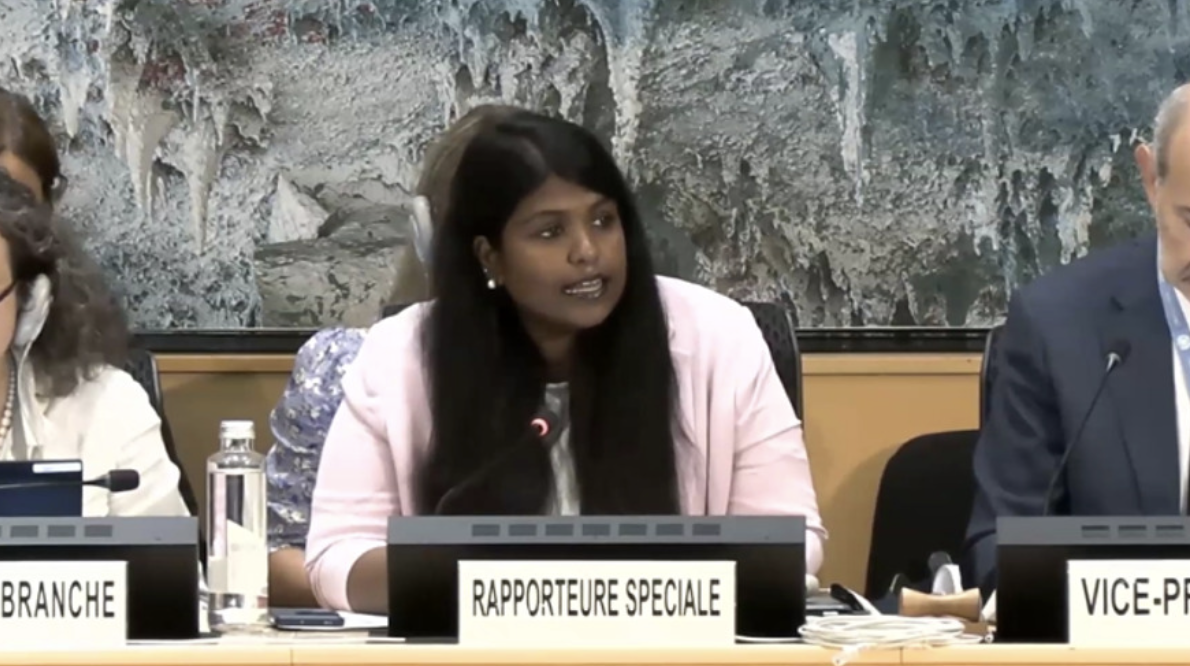
Confronting Structural Racism Beyond Legal Commitments
2 July 2026
By Elina Riznic /GICJ
The Interactive Dialogue held with Ms Ashwini K.P., the Special Rapporteur (SR) on contemporary forms of racism, racial discrimination, xenophobia and related intolerance, addressed racism as an issue that remains deeply embedded in social institutions. It included the presentation of a report by the SR, highlighting persistent and systemic forms of racism affecting racialised and ethnic minorities, alongside the findings of the official visit to Austria.
Throughout the dialogue, Member States broadly welcomed the Special Rapporteur's report and reaffirmed their commitment to implementing the International Convention on the Elimination of All Forms of Racial Discrimination (ICERD). Regional organisations and groups emphasised that racism continues to evolve through new manifestations, including online hate speech, artificial intelligence, algorithmic bias, racial profiling and growing political polarisation. Additionally, Non-Governmental Organisations highlighted the need for greater recognition of historical injustices, stronger safeguards against discrimination and more effective implementation of international human rights standards.
Geneva International Centre for Justice (GICJ) welcomes the SR’s comprehensive assessment of all forms of racism as outlined in the report. GICJ strongly condemns all forms of racism, racial discrimination, xenophobia, and related intolerance which continue to undermine the fundamental principles of equality, dignity, and non-discrimination. It further calls on all States to strengthen national legislation, ensure effective implementation of anti-discrimination measures and adopt comprehensive policies to address racism in education, employment, healthcare, housing and law enforcement.
Read the full discussion report here
Item 9: Biennial Panel on Technical Cooperation
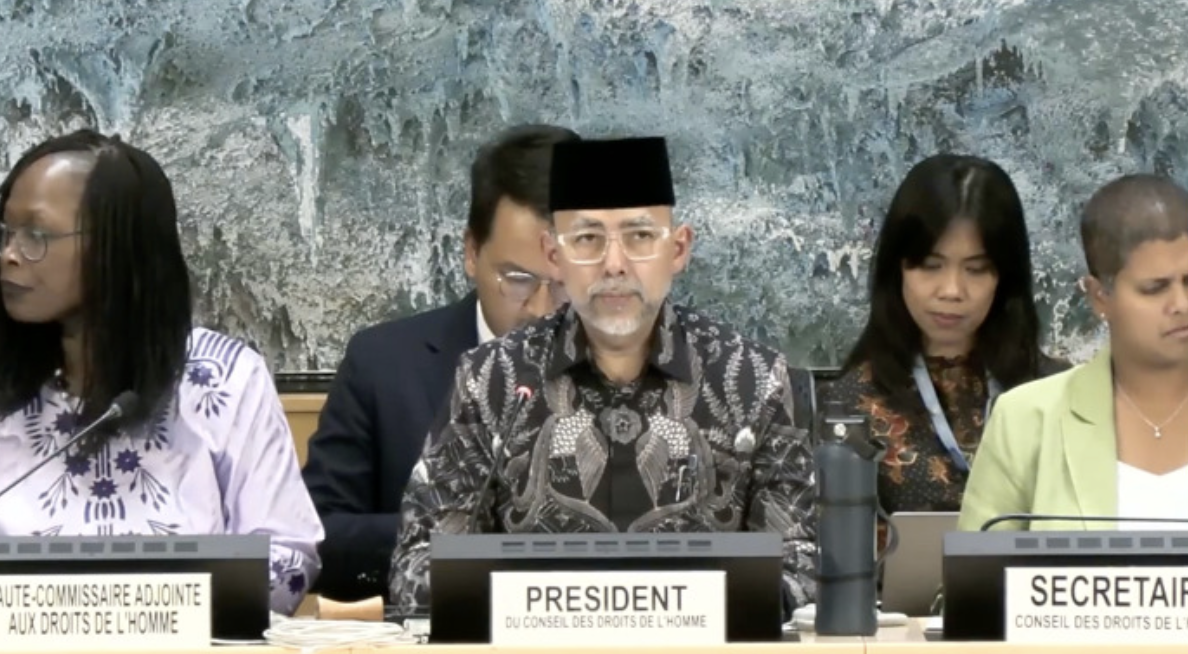
Strengthening Technical Cooperation in a Time of Global Health Crises
2 July 2026
By Jamelia Nampijja Sztuchlik /GICJ
The Human Rights Council conducted its biennial thematic panel discussion on technical cooperation and capacity-building on issues impairing the right to health. The panellists emphasised that technical cooperation is essential for translating the right to health into practice and is particularly effective when grounded in national ownership, aligned with country priorities, and responsive to community needs. They stressed that capacity-building must strengthen health systems, promote equity and access, and ensure that no one is left behind.
During the Interactive Dialogue, Member States and regional groups reaffirmed the importance of international cooperation and technical assistance in achieving universal health coverage and strengthening resilient, inclusive health systems. Civil society actors highlighted that shrinking health budgets and declining international assistance are worsening inequalities and limiting access to essential services. The importance of integrating human rights into health financing, governance, and service delivery, while safeguarding essential services amid fiscal constraints, conflicts, climate change, and health emergencies emerged as a recurring theme.
Geneva International Centre for Justice (GICJ) welcomes the convening of the biennial panel on technical cooperation and capacity-building. GICJ recognises the significance of ongoing dialogue about the role of international cooperation in advancing the right to health. However, it notes that technical cooperation cannot serve as a substitute for legal and political responsibility where States or other actors are implicated in systemic harm. Therefore, GICJ calls on the Human Rights Council to move beyond merely descriptive reaffirmations towards a more decisive and rights-focused operational framework for technical cooperation.
Read the full discussion report here
Item 9: ID on Oral Presentation of HC on Ukraine
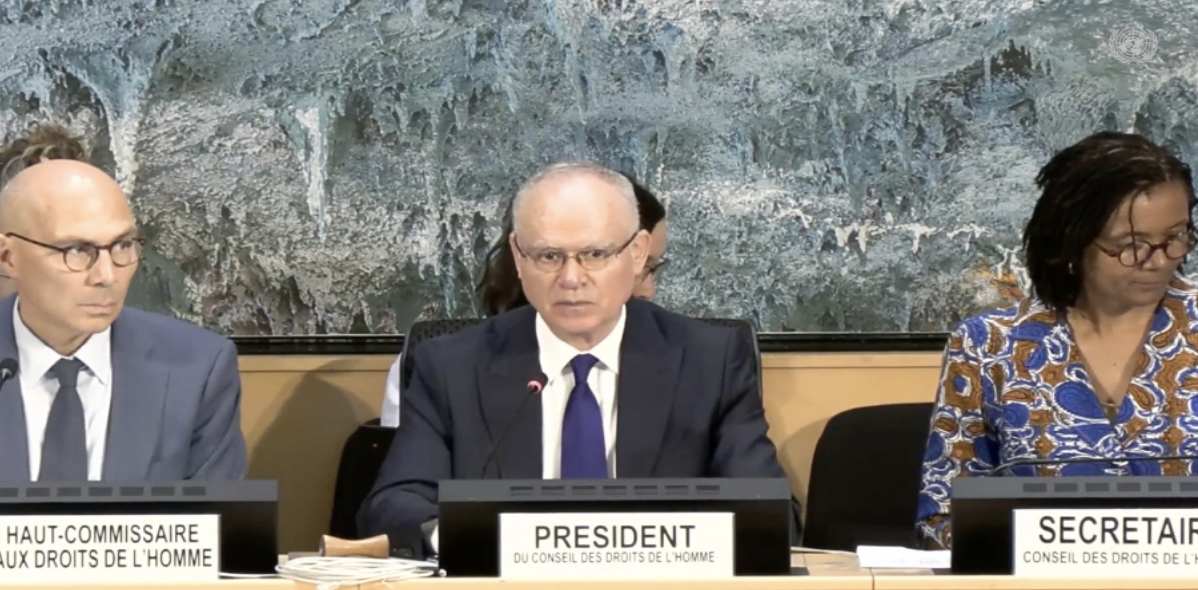
Russia’s Empty Seat: Pursuing Justice for Ukraine
3 July 2026
By Marina Timbalari /GICJ
As part of the Interactive Dialogue, the UN High Commissioner for Human Rights Volker Türk, presented an oral update on the human rights situation in Ukraine, alongside the Secretary-General’s interim report on the situation in the temporarily occupied territories of Ukraine. The presentation of these findings was followed by an Interactive Dialogue. Representatives of Member States and Non-Governmental Organisations participating in the dialogue acknowledged that the systematic nature of these violations poses unprecedented threats to the international human rights framework.
To address the tension between documenting these severe violations and the need to ensure diplomatic progress, Member States were urged to ensure that human rights remain a guiding framework for any future peace negotiations. Recommendations issued by the High Commissioner and supported by various delegations include the immediate restoration of unhindered access for independent monitors to all temporarily occupied territories, the cessation of indoctrination and forced conscription practices and the prioritisation of victim-centred justice.
Geneva International Centre for Justice (GICJ) unequivocally condemns Russia’s war of aggression against Ukraine as a violation of international law and the UN Charter. GICJ strongly condemns the forced transfer and illegal deportation of Ukrainian children, the forced imposition of Russian citizenship, and the systematic indoctrination of youth through militarised education. Furthermore, it firmly advocates for a human rights-based approach to peace, maintaining that any lasting resolution must be grounded in the rule of law.
Read the full discussion report here
Item 9: ID on OHCHR Report on Technical Assistance in South Sudan
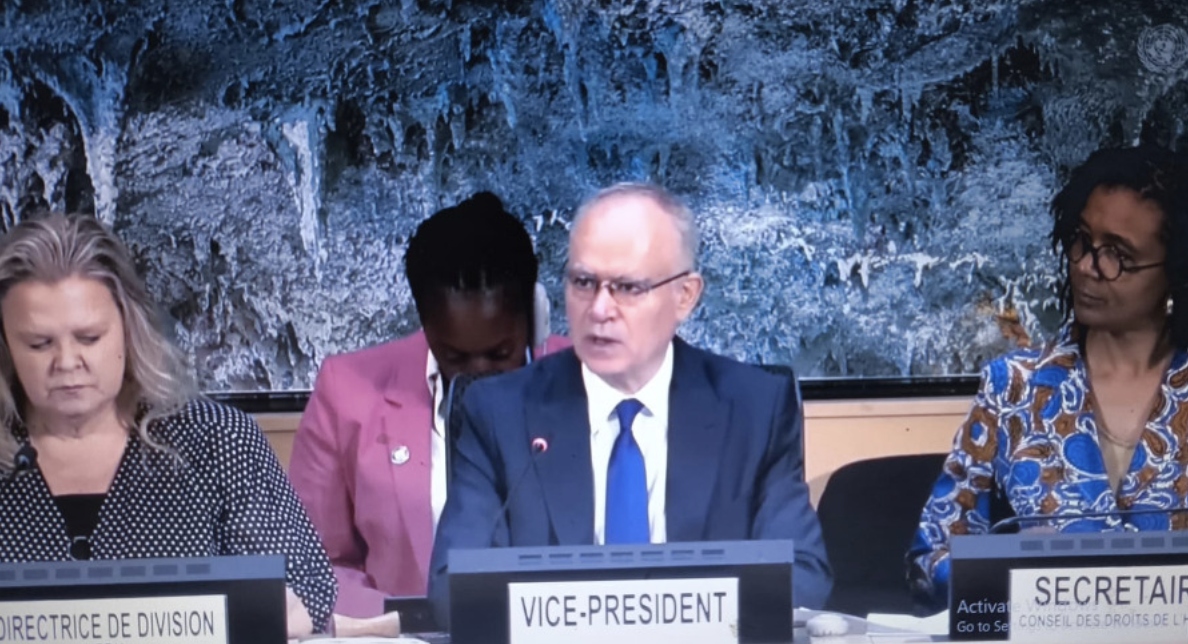
South Sudan - Continued Violations and Stalled Accountability
3 July 2026
By Mohammed Hindawi /GICJ
The United Nations High Commissioner for Human Rights presented a report (A/HRC/62/57), revealing a sharp and continuous deterioration of the human rights situation in the Republic of South Sudan. Although a transitional government exists, military tensions in South Sudan have been escalating. It has been reported that civilians continue to be targeted indiscriminately and conflict-related sexual violence remain widespread. Access to justice has also been limited due to structural weaknesses in formal court systems.
During the Interactive Dialogue, the majority of the Member states agreed on the importance of continued technical assistance and capacity building, although their approaches varied. Some emphasised linking support to accountability and political will, while others called for respect for national sovereignty and government priorities. Human rights organisations and civil society institutions called for the strengthening of independent international monitoring mechanisms, alongside the impending need to bolster technical support.
Geneva International Centre for Justice (GICJ) expresses concern over the deteriorating human rights situation in South Sudan. GICJ notes that continued impunity is at the heart of the human rights situation in the country. Accordingly, GICJ calls for the immediate establishment of a hybrid court, linking international support to tangible progress indicators in the area of accountability. GICJ further stresses that the path to sustainable peace in South Sudan inevitably leads through justice.
Read the full discussion report here.
The 62nd Session of the United Nations HRC brought together discussions on many of the most pressing human rights challenges that the international community is currently facing. Throughout the session, the Council addressed the impact on human rights of the ongoing armed conflicts, including the protection of civilians, accountability for violations of international human rights and humanitarian law, and the increasing challenges faced by women, children and other vulnerable groups. The Council also examined emerging issues such as climate change, artificial intelligence and disinformation, reflecting the evolving nature of global human rights concerns and the need for continued international cooperation.
Particular attention was given to the situations in Sudan, Palestine, Myanmar, the Democratic Republic of the Congo, Venezuela and Belarus. Discussions also focused on the protection of healthcare and humanitarian personnel, the right to education, discrimination against women and girls, and efforts to combat racism and racial discrimination. Together, these discussions demonstrated the breadth of the Council’s work and the importance of addressing both long-standing and emerging human rights challenges.
The adoption of resolutions, the appointment of new mandate holders, and the conclusion of numerous Interactive Dialogues, panel discussions and the Universal Periodic Review outcome adoptions reflected the Council’s continued efforts to address human rights concerns through dialogue and international cooperation. At the same time, many of the discussions highlighted that meaningful progress depends not only on international commitments but also on their effective implementation by Member States.
As the session concluded, it was evident that many of the situations discussed continue to require sustained international attention and cooperation. The HRC remains an important forum for dialogue, the exchange of perspectives and the promotion of accountability. Continued engagement by Member States, United Nations mechanisms, civil society organisations and other relevant actors will remain essential to advancing the protection and promotion of human rights and strengthening respect for international law.
GICJ would like to extend its thanks and appreciation to its collaborators, including interns and volunteers, for their hard work during the session. Participating at the Human Rights Council and other UN bodies is a big honour and responsibility, as well as a great learning opportunity, given the significant amount of work delivered by everyone involved.
For those interested in human rights and GICJ activities, we encourage you to look into the work of our collaborators, which includes written reports and oral statements. If you want to join our team and contribute to the work of the organisation, you can write to
Click on the image below to read about our collaborators!!
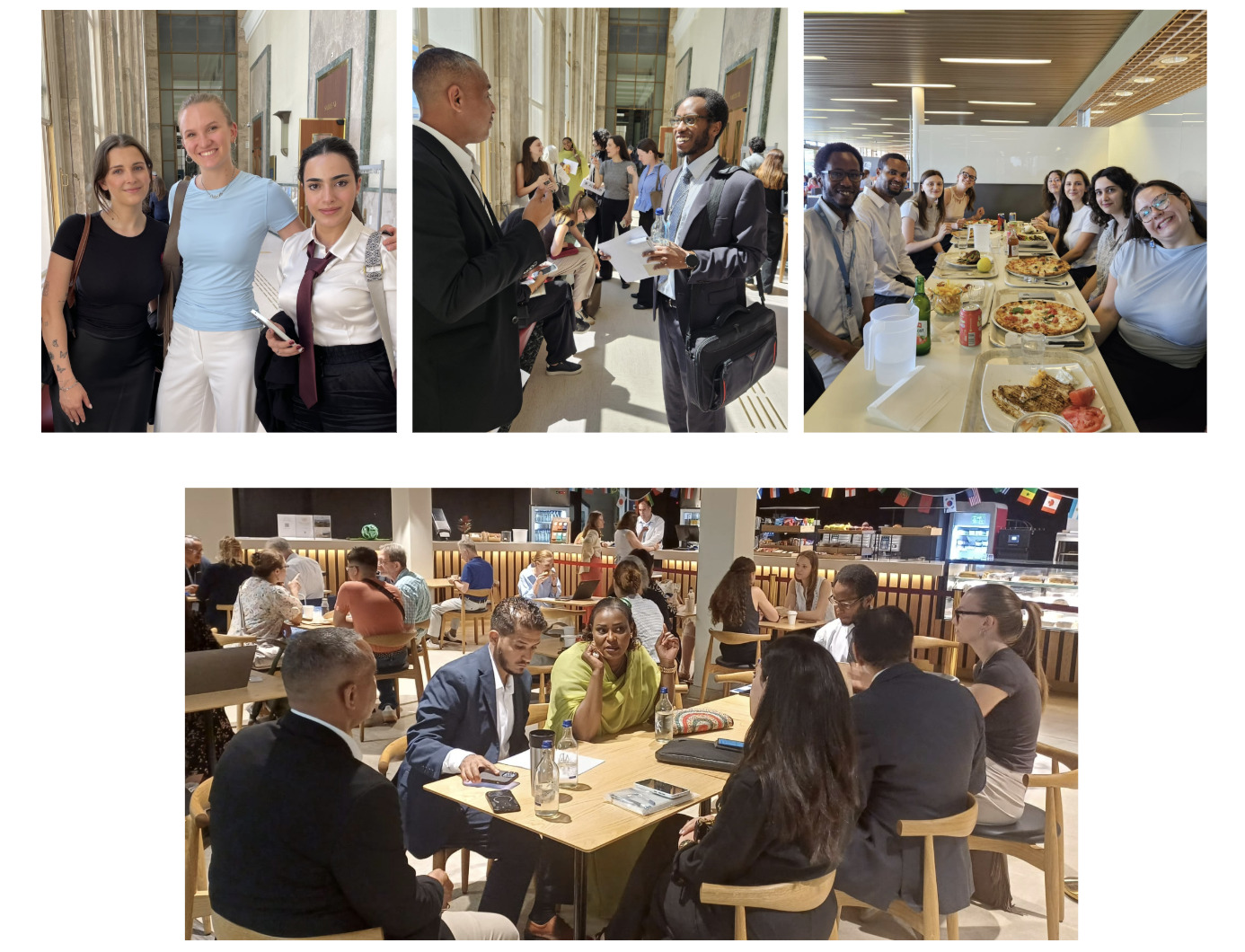
GICJ COLLABORATORS
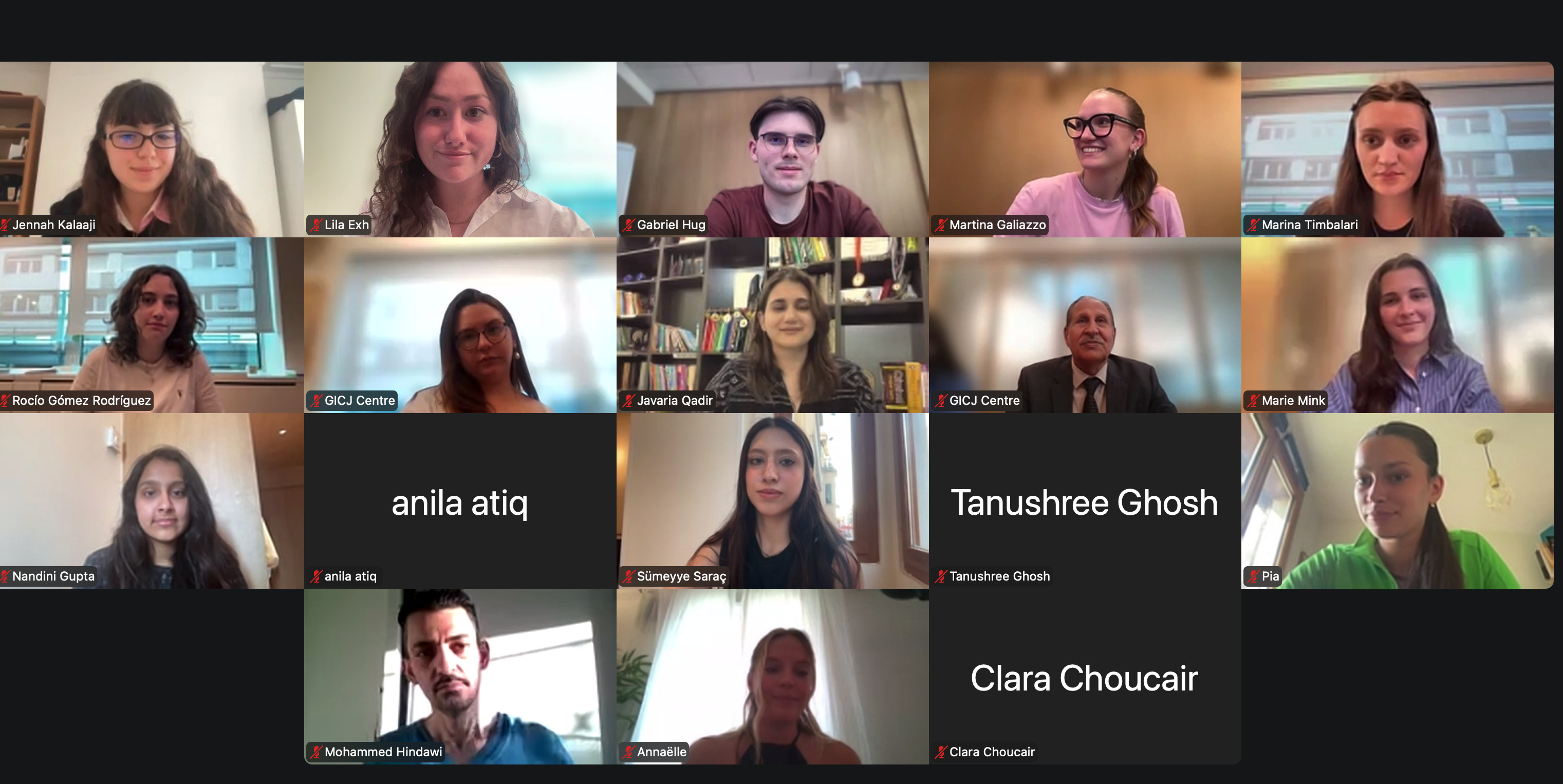
Click on the image below to download the full report.