



The 62nd session of the Human Rights Council
15 June - 7 July 2026
Item 4: Enhanced Interactive Dialogue on oral update of Commission of Inquiry on North Kivu and South Kivu Provinces of the Democratic Republic of the Congo
29 June 2026
From Alarm to Action: Commission of Inquiry Lays Bare the Human Rights Crisis in North and South Kivu Regions of the DRC
By Nandini Gupta / GICJ
Executive Summary
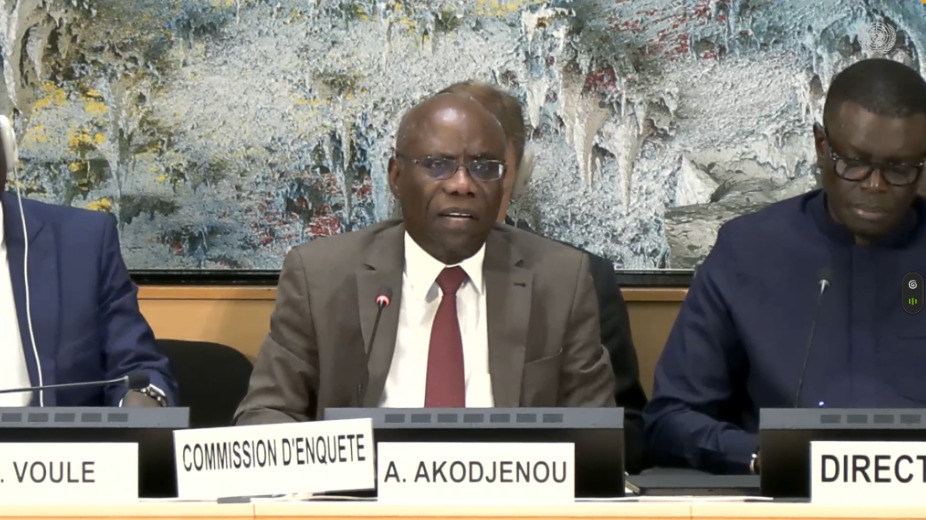
The enhanced interactive dialogue with the Independent Commission of Inquiry (COI) regarding the human rights situation in the North and South Kivu provinces of the Democratic Republic of the Congo took place during the 21st meeting of the 62nd session of the Human Rights Council on 29 June 2026.
The Chairperson of the COI, Mr. Arnauld Akodjenou, presented an oral update during the meeting and highlighted having received “deeply troubling accounts” of human rights violations. It explained that its first mission had taken place in Kinshasa, since travel to North and South Kivu had been delayed due to the harsh circumstances and the Ebola outbreak.
The COI said it had engaged with survivors, government officials, United Nations (UN) entities, diplomats, the National Human Rights Institution (NHRI), and multiple other stakeholders and had already gathered deeply concerning information pointing to a multidimensional crisis affecting civilians. Mr. Akodjenou stressed that, at this stage, the COI was not drawing conclusions about facts or perpetrators but underlined that the information received was serious enough to require an independent, methodical, and victim-centred investigation with strong protections provided to the victims and witnesses.
The broader meeting centred on the scale of ongoing violations and accountability gaps in the eastern DRC. The Office of the United Nations High Commissioner for Human Rights (OHCHR) described widespread killings, sexual violence, arbitrary detention, attacks on civilians, and shrinking civic space, while also pointing to the role of Alliance Fleuve Congo (AFC)/March 23 Movement (M23), the Congolese armed forces, and allied armed groups.
Representatives of States and Non-Governmental Organisations (NGOs) took part in the interactive dialogue, broadly expressing alarm at the gravity of the crisis. States condemned abuses against civilians, especially women and children; called for humanitarian access; and stressed the need for the COI to receive sufficient resources and full cooperation. Several states also explicitly called on Rwanda to withdraw support for M23 or withdraw its forces, while Rwanda rejected the allegations, questioned the evidentiary basis for some claims, and argued that the COI could not fully assess the situation without field visits to the Kivus.
Civil society actors reinforced concerns about torture, arbitrary detention, conflict-related sexual violence, attacks on human rights defenders, and the situation of indigenous Batwa communities. A common message echoed across the meeting: civilians in eastern DRC need protection, humanitarian access, and sustained international attention.
To read the full report, click on the image below: