



The 62nd Session of the Human Rights Council
15 June – 10 July 2026
Item 3: Interactive Dialogue with the Special Rapporteur on Contemporary Forms of Racism, Racial Discrimination, Xenophobia and Related Intolerance
2 July 2026
Confronting Structural Racism Beyond Legal Commitments: Advancing Accountability, Inclusion, and Systemic Equality
By Elina Riznic / GICJ
Executive Summary
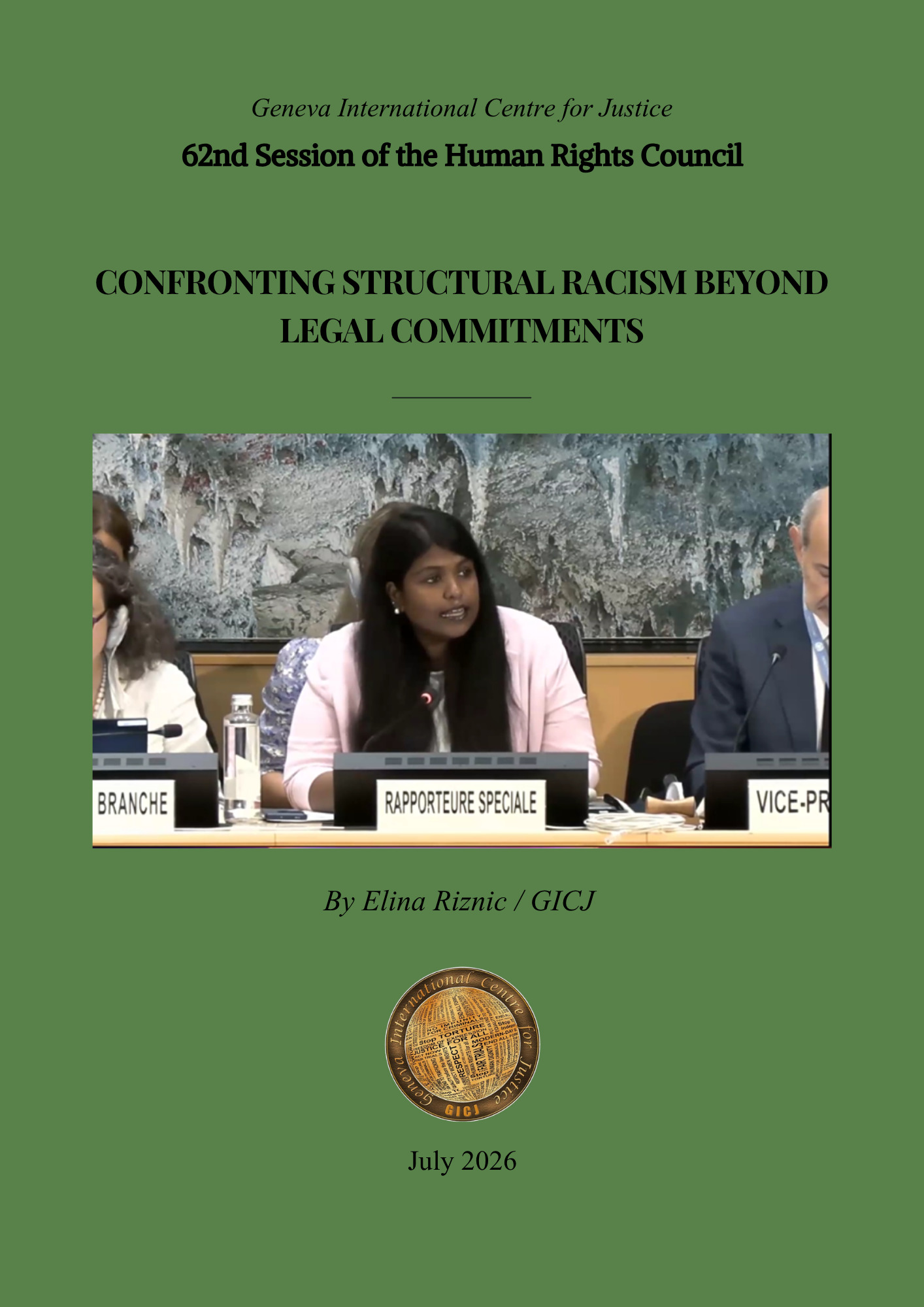
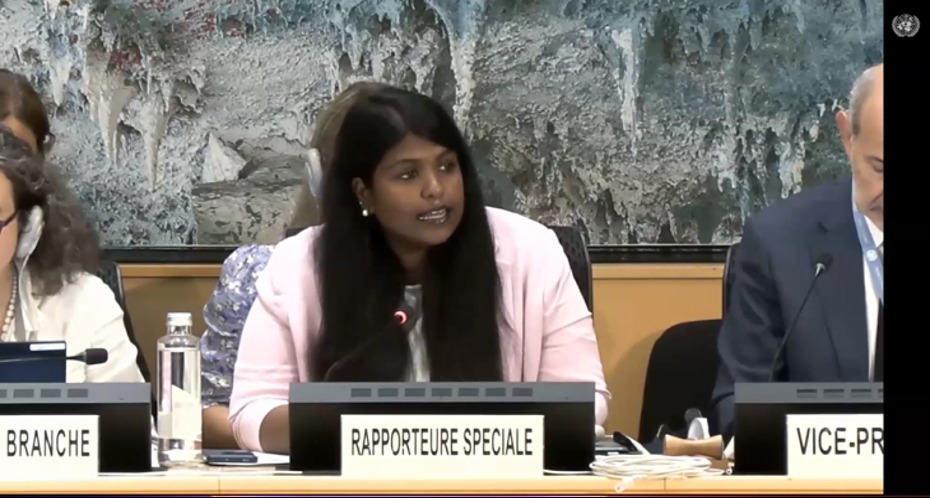
The Human Rights Council held an Interactive Dialogue with the Special Rapporteur on contemporary forms of racism, racial discrimination, xenophobia and related intolerance, Ms Ashwini K.P., during which she presented the findings of her report following her official visit to Austria. The report acknowledges Austria's comprehensive legal and institutional framework for combating racial discrimination while highlighting persistent structural and systemic forms of racism affecting a wide range of racialised and ethnic minority communities. It concludes that despite important legislative safeguards and policy initiatives, racism remains deeply embedded within social institutions and public life, requiring a more comprehensive and intersectional response.
Throughout the dialogue, Member States broadly welcomed the Special Rapporteur's report and reaffirmed their commitment to implementing the International Convention on the Elimination of All Forms of Racial Discrimination (ICERD). Delegations stressed the importance of strengthening international cooperation to combat racism, hate speech, xenophobia, religious intolerance, and discrimination in both physical and digital spaces. Many speakers highlighted the need for better protection of vulnerable communities, including people of African descent, Roma and Sinti communities, migrants, refugees, Indigenous Peoples, Muslims, Jews, and other groups facing multiple and intersecting forms of discrimination.
Regional organisations and groups emphasised that racism continues to evolve through new manifestations, including online hate speech, artificial intelligence, algorithmic bias, racial profiling, and growing political polarization. Several delegations called for stronger accountability mechanisms, improved data collection, enhanced education systems, and inclusive public policies capable of addressing structural inequalities.
Civil society organisations echoed these concerns, warning that racism remains deeply rooted across many societies despite existing legal protections. NGOs highlighted the need for greater recognition of historical injustices, stronger safeguards against discrimination, and more effective implementation of international human rights standards.
Geneva International Centre for Justice (GICJ) welcomes the Special Rapporteur's comprehensive assessment and reiterates that racism in all its forms constitutes a serious violation of human rights and human dignity. GICJ believes that combating racism requires not only robust legal frameworks but also sustained political commitment, effective accountability, inclusive education, meaningful participation of affected communities, and international cooperation. Structural discrimination cannot be eliminated solely through legislation; it demands comprehensive policies that address its historical, institutional, social, and economic roots while ensuring equal enjoyment of human rights for all individuals without discrimination.
To read the full report, click on the image below: