



The 62nd Session of the Human Rights Council
15 June – 7 July 2026
Item 3: Annual panel discussion on the adverse impacts of climate change on human rights - Facilitating actionable pathways for gaining momentum in climate financing
19 June 2026
Climate Finance as a Binding Human Rights Obligation: Turning the ICJ Advisory Opinion into Adequate, Equitable and Accountable Finance for Those on the Frontline
By Sümeyye Saraç/GICJ
Executive Summary
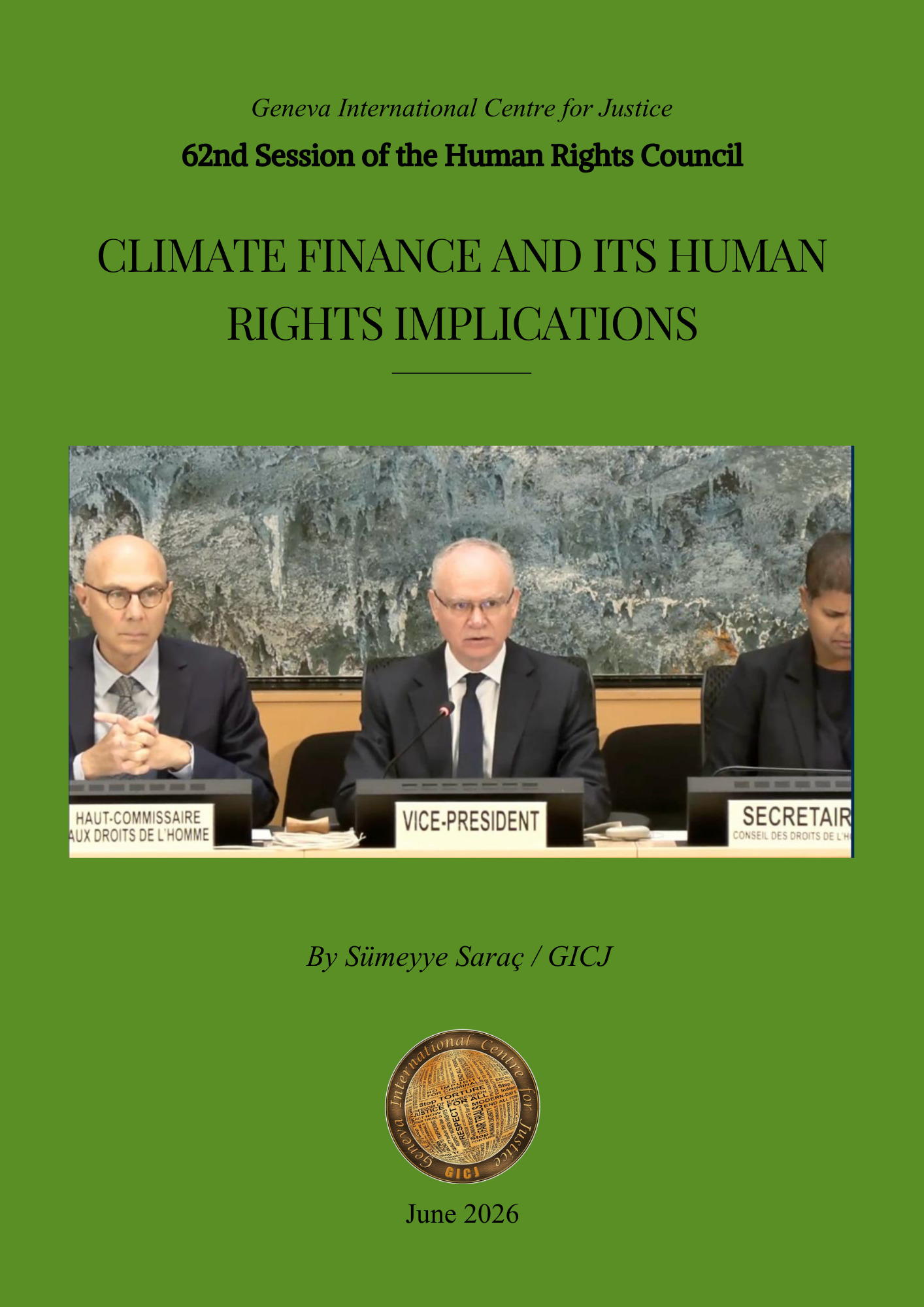
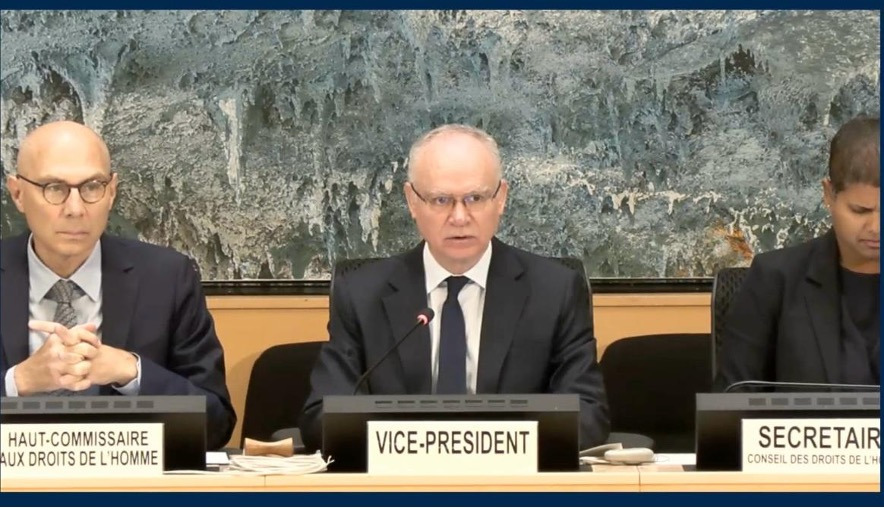
On 19 June 2026, during its 62nd session, the Human Rights Council held its annual panel discussion on the adverse impacts of climate change on human rights. As mandated by Human Rights Council Resolution 59/25, the 2026 edition focused on climate finance: how to make the money raised and spent to address climate change work for human rights rather than against them. The Vice-President of the Council, Mr Marcelo Vàzquez Bermúdez, chaired the discussion. The High Commissioner for Human Rights, Mr Volker Türk, gave the opening statement, and four panellists took part: an ambassador from a climate-vulnerable State, an Indigenous Peoples’ advocate, and two specialists from civil society.
One argument tied the whole dialogue together. Following the International Court of Justice’s advisory opinion of 23 July 2025, speakers argued that climate finance is no longer charity or goodwill but a binding legal obligation under international law. Current finance, they said, is too small, badly distributed, and of poor quality: most of it arrives as debt-creating loans, far too little reaches adaptation and loss and damage, and the countries and communities most in need are largely shut out. These include least developed countries (LDCs), small island developing States (SIDS), Indigenous Peoples, women and people in vulnerable situations. The High Commissioner warned that open climate denial has given way to a quieter “climate finance denial,” even as more than USD 900 billion still flows to the fossil fuel industry each year. Speakers called for a shift from loans to grants, reform of the international financial system, an end to fossil fuel subsidies, taxes on polluters, debt relief, and direct access to finance for affected communities, with transparency, participation and free, prior and informed consent throughout.
Read the full report by clicking on the image below: