



The 62nd Session of the Human Rights Council
15 June - 7 July 2026
Item 3: ID with SR on judges and lawyers
25 June 2026
The Special Rapporteur on the Independence of Judges Proposes Principles for the Appointment Procedures in the Justice System to Counter Increasing Lack of Public Trust and Confidence in the Judiciary
By Marie Mink / GICJ
Executive Summary
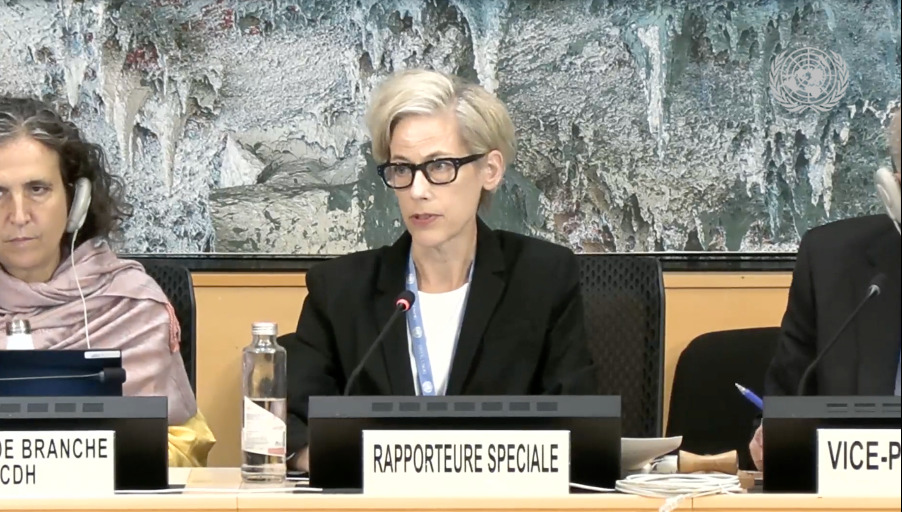
During the 17th Meeting of the 62nd Session of the Human Rights Council (HRC), the Interactive Dialogue (ID) with Ms Margaret Satterthwaite, the Special Rapporteur (SR) on the independence of judges and lawyers, took place. It centred the importance of introducing minimum guidelines for safeguarding judicial appointments in the face of growing threats to the independence of the judiciary, the right to a fair trial and equality before the law. She began by referring to her report on her Visit to Guatemala (A/HRC/62/43/Add.1) in May of 2025. The Representative of Guatemala welcomed the open discussion and critique voiced by the SR and asserted that Guatemala aims to build solid, transparent institutions that safeguard judicial independence.
In the SR’s thematic report on Principles for judicial appointments (A/HRC/62/43), she urged states to examine their appointment systems in light of these principles to identify existing gaps. The SR highlights good practices such as transparency and public participation, which help address the lack of public trust and confidence in the judiciary, a primary concern noted by several other states throughout the ID. She notes the importance of these principles by referring to the third and final report addressed in the ID: her position paper on “Reclaiming justice: A guide to recognizing and combatting Instrumentalization” (A/HRC/62/CRP.3). This report was issued due to growing international concern over the misuse of justice systems for political, economic and punitive ends, ultimately corrupting independence, equality, fair trial and other internationally recognised human rights.
Across the three documents, Ms Satterthwaite issues a pertinent warning. The independence of the judiciary is undermined not only in isolated instances but also systemically, including through manipulated judicial appointments, abusive disciplinary regimes, selective prosecutions, prolonged pretrial detention, and the use of courts to intimidate critics. In particular, this threat manifests towards lawyers, prosecutors, journalists, human rights defenders, women and Indigenous people.
The ID reflected these concerns. The Representatives of Guatemala, groups of states, civil society organisations and other relevant delegations stressed the importance of an independent and impartial judiciary. They asked the SR to point out, among other things, good practices for protecting lawyers from judicial harassment and for avoiding undue political influence in judicial appointments.
To read the full report, click on the image below: