



The 62nd Session of the Human Rights Council
15 June – 7 July 2026
Item 2: ID with the Special Rapporteur on Eritrea
15 June 2026
By: Mihretab Mekonnen Beyene /GICJ
Executive Summary
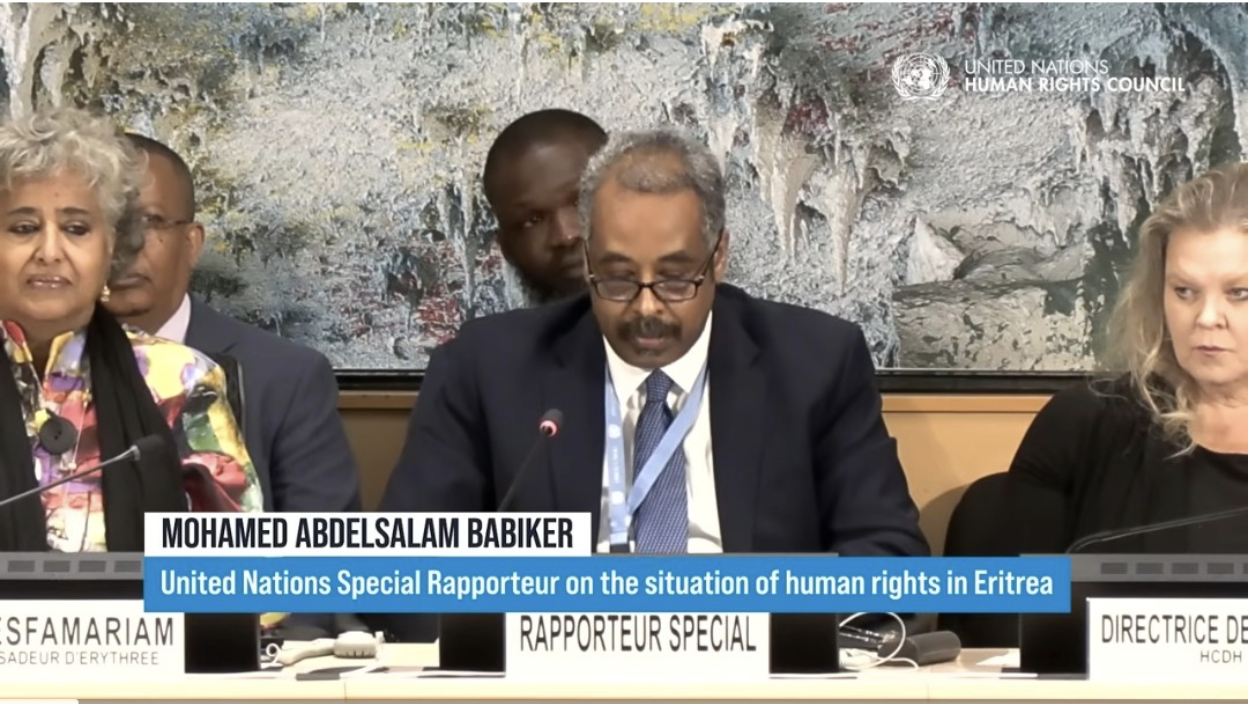
During the 62nd session of the Human Rights Council, the Enhanced Interactive Dialogue concerning the situation of human rights in Eritrea examined the report of the Special Rapporteur (A/HRC/62/20). The dialogue highlighted concerns regarding long-standing human rights violations, including the current structure of executive authority, the incidence of enforced disappearances, and the lack of domestic legal accountability. Member states held divergent views on the Council’s approach: several European and Western nations supported the continuation of the mandate as a necessary mechanism for monitoring and documentation, while other delegations opposed the mandate, favouring a transition toward technical assistance and capacity-building programs.
The report by the Special Rapporteur identifies patterns of restricted civil liberties. A central issue remains the national military service system, which is cited as a source of forced labour. Additionally, the Eritrean government’s lack of cooperation with the Special Rapporteur, including the denial of country access, continues to limit international oversight regarding reports of arbitrary detention, the impact on human rights defenders, and the status of children within the military. Geneva International Centre for Justice (GICJ) noted that the existing administrative practices in Eritrea hinder civic participation. GICJ argued that the absence of international engagement contributes to the continuation of national service policies.
To read the full report, click on the document below: