




The 62nd session of the Human Rights Council
15 June – 10 July 2026
Item 3: Interactive Dialogue with the UN Special Rapporteur on Extrajudicial, Summary or Arbitrary Executions
18 June 2026
Examining the compatibility of capital punishment with the prohibition of torture
By Melody Ugochi Nnaji / GICJ
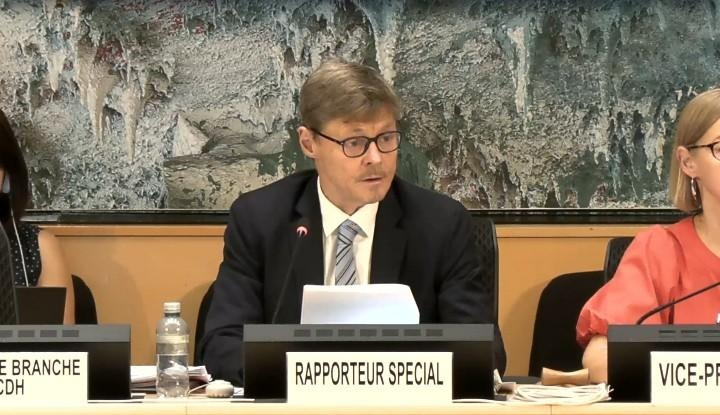
The Human Rights Council held an Interactive Dialogue with the Special Rapporteur on extrajudicial, summary or arbitrary executions, Mr Morris Tidball-Binz, during its 62nd session. The discussion focused on his thematic report concerning the death penalty and its relationship with the prohibition of torture and other cruel, inhuman or degrading treatment or punishment, as well as the findings of his official visit to Lebanon.
The dialogue brought together a wide range of perspectives from Member States, regional groups and civil society representatives. While many delegations supported the Special Rapporteur’s conclusion that capital punishment is incompatible with human dignity and international human rights standards, others maintained that international law continues to permit the death penalty when applied under strict legal safeguards and due process guarantees. The discussion therefore reflected continuing divisions among States regarding the legality and legitimacy of capital punishment.
Delegates also addressed broader issues relating to the administration of justice, accountability for unlawful killings, protection of the right to life and the responsibilities of States under international human rights law. In relation to Lebanon, discussions focused on alleged violations of the right to life arising from military operations, the need for effective investigations and access to justice for victims and their families.
The dialogue concluded with the Special Rapporteur reaffirming his position that the cumulative suffering associated with capital punishment renders it incompatible with the absolute prohibition of torture. He urged States to move towards abolition, while many delegations reiterated either their support for abolition or their commitment to retaining capital punishment within their domestic legal systems.
To read the full report, click on the document below: