




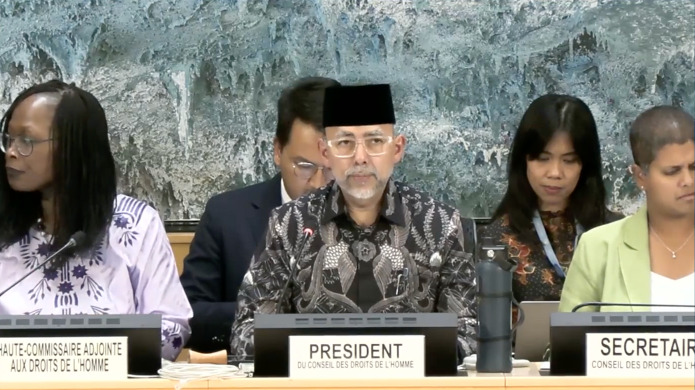
The 62nd Session of the Human Rights Council
15 June - 7 July 2026
Item 10: Biennial Panel on Technical Cooperation and Capacity-Building
2 July 2026
A Panel Discussion on Technical Cooperation and Capacity-Building in Supporting States in the Full and Effective Realisation of the Right of Everyone to the Enjoyment of the Highest Attainable Standard of Physical and Mental Health.
By Jamelia Nampijja Sztuchlik / GICJ
Executive Summary
On 2 July 2026, the Human Rights Council conducted its biennial thematic panel discussion on technical cooperation and capacity-building on the right to health. This discussion took place during the 28th meeting of the Council's 62nd session under the theme “Technical cooperation and capacity-building in supporting States in the full and effective realisation of the right of everyone to the enjoyment of the highest attainable standard of physical and mental health”.
The panellists emphasised that technical cooperation is essential for translating the right to health into practice and is particularly effective when grounded in national ownership, aligned with country priorities, and responsive to community needs. They stressed that capacity-building must strengthen health systems, promote equity and access, and ensure that no one is left behind, especially women, girls, young people and other marginalised groups.
A recurring theme was the importance of integrating human rights into health financing, governance, and service delivery, while safeguarding essential services amid fiscal constraints, conflicts, climate change, and health emergencies. Several panellists highlighted the need to protect health workers, strengthen accountability for attacks on healthcare, and ensure that digital transformation and emerging technologies, including artificial intelligence, reinforce rather than undermine the right to health.
During the interactive dialogue, Member States and regional groups reaffirmed the importance of international cooperation and technical assistance in achieving universal health coverage and strengthening resilient, inclusive health systems. Delegates consistently emphasised the need for demand-driven and nationally led cooperation, predictable and sustainable financing, and stronger domestic resource mobilisation.
Many participants pointed out structural barriers, such as debt burdens, limited fiscal space, health workforce shortages, climate-related impacts, and unequal access to medicines and technologies. Special attention was given to strengthening primary healthcare, advancing digital health, addressing non-communicable diseases and mental health, and ensuring equitable access to services for vulnerable populations. Several interventions also raised concerns about attacks on healthcare in conflict situations and highlighted the necessity of upholding international humanitarian and human rights law.
National Human Rights Institutions (NHRIs) and Non-Governmental Organisations (NGOs) highlighted that shrinking health budgets and declining international assistance are worsening inequalities and limiting access to essential services. These services include sexual and reproductive health, harm reduction, and maternal health care. They emphasised that the right to health is inseparable from the rights to life, dignity and development. They called for renewed international solidarity, rights-based budgeting, and sustained domestic investment.
Civil society actors stressed the importance of meaningful participation of affected communities, including women, girls, young people, people who use drugs, and other marginalised groups, in the design and implementation of health policies. They also highlighted the need to address stigma and discrimination, ensure accountability for systemic barriers, and strengthen maternal mortality prevention, mental health services, and community-led approaches as integral components of equitable and resilient health systems.
Geneva International Centre for Justice notes with concern that, although many delegations highlighted crises such as climate change, conflict, and shortage in the health workforce, discussion often focused on symptoms rather than addressing root causes. These root causes include violations of international law in armed conflicts and the normalisation of attacks on healthcare systems. The lack of stronger accountability language regarding these patterns reflects a broader reluctance within multilateral forums to confront the political and economic determinants of health inequity. Technical cooperation cannot serve as a substitute for legal and political responsibility where States or other actors are implicated in systemic harm.
To read the full report, click on the link below: