




Behind Bars: Testimony, Torture, and the Politics of Control in Tunisia
Geneva International Centre for Justice (GICJ)
By Hera MacPhail / GICJ
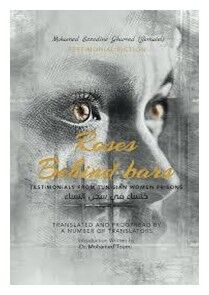
Testimonial fictions such as Roses Behind Bars (by Mohamed Ezzedine Gharred) offer a powerful entry point into the lived realities of women subjected to incarceration and abuse. Through fragmented memories, emotional trauma, and embodied suffering, the book portrays prison not merely as a physical space, but as a system of domination. Women are depicted as enduring beatings, psychological intimidation, humiliation, and isolation,forms of violence that aim not only to punish but to erase identity and agency. The narrative also highlights gendered dimensions of repression, including sexualised violence and the policing of women’s bodies and behaviour.
These accounts resonate strongly with documented patterns of abuse in Tunisia, particularly under the regime of Zine El Abidine Ben Ali. For decades, torture was used systematically against political opponents, especially those associated with religious movements. Testimonies describe prisoners being stripped, beaten, suspended in stress positions, and subjected to threats of sexual violence. In some cases, women detainees were humiliated in explicitly gendered ways, including forced nudity and assault in front of male officers.
Religion played a paradoxical role in this system of repression. On the one hand, the authoritarian state - deeply influenced by a rigid model of secularism - targeted visibly religious individuals, particularly Islamist activists, treating religious expression as a political threat. On the other hand, historically, religious norms themselves have also been used to discipline women. Institutions such as Dar Joued, a religious prison for “disobedient” women, illustrate how interpretations of Islamic law were mobilised to enforce obedience and patriarchal order.
Although Tunisia underwent democratic reforms after 2011, serious human rights concerns persist today. Reports indicate ongoing arbitrary detention, ill-treatment, and excessive use of force by security forces, often in a climate of impunity where accountability is rare. Prison conditions remain harsh, with overcrowding, invasive searches, and inadequate safeguards for detainees’ dignity.
The enduring relevance of Roses Behind Bars lies in its ability to connect past and present. The mechanisms of repression it evokes - control over bodies, suppression of dissent, and the instrumentalisation of both secular and religious discourses - are not confined to history. They continue to shape the experiences of detainees today.
GICJ stresses that confronting these violations requires more than legal reform. It demands a critical examination of the structures - political, social, religious and ideological- that enable abuse. Only by listening to testimonies, both literary and real, can justice move beyond acknowledgement toward meaningful change.
GICJ calls attention not only to the historical context presented in testimonial fiction but also to contemporary cases, emphasizing that human rights are not static ideals: They require constant vigilance. The stories of women behind bars, whether in the past or present, are a testament to resilience and a call to action. By examining these narratives, we are reminded that the fight against discrimination, unjust imprisonment, and gendered oppression is ongoing, and that international bodies, civil society, and governments must work together to uphold human dignity.
Roses Behind Bars is more than literature - it is a lens through which we can understand the enduring impact of rights violations and the urgent need to prevent them today. GICJ remains committed to documenting abuses, advocating for victims, and promoting a world where freedom and justice are guaranteed for all.