



Rights, identity, and security in Estonia: key findings from estonia's fourth UPR cycle
By Danila Pulinets / GICJ
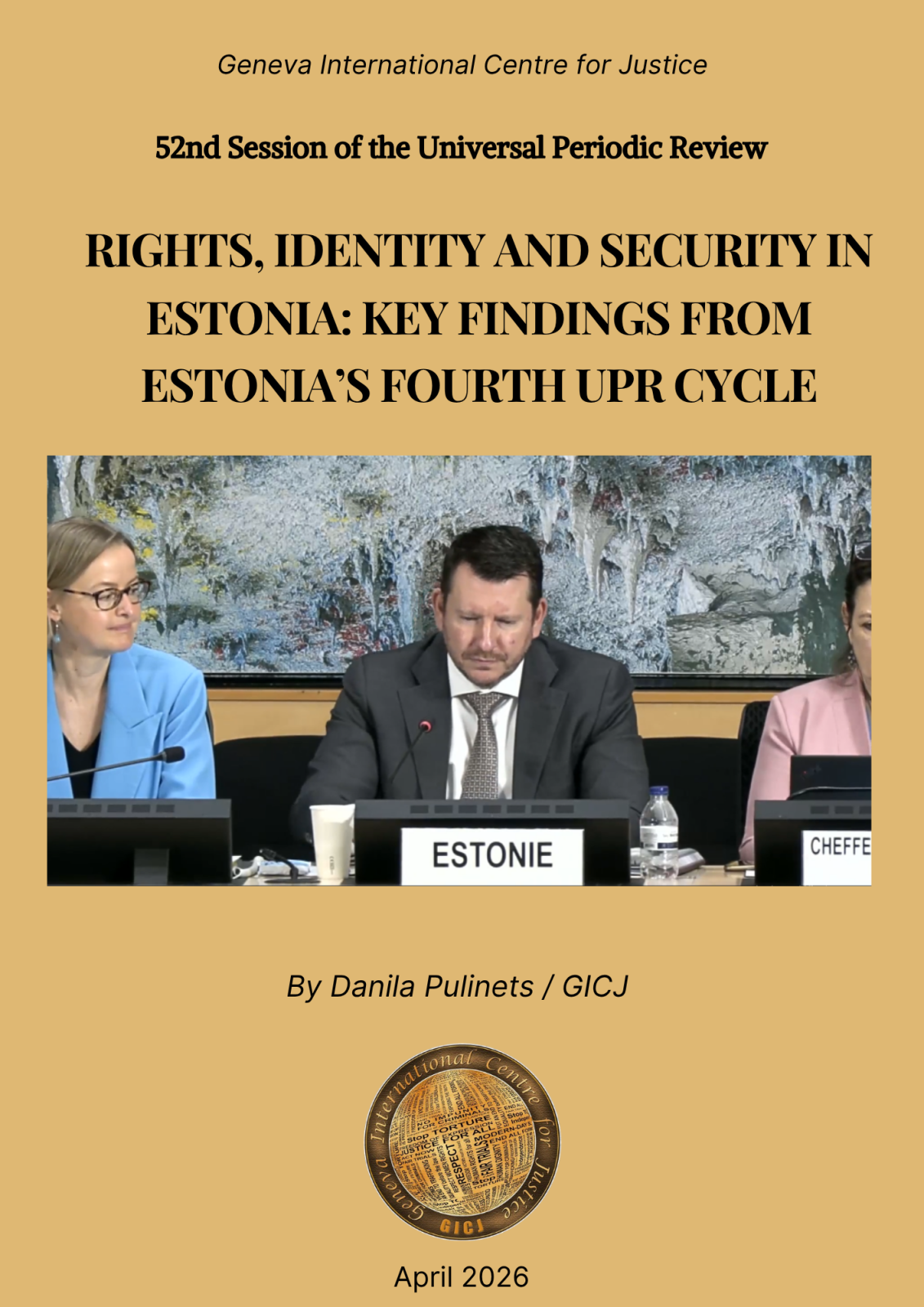
The fourth Universal Periodic Review (UPR) of Estonia took place during the 52nd session of the United Nations Human Rights Council in May 2026. The review examined Estonia’s progress in promoting and protecting human rights since its previous UPR cycle in 2021, while also identifying ongoing issues and areas requiring further reform. The dialogue was conducted in a respectful atmosphere, with numerous States recognizing Estonia’s strong democratic institutions, digital innovation, and commitment to international cooperation.
During the review, Estonia highlighted reforms in education, integration policy, digital governance, social inclusion, and victim support services. The State highlighted its efforts to strengthen inclusive education through individualised learning approaches, expanded support for children with special educational needs, and the transition toward a unified Estonian-language education system. Estonia also presented initiatives related to digital transformation, including integrating artificial intelligence and digital competencies into the education sector, as well as lifelong learning and retraining programmes.
The delegation further stressed the importance of social cohesion and integration policies under the framework of the “Cohesive Estonia 2030” strategy. Estonia described integration as a two-way process based on democratic values, participation, and mutual respect, while also presenting measures supporting refugees, particularly those displaced by the war in Ukraine. At the same time, the State acknowledged existing challenges, including teacher shortages, regional disparities, integration difficulties in predominantly Russian-speaking regions, and increasing demand for language learning services.
Member States broadly welcomed Estonia’s progress but raised concerns regarding several human rights issues. Recommendations focused heavily on strengthening anti-discrimination protections and combating hate speech and hate-motivated crimes. Many delegations urged Estonia to expand legal protections against discrimination beyond employment and to improve enforcement mechanisms. Gender equality and violence against women emerged as central issues throughout the review, with repeated calls for stronger measures to address domestic violence, reduce the gender pay gap, and adopt a consent-based definition of rape in line with international standards and the Istanbul Convention.
Additional recommendations addressed the rights of migrants, refugees, stateless persons, persons with disabilities, and minority communities. States encouraged Estonia to improve integration policies, ensure equal access to public services, strengthen disability inclusion, and enhance protections for vulnerable groups. Concerns were also raised regarding surveillance, data protection, and the balance between national security policies and fundamental freedoms.
Overall, the fourth UPR cycle reflected recognition of Estonia’s significant institutional progress and modernisation efforts, while underscoring the need for continued reforms to address structural inequalities, strengthen the implementation of existing protections, and ensure the equal enjoyment of rights for all individuals in the country.
Click on the image below to read the full report: