



UPR 52: Human rights in Denmark: societal change requires realistic solutions
By Mohammed Hindawi / GICJ
The Universal Periodic Review (UPR) serves as a key mechanism of the United Nations Human Rights Council, providing a regular assessment of the human rights situation in all UN Member States. Denmark is widely regarded as a country with strong democratic institutions, a robust welfare system, and a longstanding commitment to human rights. Its fourth UPR cycle offered an opportunity to evaluate both the progress achieved and the challenges that continue to affect the protection of human rights across Denmark, Greenland, and the Faroe Islands.
This report examines the main findings of Denmark’s fourth UPR cycle, placing them within the broader context of recommendations made during previous review cycles. While Denmark has implemented important reforms in areas such as gender equality, LGBT+ rights, anti-racism policies, disability inclusion, and the recognition of historical injustices in Greenland, a number of concerns remain unresolved. Issues related to discrimination, migration and asylum policies, solitary confinement, the criminalisation of torture, and minority rights continue to attract sustained attention from UN bodies, Member States, and civil society organisations.
By analysing both the progress achieved and the recurring challenges identified throughout successive UPR cycles, this report seeks to provide an overview of Denmark’s human rights record and to assess the extent to which international recommendations have translated into meaningful domestic reforms.
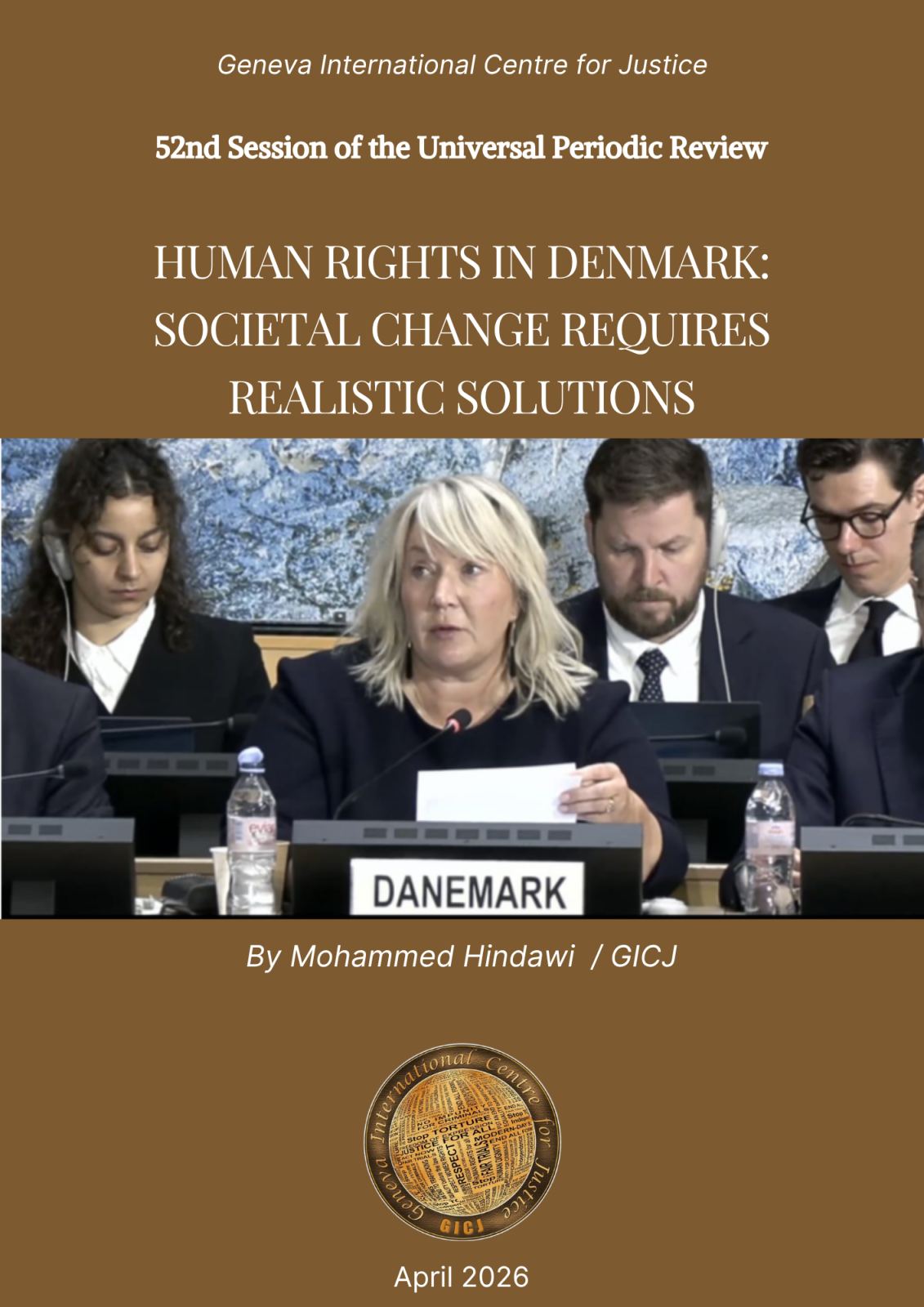
Click on the image below to read the full report: