



“Resilient Justice”: an overview of the ICC’s fight against impunity in 2025
 Image credits: ©ICC-CPI
By Astrid Bochnakian / GICJ
On 1 December 2025, International Criminal Court (ICC) Deputy Prosecutor Nazhat Shameen Khan launched the Annual Report of the Office of the Prosecutor (OTP), titled Resilient Justice in Every Step. Released during the 24th Assembly of States Parties to the Rome Statute, this report provides a comprehensive overview of the OTP's activities for the year 2025.
Background on the ICC and its OTP
Established by the Rome Statute in 1998, the International Criminal Court (ICC) is a permanent international judicial institution which entered into force on 1 July 2002. Based in The Hague(the Netherlands), the ICC has jurisdiction over individuals accused of genocide, crimes against humanity, war crimes, and, since 2018, the crime of aggression. The Court operates on the principle of complementarity, meaning it only exercises its jurisdiction when national courts are unwilling or genuinely unable to investigate or prosecute such crimes. As an independent institution, the ICC seeks to contribute to the fight against impunity and to promote accountability, deterrence, and respect for international criminal law.
The Office of the Prosecutor (OTP) is one of the ICC's core organs. It functions as an independent body responsible for receiving, examining, and investigating information on alleged crimes within the Court’s jurisdiction. Headed by the Prosecutor, the OTP conducts preliminary examinations, initiates investigations proprio motu or following referrals by States Parties or the UN Security Council, and prosecutes cases before the Court. The Office plays a central role in shaping the ICC’s reach and effectiveness, as its prosecutorial strategy directly influences which situations and individuals are brought before the Court.
An overview of the situations investigated by the ICC
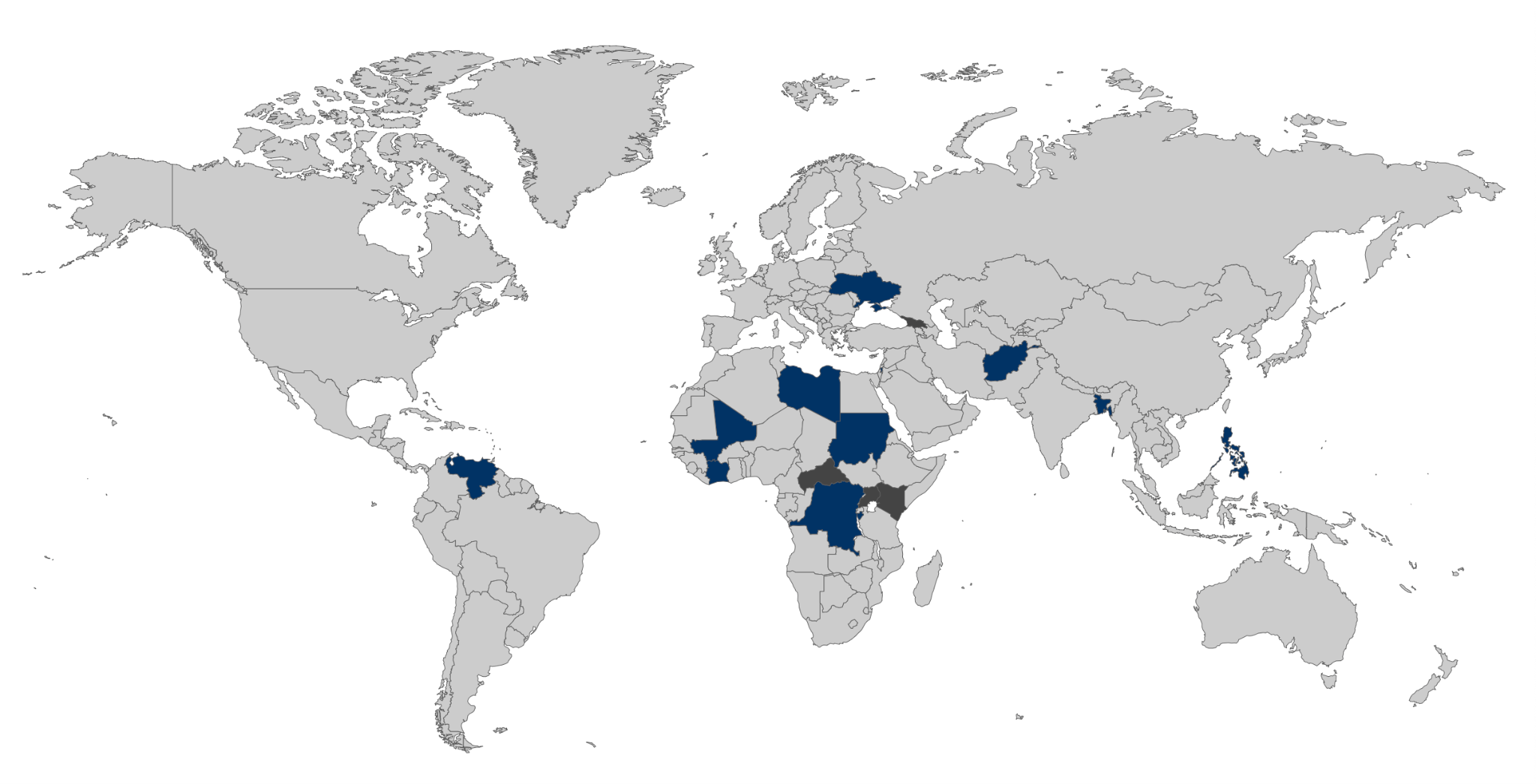
Image source: https://www.icc-cpi.int/situations-under-investigations
As of the release of the report, the ICC was investigating 12 situations
- Democratic Republic of the Congo (DRC);
- Darfur, Sudan;
- Libya;
- Côte d'Ivoire;
- Mali;
- Burundi;
- State of Palestine;
- Bangladesh/Myanmar;
- Afghanistan;
- Republic of the Philippines;
- Venezuela I;
- Ukraine
Investigations in 5 other situations have been closed:
- Uganda;
- Central African Republic (CAR);
- Kenya;
- CAR II;
- Georgia.
Under Articles 13, 14, 15, 15bis, and 15ter of the Rome Statute, the ICC has jurisdiction to investigate a situation based on a referral by a State Party, the ICC Prosecutor or the UN Security Council (UNSC).
Summary of some of the situations relevant to GICJ’s work
State of Palestine
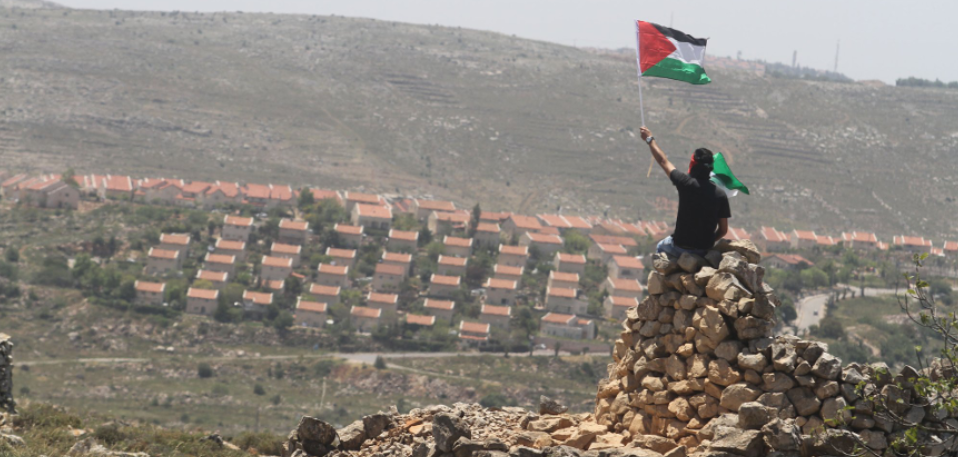
This situation was referred to the ICC in 2018 by the State of Palestine, which is a State Party to the Rome Statute since 2015. This referral granted the Court jurisdiction to investigate crimes that have allegedly been committed in the Situation since 13 June 2014, the date the Government of the State of Palestine accepted under Article 12(3) the jurisdiction of the Court. Additionally, other State Parties have referred this situation after the start of the war in Gaza in October 2023, including South Africa, Bangladesh, Bolivia, Comoros, Djibouti, Chile and Mexico.
Since 21 November 2024, there are 3 outstanding warrants of arrest under this situation, namely against Israeli Prime Minister Benjamin Netanyahu and former Minister of Defence Yoav Gallant for alleged war crimes and crimes against humanity. The third warrant was issued against Mohammed Diab Ibrahim Al-Masri, known as ‘Deif’, the highest commander of al-Qassam Brigades (military branch of Hamas), for alleged crimes against humanity and war crimes of murder, cruel treatment, torture; taking hostages; outrages upon personal dignity committed in the territory of Israel and Palestine from at least 7 October 2023. The arrest warrants against Netanyahu and Gallant have been challenged by Israel under articles 18 (Preliminary rulings regarding admissibility) and 19 (Challenges to the jurisdiction of the Court or the admissibility of a case) of the Rome Statute. The Pre-Trial Chamber rejected those challenges and requests to withdraw those arrest warrants and suspend the investigation, signalling its dedication to combating impunity.
The Resilient Justice report notes that the OTP continues to engage with relevant parties and stakeholders in this situation, including civil society organisations (CSOs), States and international and regional organisations, and that it investigates multiple lines of inquiry. Facing criticism regarding those investigations, the OTP also reaffirmed that it continues to take into consideration the principle of complementarity that bounds the Court’s jurisdiction.
Darfur, Sudan
The situation in Darfur, Sudan, was referred to the ICC in March 2005 by the UNSC, pursuant to Article 13(b) of the Rome Statute. This referral was the first made by the UNSC since the Rome Statute entered into force on 1 July 2002. The ICC has jurisdiction over alleged genocide, war crimes and crimes against humanity committed in Darfur, Sudan, since 1 July 2002.
In 2025, the ICC intensified its activities to deliver outcomes regarding the situation in Darfur, Sudan. The OTP notably conducted field visits to refugee camps in April and May 2025, showing sustained engagement and dialogue with affected Darfuri communities. The OTP also increased its cooperation with legal CSOs, most notably through a workshop dedicated to gender-based violence crimes and how to document them.
Despite emphasising a need for progress in executing arrest warrants, the report also notes an extended cooperation from the Sudanese government, including its facilitation of the visit of an OTP representative in Port Sudan and the establishment of a dedicated committee. The ICC has also increased its cooperation with the UN and its mechanisms by collaborating with the Fact-Finding Mission for Sudan.
A key development in the situation in Darfur was the conviction of Ali Muhammad Ali Abd-Al-Rahman, alleged leader of the Janjaweed, who was unanimously found guilty of 27 counts of crimes against humanity and war crimes, in Darfur, Sudan, between August 2003 and April 2004 [1]. This conviction was the first in the situation in Darfur and the first in a situation referred to the ICC by the UNSC, marking a key milestone in the work of the OTP. Mr. Abd-Al-Rahman was sentenced to 20 years in prison.
Libya
This situation was referred to the ICC by the UNSC in February 2011, making it the second UNSC referral since the Court entered into force in 2002. Under this situation, the Court investigates alleged crimes against humanity and war crimes committed since 15 February 2011, in the context of the Libyan civil war and the subsequent political turmoil. The Libyan government accepted the ICC’s jurisdiction under Article 12(3) of the Rome Statute in May 2025 and pledged to fully cooperate with the Court.
The report notes several important milestones in the investigation of the situation in Libya during the year 2025. Apart from the Libyan government’s willingness to cooperate with the Court, 2025 saw a major development in the situation with the arrest of Khaled Mohamed Ali El Hishri, the most senior official at the Mitiga Prison, a detention centre near Tripoli, Libya [2]. He is suspected of committing, ordering and overseeing crimes against humanity and war crimes, namely murder, torture and sexual violence, between February 2015 and early 2020. This arrest, which is the first surrender of a suspect since the UNSC referral in 2011, marks an important development in the ICC’s efforts to seek accountability in Libya. It is also important to note that this arrest and subsequent surrender of the suspect to the Court resulted from the cooperation of the German authorities, thus emphasising the key role of the State Parties’ cooperation in the operations of the ICC.
To investigate the situation in Libya and prosecute its suspects, the OTP has, in 2025, increased its cooperation with multiple stakeholders. Most notably, the ICC has collaborated with the United Kingdom’s National Crime Agency regarding the freezing of the assets of Osama Elsmary Njeem, another suspect in the situation in Libya, who was arrested in January in Italy and subsequently released due to “errors and inaccuracies” in the ICC’s arrest warrant [3]. The OTP has also increased its engagement with CSOs, including through periodic meetings, and has actively contributed to investigations conducted at the domestic level.
Democratic Republic of the Congo
The situation in the Democratic Republic of the Congo (DRC) was referred to the ICC by the DRC government in March 2004, and investigations were opened in June of that same year, before being renewed in October 2024. The OTP investigates alleged war crimes and crimes against humanity committed in the context of armed conflict in the DRC since 1 July 2002, with a focus on the regions of North and South Kivu, in Eastern DRC. As stressed in the Resilient Justice report, the ongoing investigation also covers the escalation of violence that took place in early 2025 in those regions.
In February 2025, ICC Prosecutor Khan conducted a country visit, which contributed to strengthening the judicial cooperation between the Court and national authorities and enhancing collaboration with local CSOs. Besides, the OTP is also implementing its 2023 Memorandum of Understanding, concluded with the government of the DRC, to increase cooperation towards justice [4].
Central African Republic II
The second situation in the Central African Republic (CAR) was referred to the ICC by the CAR government in May 2014, based on alleged war crimes and crimes against humanity committed in the context of renewed violence starting in 2012.
In this situation, the ICC has strengthened its efforts to cooperate with the national authorities and implement the Memorandum of Understanding between the United Nations and the ICC concerning cooperation with the Multidimensional Integrated Stabilisation Mission in the Central African Republic (MINUSCA), which was signed in 2016 [5]. Those efforts include supporting the Special Criminal Court in Bangui.
According to the Resilient Justice report, the CAR authorities’ cooperation with the ICC has also been essential in the investigation and prosecution of The Prosecutor v. Alfred Yekatom and Patrice-Edouard Ngaïssona, a case whose trial opened in February 2021 and is yet to be concluded.
Ukraine
The situation in Ukraine was referred to the ICC by 43 States Parties between March and April 2022, after the Russian invasion of Ukrainian territory. The investigation focuses on alleged crimes committed in the context of the situation in Ukraine since 21 November 2013. Although Ukraine was not a State party to the ICC until 1 January 2025, the Ukrainian government had accepted the jurisdiction of the Court, pursuant to Article 12(3) of the Rome Statute [6].
The Resilient Justice report emphasises the role of the OTP’s country office, which was opened in Kyiv in 2023, stressing its active engagement on the ground and its coordination with stakeholders, including international organisations, CSOs and government agencies.
As of January 2026, the ICC has issued 6 arrest warrants against Russian officials regarding the situation in Ukraine: Vladimir Putin, President of the Russian Federation, for the alleged war crime of unlawful deportation of children and of unlawful transfer of children from occupied areas of Ukraine to the Russian Federation.
Challenges to the work of the OTP
Despite major developments in many situations, the Court has faced numerous challenges over the past year. The report hence reiterated the OTP’s continued commitment to victims and survivors, and its eagerness to keep meeting milestones in the fight against impunity.
A major challenge to the ICC’s delivery of justice is its reliance on State cooperation to implement its arrest warrants and thus fulfil its mandate. This has been particularly observed with the warrants issued in the situation in the State of Palestine, with Hungary’s refusal to arrest Netanyahu and its withdrawal from the Rome Statute [7]. Such a lack of cooperation significantly undermines the OTP’s ability to move cases forward and enforce accountability. It is also important to note that non-cooperation delays justice for victims and survivors, not just for the Court.
The OTP operates in a highly politicised environment, which can constrain its operations. For instance, the sanctions imposed against ICC officials, including judges, prosecutors and personnel, by the Trump administration, represent a clear form of political pressure against the ICC. Such sanctions directly undermine the work of the Court by deterring cooperation, limiting financial and engagement by external stakeholders. It has also long been facing a criticism of bias and selectivity regarding the regional imbalance of the situations it investigates.
Thus, the ICC has long been operating within a challenging landscape, which has increasingly worsened in 2025. These obstacles not only affect the practical implementation of arrest warrants and investigations but also pose broader risks to the Court’s credibility and authority within the international legal order. In this context, the OTP’s reaffirmation of its commitment to victims and survivors carries particular significance, as it underscores the Court’s determination to pursue accountability despite mounting external pressures.
Conclusion
In a context of intensification of conflicts and violations of human rights, including persecution, the work of the ICC is essential to ensure there is no impunity gap. The Resilient Justice in Every Step report illustrates both the scale and the complexity of the Office of the Prosecutor’s mandate, highlighting tangible progress in multiple situations, from landmark convictions and arrests to strengthened field presence and cooperation with national authorities, international organisations and civil society actors.
Yet, the report also makes it clear that the effectiveness of the Court continues to depend heavily on sustained political support and genuine cooperation from States. As demonstrated throughout 2025, advances in accountability coexist with persistent structural and political obstacles, including non-cooperation with arrest warrants, external pressure on the Court’s independence, and ongoing critiques of selectivity. These challenges underscore the fragile position of international criminal justice within an international system still shaped by power asymmetries and competing political interests.
Ultimately, the OTP’s emphasis on resilience reflects both an institutional strategy and a normative commitment: to pursue justice for victims and survivors despite adverse conditions. Translating this commitment into lasting accountability will largely depend on the willingness of States Parties and the international community to uphold the Rome Statute framework, respect the Court’s independence, and translate legal obligations into concrete action. In this regard, the 2025 Annual Report serves not only as an account of prosecutorial activity, but also as a reminder that the fight against impunity is a shared responsibility.
Position of GICJ
Geneva International Centre for Justice (GICJ) welcomes the Resilient Justice report and commends the ICC’s achievements, which are another step towards accountability. The ICC is a cornerstone of the international legal framework, and its achievements in 2025 highlight its continued commitment to fighting impunity. We commend its meaningful inclusion of victims and survivors in its procedures, as well as its cooperation with national authorities and international organisations, and its collaboration with CSOs
We deplore the numerous challenges that attempt to hinder the fight against impunity, including some States’ political unwillingness to execute the Court’s warrants. Weakening or obstructing the ICC does not eliminate accountability needs; it only shifts violations into a space of unchecked impunity, to the detriment of victims and affected communities. GICJ stresses that State cooperation is not optional but a legal obligation under the Rome Statute and a prerequisite for effective justice. We thus urge all State Parties to continue to cooperate with the ICC and the OTP, ensuring that it can fully fulfil its mandate.
GICJ condemns measures targeting the Court’s judges and prosecutors for the exercise of their functions, which threaten not only the ICC but the broader principle of independent international adjudication. We hence call on all States to refrain from such actions and guarantee the full unhindered independence of the ICC.
References:
[1] ICC, Abd-Al-Rahman case
[3] BBC, “Libyan war crimes suspect freed because of errors in warrant, Italy says”
[6] ICC, Situation in Ukraine
[7] BBC, “Hungary withdraws from International Criminal Court during Netanyahu visit”