

HRC 63: Indigenous Peoples’ Rights & World Heritage: Conservation or Erasure?
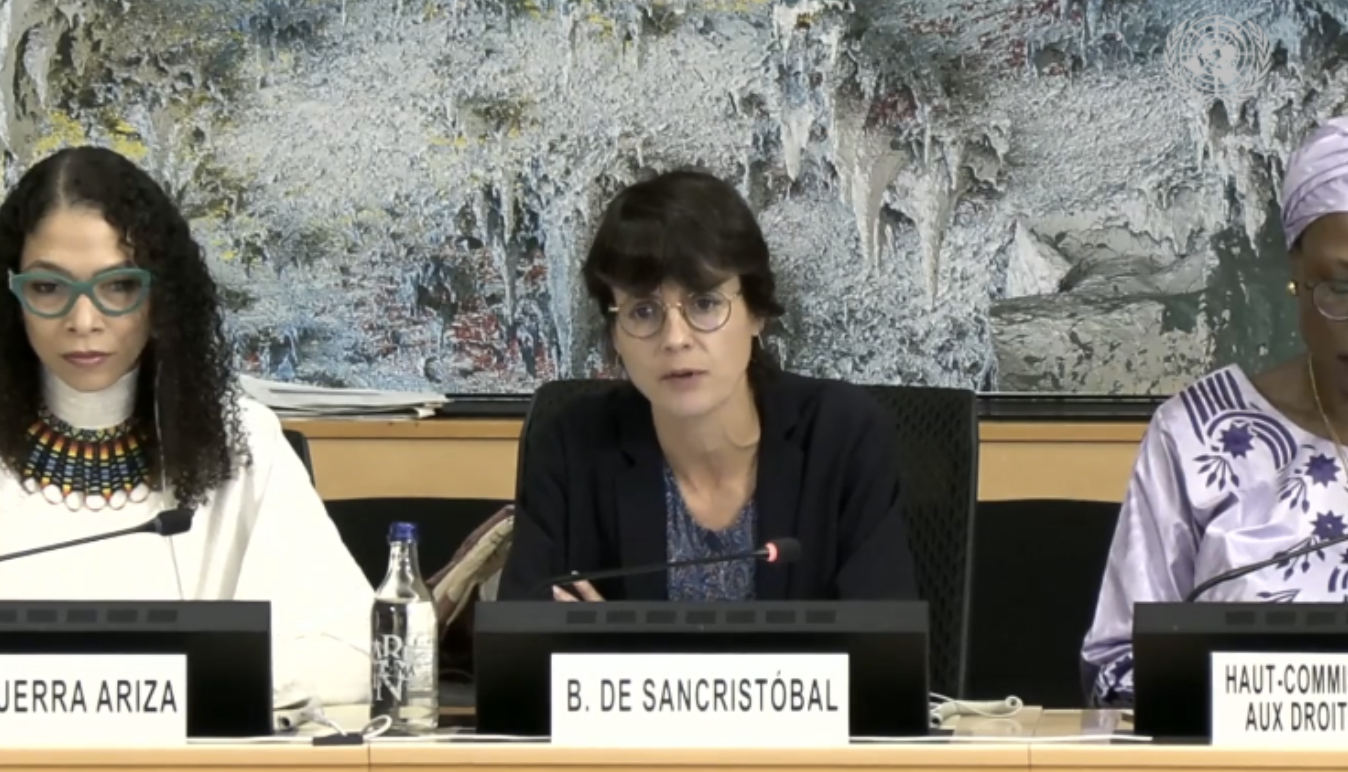
The 63rd session of the Human Rights Council
7 September 2026 - 7 October 2026
Item 3: Annual Panel Discussion on the Rights of Indigenous Peoples
23 September 2026
Protecting Indigenous Peoples’ Rights, Cultural Heritage and Ancestral Territories within the World Heritage Convention
By Sabrina Ramos Sodré de Castro / GICJ
“World heritage protection should never involve the forced removal of people, their loss of control over lands, territories and resources, restricted access to sacred sites or livelihoods, or the criminalisation of spiritual and religious traditions and ceremonies” stated Ms. Awa Dabo, the United Nations Deputy High Commissioner for Human Rights, during the opening of the Annual Panel Discussion on the Rights of Indigenous Peoples held on 23 September 2026, at the 63rd session of the Human Rights Council.
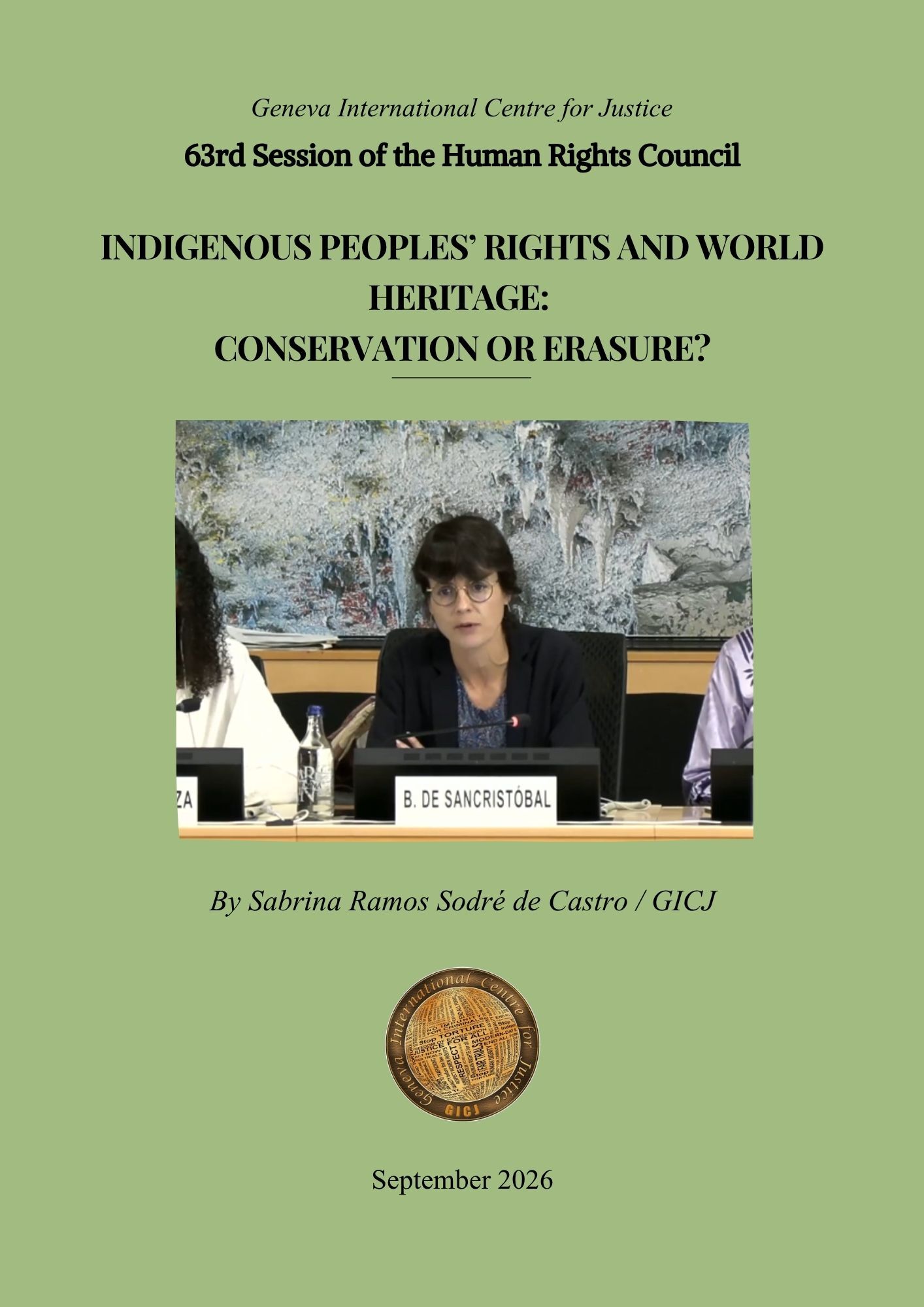
The session examined the implications of the implementation of the 1972 World Heritage Convention on the rights enshrined in the United Nations Declaration on the Rights of Indigenous Peoples (UNDRIP), including the participation of eight representatives of Indigenous Peoples; and representatives from the UNESCO World Heritage Centre, Ms. Berta de Sancristóbal, from the International Indigenous Peoples’ Forum on World Heritage, Ms. Carmen Rosa Guerra Ariza; and from Mexico’s National Institute of Anthropology and History, Mr. Francisco Vidargas.
State delegations and civil society organisations discussed Indigenous Peoples’ right to maintain, control, protect and advance their cultural heritage, while freely pursuing their economic and social development. Panellists examined challenges such as land dispossession, militarisation, restrictions on traditional practices, and unequal access to culturally appropriate education for Indigenous women and girls, stressing that the UNESCO World Heritage status must respect Free, Prior, and Informed Consent (FPIC).