

HRC63: Behind the Badge: Systemic Racism Against Africans Persists
The 63rd session of the Human Rights Council
7 September- 7 October 2026
Item 9: Enhanced Interactive Dialogue with the High Commissioner and International Independent Expert Mechanism to Advance Racial Justice and Equality in Law Enforcement
29 September 2026
Addressing Racial Profiling, Excessive Use of Force and Discriminatory Drug-Law Enforcement against People of African Descent
By Javaria Qadir / GICJ
For some, law enforcement represents protection; for others, encounters with the same institutions remain shaped by racial profiling, discrimination, and fear. Twenty-five years after the Durban Declaration and Programme of Action, achieving racial equality in law enforcement remained an unfinished task.
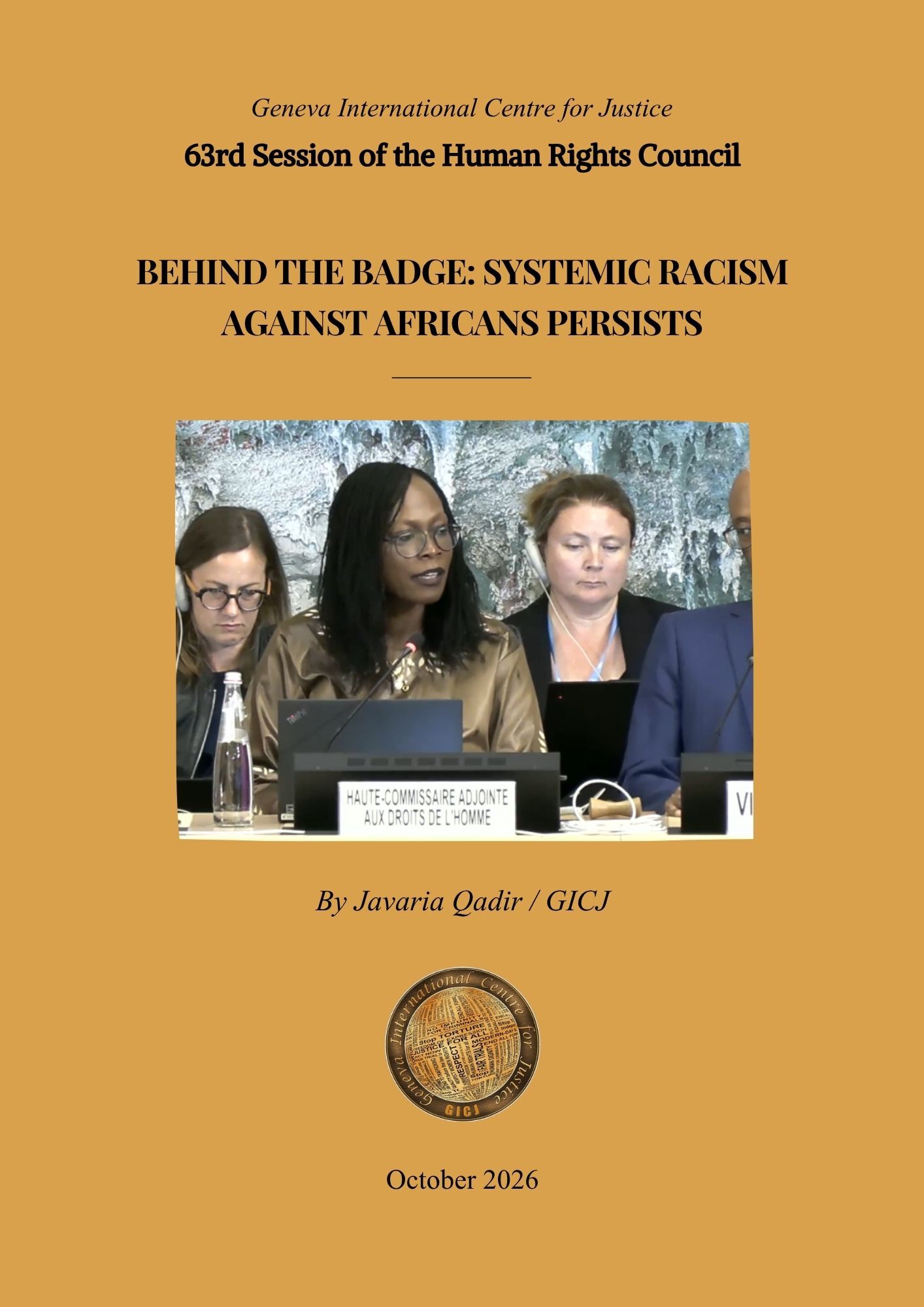
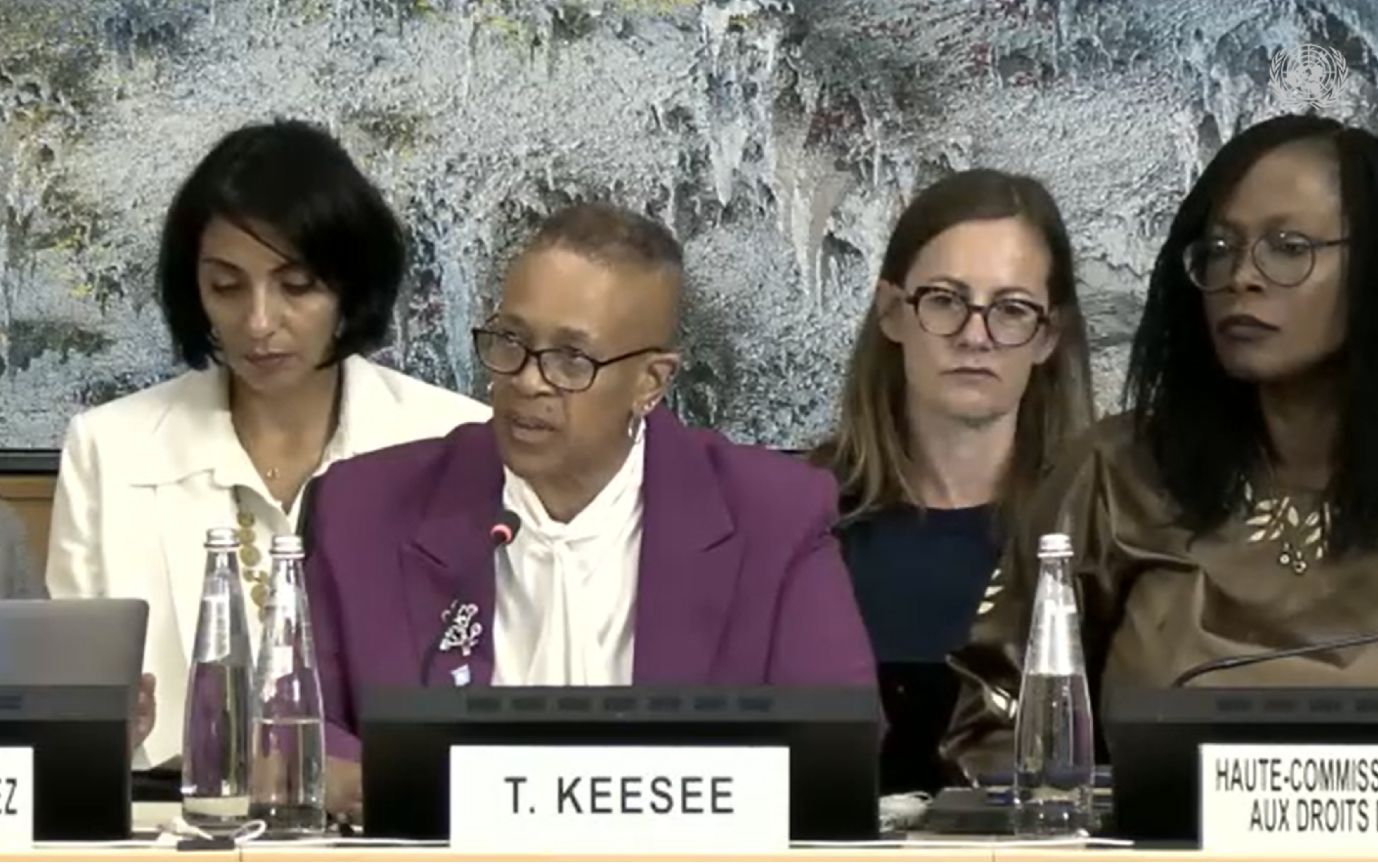
On 29 September 2026, Ms. Awa Dabo, Deputy High Commissioner for Human Rights, led an Enhanced Interactive Dialogue under agenda item 9 addressing racial justice and equality in law enforcement during the Human Rights Council 63rd session. The dialogue also featured Ms. Tracie Keese, Chair of the International Independent Expert Mechanism to Advance Racial Justice and Equality in Law Enforcement, alongside civil society representatives Mr. Angelo Camufingo and Ms. Maryluz Barragán González.
The discussion addressed systemic racism affecting Africans and people of African descent. The Expert Mechanism’s report, “Systemic racism against Africans and people of African descent in the enforcement of drug laws and policies” (A/HRC/63/72), examined racial discrimination in drug control, including its historical roots, colonial legacies, and the racialisation of drug policies.
The Mechanism also presented findings from its visit to Colombia (A/HRC/63/72/Add.1), addressing systemic racism and racial justice in law enforcement, including racial profiling, use of force and barriers to justice.
Major concerns included racial profiling, discriminatory policing, criminalisation and disproportionate incarceration. The dialogue reinforced calls for structural reform, accountability, effective remedies and meaningful participation of affected communities.