


HRC61: A Worsening Crisis in Mali. Human Rights Under Strain
61st Session of the Human Rights Council
23 February - 31 March
Item 10: Interactive Dialogue with the Independent Expert on Mali in the presence of Government representatives on the Situation of Human Rights in Mali
26 March 2026
By Elisa Cattoli /GICJ
Executive Summary
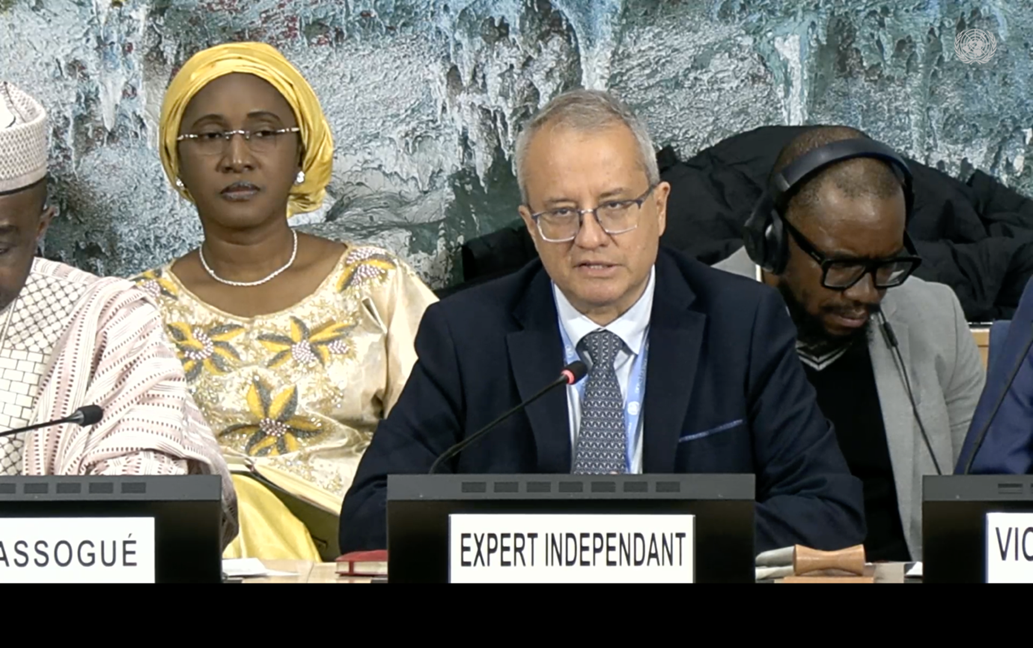
On March 26, 2026, at the 61st session of the Human Rights Council, an Interactive Dialogue was held with the Independent Expert (IE) on Mali, Eduardo Gonzales. The Report ‘Human Rights Situation in Mali’ (A/HRC/61/76) addresses a deepening multidimensional crisis involving insecurity, humanitarian decline, and widespread human rights violations. Although some institutional reforms have been introduced, their impact is undermined by restrictive political measures, including limits on civic space, opposition, and media. Serious abuses, such as killings, disappearances, and arbitrary detentions are attributed to both extremist groups and state-linked actors, with civilians most affected. The report stresses that the crisis goes beyond security and requires a comprehensive political and social response, not just military action. The Malian government rejects the report as biased, highlighting its reforms, judicial efforts, and counterterrorism priorities.
European and other Western states emphasise deteriorating human rights, shrinking civic space, and impunity, urging accountability and democratic restoration.
Several African, Sahel, and partner countries support Mali’s efforts, stressing sovereignty, the complexity of terrorism, and the need for international assistance and capacity-building. NGOs underline civilian suffering, school closures, and repression, calling for renewed focus on victims, accountability, and civic freedoms.
Geneva International Centre for Justice (GICJ) fully supports the findings of the Independent Expert and expresses grave concern over ongoing violations, including extrajudicial killings, enforced disappearances, arbitrary detention, and restrictions on fundamental freedoms. It calls for accountability for all perpetrators, including state forces, and urges Mali to cooperate with international human rights mechanisms while ensuring protection of civilians, especially women and children. GICJ also calls on the international community to remain actively engaged, providing technical support while upholding accountability, human rights, and the rule of law.
Background
The human rights situation in Mali continues to be shaped by a multidimensional crisis marked by insecurity, political transition, and widespread humanitarian needs. Since 2012, Mali has faced ongoing armed conflict involving State forces, non-State armed groups, and extremist organisations, resulting in persistent violence against civilians and the erosion of State authority, particularly in central and northern regions.
The security situation remains highly volatile, with continued attacks by armed groups and growing risks for civilians, especially in the context of counter-terrorism operations. The Human Rights Council has placed particular emphasis on the protection of civilians in this context.
At the political level, Mali remains under a transitional framework following recent coups, with delays in the return to constitutional order contributing to uncertainty and tensions domestically and internationally.
Nevertheless, some political, legal and institutional developments should be noted, such as: the adoption of the National Charter for Peace and National Reconciliation on 22 August 2025; the decree of 20 August 2025 establishing the organizational structure of the National Directorate for the Judicial Protection of Children; the organization of the National Forum on Justice, held from 25 to 30 September 2025, and on 30 and 31 October 2025.
The humanitarian situation remains critical, with large segments of the population in need of assistance due to displacement, food insecurity, and limited access to basic services. The withdrawal of the peacekeeping mission; the United Nations Multidimensional Integrated Stabilization Mission in Mali (MINUSMA) has further raised concerns about reduced international monitoring and protection capacity, compounded with Mali’s decision to withdraw from the Rome Statute of the International Criminal Court in September 2025.
Summary of the Expert’s Report
Overall, the situation described in A/HRC/61/76 underscores the persistence of structural challenges in Mali, including insecurity, impunity, and weak State presence, while also pointing to the need for strengthened cooperation between the Malian authorities and international human rights mechanisms. The Human Rights Council continues to address these issues through the mandate of the Independent Expert, including in the context of interactive dialogues with the participation of the Government of Mali.
The report also highlights ongoing serious human rights violations and abuses committed by both State and non-State actors. These include unlawful killings, enforced disappearances, arbitrary arrests, and restrictions on fundamental freedoms, alongside a shrinking civic space and increased pressure on civil society actors.
At the political level, the report highlights that decisions by the transitional authorities have significantly restricted civic and democratic space, including the suspension of electoral processes, the banning of political parties, and limitations on public participation. These measures have weakened institutional checks and reduced citizens’ ability to influence governance.
A key analytical concern is the growing climate of impunity, exacerbated by Mali’s withdrawal from the International Criminal Court, thereby limiting judicial accountability for violations. This undermines the rule of law and contributes to the persistence of abuses.
Despite some legislative and institutional efforts to strengthen human rights protection, the report finds these remain insufficient to counter broader negative trends, including worsening insecurity, deteriorating living conditions, and reduced protection capacity.
Overall, the report frames the crisis as multidimensional and entrenched, requiring not only security responses but also renewed commitments to democratic governance, accountability, and cooperation with international human rights mechanisms.
Summary of the Interactive Dialogue
Statement of the Independent Expert
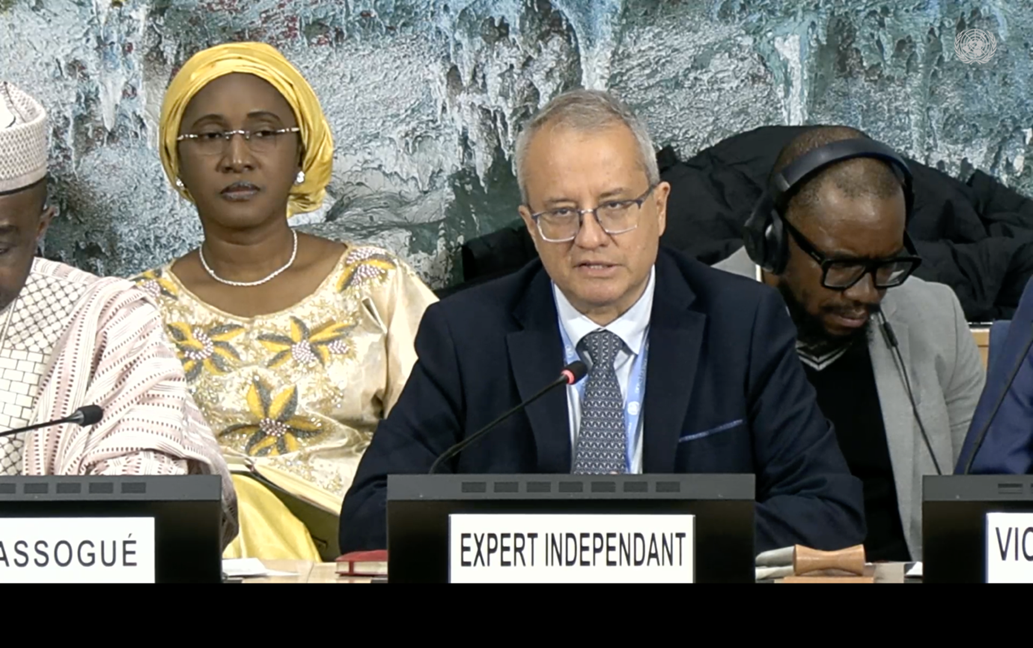
The IE opened his statement by saying how the situation in Mali has significantly deteriorated since April 2025, with a worsening political, security, humanitarian, and human rights crisis. This decline, he argued, is not solely attributable to terrorism or external factors, but is also closely linked to political decisions taken by the Malian authorities. As a result, the country is entering a dangerous cycle of violence and increasing authoritarianism.
He further stated that some normative progress has been made, such as reforms related to child protection, penitentiary administration, and national reconciliation. However, these measures are likely to have limited impact due to parallel policy choices that undermine their effectiveness.
He then stated that the Report documents a sharp rise in human rights violations and abuses, including summary executions, enforced disappearances, sexual violence, arbitrary detention, and civilian casualties from drone strikes. These violations are committed not only by terrorist groups but also by state security forces, their foreign partners, and community militias. Civilians are increasingly affected, as reflected in rising displacement, school closures, and the breakdown of social cohesion. The crisis in Mali is therefore multidimensional, encompassing security, institutional, social, and humanitarian aspects.
The IE further stated that government decisions in 2025 have played a critical role in exacerbating the crisis. Measures such as the dissolution of political parties, restrictions on media and civil society, the extension of the transitional presidency, and reduced cooperation with international accountability mechanisms have weakened democratic governance. Collectively, these actions have reduced checks and balances, restricted civic space, undermined oversight, and contributed to a shift toward authoritarianism.
The IE emphasised that a purely security-based response is insufficient. Overreliance on military force, including the use of foreign partners and militias, risks increasing community tensions, fueling radicalization, and weakening public trust. A sustainable resolution requires a holistic approach grounded in justice, transparency, and dialogue.
The IE concluded his statement with key recommendations that include combating impunity through credible investigations and prosecutions of all perpetrators, ensuring reparations for victims, and implementing measures to better protect civilians, particularly in the context of new military technologies. The IE also called for restoring democratic governance, including the release of individuals detained for their opinions, lifting restrictions on freedoms, and organising transparent and inclusive elections.
Statement by the Minister of Justice and Human Rights, Keeper of the Seals of Mali
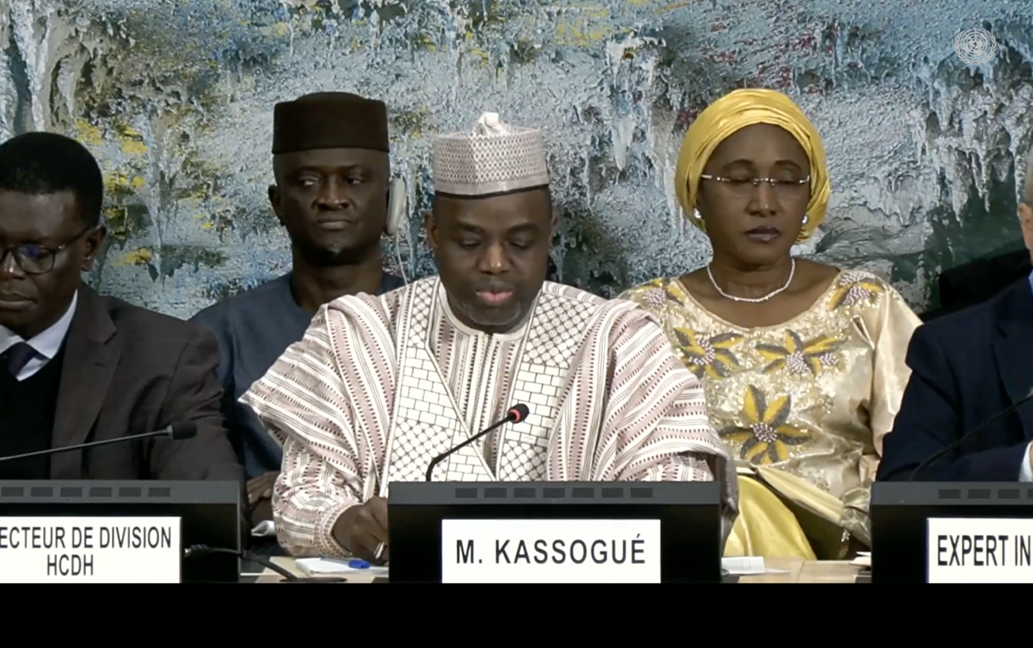
The Minister of Justice and Human Rights affirmed that meaningful progress was made in 2025 in the promotion and protection of human rights. The Minister rejected allegations of widespread violations as unfounded, biased, and based on non-credible sources, noting that such claims lack objectivity and are not accompanied by constructive proposals for technical assistance.
He further emphasised that national institutions, particularly the National Human Rights Commission and the judiciary, are actively fulfilling their mandates. Judicial reforms have indeed led to the systematic investigation of alleged human rights violations, reflecting ongoing efforts to combat impunity.
The Minister contested claims of a shrinking civic space, stating that no individual has been detained solely for expressing opinions, and that legal actions are taken only in cases involving criminal conduct, including the protection of honour and dignity. He also defended recent political reforms as part of a broader effort to restructure the political landscape, strengthen democratic foundations, and reduce corruption through an inclusive and participatory process.
The Minister underscored that the primary source of human rights violations remains terrorist and criminal groups, whose activities continue to destabilise the country. In this context, the armed forces, supported by the population and strategic partners, are engaged in maintaining security and upholding the rule of law.
The Minister further highlighted progress in key areas, including the adoption of a national peace and reconciliation charter, reforms to criminalize and prosecute slavery, strengthened measures against human trafficking, and the implementation of policies and programs to combat gender-based violence.
Statements by Member States
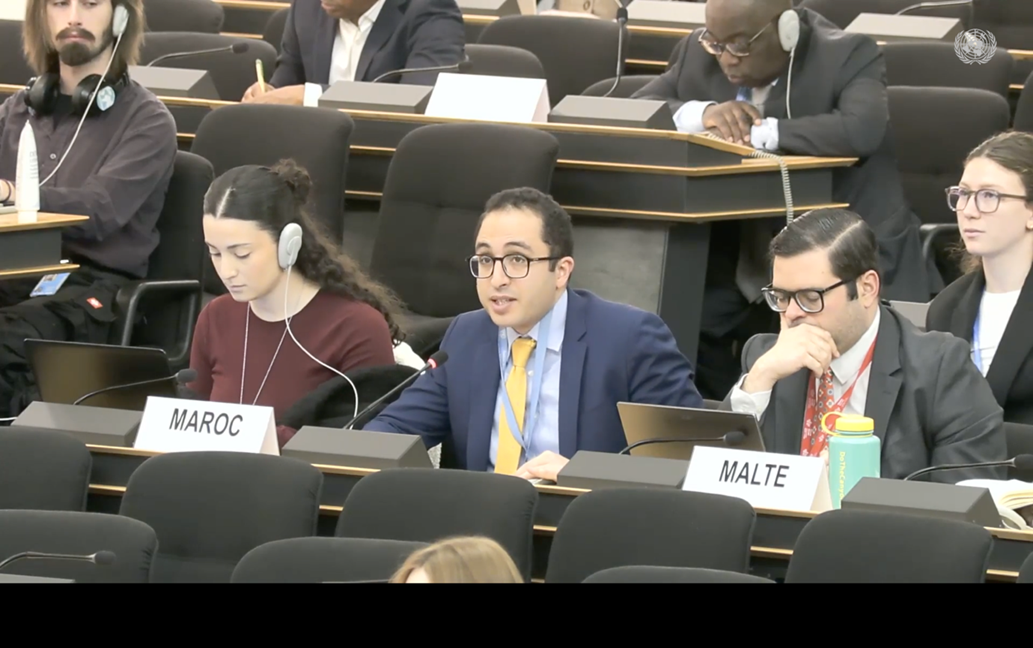
The Representative of Morocco emphasized its close human and historical ties with Mali and expressed concern over human rights violations linked to insecurity, particularly those arising from the activities of armed groups. He condemned the recruitment of children by such groups, as well as forced displacement, abductions, and attacks on civilian infrastructure. He expressed solidarity with Mali and its efforts to restore stability and security across its territory. He also welcomed the legal and political reforms undertaken to strengthen human rights protection, especially in implementing recommendations from the fourth cycle of the Universal Periodic Review.
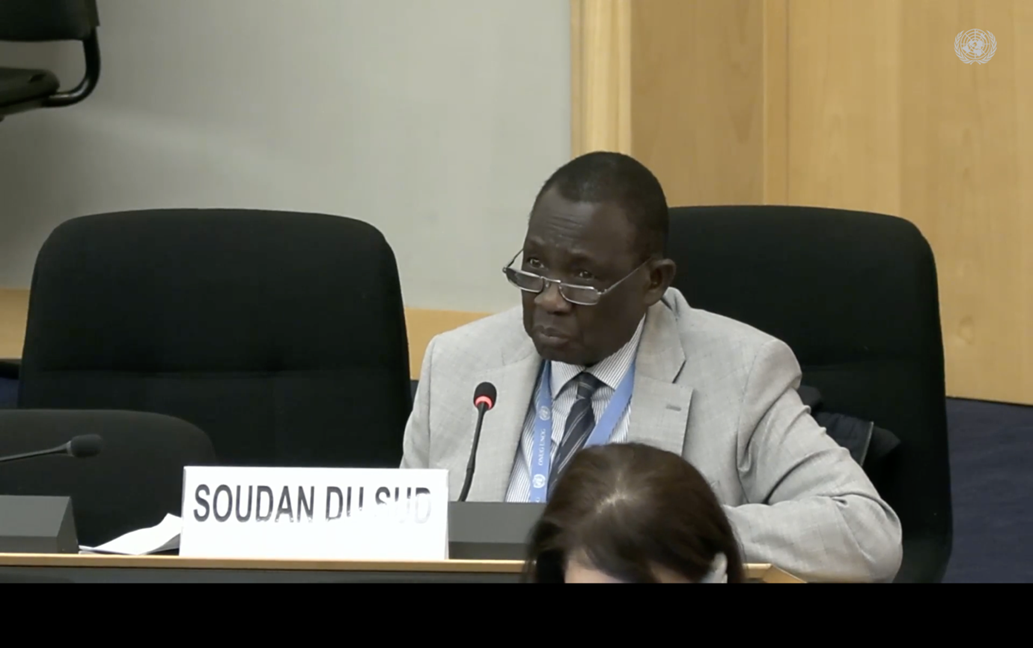
The Representative of South Sudan, highlighted the adoption of the 22 August 2020 National Charter for Peace and National Reconciliation as a significant step toward promoting peace, social cohesion, and coexistence. He noted positive legal developments in Mali that, if effectively implemented, could enhance security and strengthen the promotion and protection of human rights. The Representative encouraged continued cooperation between Mali and international and regional partners, particularly in institution-building, rule of law, and civilian protection.
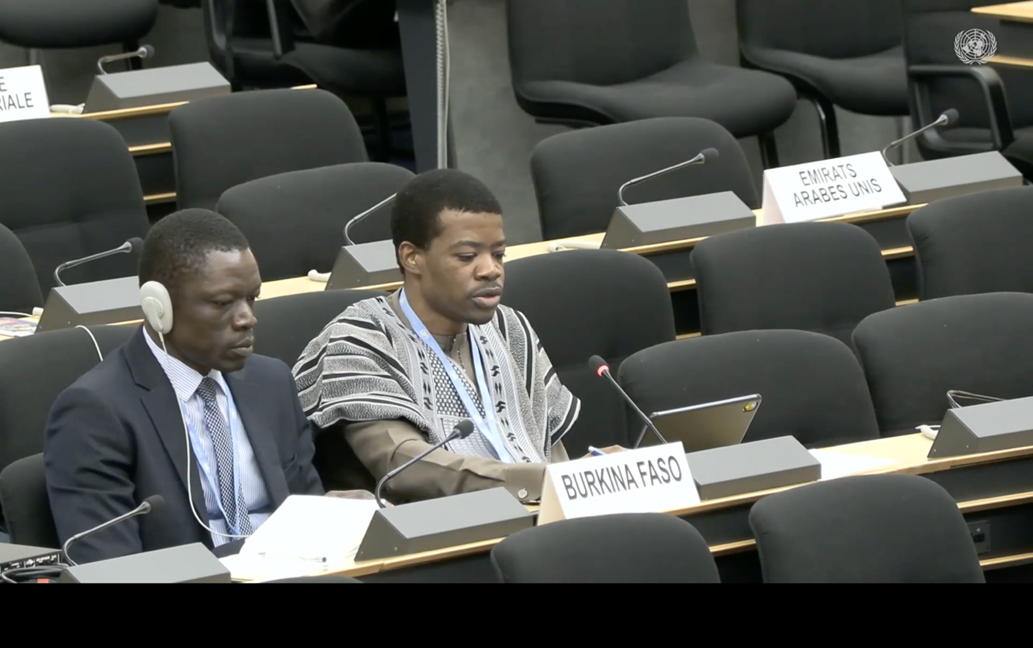
The Representative of Burkina Faso expressed support for the African Group’s statement and congratulated Mali on its efforts to address the multidimensional crisis affecting the country and the wider Sahel region. The Representative highlighted Mali’s initiatives in judicial reform, the establishment of transitional justice mechanisms, and reparations for victims, noting that these efforts complement those of other Sahelian states in combating impunity, calling on the international community to provide further assistance in a manner that respects Mali’s sovereignty.
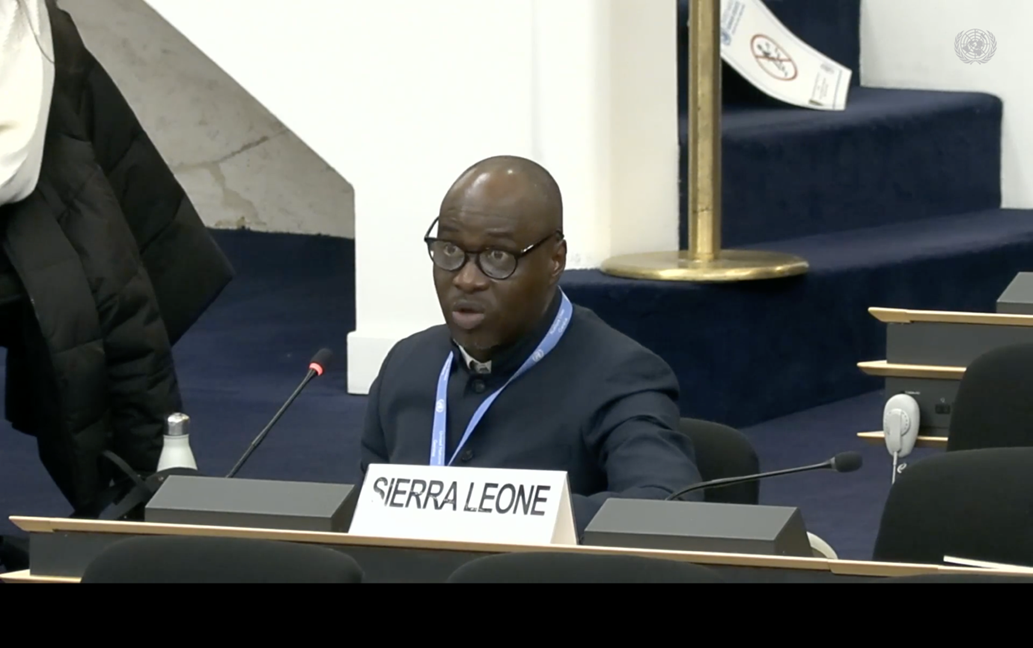
The Representative of Sierra Leone acknowledged the efforts of the Malian authorities in addressing complex security challenges posed by terrorism and violent extremism, as well as in working to restore stability across the country. At the same time, he underscored the importance of ensuring that these efforts fully comply with international human rights and humanitarian law. The Representative stressed that the protection of civilians, especially women and children, must remain a central priority, in line with the recommendations of the Independent Expert. Speaking also in his capacity as Chair of Economic Community of West African States (ECOWAS), Sierra Leone reaffirmed its commitment to promoting dialogue and cooperation with the Government of Mali, including efforts toward the reintegration of Mali and other Sahel States into ECOWAS. It encouraged Mali to give due consideration to the Independent Expert’s recommendations, particularly those related to strengthening accountability, enhancing cooperation with international human rights mechanisms, and ensuring that security operations fully respect international law.
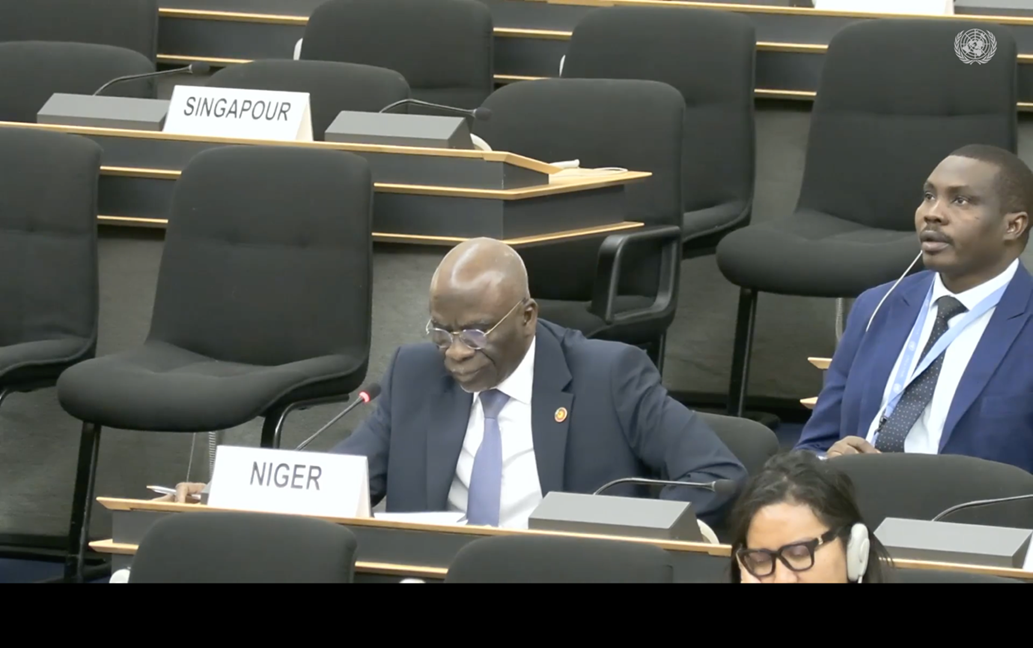
The Representative of Niger took note of the report of the IE on the situation in Mali and acknowledged some of the concerns raised. However, he regretted that the broader security context had not been sufficiently considered, resulting in what he viewed as an unbalanced assessment based on allegations from insufficiently verified sources, potentially leading to bias against the Malian authorities. The Representative welcomed the considerable efforts undertaken by Mali to combat terrorism and to promote and protect the rights of its population without discrimination. He emphasised that Mali, like other States in the region, is facing a conflict imposed by terrorist groups with transnational support, and that certain measures adopted by the authorities should be understood in light of prevailing security imperatives. Niger also commended Mali’s efforts during this critical phase of reconstruction, including initiatives related to national reconciliation, institutional reform, and the strengthening of the judiciary to enhance human rights protection. It reaffirmed its support for the Malian authorities during this important transitional period.
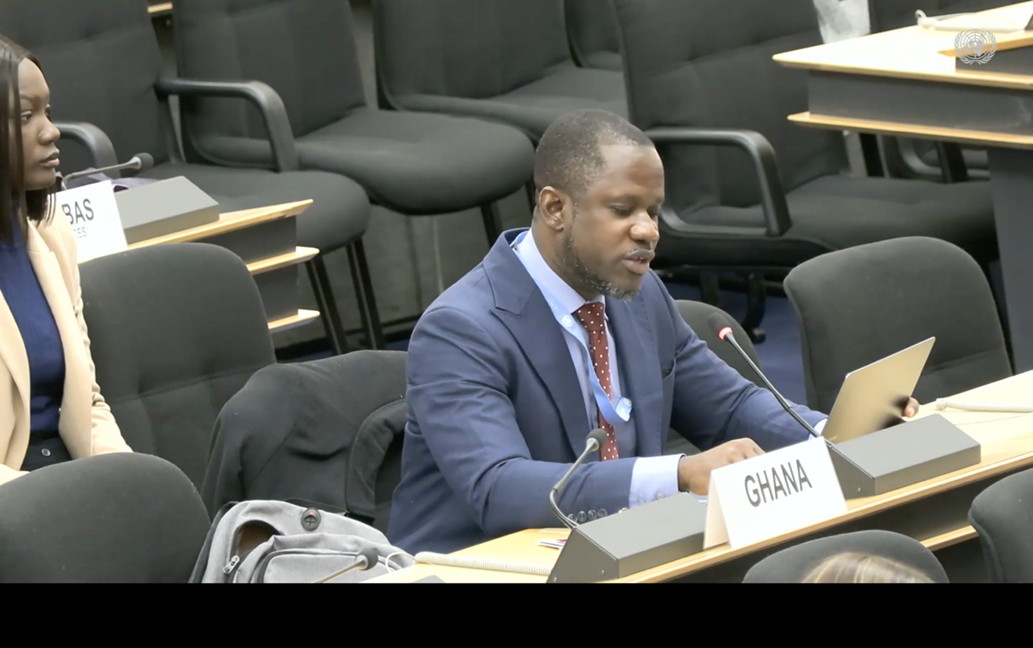
The Representative of Ghana welcomed several positive developments in Mali, notably the adoption of the Charter for Peace and National Reconciliation, which lays the foundation for justice, social cohesion, and reparations for victims. He also commended the establishment of new institutions, including the National Directorate for the Judicial Protection of Children and the General Directorate for Prison Administration. The Representative further highlighted the organisation of the National Forum on Justice and the submission of Mali’s midterm report on the implementation of Universal Periodic Review recommendations as evidence of the country’s continued commitment to international human rights standards. Ghana encouraged the Malian authorities to continue addressing concerns related to the protection of civilians by all parties to the conflict and to work towards restoring civic and political space. Finally, he urged Mali to maintain constructive engagement with the IE to strengthen human rights protections.
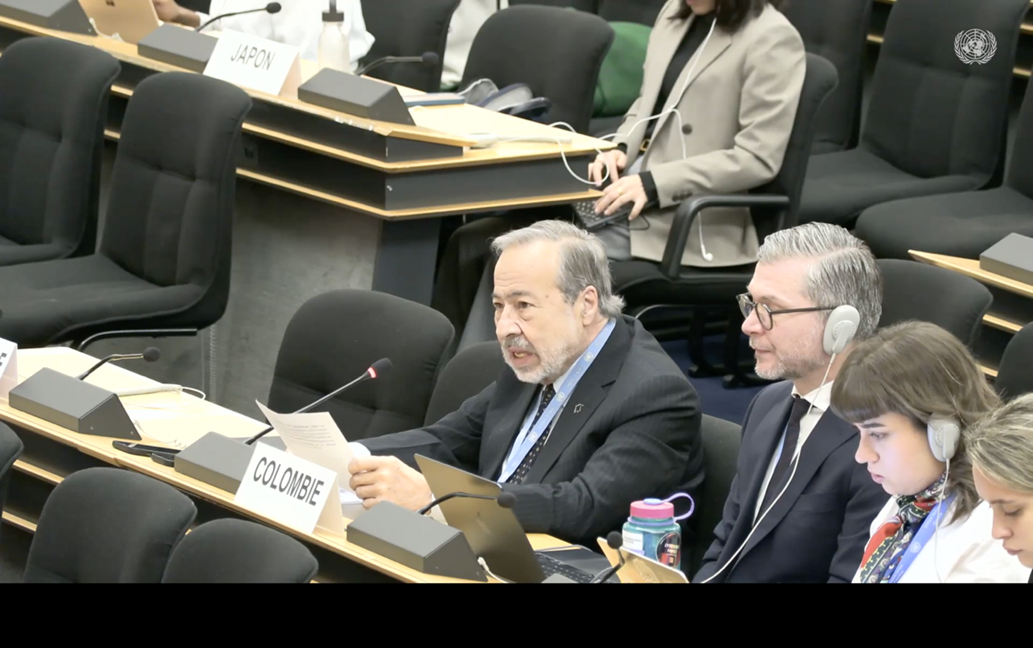
The Representative of Colombia took note of the human rights situation in Mali and echoed the call for the Malian authorities to cooperate actively with the IE. He also encouraged Mali to reconsider its decision to withdraw from the Rome Statute. Drawing on its own experience of addressing serious human rights challenges, Colombia expressed its readiness to share best practices with Mali, particularly regarding cooperation with United Nations mechanisms. In this context, the Representative respectfully called on the Malian authorities to finalise and publish the report of the Truth Commission, ensuring that victims and society as a whole can access the truth about past violations and help prevent their recurrence.
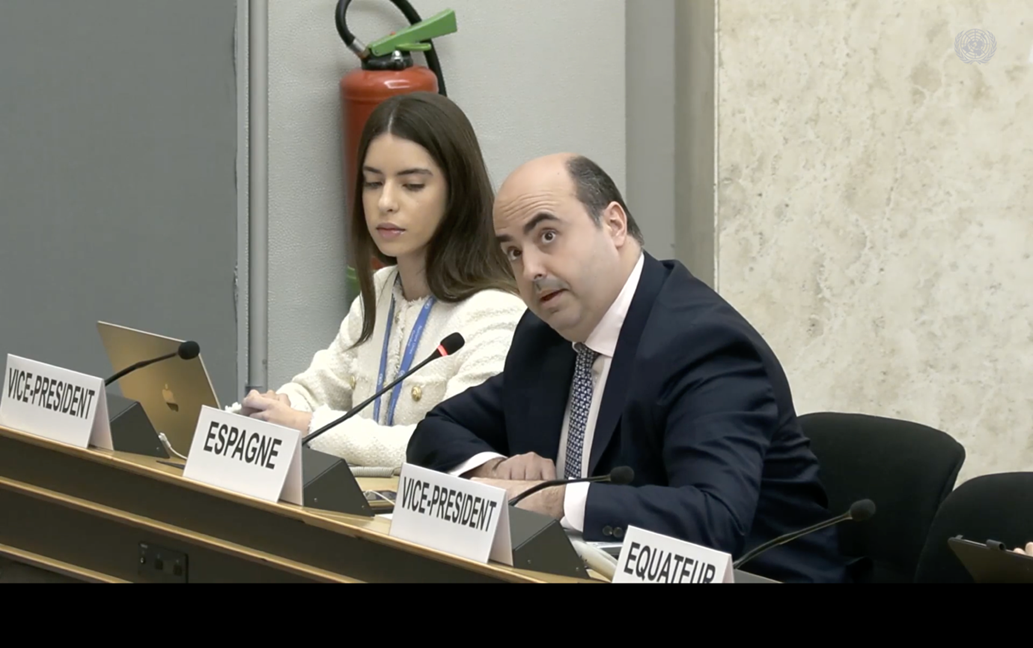
The Representative of Spain expressed grave concern over the security situation in Mali and the deterioration of human rights. He condemned violations of human rights and international humanitarian law committed by all parties, including non-state armed groups as well as Malian defence and security forces and their allies. Spain raised concerns about the shrinking civic and political space, citing issues such as arbitrary detentions, arrests of human rights defenders and political adversaries, the suspension of political parties and associations, and restrictions on freedom of expression and the press, including the closure of radio stations. The delegation also regretted the indefinite postponement of the transition process and Mali’s withdrawal from the Rome Statute. Spain expressed support for international efforts, in cooperation with national authorities, to establish an effective transitional justice system and to strengthen the national judiciary.
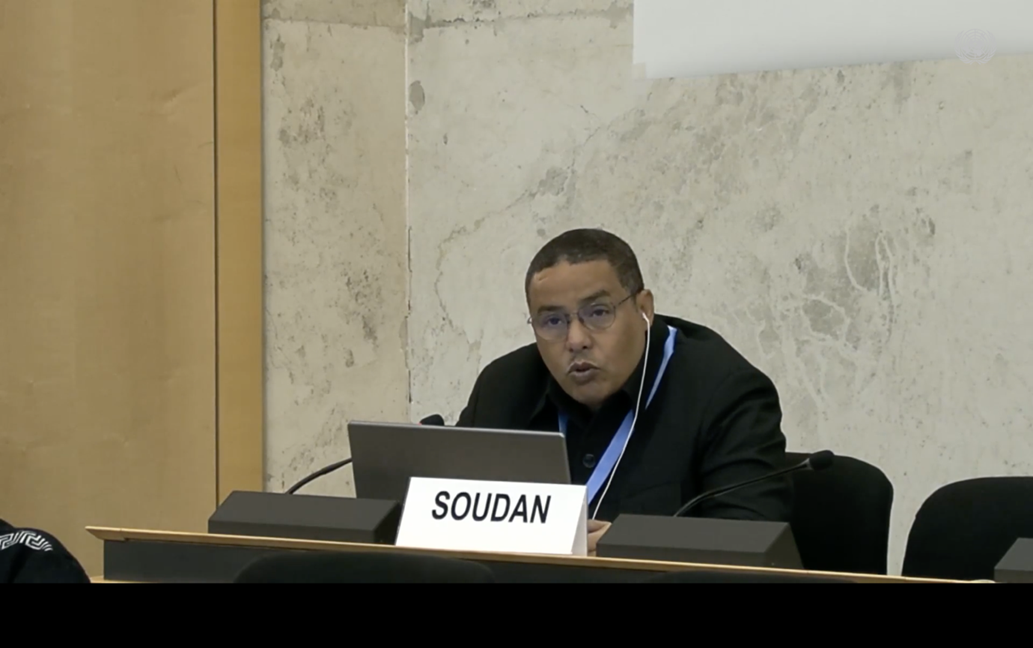
The Representative of Sudan acknowledged the efforts made by the Malian government to restore peace and stability, improve the security situation, and combat corruption. The delegation commended the legal and constitutional reforms undertaken in the field of human rights and welcomed the adoption of the National Charter for Peace and National Reconciliation, as well as the action plan of the transitional authorities. The Representative expressed support for initiatives aimed at strengthening national efforts to ensure a peaceful transition.
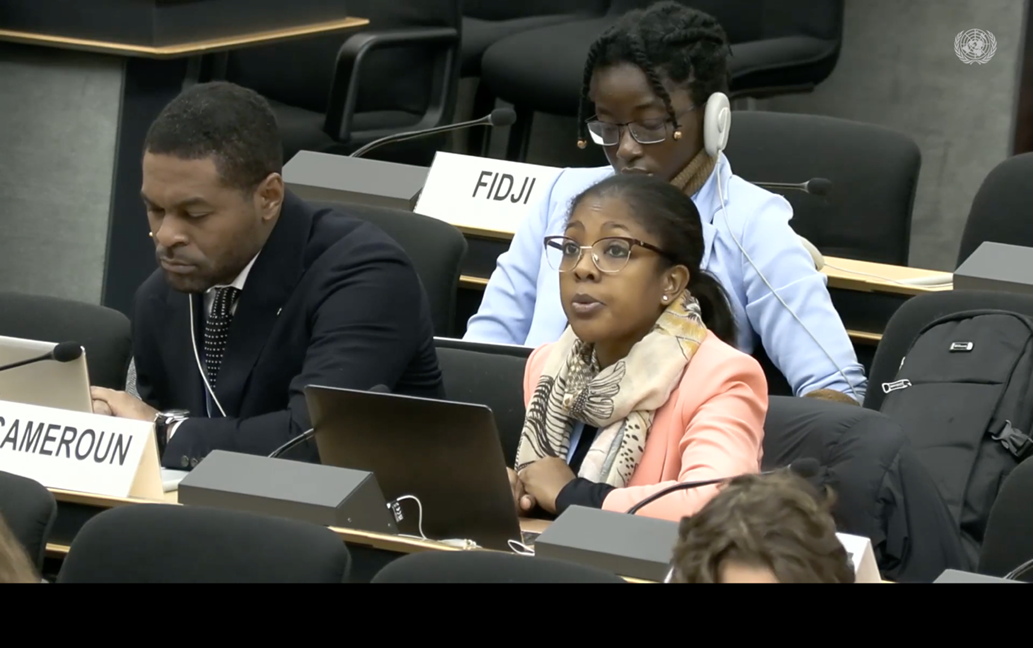
The Representative of Cameroon welcomed the efforts undertaken by Mali to restore peace, strengthen security across its territory, and continue the implementation of institutional reforms. She also emphasised the importance of taking into account national realities and the specific constraints faced by Mali, particularly in the implementation of recommendations issued by international mechanisms.
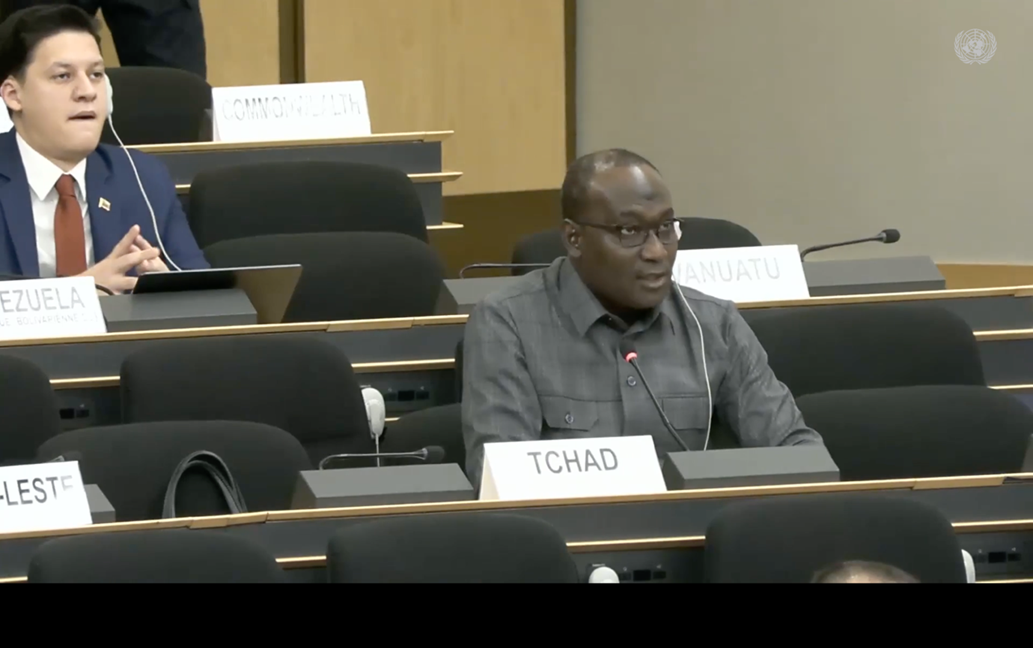
The Representative of Chad reaffirmed the country’s commitment to state sovereignty and cooperation based on dialogue and consent. He highlighted that, in light of the security and institutional challenges facing Mali, technical assistance and capacity-building are essential to strengthening the rule of law and ensuring effective human rights protection. The delegation emphasised that international support should prioritise strengthening the judiciary, training defence and security forces in line with international standards, and supporting national mechanisms for the promotion and protection of human rights. He finally stressed that such assistance must follow a constructive, pragmatic, and non-politicised approach, aligned with Mali’s national priorities.
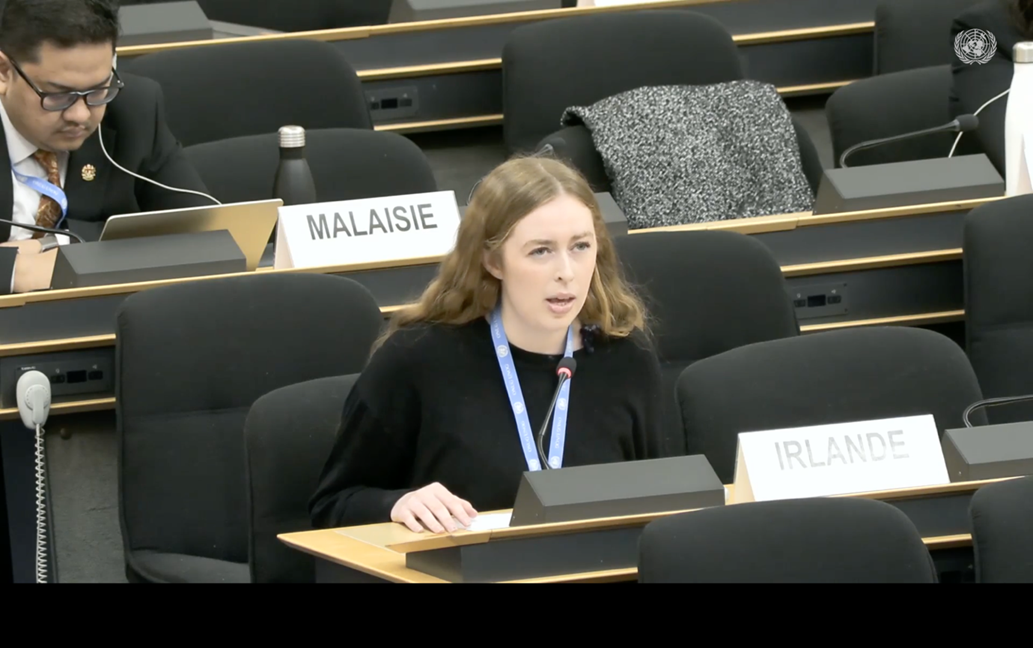
The Representative of Ireland welcomed the adoption of the National Charter for Peace and National Reconciliation in 2025 as a positive step for human rights in Mali. However, she stressed that stronger actions are needed to address the ongoing security, humanitarian, and human rights challenges. The delegation expressed concern over reports of extrajudicial killings, violence against civilians, restrictions on civic space, the banning of political parties, and Mali’s withdrawal from the Rome Statute of the International Criminal Court. The Representative called on Malian authorities to take concrete measures to ensure accountability for violations and abuses and to strengthen the protection of human rights throughout the country.
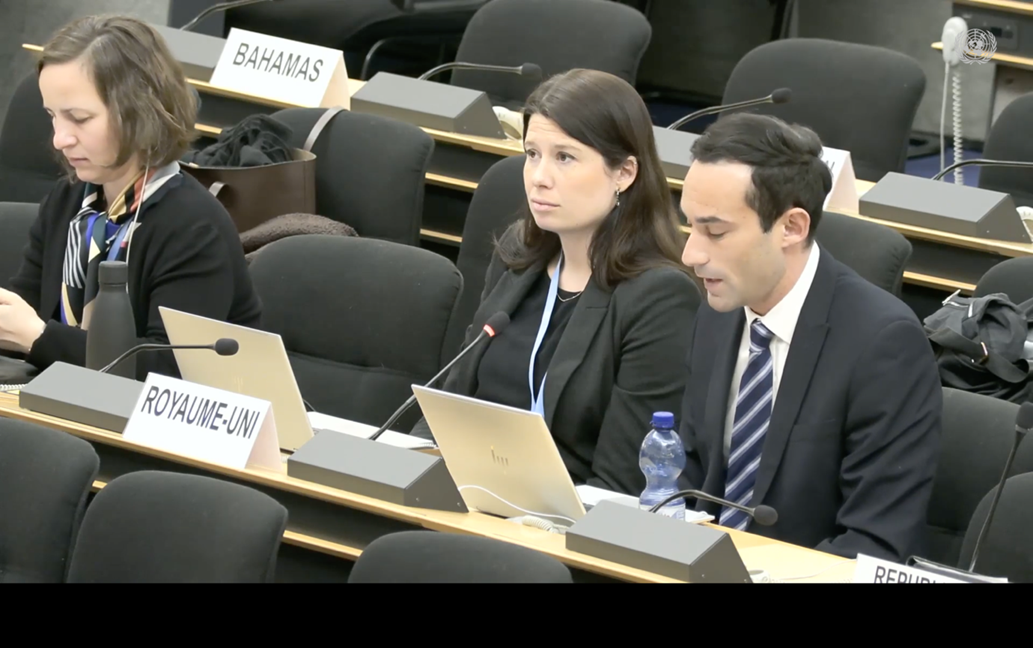
The Representative of the United Kingdom emphasised the importance of continued engagement with the Human Rights Council and the mandate of the IE, noting that respect for human rights, justice, and accountability is fundamental to achieving lasting security and stability. He urged the Malian government to maintain active cooperation with the IE. The United Kingdom reaffirmed its commitment to supporting the Malian people, noting that it is providing approximately $55 million this financial year for health, education, and humanitarian assistance for those displaced by conflict. The Representative welcomed efforts by the Malian government to address challenges facing the population and encouraged further steps to strengthen human rights protection and end impunity.
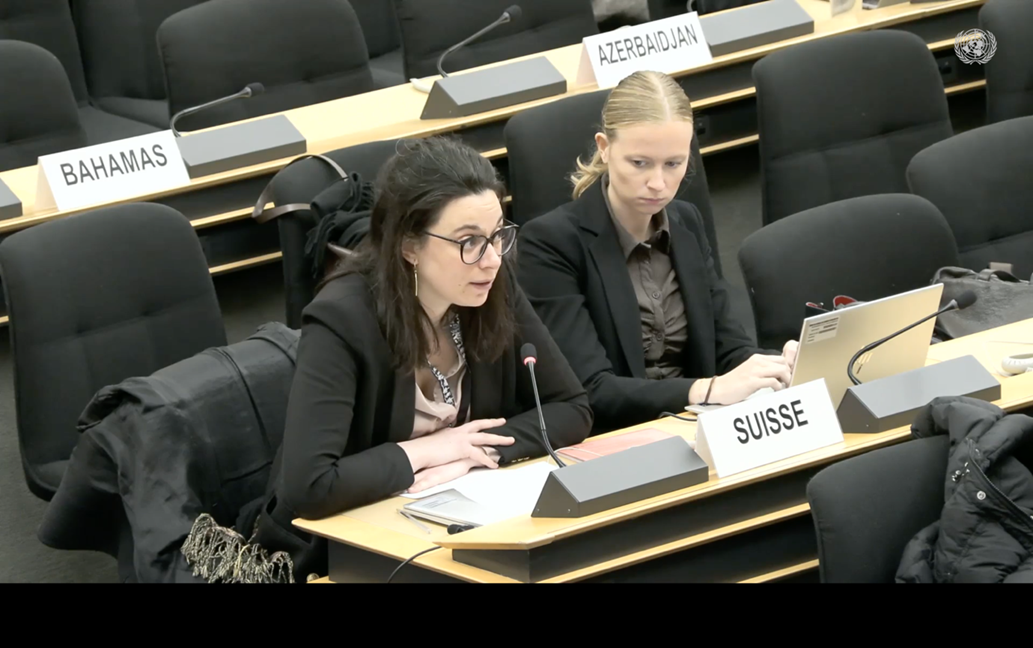
The Representative of Switzerland expressed deep concern over the multidimensional crisis in Mali, noting the ongoing deterioration of the security situation. The Representative highlighted the rapid shrinking of civic space, growing restrictions on political expression, and limitations on public debate and access to free, independent, and pluralistic information. Switzerland called on all parties to the conflict to respect international humanitarian law and human rights, and urged the Malian authorities to guarantee fundamental freedoms, including freedom of expression, peaceful assembly, and association for all political actors. She also stressed the importance of creating a safe environment for journalists and human rights defenders to carry out their work. The Representative called on Mali to cooperate fully with international human rights mechanisms, including the IE.
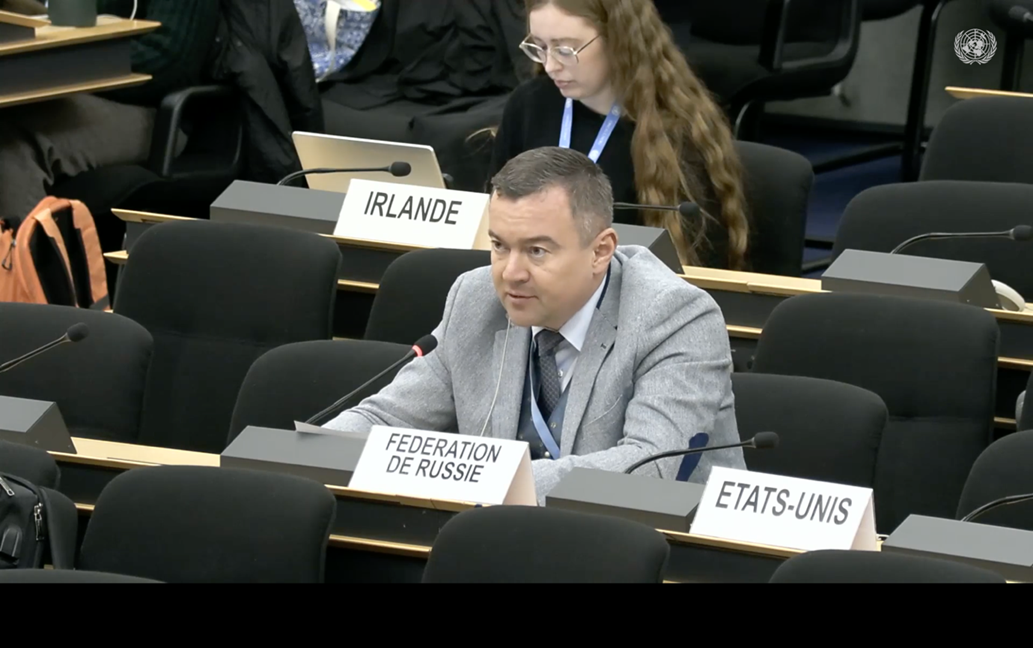
The Representative of the Russian Federation acknowledged the complex human rights situation in the country, largely resulting from the activities of terrorist groups. He expressed concern over disinformation campaigns in foreign media, including claims attributed to so-called independent experts, which it believes serve to destabilise Mali. He condemned these efforts and called on the international community to support Malian authorities in addressing the multifaceted challenges facing the country, including human rights concerns, rather than exacerbating the situation.
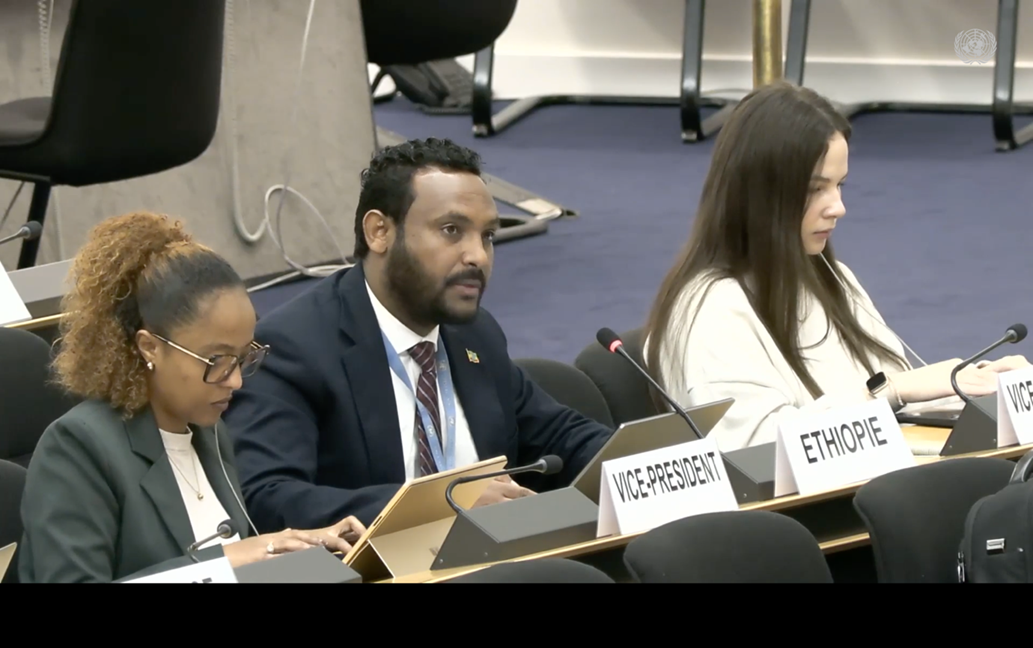
The Representative of Ethiopia commended Mali’s continued efforts to address complex security, political, and humanitarian challenges while promoting and protecting human rights. The delegation noted progress in strengthening national institutions and reiterated the importance of a nationally owned and inclusive approach to peacebuilding, reconciliation, and governance. He also highlighted the need for continuous technical assistance and capacity-building, provided at Mali’s request, to support institutional resilience and the effective delivery of public services, stressing that such support should be predictable and tailored to national priorities.
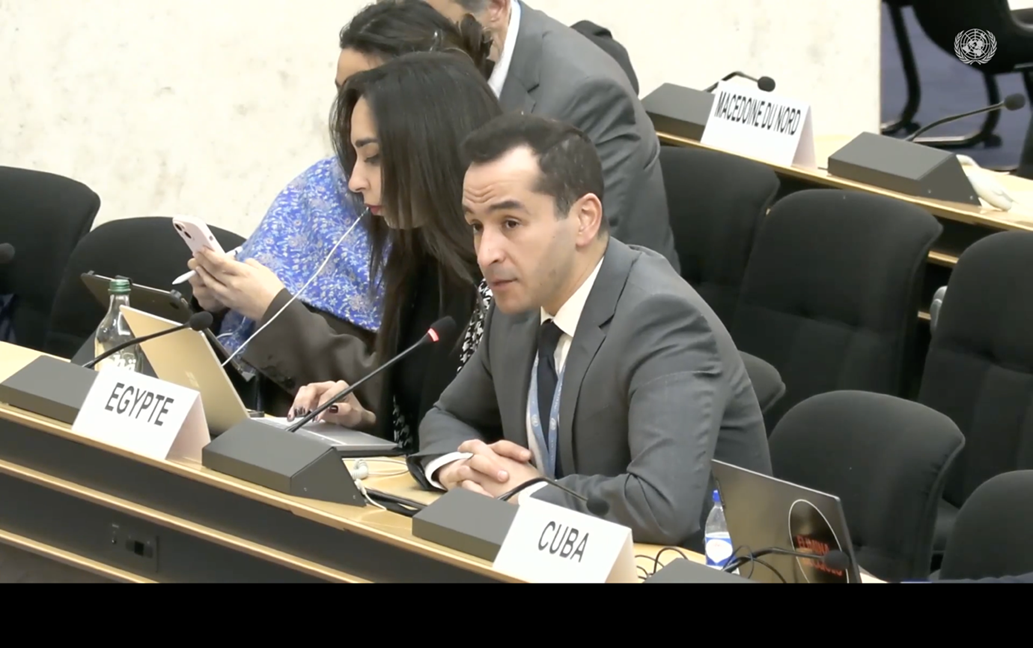
The Representative of Egypt encouraged Malian authorities to continue cooperating with human rights mechanisms and to pursue further progress in these areas. The Representative reiterated its support for technical cooperation and national capacity-building initiatives.
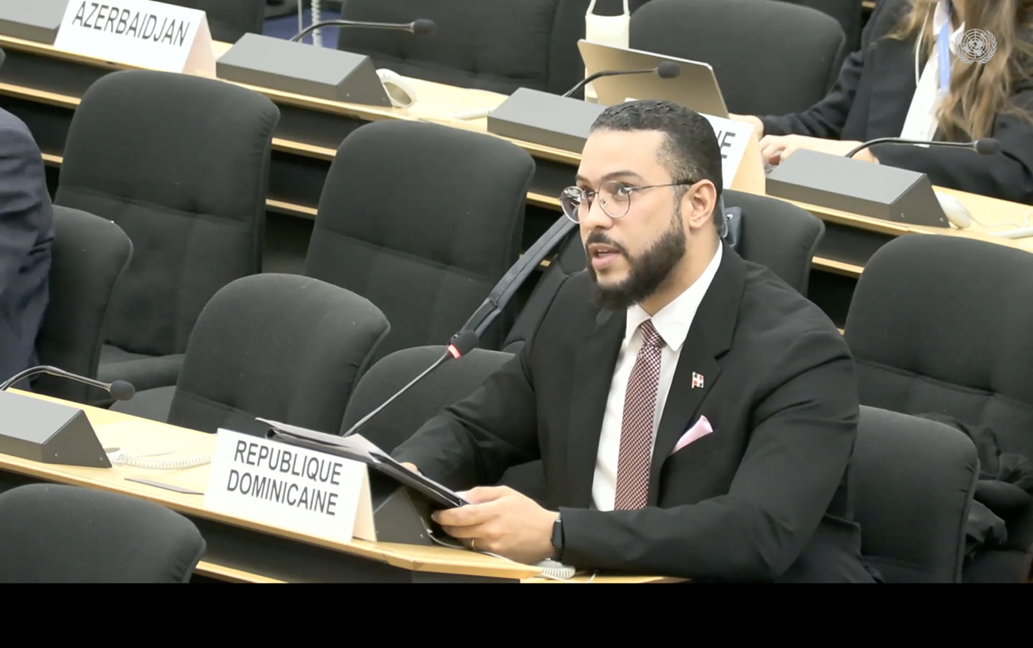
The Representative of the Dominican Republic noted continuing concerns regarding the impact of violence on the population, including human rights violations, displacement, and restricted access to basic services, especially in regions most affected by the conflict. The delegation reiterated the need for ongoing dialogue and cooperation with international human rights mechanisms, as well as continued support from the international community to assist Mali in advancing peace, accountability, national reconciliation, and stable development.
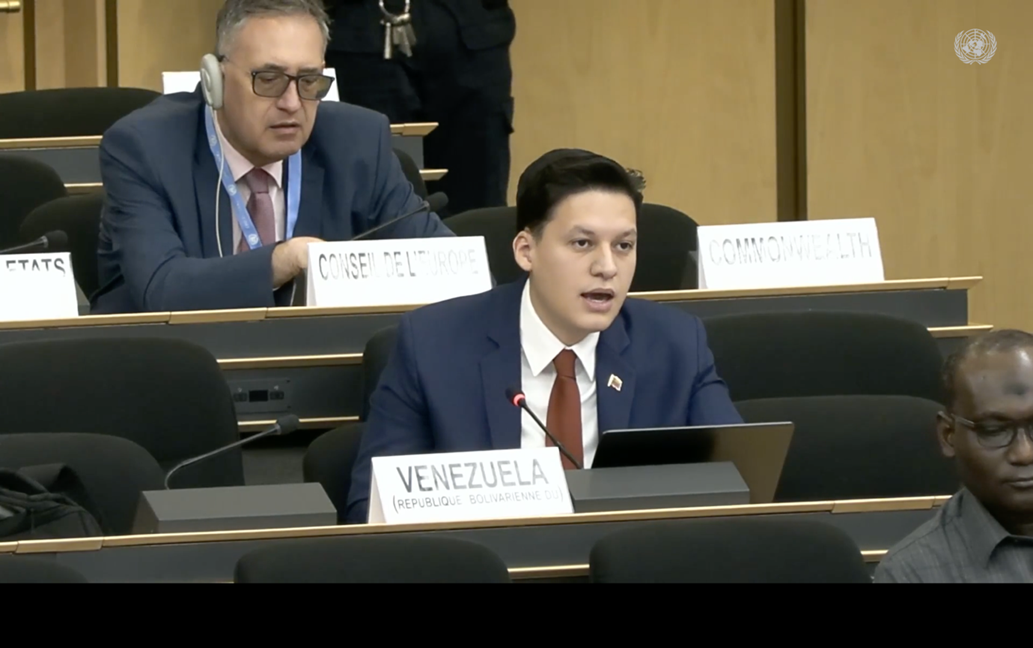
The Representative of Venezuela emphasised that technical assistance should be provided only with the consent of the state, through genuine dialogue, and with full respect for sovereignty. It acknowledged Mali’s cooperation with the Universal Periodic Review (UPR) as a mechanism for dialogue and noted that Mali has accepted a significant number of recommendations, incorporating them into national policies. The delegation valued Mali’s ongoing efforts to strengthen its human rights institutions and highlighted the country’s commitment to national reconciliation through inclusive processes, which should continue without external interference. Finally, the Representative called on the Human Rights Council and the international community to provide Mali with the operational support it requires while fully respecting its sovereignty and territorial integrity.
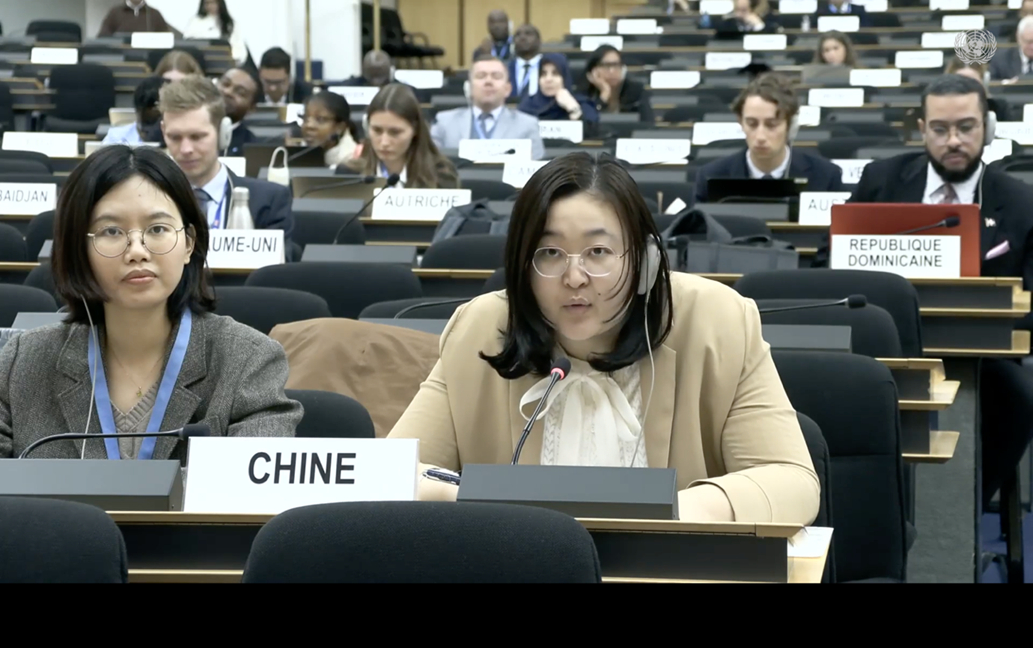
The Representative of China reaffirmed respect for the Malian people’s independent choice of development path. She expressed support for Mali’s efforts to safeguard national sovereignty, territorial integrity, stability, and security. The delegation emphasised that the international community should play a constructive role in promoting long-term peace, stability, and development in Mali and the region. China expressed readiness to continue providing support within its capabilities. The Representative called for a return to the original goals of promoting and protecting human rights through dialogue and cooperation based on equality and mutual respect, aiming for concrete actions to advance the cause of human rights globally.
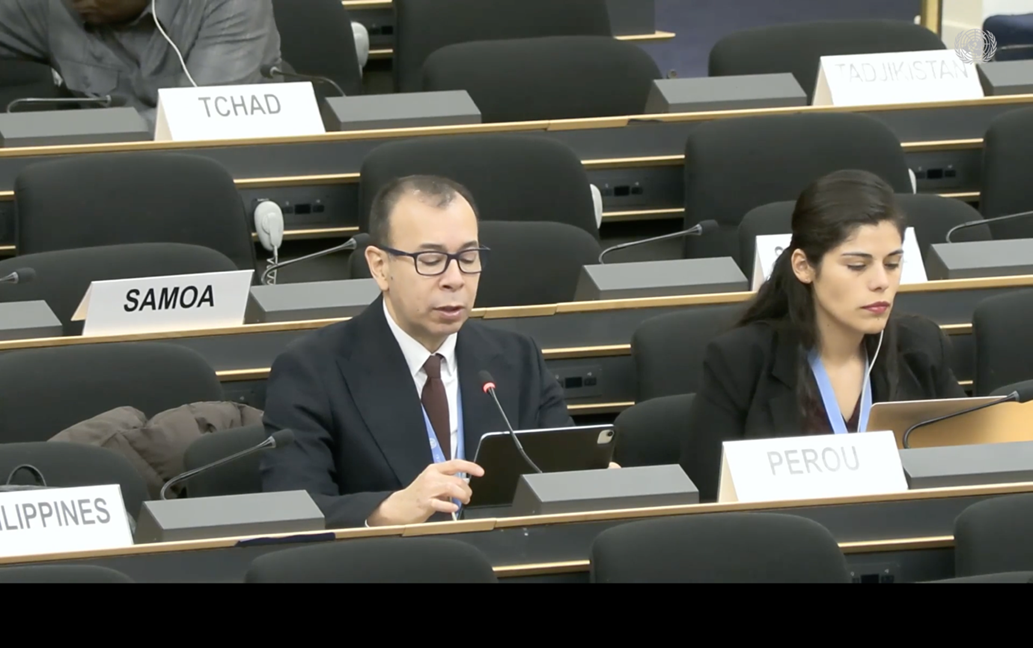
The Representative of Peru highlighted worries regarding Mali’s decision to withdraw from the International Criminal Court, particularly in a context of ongoing impunity and a lack of progress in prosecuting individuals for serious human rights violations and abuses. Peru also noted concerns about the lack of democratic elections, repression of political parties, and the shrinking of civic space, all of which undermine democratic institutions, the rule of law, and respect for human rights. In this context, he urged Mali to fully cooperate with international human rights mechanisms, including the mandate of the Independent Expert, noting that necessary cooperation, such as facilitating requested visits, had not always been provided.
Statements on behalf of Group of States
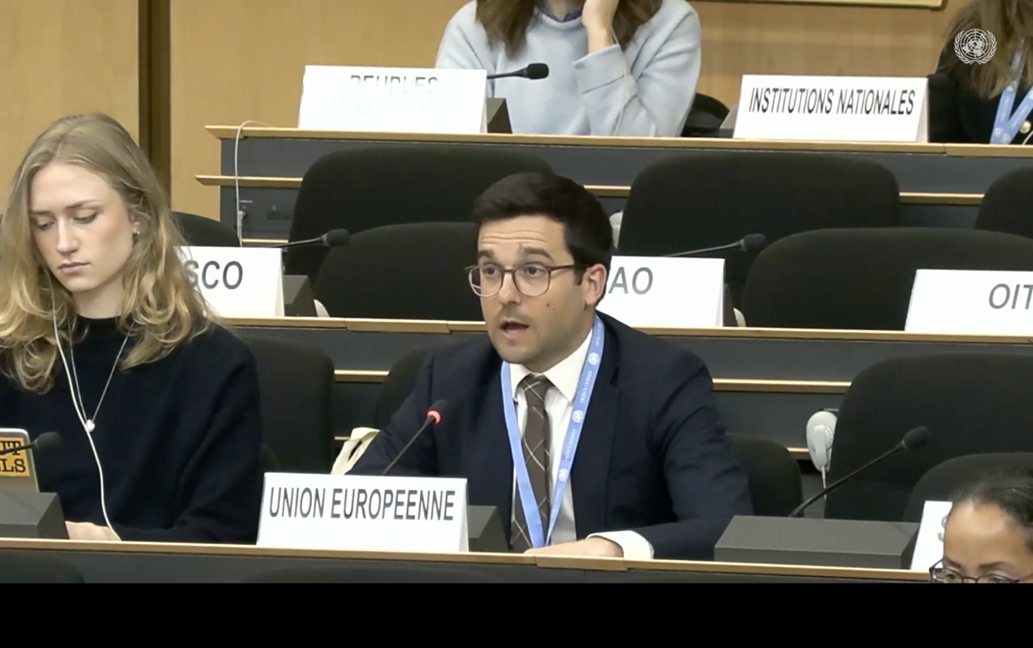
The Representative of the European Union stated that the human rights situation in Mali continues to deteriorate, marked by a contraction of democratic space. He noted that serious concern remains regarding the activities of extremist armed groups, as well as grave human rights violations committed by all parties to the conflict. These include violations attributed not only to violent extremist groups, but also to Malian defence and security forces and their foreign partners, including the Africa Corps. The Representative further expressed regret over Mali’s decision to withdraw from the Rome Statute, which raises concerns about the country’s commitment to international accountability mechanisms.
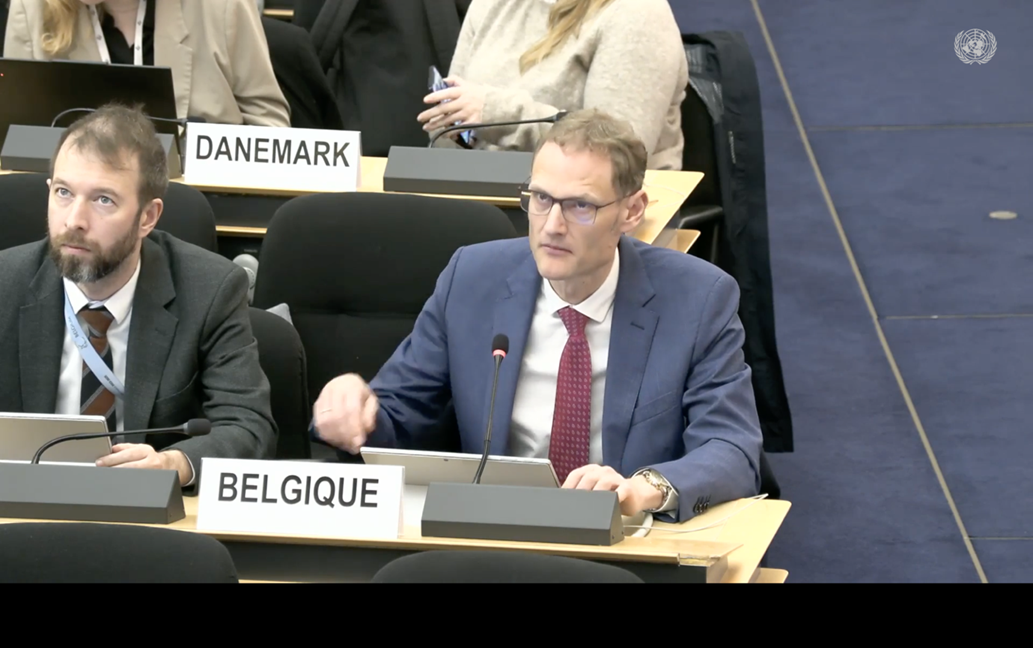
The Representative of Belgium, on behalf of the Benelux countries, expressed concern about the situation of women and girls, particularly the limited access to comprehensive care services for survivors of gender-based violence. The delegation also highlighted alarm at the high number of grave violations committed against children. He therefore welcomed the establishment of a National Directorate of Justice for Children in Mali and invited the distinguished expert to elaborate on how this new body could help strengthen the protection and respect of children’s rights in the country.
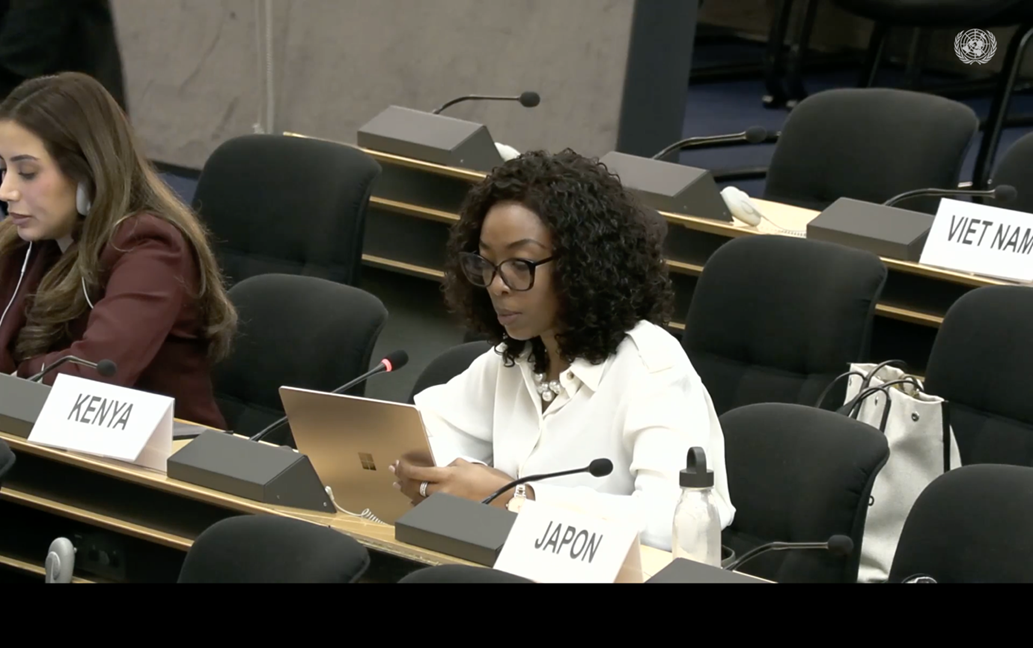
The Representative of Kenya, on behalf of the African Group, acknowledged that the situation remains concerning due to ongoing terrorism and transnational organized crime, including asymmetric attacks on both civilians and Malian armed forces. Despite these challenges, the African Group commended Mali’s efforts to address the crisis and improve human rights, highlighting key initiatives such as the adoption of the National Charter for Peace and Reconciliation; implementation of recommendations from the National Conference on Rebuilding; establishment of the National Directorate for Judicial Protection of Children; creation of the General Directorate of Prison Administration; and the launch of the DDR (Disarmament, Demobilization, and Reintegration) program on 11 February 2025, which aims to reintegrate 3000 former combatants, of whom 2000 into the armed forces and 1000 into social and economic programs.
Statements by NGOs
During the Interactive Dialogue, NGOs expressed deep concern over the closure of schools due to insecurity, which deprives children of their right to education and threatens social cohesion already affected by inequalities. They called for immediate measures, including mobilizing financing and technical support, to ensure educational continuity. They emphasised the need for an inclusive national dialogue involving all stakeholders. NGOs also noted the growing presence of extremist groups, which intensify attacks and exacerbate human rights violations, particularly through brutal attacks and restrictions on the rights of women and girls. Impunity and limited accountability remain key concerns, especially in the context of Mali’s withdrawal from the International Criminal Court. They urged Mali to revisit this decision and ensure that victims are placed at the center of all efforts. Additional concerns include the activities of the Wagner Group, shrinking civic space, and violations of fundamental freedoms. They further condemned the proposed 10% tax on NGOs in the country, seen as potentially devastating for civil society in Mali, representing a significant setback for the rule of law.
Concluding Remarks
The discussion highlighted two complementary perspectives on Mali’s human rights and transitional justice landscape. On one hand, IE Eduardo Gonzales emphasised the need for concrete follow-up on the National Charter for Peace and Reconciliation, urging that it go beyond intentions to foster genuine national dialogue and accountability. He stressed the importance of reparations for victims, and highlighted ongoing concerns regarding freedom of expression and enforced disappearances. The IE further underscored the need for objectivity in reporting and invited continued engagement with Mali to ensure transparency and accountability.
On the other hand, the Minister of Justice and Human Rights, Keeper of the Seals of Mali, Mamadou Kassogue provided the Malian authorities’ perspective, situating current challenges within the context of asymmetric warfare against terrorist groups and regional security dynamics. He clarified that Mali’s withdrawal from the International Criminal Court does not imply impunity, citing domestic legal mechanisms and specialised courts actively prosecuting crimes, including emblematic cases involving corruption and human rights violations. He emphasised that freedom of expression is respected within the law, while criminal accountability is enforced for acts that incite violence or terrorism. The Minister also addressed cooperation with the IE, highlighting efforts by Mali to facilitate engagement while rejecting any actions perceived as compromising national security.
Together, the statements reflect the ongoing tension between the urgent need for victim-centered justice, transparency, and human rights protection, and Mali’s emphasis on national sovereignty, security imperatives, and domestic mechanisms to address crimes. Both perspectives underscore the importance of continued dialogue, cooperation, and targeted support from the international community to balance accountability, peacebuilding, and security in Mali.
Position of the Geneva International Centre for Justice
Geneva International Centre for Justice (GICJ) aligns fully with the findings and recommendations of the IE on Mali. GICJ expresses deep concerns over the ongoing human rights violations, including extrajudicial killings, enforced disappearances, arbitrary detentions, and restrictions on freedom of expression, assembly, and political participation. It emphasises the urgent need for accountability and the prosecution of perpetrators, including those within state security forces and armed groups, to end the cycle of impunity. It also stresses the need for the Malian authorities to cooperate constructively with international human rights mechanisms, including the Independent Expert, and to guarantee the protection of civilians, particularly women and children, amidst ongoing insecurity. GICJ further urges that while accountability and the delivery of justice remain essential, the primary priority must be the restoration of peace and normalcy through coordinated efforts among all stakeholders. Peacebuilding initiatives cannot be sidelined, as meaningful reforms and effective justice mechanisms are unlikely to take hold in the absence of stability and security.
Finally, GICJ calls on the international community to maintain robust engagement with Mali, providing technical assistance and support while ensuring that national and international accountability mechanisms are respected, so that human rights, civic space, and the rule of law are fully safeguarded.
