



A/HRC/61/71
HRC 61: Beyond Condemnation: Accountability and Action in the Occupied Palestinian Territory
The 61st Session of the Human Rights Council
Interactive Dialogue with the Special Rapporteur on the Occupied Palestinian Territory,
23rd- 24th March, 2026
By Apoorva Mishra and Edgar Kaiser/ GICJ
Background
The mandate of the Special Rapporteur on the situation of human rights in the Palestinian territories occupied since 1967 was given to Ms Francesca Albanese by the Human Rights Council at its 49th session in March 2022 and she has taken up the function as of 1 May 2022. The mandate is tasked with monitoring, documenting, and reporting on violations of international human rights and humanitarian law in the Occupied Palestinian Territories.
The current report is situated within the broader context of escalating violence following October 2023, during which the situation in Gaza and the West Bank, including East Jerusalem, has deteriorated significantly. The report draws on over 300 testimonies, submissions from civil society organisations, and consultations with survivors and legal experts to assess patterns of abuse. Since the escalation, Palestinians have faced widespread military operations, mass displacement, destruction of civilian infrastructure, and large-scale detention.
The report highlights that these developments are not isolated incidents but form part of a long-standing system of control and repression linked to the occupation. International legal frameworks, including the Convention against Torture (1987) and the Genocide Convention (1948), are central to the analysis. The report emphasises that the prohibition of torture is absolute and non-derogable, applying in all circumstances, including armed conflict and security operations.
Summary of the Report
The report provides a comprehensive analysis of torture as a structural and systematic practice in the Occupied Palestinian Territory, particularly since October 2023. It argues that torture is not limited to isolated acts in detention but is embedded within a broader system of violence affecting the entire Palestinian population.
The Special Rapporteur identifies torture as a central feature of the ongoing genocide, encompassing both custodial and non-custodial practices. These practices collectively create what is described as a “carceral environment” designed to inflict long-term physical and psychological harm. The report underscores that such acts may meet the threshold of “causing serious bodily or mental harm” under Article II(b) of the Genocide Convention when carried out with the intent to destroy a protected group in whole or in part.
Since October 2023, there has been a sharp increase in arbitrary arrests and detention of Palestinians, including children, with thousands held without trial. The report documents widespread practices such as physical torture, including beatings, stress positions, and electric shocks, prolonged blindfolding, shackling, and isolation. Conditions in detention facilities are described as deliberately degrading and inhumane, with high numbers of deaths in custody and systemic impunity for perpetrators.
The report expands the concept of torture to include broader policies affecting the population as a whole. In Gaza, mass displacement, destruction of homes, attacks on healthcare infrastructure, and widespread deprivation have created conditions of extreme suffering. The destruction of essential services, including hospitals and access to food and water, combined with constant exposure to violence, is described as contributing to long-term physical and psychological harm at a collective level.
The report highlights the role of legal and institutional frameworks in enabling these practices. Legislative measures, judicial decisions, and administrative policies are described as facilitating or failing to prevent violations, contributing to a climate of impunity. It further notes the involvement of multiple actors, including security forces and other institutions, in sustaining these systems of abuse. The SR concludes that torture has become systemic, widespread, and integral to the broader framework of violence affecting Palestinians. When assessed cumulatively, the practices documented in the report indicate a pattern of severe and sustained harm inflicted on a population as such.
Summary of Interactive Dialogue
Opening Statement by the Special Rapporteur
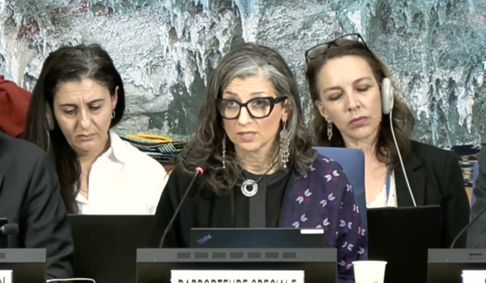
The opening statement was delivered by the Special Rapporteur on the Palestinian Territory, Francesca Albanese. She opened by reaffirming her steadfast commitment to her mandate, despite the smear campaign against her. She referred to her report and called it a hallmark of genocide. She highlighted the systemic use of torture and the creation of a torturous environment. She unequivocally condemned all acts of torture, including the acts by Palestinian armed groups. She highlighted the types of physical torture and sexual violations and expressed gratitude to the survivors and torture victims, and gave credit to the NGOs working on the ground. She then referred to some of the unnerving testimonies from survivors of torture, and she asserted the binding nature of the international obligation to prevent torture.
Statement of Countries Concerned
The Representative of Israel was absent.
The Representative of Palestine highlighted the worst forms of torture endured by the Palestinian people and expressed solidarity with the Special Rapporteur. He condemned the measures of the Occupying Power and emphasised their right to self-determination. He particularly referred to several policies of the occupying power, including starvation and poor treatment in detention centres. The representative asserted that all these acts amount to Crimes Against Humanity, undermine the credibility of international law and call for an urgent action and implementation of the recommendations of the report by the international community.
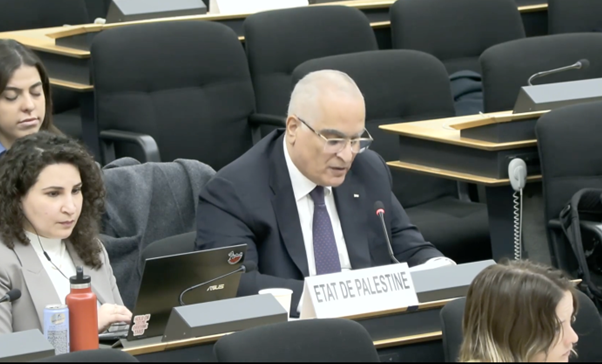
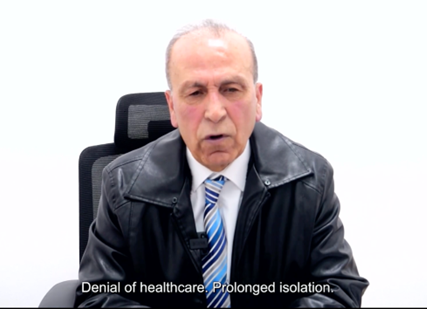
The Report of the Independent Commission for Human Rights for the State of Palestine (The National Human Rights Institution of Palestine) noted the torture and genocide by the Occupying power and called for urgent action.
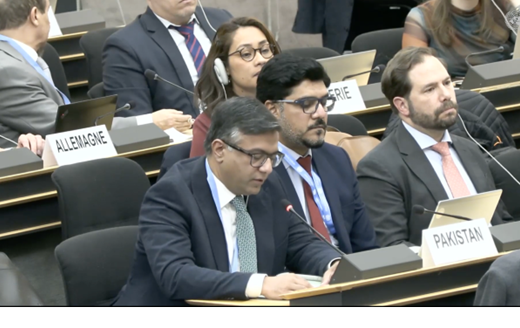
The representative of Pakistan expressed solidarity with the Special Rapporteur and with the Palestinian population. He also expressed their grief for the sufferings inflicted upon the Palestinians by the occupying power.
The representative of Ireland on behalf of a group of 26 countries condemned all violations of international human rights and humanitarian law by Israel and called for accountability under international law.
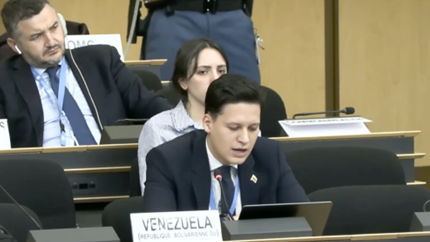
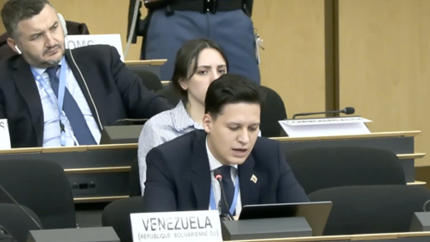
The Representative of Venezuela on behalf of a group of countries expressed concerns over the detention of children and called it a flagrant violation of the UN Charter and international law. They expressly called for accountability for these continuing violations.
The Representative of Uganda expressed concern over the violation of the right to self- determination of the people of Palestine, including their right to an independent state of Palestine.
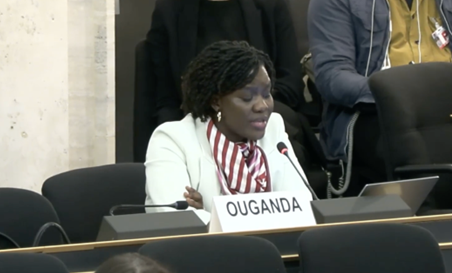
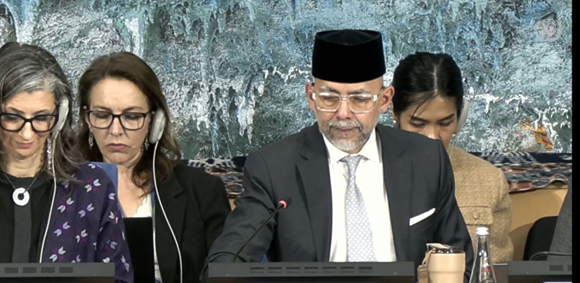
The Representative of Indonesia extended support to the people of Palestine and the Special Rapporteur. They also particularly expressed concern over the Israeli action expanding to Lebanon and Syria.
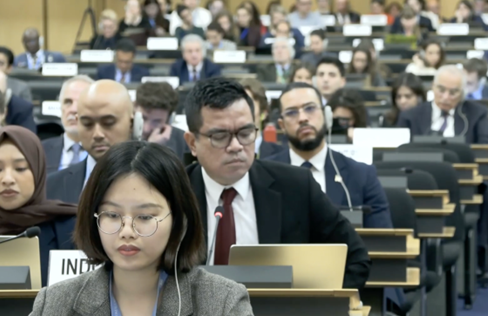
The Representative of Spain supported the mandate of the Special Rapporteur and expressly rejected any sanctions on her. They specifically condemned the attack on medical personnels, systematic torture and called upon Israel to provide immediate access to ICRC.
The Representative of Venezuela expressed concern over the kidnapping of Palestinian people, including children, custodial deaths and the degrading of an entire community. The state asked where the international community is and called for action.
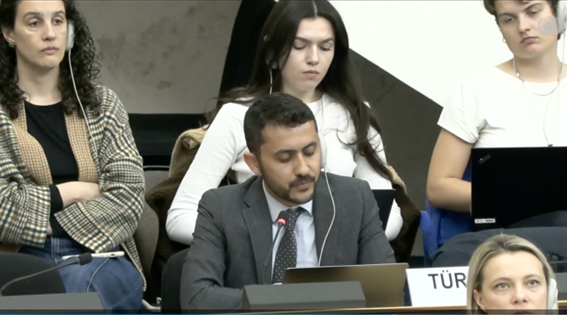
The Representative of Türkiye aligned with the report and stressed that peace must remain the foremost priority despite the continuation of war. The Representative expressed concern that Israel is violating ceasefire resolutions and stated that the situation has become more alarming since October 2023.
The Representative of Brunei Darussalam condemned the unacceptable and deeply disturbing practices of the occupying power, called for accountability, and reiterated the need for a fully independent and sovereign State of Palestine.
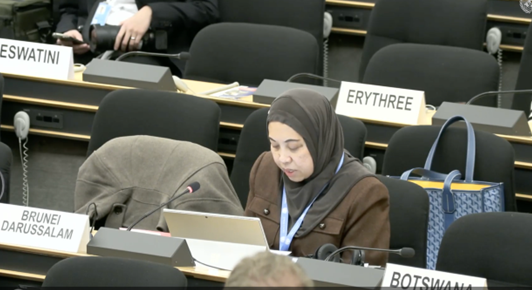
The Representative of Oman reaffirmed the seriousness of the events documented in the report and described the situation as a direct challenge to the global rules-based order.
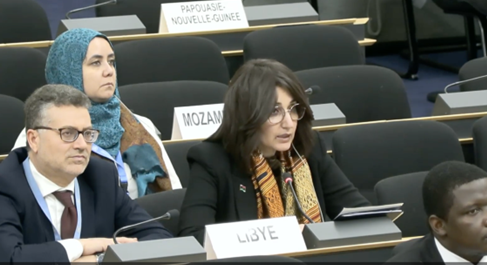
The Representative of Libya expressed support for the mandate of the Special Rapporteur and stated that the practices of the occupying power form part of a systematic criminal system causing deep psychological and physical harm to Palestinians. The Representative noted that these practices continue due to the impunity granted by the international community and called for change.
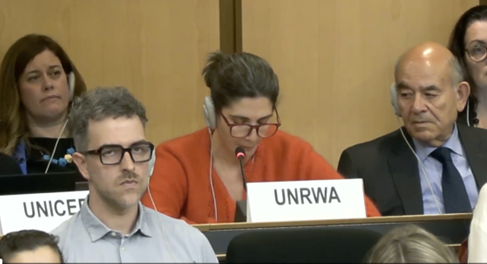
The Representative of United Nations Relief and Works Agency for Palestine Refugees in the near East reported that 391 UNRWA colleagues have been killed in Gaza and raised concerns about inhumane treatment in detention and attacks against the agency. The Representative urged Member States to uphold international law and ensure the protection of UNRWA workers so they can continue assisting Palestinian refugees.
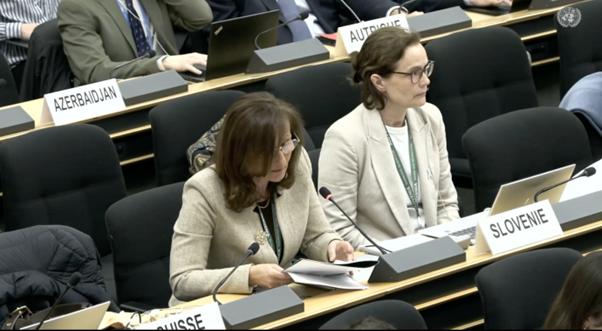
The Representative of Slovenia stated that torture has become an integral practice by the occupying power against Palestinian men, women and children. The Representative called for the protection of civilians and urged compliance with the binding orders of the International Court of Justice, including its recent advisory opinion.
The Representative of Jordan reaffirmed support for the rights of the Palestinian people and called for urgent international action to protect civilians and uphold international law.
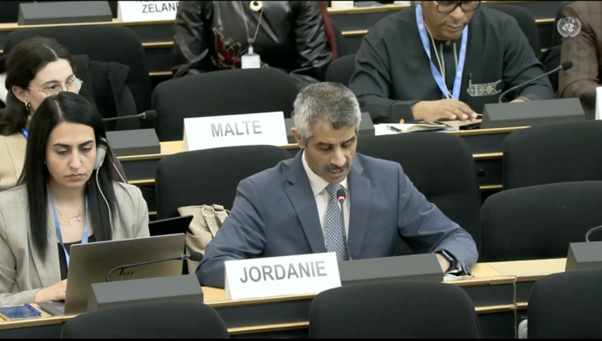
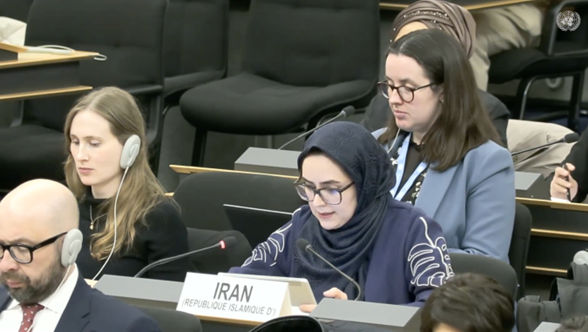
The Representative of Iran condemned the acts of the occupying power and denounced the continuing violations against the Palestinian population.
The Representative of Malaysia stated that torture is being used as a tool of domination and that attacks are systematic rather than isolated incidents. The Representative highlighted that women and children are also being tortured in violation of international law, warned that such acts indicate genocidal intent and violate the Convention against Torture, and called for full implementation of the Special Rapporteur’s report.
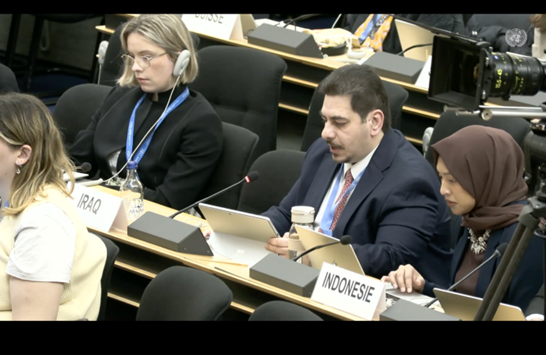
The Representative of Iraq expressed concern over the catastrophic humanitarian crisis in the Gaza Strip and stated that the situation undermines human dignity and the right to life.
The Representative of Senegal raised concerns about the expansion of Israeli settlements, including in the West Bank and emphasised the importance of the 2024 orders of the International Court of Justice, and called for an immediate ceasefire.
The Representative of Colombia deplored the social destruction affecting the Palestinian people and warned that systematic human rights violations are making the two-State solution unviable. The Representative also called on states not to recognize illegal annexation of Palestinian territories.
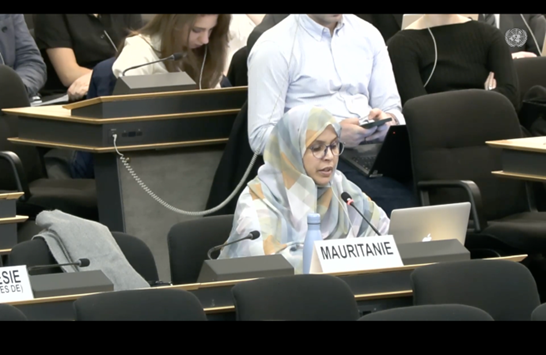
The Representative of Mauritania stated that hunger and lack of healthcare are not isolated incidents, but form part of a comprehensive policy pursued by Israel.
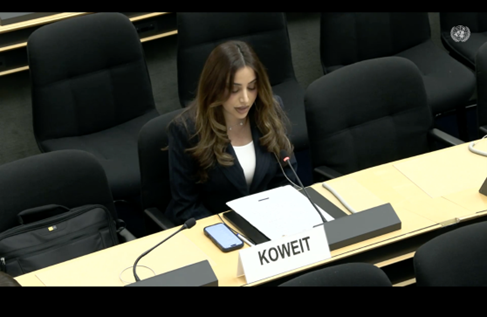
The Representative of Kuwait reaffirmed the inalienable right of the Palestinian people to self-determination.
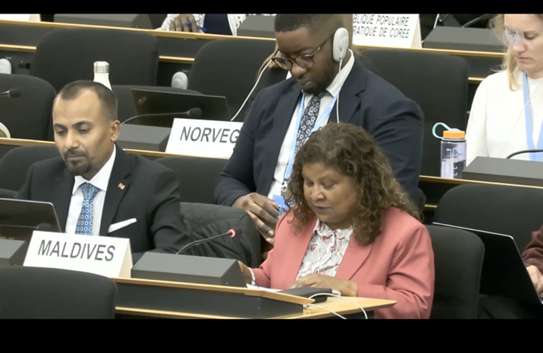
The Representative of Maldives raised concerns about violations against vulnerable communities, particularly children, women, and persons with disabilities.
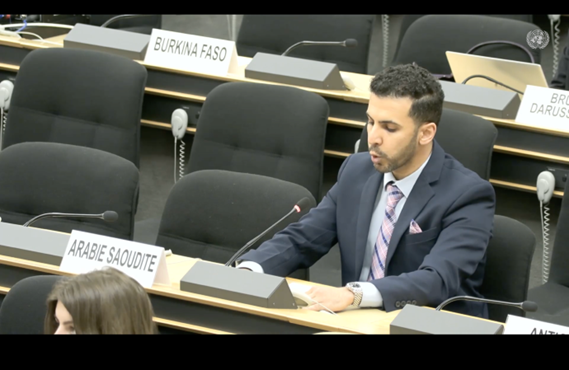
The Representative of Saudi Arabia condemned the flouting of international law and called for the protection of the right to worship, including access to religious sites in the Old City.
The Representative of Pakistan condemned ongoing violations against Palestinians and called for stronger international action to ensure protection and accountability.
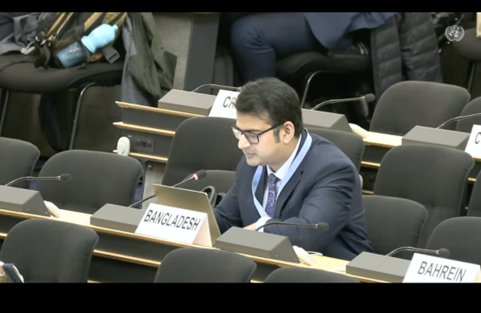
The Representative of Bangladesh called for ensuring accountability for violations and emphasized the need to uphold the rule of law.
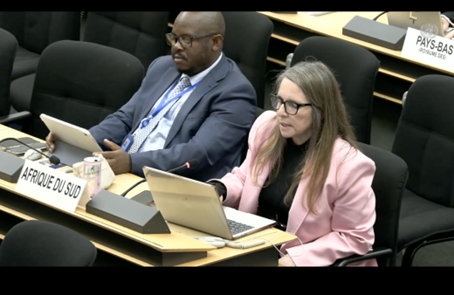
The Representative of South Africa urged the international community to bring a decisive end to crimes against humanity committed against the Palestinian people.
The Representative of Brazil expressed concern over the widespread and systematic use of torture by Israeli authorities against the Palestinian population and called on Israel to uphold the Convention against Torture. The Representative also denounced acts of intimidation against the Special Rapporteur.
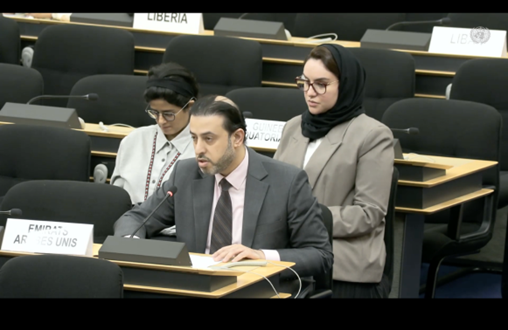
The Representative of the United Arab Emirates condemned the actions of Israel and expressed concern over the ongoing violations.
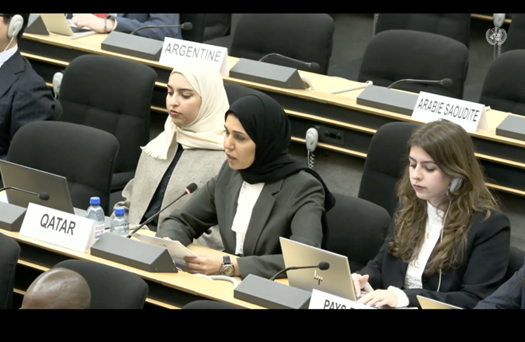
The Representative of Qatar reaffirmed that the Palestinian people will continue to resist the illegal occupation.
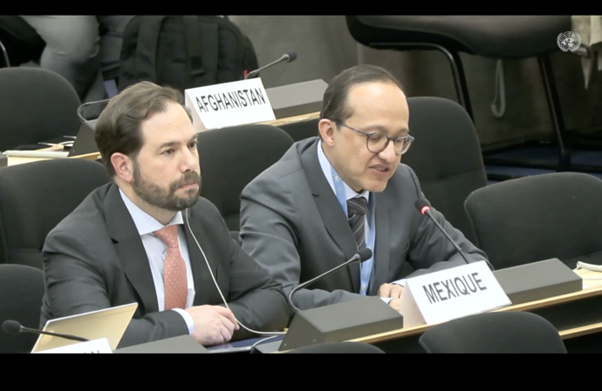
The Representative of Mexico called for independent investigations into the alleged illegal acts.
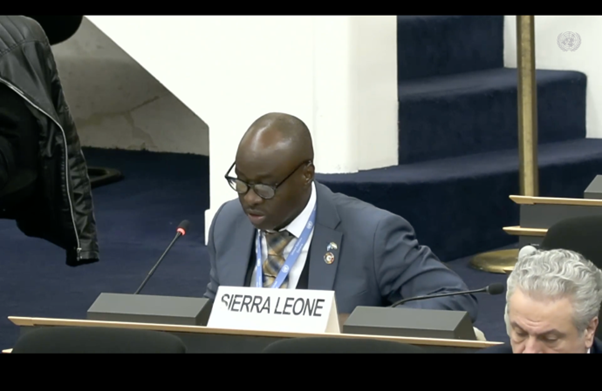
The Representative of Sierra Leone expressed concern about sanctions against mandate holders and urged all parties to fully respect international law.
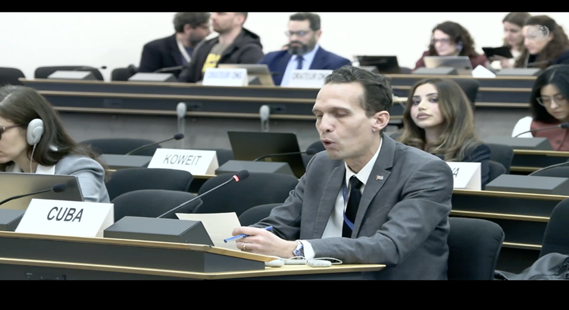
The Representative of Cuba condemned the destruction of homes and infrastructure and stated that continued military support from the United States enables ongoing atrocities. The Representative emphasised that justice requires accountability and peace.
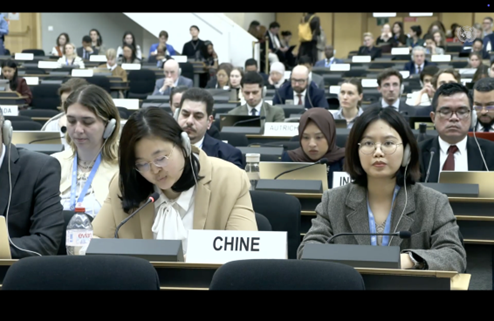
The Representative of China called for strengthened international efforts to facilitate an immediate ceasefire. Many other states expressed similar concerns, after which the NGOs made their statements.
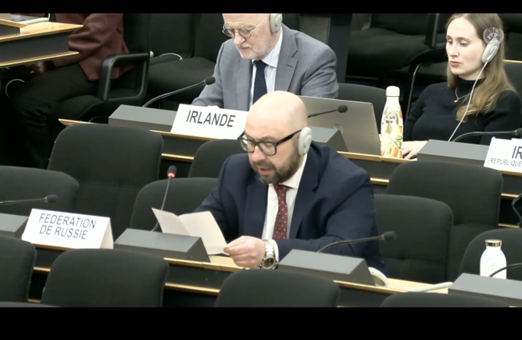
The Representative of Russia expressed concerns over the restriction of humanitarian aid in the Occupied Palestinian Territory and highlighted the necessity to make the ceasefire sustainable in Gaza. They called for unhindered humanitarian access to Palestine and for the restoration of destroyed infrastructure.
Statements by NGOs and NHRIs
The statements by certain NGOs created a hostile climate in the Council as they made targeted personal attacks on the Special Rapporteur. They accused the Special Rapporteur of selective bias and anti-Semitism, including the denial of the Holocaust. The NGOs also accused her of not condemning the attacks on the Israeli population by Hamas. Following this, a ruling on the code of conduct was called during which the Vice President made a note of concern that there are limits to the freedom of speech in the council and there can be no personal attacks.
Following this, Geneva International Centre for Justice made a joint oral statement, with the International Organization for the Elimination of All Forms of Racial Discrimination acknowledging the wrongs committed by Israel against the people of Palestine and expressing solidarity with the mandate of the Special Rapporteur.
Concluding Remarks
The Special Rapporteur, Francesca Albanese, ended her remarks with strong determination, directly responding to the threats and criticism against her by saying, “I don’t care,” showing that she would not be discouraged from doing her job. She reaffirmed her commitment to her mandate and again called for the immediate end of all acts of torture and ill-treatment against the Palestinian population. She also criticized the lack of real action by the international community, warning that if the United Nations does not take meaningful steps, it risks becoming part of the problem rather than the solution. Speaking to Member States, she stressed that simply condemning the situation is not enough, making it clear that words alone will not help unless they are followed by concrete and effective action.
GICJ Position
Geneva International Centre for Justice firmly stands in solidarity with the Special Rapporteur and with the Palestinian population who are enduring this ongoing genocide. GICJ call upon the international community to ensure that the ICRC and relevant UN experts are granted immediate access to assist survivors and investigate acts of torture. GICJ invites the Member States to enhance mechanisms to ensure accountability of responsible actors for the grave breaches of international law.
