



HRC61: Children Caught in Armed Conflicts
The 61st Session of the Human Rights Council
24 February – 4 April 2026
Item 3: Interactive Dialogue with the Special Representative of the Secretary-General for Children and Armed Conflict
11 March 2026
Elina Riznic / GICJ
Executive Summary
During the 61st session of the Human Rights Council, the Council held an interactive dialogue with the Special Representative of the Secretary-General for Children and Armed Conflict, Vanessa Frazier, focusing on her report A/HRC/61/37 covering activities and developments between December 2024 and December 2025. The discussion highlighted the continuing severity of grave violations against children in situations of armed conflict worldwide, including killing and maiming, recruitment and use by armed forces and armed groups, sexual violence, abductions, attacks on schools and hospitals, and the denial of humanitarian access. Many delegations expressed concern over the increasing scale of violations and stressed the importance of strengthening prevention, accountability mechanisms, and international cooperation. States and organisations also underlined the importance of the UN Monitoring and Reporting Mechanism (MRM) and the need to integrate child protection more effectively into peacekeeping, humanitarian action, and conflict resolution processes. Geneva International Centre for Justice (GICJ) reiterates the importance of protecting children affected by armed conflict, ensuring accountability for perpetrators of grave violations, and strengthening international mechanisms aimed at preventing abuses and providing long-term assistance to affected children.
Background
Children continue to suffer disproportionately in armed conflicts around the world. According to UN reports and international humanitarian organisations, armed conflicts expose children to severe risks including violence, displacement, forced recruitment, and loss of access to education and healthcare. The United Nations established the Children and Armed Conflict agenda in order to address these violations and promote protection mechanisms. Central to these efforts is the UN Monitoring and Reporting Mechanism (MRM), which documents grave violations against children and supports accountability and prevention efforts. Despite international commitments and monitoring frameworks, violations remain widespread across many conflict-affected regions including parts of Africa, the Middle East, and Asia. Children continue to be targeted or harmed by hostilities, while schools and hospitals are frequently damaged or destroyed. These developments highlight the urgent need for stronger international cooperation, improved monitoring, and greater support for rehabilitation and reintegration programmes for affected children.
Summary of the Expert’s Report
In her report A/HRC/61/37, the Special Representative of the Secretary-General for Children and Armed Conflict reviewed the global situation of children affected by armed conflicts and outlined the activities undertaken under her mandate between December 2024 and December 2025.
The report highlights an alarming rise in violations against children in conflict zones. In 2024, the United Nations verified 41,370 grave violations affecting 22,495 children, representing a 25 per cent increase compared to 2023. These violations included killing and maiming, recruitment and use of children by armed forces and armed groups, abduction, sexual violence, attacks on schools and hospitals, and the denial of humanitarian access. Children were particularly affected by the intensification of conflicts, the use of explosive weapons in populated areas, and the involvement of new armed actors and private military companies.
Among the most common violations were the killing and maiming of children, with nearly 12,000 children killed or injured in 2024, as well as the recruitment and use of over 7,400 children by armed actors. Sexual violence against children increased significantly, rising by 35 per cent compared to the previous year, with girls disproportionately affected. Attacks on civilian infrastructure also increased sharply, with 2,374 attacks on schools and hospitals recorded, while denial of humanitarian access prevented children from receiving essential services such as healthcare, food, and education.
Despite these alarming trends, the report identifies several areas of progress. Engagement between the United Nations and governments or armed actors led to the release and reintegration of children from armed groups in several countries. Training programmes were implemented to strengthen the capacity of national security forces to prevent violations against children, and cooperation between governments and the United Nations helped develop protocols for the handover and reintegration of children associated with armed groups. In some contexts, such measures contributed to the reduction of violations and the removal of certain countries from the Secretary-General’s list of situations of concern.
The report also emphasises the importance of the children and armed conflict mandate, established in 1996, which promotes compliance with international humanitarian and human rights law. A key tool in this effort is the United Nations Monitoring and Reporting Mechanism (MRM), which collects verified information on grave violations and supports engagement with parties to conflict. Through this mechanism and related action plans, more than 220,000 children have been released from armed forces and armed groups over the years.
In addition to monitoring and accountability efforts, the Special Representative highlights the importance of advocacy, awareness-raising, and partnerships. During the reporting period, her office conducted numerous field visits, participated in high-level events, collaborated with regional organisations such as the African Union and the European Union, and worked closely with UN agencies, civil society organisations, and academic institutions to strengthen global responses to violations against children.
The report concludes with a set of recommendations aimed at strengthening protection for children in armed conflict. These include ensuring compliance with international law, improving accountability for perpetrators, guaranteeing safe humanitarian access, and supporting long-term rehabilitation and reintegration programmes for affected children. The Special Representative also calls for increased resources for child protection initiatives and stronger integration of child protection considerations into peacekeeping operations, national legislation, and international policy frameworks.
Summary of the Interactive Dialogue
Opening Statement
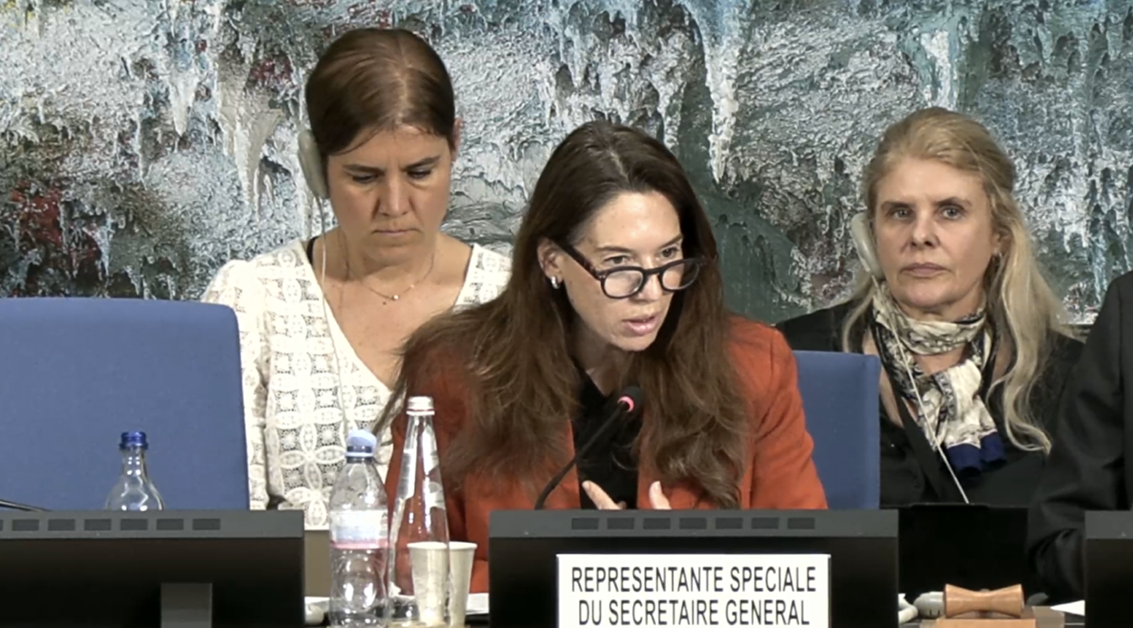
The Special Representative of the Secretary-General for Children and Armed Conflict, Vanessa Frazier, opened the dialogue by presenting her report and expressing deep concern at the persistently high number of grave violations committed against children in situations of armed conflict. She stressed that children continue to bear the heaviest consequences of war, not only through direct violence but also through the destruction of the systems meant to protect them, including schools, hospitals, and humanitarian networks.
Referring to the reporting period, she noted that killing and maiming remained among the most prevalent violations, while recruitment, sexual violence, abductions, attacks on schools and hospitals, and the denial of humanitarian access continued to affect children on a large scale across multiple conflict settings. The Special Representative underlined that these violations are not isolated incidents but part of broader patterns of violence and impunity, requiring a stronger and more coordinated international response. She emphasised the importance of prevention and accountability, calling on states and parties to conflict to respect their obligations under international humanitarian and human rights law and to take concrete steps to end grave violations against children. In this regard, she highlighted the central role of the United Nations Monitoring and Reporting Mechanism, not only as a tool for documenting abuses, but also as a basis for advocacy, engagement with parties to conflict, and the development of action plans aimed at ending and preventing violations.
She further stressed that monitoring alone is insufficient unless accompanied by meaningful political will, child-sensitive accountability measures, and sustained support for protection actors on the ground. The Special Representative also focused on the long-term consequences of conflict on children, stressing that protection must extend beyond emergency responses. She called for comprehensive rehabilitation and reintegration programmes for children affected by armed conflict, including former child soldiers, survivors of sexual violence, abducted children, and those deprived of education or healthcare. Such responses, she argued, must be survivor-centred, age-sensitive, and gender-responsive, ensuring access to psychosocial care, education, family reunification where possible, and long-term social support. She also underlined the importance of integrating child protection into peacebuilding, mediation, and post-conflict recovery processes, warning that children’s needs are too often treated as secondary despite the lasting impact conflict has on their development, safety, and dignity.
Overall, her statement set the tone for the dialogue by framing the protection of children not as a peripheral humanitarian concern, but as a central legal, political, and moral obligation of the international community.
Statements by States and Groups of States
Most delegations welcomed the Special Representative’s report and expressed deep concern at the alarming rise in grave violations against children in armed conflict. A recurring theme throughout the dialogue was the need to strengthen prevention, accountability, reintegration, and international cooperation, while ensuring that child protection remains central to humanitarian, peacebuilding, and security efforts.
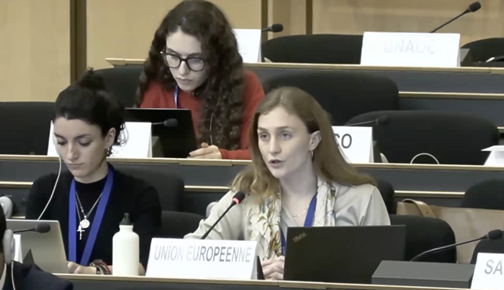
The European Union reaffirmed its strong support for the mandate of the Special Representative and stressed that grave violations against children in armed conflict have reached unprecedented levels. It drew particular attention to the record number of children killed and maimed, recruited and used by armed forces and armed groups, as well as the widespread and underreported sexual violence affecting children, especially girls. The EU underlined that its Guidelines on Children and Armed Conflict commit both the Union and its Member States to closer cooperation with the mandate and to the systematic monitoring and reporting of grave violations in support of the UN Monitoring and Reporting Mechanism. It also highlighted that child protection is integrated into EU crisis management missions and noted its humanitarian assistance, including dedicated support for education in emergencies, rehabilitation, and reintegration of former child soldiers.
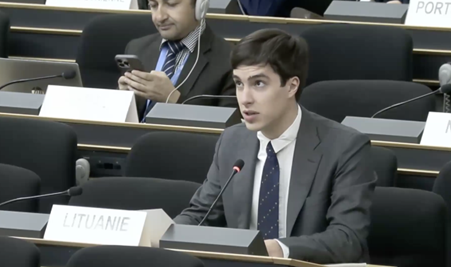
Lithuania, speaking on behalf of the Lublin Triangle composed of Lithuania, Poland, and Ukraine, strongly supported the mandate and focused attention on the situation of children affected by Russia’s war against Ukraine. The group described the situation of Ukrainian children as a stark illustration of the global rise in grave violations, referring to killings, maiming, attacks on schools, and the forced transfer and deportation of children. It also raised concern over indoctrination and militarisation practices aimed at erasing children’s national identity. The group called for stronger engagement by relevant international mechanisms and asked what steps could be taken to facilitate the return of Ukrainian children to their homes.
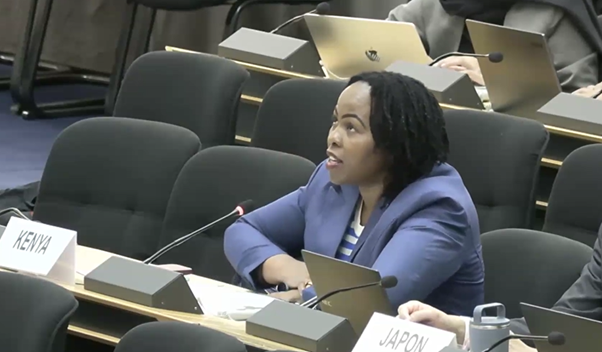
Kenya, speaking on behalf of the African Group, stressed the severe impact of armed conflicts on children in Africa and highlighted the importance of strengthening international cooperation to address the root causes of conflict. The group referred in particular to the increase in killing and maiming, recruitment, sexual violence, and attacks on schools and hospitals affecting children in several regions. While welcoming the Special Representative’s engagement with African States and progress achieved through action plans and national frameworks, the African Group stressed that violations against children require a coordinated and comprehensive response. It emphasised the importance of strengthening national capacities to prevent, investigate, and respond to violations, while also ensuring long-term, holistic, gender-sensitive, and age-sensitive rehabilitation and reintegration programmes. The African Group further welcomed stronger cooperation between the United Nations and the African Union on children and armed conflict.
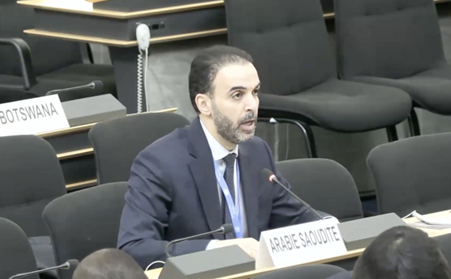
Saudi Arabia, speaking on behalf of the Arab Group, thanked the Special Representative for her report and reaffirmed the importance the group attaches to the protection and promotion of children’s rights in armed conflict. The Arab Group noted ongoing efforts by Arab States, both individually and through the League of Arab States, to adopt strategies and legal instruments aimed at protecting children from the effects of war. In this regard, it highlighted recent deliberations on an indicative Arab law to protect children from recruitment in armed conflict, intended to prevent recruitment, address violations, and support reintegration. The group also strongly condemned Israeli practices in Gaza, denouncing the systematic targeting of Palestinian children and calling on the international community to take responsibility for protecting them and ensuring compliance with international legal standards.
Belgium, speaking on behalf of the Group of Friends on Children and Armed Conflict, co-chaired with Uruguay, emphasised that the latest report confirmed the highest number of violations against children since the establishment of the Monitoring and Reporting Mechanism. The group expressed alarm over the rise in conflict-related sexual violence against children and stressed the need for a comprehensive survivor-centred approach, including access to healthcare, education, and psychosocial support. It also underlined that accountability for violations of international law must be pursued through stronger national and international mechanisms, including child-sensitive investigations, prosecutions, and remedies. In addition, the group argued that child protection must be systematically integrated across all phases of conflict and peace processes, ensuring children’s meaningful, inclusive, and safe participation.
A number of concerned or directly affected states used the dialogue to highlight the impact of conflict on children in their own national contexts.
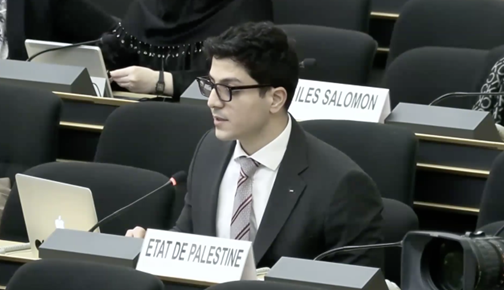
The State of Palestine stated that the reality in the occupied Palestinian territory was even worse than reflected in the report, describing the destruction of childhood in Gaza through sniper fire, drone strikes, attacks on densely populated civilian areas, starvation, and the collapse of educational and healthcare systems due to attacks on schools and hospitals. It urged the Special Representative to continue clearly naming violations and called for greater attention to situations of occupation within the children and armed conflict agenda.
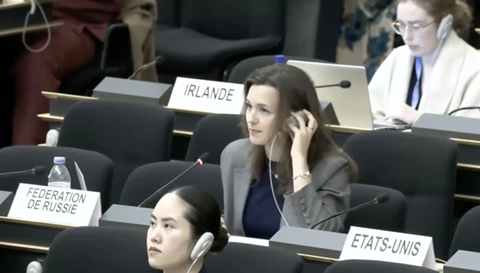
Ukraine condemned the grave violations committed against children in conflict situations and emphasised the importance of ensuring accountability under international humanitarian law. The Russian Federation congratulated the Special Representative on assuming her post and asked about her priorities, but also insisted on a narrow interpretation of the mandate, warning against what it described as vague or expansive terminology and calling for strict adherence to agreed language in relevant resolutions. This intervention contrasted with the broader approach of many other delegations, which emphasised the interconnected nature of child protection, education, humanitarian access, and accountability.
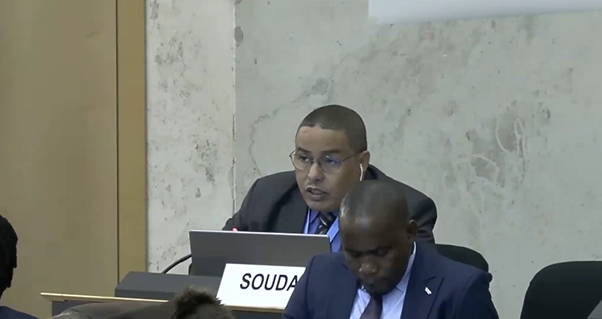
Sudan associated itself with both the Arab Group and African Group statements and stressed its cooperation with the United Nations in child protection efforts, including the handover of children used by the Rapid Support Forces to their families. It also called for greater attention to the scale of violations in Darfur, including forced recruitment and sexual violence.
Several states also focused on practical protection measures and policy responses. Malta, while aligning itself with the European Union, stressed the need to allocate adequate resources to the mandate and expressed concern over the use of autonomous weapon systems and explosive weapons in populated areas, which continue to contribute to the killing and maiming of children. It also emphasised the importance of safeguarding child protection during peace operation transitions and of ensuring safe, timely, and unimpeded humanitarian access.
Nigeria highlighted national efforts to protect children, including investment in safe schools, reforms to strengthen accountability, and cooperation with the United Nations, particularly through the institutionalisation of the handover protocol in military doctrine and training. It also stressed the importance of context-sensitive approaches that distinguish between state efforts and abuses committed by non-state armed groups.
Other states, including Greece, Portugal, Czechia, Montenegro, Malaysia, and the Philippines, reaffirmed their commitment to strengthening international efforts aimed at protecting children in conflict situations. Many delegations stressed the importance of integrating child protection into peacekeeping missions and humanitarian responses, as well as ensuring that children have access to education, healthcare, and psychosocial support.
Statements by UN Bodies
Representatives of United Nations bodies also intervened during the dialogue, emphasising the importance of coordinated international efforts to prevent and respond to grave violations against children in armed conflict. They highlighted the role of UN agencies and programmes in monitoring violations, delivering humanitarian assistance, and supporting long-term recovery for children affected by conflict.
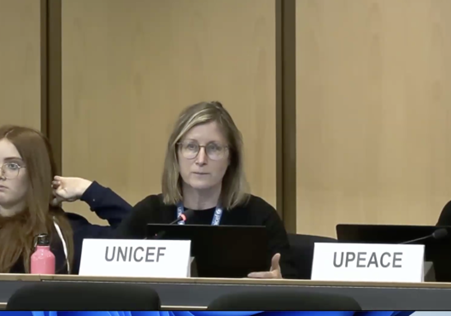
UNICEF stressed that children living in conflict-affected areas continue to face multiple and overlapping risks, including violence, displacement, disruption of education, and lack of access to healthcare. The organisation underlined that protecting children requires not only immediate humanitarian responses but also sustained investment in education, psychosocial support, and community-based protection systems. UNICEF also highlighted the importance of strengthening partnerships between governments, UN agencies, and civil society actors in order to ensure effective implementation of child protection programmes and to address the needs of the most vulnerable children.
Other UN representatives echoed these concerns, emphasising the importance of reinforcing the MRM as a central tool for documenting violations against children and informing international responses. They stressed that reliable data and monitoring are essential for identifying patterns of abuse, supporting accountability efforts, and guiding policy responses aimed at preventing further violations. UN representatives also highlighted the need to integrate child protection more systematically into broader peace and security frameworks, including peacekeeping operations, mediation efforts, and post-conflict recovery strategies.
NGO Statements
In general, NGOs stressed that the continued scale of grave violations against children reflects a broader failure of the international community to prevent abuses and ensure accountability. They warned that children in conflict settings are too often treated only as passive victims, while insufficient attention is paid to the long-term physical, psychological, and social consequences of the violations they endure.
A central theme in many NGO interventions was the importance of adopting survivor-centred approaches. Civil society representatives stressed that children affected by armed conflict require more than immediate protection from violence: they also need sustained rehabilitation, trauma-informed psychosocial support, access to education, community reintegration, and child-sensitive justice mechanisms. Particular concern was raised over children who have survived sexual violence, recruitment by armed groups, forced displacement, and attacks on civilian infrastructure, with NGOs noting that these children often face stigma, exclusion, and inadequate access to services even after active hostilities decrease.
NGOs also highlighted the importance of removing barriers to humanitarian access, warning that restrictions on aid delivery continue to expose children to hunger, disease, untreated injuries, and educational disruption. Several organisations drew attention to the compounding impact of attacks on schools and hospitals, stressing that such violations not only endanger children directly but also deprive them of the essential services necessary for survival and development. Civil society further called for stronger accountability for perpetrators of grave violations, arguing that recurring patterns of abuse are sustained by impunity and by weak enforcement of international legal norms.
Conclusion
In her concluding remarks, the Special Representative reiterated that the protection of children must remain a priority for the international community. She stressed the importance of strengthening the MRM and ensuring that perpetrators of grave violations against children are held accountable. The Special Representative also highlighted the need to strengthen prevention strategies and improve coordination between humanitarian, development, and peacebuilding actors in order to address the long-term consequences of armed conflict on children.
GICJ Position
Geneva International Centre for Justice (GICJ) strongly condemns all grave violations committed against children in situations of armed conflict. Children represent one of the most vulnerable groups affected by conflict and must be granted the highest level of protection under international humanitarian and human rights law. GICJ calls on all parties to armed conflicts to immediately cease violations against children, including recruitment and use of child soldiers, attacks on schools and hospitals, and the denial of humanitarian assistance. The centre also stresses the importance of strengthening accountability mechanisms to ensure that perpetrators of such violations are brought to justice. Furthermore, GICJ emphasises the need for comprehensive rehabilitation and reintegration programmes that provide children with access to education, healthcare, and psychosocial support. Protecting children from the devastating impacts of armed conflict must remain a central priority for the international community, and states must work collectively to strengthen prevention efforts and ensure the effective implementation of international protection mechanisms.
