



HRC61: Voices for children in armed conflicts
61st Session of the Human Rights Council
23rd February – 31st March 2026
Annual discussion on rights of the child (HRC res. 7/29 and 55/29)
9 March 2026
By Lila Exhertier / GICJ
Executive summary
The annual full-day meeting on the rights of the child brought together children, States, civil society organizations, high-level representatives from United Nations agencies, human rights mechanisms, and other stakeholders. The meeting included two panel discussions focusing on the rights of the child and the human rights violations suffered by children in armed conflict, a theme examined in depth by the United Nations High Commissioner for Human Rights in his most recent report (A/HRC/60/51) to the Human Rights Council on children’s rights.
The first panel addressed the prevention of and protection against violations of children’s rights in armed conflict. It provided an opportunity to examine the international legal obligations of parties to conflict to prevent violations, protect and assist children, and uphold their human rights. They also discussed coordinated action among stakeholders, including the United Nations system, national human rights institutions, and international and civil society organizations, to protect, assist, and promote respect for the rights of children affected by armed conflict. Finally, they explored ways in which States and humanitarian actors can ensure that children’s views meaningfully and safely inform protection frameworks and early-warning mechanisms in an inclusive and age-appropriate manner.
The second panel focused on the recovery and reintegration of children affected by armed conflict. It aimed to explore how justice and accountability mechanisms can ethically and safely incorporate children’s voices to support their physical and psychological recovery and social reintegration, in line with the obligations set out in the Convention on the Rights of the Child. It underlined the critical need to strengthen accountability through monitoring, documenting, and reporting on violations of children’s rights in armed conflict committed by both State and non-State actors. Finally, it reaffirmed the recognition under international law that children allegedly or formerly associated with armed forces or non-State armed groups must be treated primarily as victims, and that States have an obligation to provide them with long-term, gender- and age-sensitive, community-based reintegration and recovery services.
The Geneva International Centre for Justice (GICJ) expresses serious concern regarding the dangers faced by children in situations of armed conflict, including sexual and gender-based violence as well as impunity held by those responsible. The protection of children’s rights must remain a priority, particularly in contexts of war and instability.
Background
In 2024, an unprecedented 520 million children, approximately one in five globally, were living in areas affected by armed conflict, the highest figure recorded for the third consecutive year. Armed conflict continues to represent one of the most serious threats to the realization of children’s rights, severely undermining the protections established under the Convention on the Rights of the Child. Its consequences are widespread, long-lasting, and deeply damaging, affecting not only children themselves but also their communities and broader prospects for global peace and sustainable development.
Children affected by armed conflict are protected under a broad framework of international human rights law, international humanitarian law, and international criminal law. This framework is further strengthened by United Nations Security Council resolutions, international political commitments, and regional legal instruments. In response, many States have adopted measures aimed at fulfilling these obligations, including incorporating the best interests of the child into national legislation and public policies that address the needs of children living in conflict settings.
Despite these efforts, significant shortcomings remain in both compliance and implementation. Gaps in legal codification and enforcement continue to allow serious violations of children’s rights to occur, often with limited accountability for those responsible. Given the particularly severe and disproportionate impact of armed conflict on children, it is essential that States and all parties involved in conflict fully respect their legal obligations and strengthen the application of existing protections. This includes ensuring that children’s voices are genuinely heard, taken into account, and reflected in decisions affecting them, particularly in relation to conflict prevention, humanitarian responses, recovery processes, and long-term reintegration efforts.
Summary of the resolution 7/29
Human Rights Council Resolution 7/29 reaffirms the Convention on the Rights of the Child as the central standard for protecting children’s rights and sets out a comprehensive framework for action by States and UN bodies. It expresses concern about the ongoing global challenges faced by children and calls for stronger implementation of existing commitments. The resolution urges States to ratify and fully implement the Convention and its Optional Protocols, strengthen national institutions, improve data collection, and ensure access to free and inclusive education. It also emphasizes the need to criminalize and combat all forms of sexual exploitation and violence against children.
Furthermore, it highlights the importance of birth registration, protection of identity, and international cooperation on issues such as child abduction. It links child protection to poverty reduction and stresses investment in children as a key strategy for development. Finally, the resolution addresses particularly vulnerable groups, including girls, children with disabilities, migrants, refugees, and those affected by armed conflict, while condemning the recruitment of child soldiers and supporting international monitoring efforts such as those established under UN Security Council Resolution 1612.
Summary of the resolution 55/29
Human Rights Council Resolution 55/29 focuses on realizing children’s rights through inclusive social protection systems at both national and international levels. It reaffirms the Convention on the Rights of the Child as the legal foundation and links child rights to broader international frameworks and the 2030 Agenda, emphasizing that social protection is key to achieving the Sustainable Development Goals.
The resolution underscores that billions of children still lack access to adequate social protection, limiting their rights to health, education, and an adequate standard of living. It therefore urges States to develop universal, inclusive systems, such as child benefits, parental leave, and affordable childcare, supported by sufficient resources, data collection, and monitoring to ensure they reach the most vulnerable.
It also stresses the need to address gender inequalities, particularly unpaid care work, and calls for gender-responsive policies that meet the specific needs of women and girls. Finally, the resolution underlines the importance of international cooperation, accountability for violations, and meaningful child participation, presenting inclusive social protection as a strategic investment that strengthens societies and economies.
Summary of the Report of the United Nations High Commissioner for Human Rights
The report examines how armed conflicts gravely affect children’s rights worldwide, documents current patterns of violations, and sets out legal and policy obligations for States to better prevent, respond to, and remedy these abuses.
It recalls that children face killings, displacement, family separation, recruitment, sexual violence, denial of education, and long‑term psychological harm, drawing directly on consultations with 837 children in 13 conflict‑affected countries who describe war as stripping them of their homes, safety, schooling and hope. It outlines the international legal framework rooted in the Convention on the Rights of the Child, its Optional Protocol on children in armed conflict, the Geneva Conventions and regional instruments, emphasizing that these norms apply in all armed conflicts without derogation and require a best interests‑of‑the‑child approach in all decisions, including military operations and asylum processes.
Finally, it calls for stronger accountability for grave violations, more resources for child‑centred protection systems, including psychosocial support, and genuine child participation in all decisions affecting them, so that responses to armed conflict systematically integrate a child‑rights‑based approach.
Summary of the Annual full-day discussion
Panel discussion 1 - Mainstreaming the rights of children in armed conflict: prevention and protection
Opening remarks
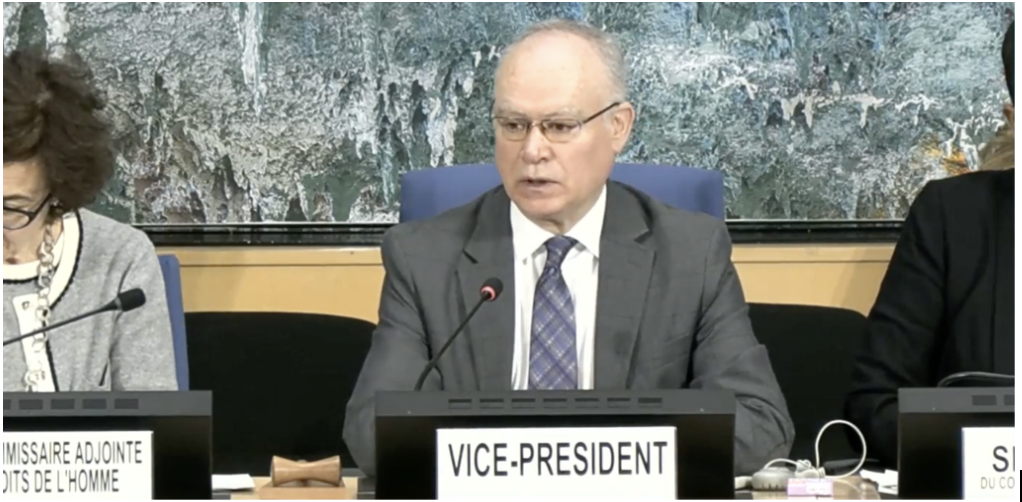
H.E. Mr. Marcelo Vázquez Bermúdez, Vice-President of the Human Rights Council, opened the session by presenting the panellists and welcomed the child and youth participants joining the discussion.
Statements by panellists
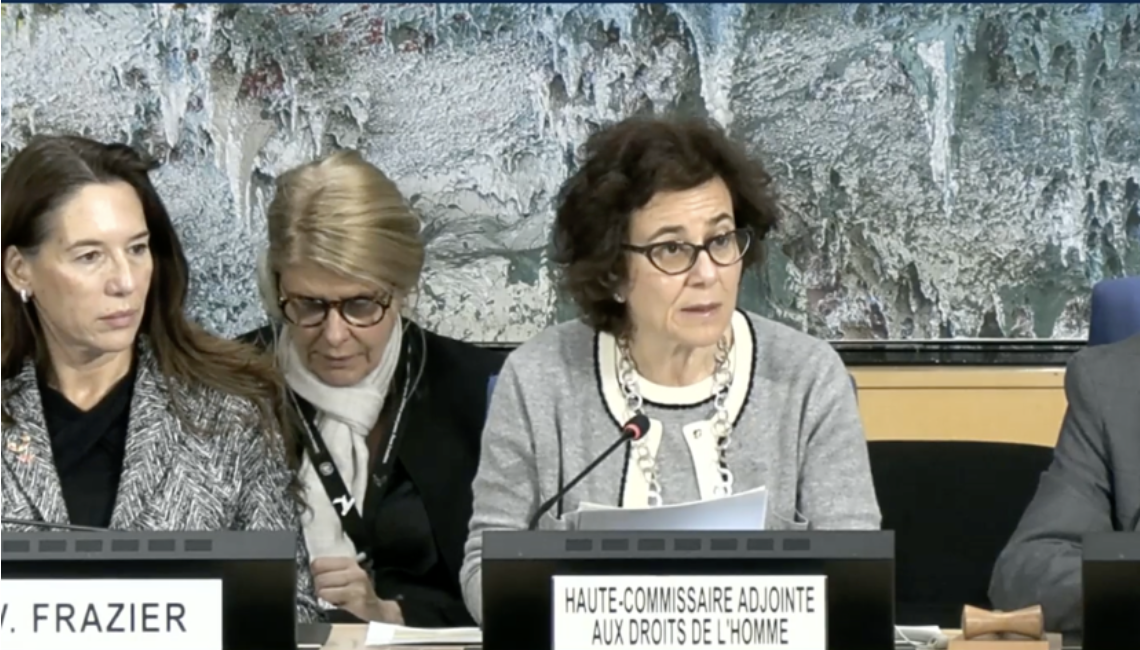
Ms. Nada Al-Nashif, UN Deputy High Commissioner for Human Rights, opened the panel discussion by stressing that children are far too often the primary victims of armed conflicts around the world. In regions such as the Middle East, Sudan, Gaza, Myanmar, Ethiopia, and the Democratic Republic of the Congo, children face constant threats to their safety, education, and survival. In Gaza alone, 13 million children are out of classrooms, many suffer psychological trauma, and the territory has one of the highest numbers of child amputees per capita globally. In the DRC, children not only face violence but are also vulnerable to disease outbreaks like cholera due to collapsed basic services. While international law, including International Humanitarian and Criminal Law, protects children’s rights, a lack of political will prevents effective enforcement. Mr Al-Nashif also noted that children should not be seen only as victims—they can play meaningful roles in peace dialogue and peacebuilding if given the opportunity. Protecting children in armed conflict requires greater unity, stronger accountability mechanisms, and recognition that safeguarding them is not a luxury, but a moral imperative.
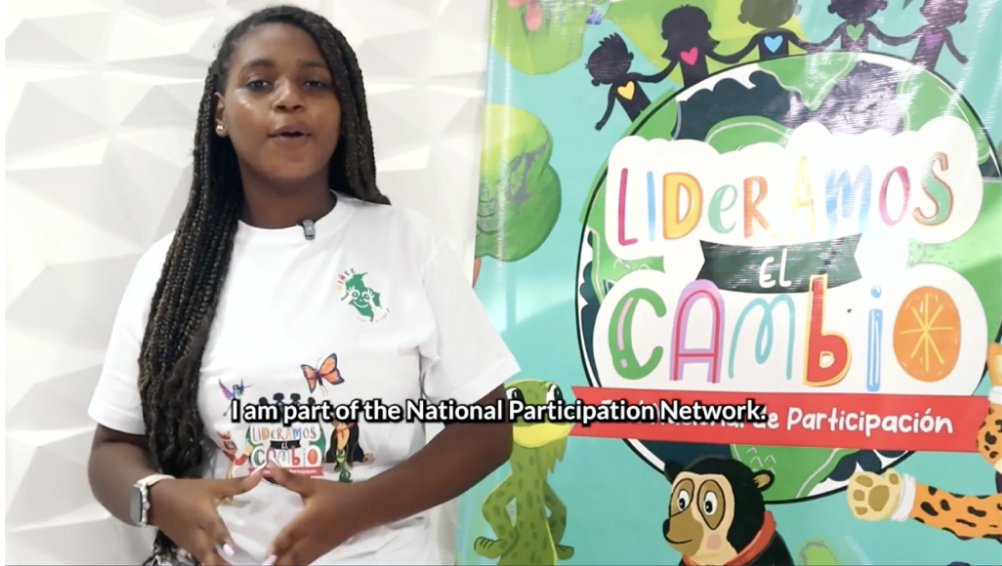
Yansel, a 15-year-old child rights advocate from Colombia, spoke about the profound consequences that armed conflict has had on children in her country, particularly in relation to education. She highlighted that many schools and educational institutions are often located near military bases, which exposes children to significant risks. In several cases, children have been forced to flee their homes because of nearby violence, leading many of them to change schools two or three times during their childhood. Such instability not only disrupts their education but also causes deep psychological harm. In Colombia, many children have also been recruited by armed networks, further illustrating the vulnerability of youth in conflict-affected areas.
She put forward the urgent need to provide genuine educational opportunities for children in Colombia, alongside stronger mental health support for young people who have experienced the trauma of armed conflict. According to her, the assistance children need is not only material but also mental and spiritual. Safe spaces should be created where children can recover, including places dedicated to sports and recreational activities. She also stressed that children themselves can play an important role in raising awareness about conflicts, since they are among those most directly affected by them. Too often, she argued, discussions focus only on the future, while the suffering of children in the present is overlooked. Yansel therefore called on decision-makers to truly hear and listen to the voices of children. She urged leaders to demonstrate genuine willingness and commitment to improving the lives of young people. Having lived through conflict themselves, seeing friends forced to flee, experiencing psychological harm, and witnessing innocent people suffer as a result of political decisions, children like Yansel simply want future generations to have better opportunities and safer lives.
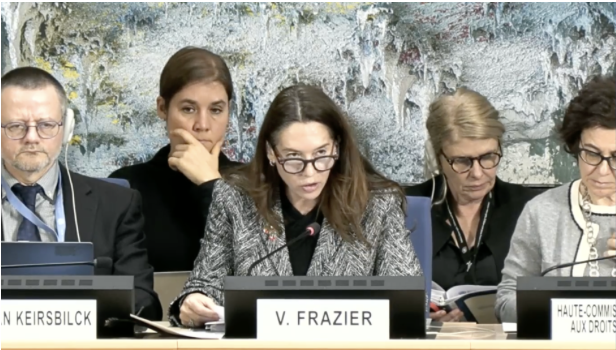
Ms. Vanessa Frazier, Special Representative of the Secretary-General for Children and Armed Conflict explained that over the past three decades, real progress has been achieved, yet the scale of armed conflicts affecting children remains alarming. Grave violations persist: children continue to be recruited and abducted by armed groups, subjected to sexual violence, and denied access to essential health services. The military use of schools further undermines their future by depriving them of education and safety. Addressing these challenges requires sustained cooperation, as no single actor can protect children alone. International frameworks, such as Resolution 55/77, emphasize the importance of fostering cooperation among diverse actors to strengthen child protection, while Resolution 16/12 illustrates the effectiveness of such collaboration in practice. The child protection system functions most effectively when supported by local actors, whose engagement is essential in preventing grave violations against children. To date, more than 40 action plans have been implemented to address these abuses. In the Democratic Republic of Congo, for example, cooperation with the government has led to tangible results: in the Kivu region alone, 100 children were released from armed groups. These examples demonstrate that political will and cooperation can make a real difference in protecting children. At the same time, the participation of children themselves in peace and security processes is crucial, as their voices must be heard. As one child from Palestine expressed: “We want this war to end. We want to be children like any other children and our voice to be heard. We are human beings, we are children, and we deserve to be protected.”
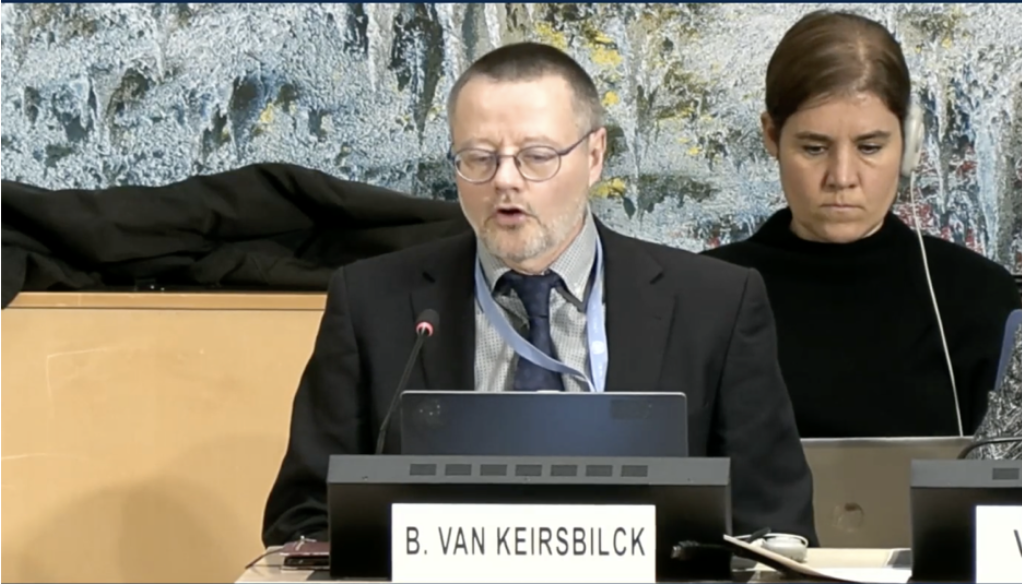
Mr. Benoit Van Keirsbilck, Member of the Committee on the Rights of the Child, emphasized the importance of both prevention and protection when addressing the impact of armed conflicts on children. Armed conflicts have devastating consequences for children, and many of them have known nothing but war throughout their lives. He stressed that the international community does not devote enough time or effort to ensuring their protection. Referring to the Convention on the Prevention and Punishment of the Crime of Genocide, he noted that current events demonstrate that the risk of genocide continues to exist and is often undermined by states themselves. Prevention therefore requires addressing the root causes of conflicts. In this regard, he deplored the fact that some states are withdrawing from international conventions, such as the Ottawa Treaty banning anti-personnel mines, even though children are among the primary victims of these weapons. While the international community often attempts to repair the damage caused by war, some harms inflicted on children can never truly be repaired. The most effective way to protect children from the consequences of armed conflict is to prevent such conflicts from occurring in the first place. Although mechanisms exist to protect children, states frequently fail to respect them, resulting in widespread impunity.
He also raised fundamental questions: how can children be reassured when they hear the sound of bombs, how can they be protected from the traumatic images of war, and how can they be guaranteed a childhood characterized by carefreeness and play? The Committee on the Rights of the Child seeks to address these issues by issuing recommendations and conducting inquiries. However, its work is increasingly constrained by budget cuts. At the same time, states continue to allocate colossal sums to military spending, reflecting political choices that often demonstrate a disregard for children’s rights.
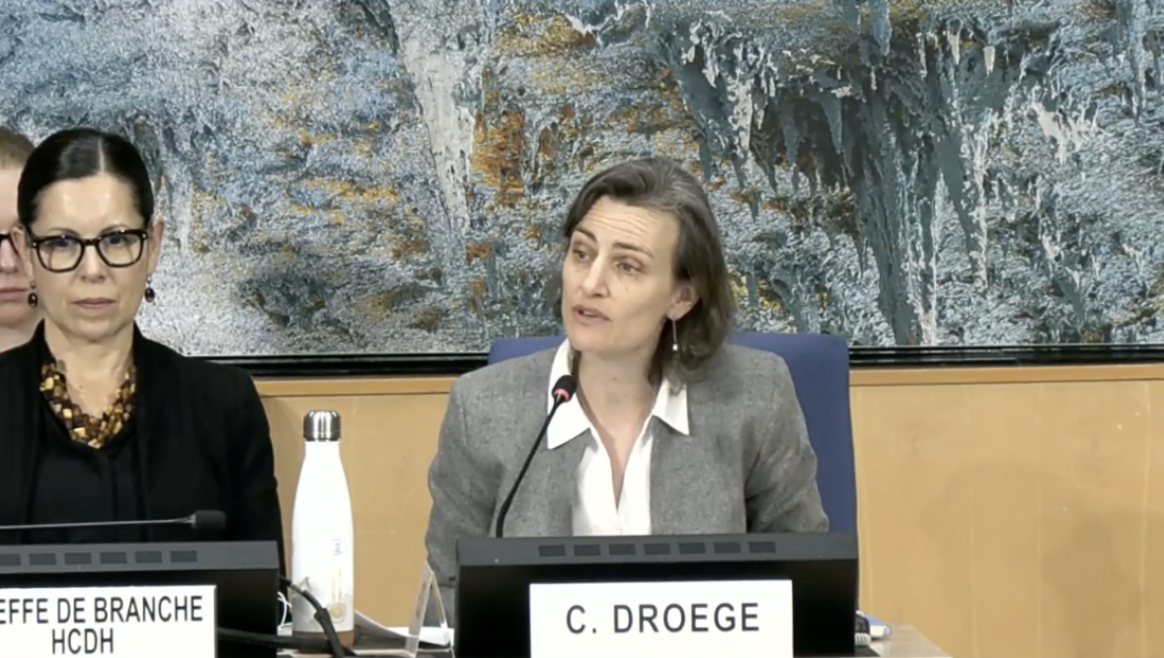
Ms. Cordula Droege, Chief Legal Officer at the International Committee of the Red Cross, highlighted that the frameworks of international law are designed to protect children, particularly through the application of international humanitarian law. Instruments such as the Geneva Conventions explicitly require special respect and protection for children, including access to appropriate food, education, and safeguards against recruitment into armed forces. However, she emphasized that children remain especially vulnerable in modern warfare: their lower body weight means that weapons—especially explosive weapons—are more likely to kill them. According to her, the current crisis of international law is largely a crisis of implementation and knowledge, reflecting a broader failure of the rule of law. Despite the existence of legal frameworks, no child is becoming safer. She noted that one in five children now lives in areas affected by armed conflict, meaning that fewer and fewer children are spared from violence. States therefore have a crucial responsibility to protect schools and ensure access to education, supported by international guidelines aimed at safeguarding educational facilities during conflict. She also urged the audience to consider the vulnerability of children, asking how an unaccompanied infant could possibly protect itself in such circumstances. Concluding her remarks, she stressed the urgent need for the international community to change course and place children at the very centre of its humanitarian and legal efforts, reminding listeners that it is ultimately today’s children who will suffer most from an increasingly violent world.
Statements by Representatives and observers
Various groups of states engaged in the discussion following the presentations by the experts.
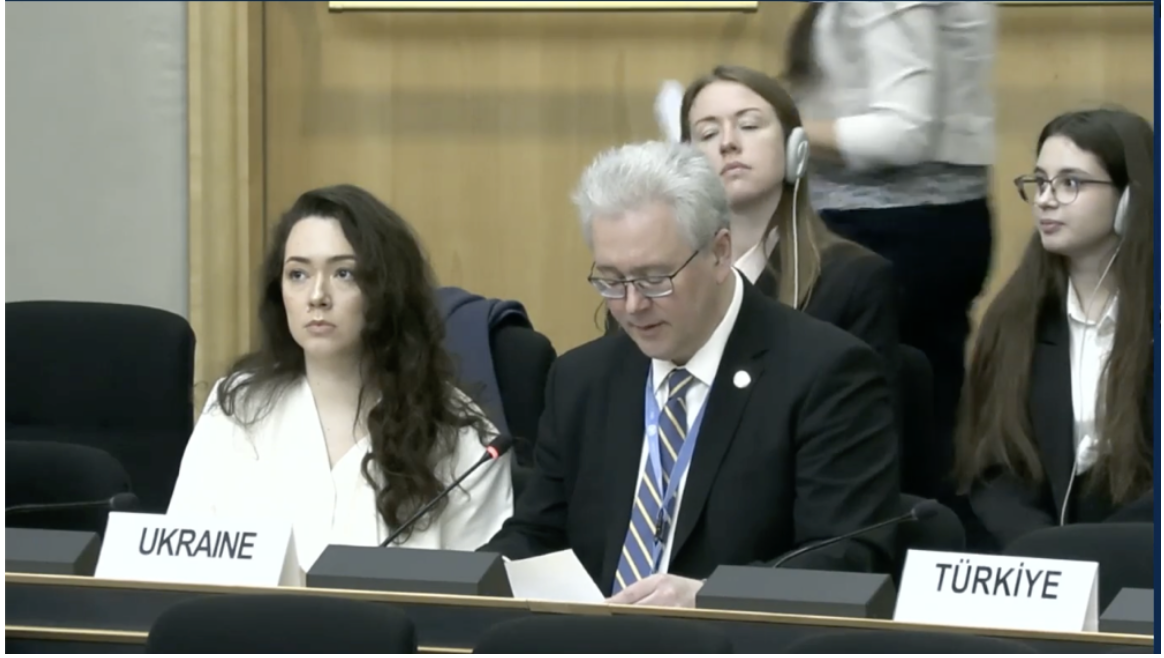
Ukraine spoke on behalf of the Lublin Triangle (Lithuania, Poland and Ukraine) declaring that in Ukraine, in 80% of documented cases involve children who have not been returned to their families. This constitutes a war crime. The Lublin Triangle urges all states to intensify efforts to protect Ukrainian children. They demand the international community to safeguard the future of these children.
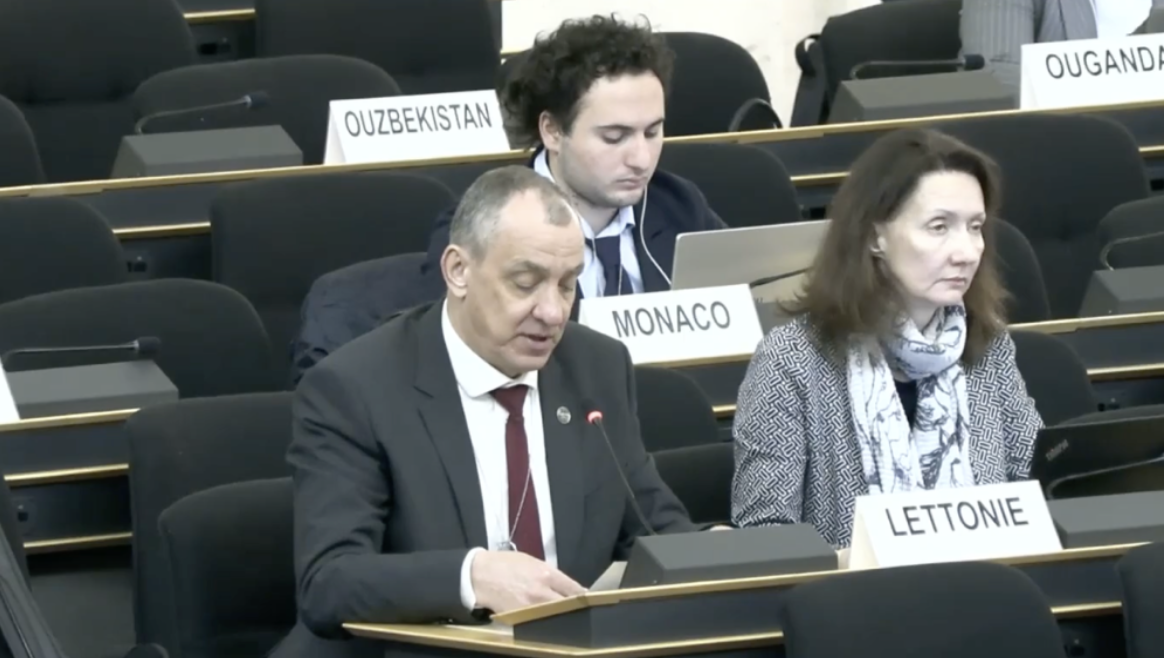
The Representative of Latvia took the floor on behalf of the Northern Baltic States (Estonia, Latvia and Lithuania). The representative expressed the urgent need for infrastructure to protect children. Preventing violation of children’s rights is a matter of international law, he declared. The Northern Baltic states therefore urge states to renew their commitment to international law, and assert the need for the international community and states to work together to help children in armed conflicts to regain their lives.
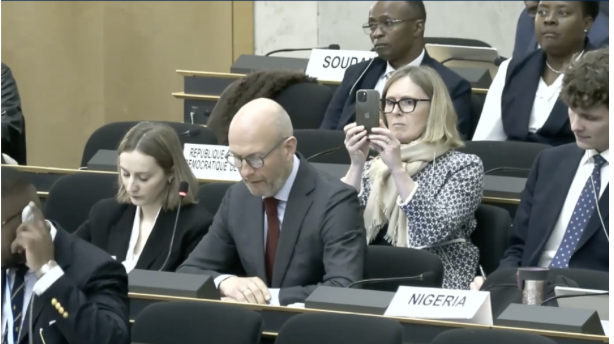
The delegate of Norway, on behalf of 62 states that have endorsed the Safe Schools Declaration, affirmed that in 2024, grave violations against children have reached unprecedented gravity for the past 30 years. Hence, they urge States to:
- Reaffirm the rights to education for children
- And ensure the safe participation of children in peace mechanisms
The 62 States alleged that protecting education is not optional and protecting children is a choice.
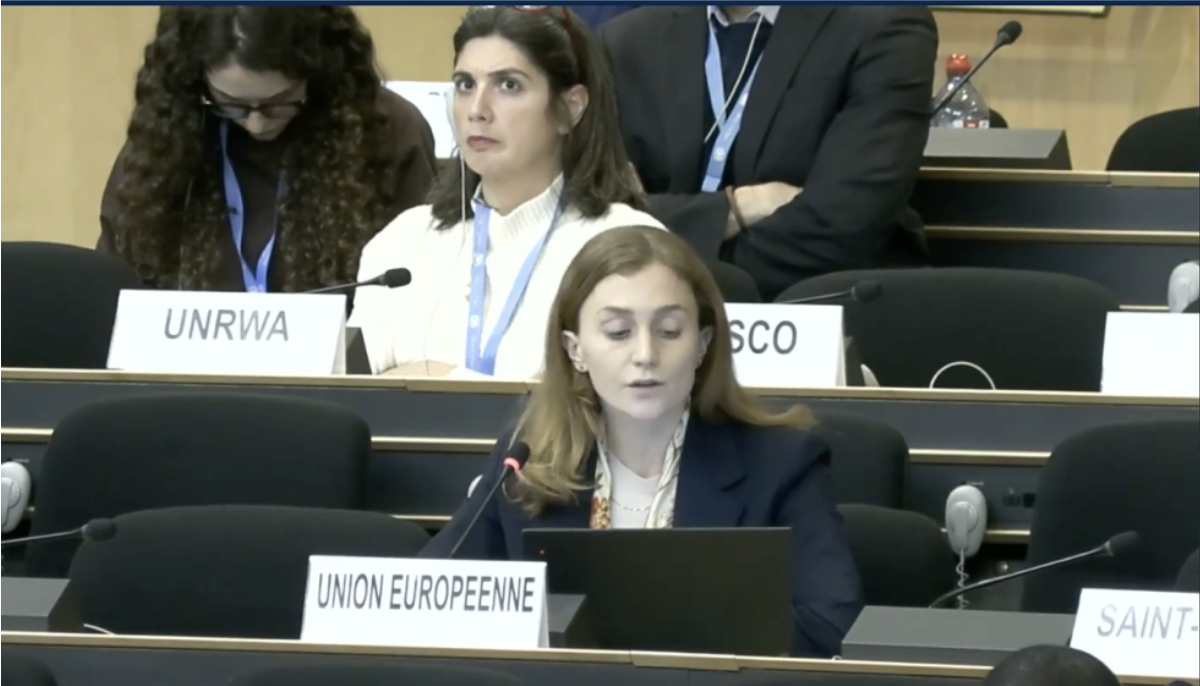
The Representative of the European Union asserted that the international community has a duty to prevent violations against children. She presented the EU guidelines on children and armed conflict (CAAC). The goals are the following:
- Protect children affected by armed conflict through the respect for international law and the promotion of safe environments for children in conflict zones.
- End the recruitment and use of child soldiers through advocacy
- Promote accountability and fight impunity
- Integrate child protection into EU external policies
- Monitor and report violations
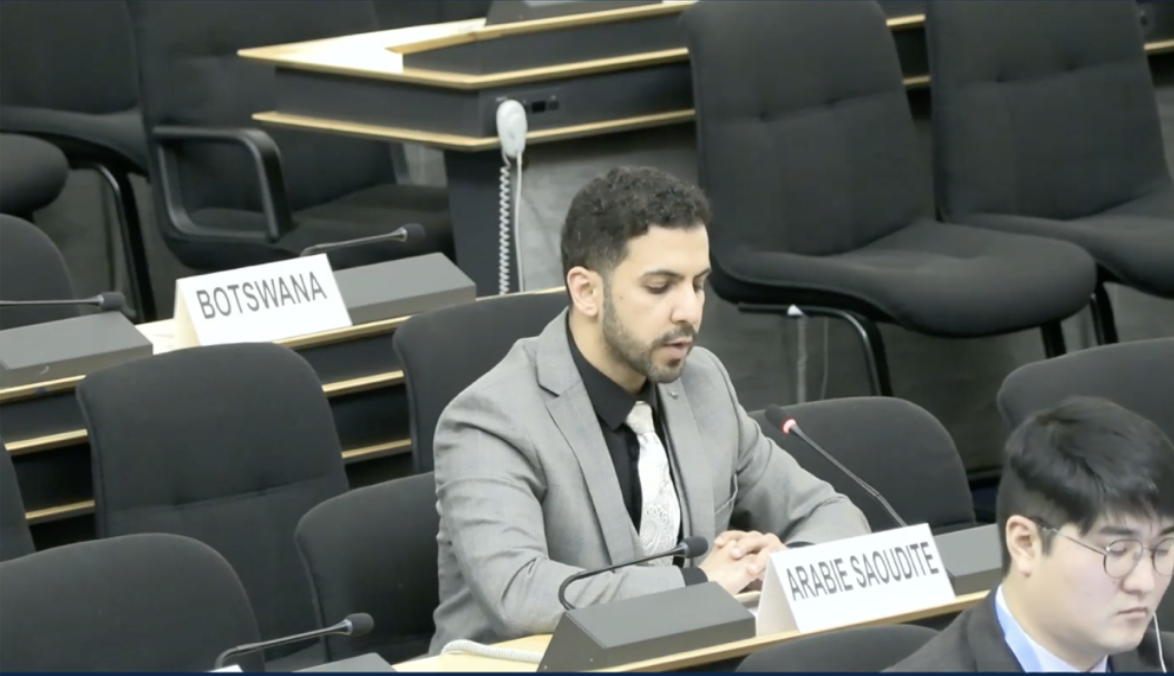
The Representative of Saudi Arabia spoke on behalf of the Arab group.
He expressed deep concern over the unprecedented decline in the protection of children's rights in various states. The Group, he said, is “particularly alarmed by the catastrophic situation faced by children in Gaza, where attacks on hospitals and schools have severely impacted their safety and well-being.” Furthermore, the Arab Group is also concerned by the flagrant violations against Sudanese children, who continue to suffer in conditions of instability and violence. Allowing such violations to go unpunished fosters a climate of impunity, which in turn undermines prospects for sustainable peace and long-term stability.
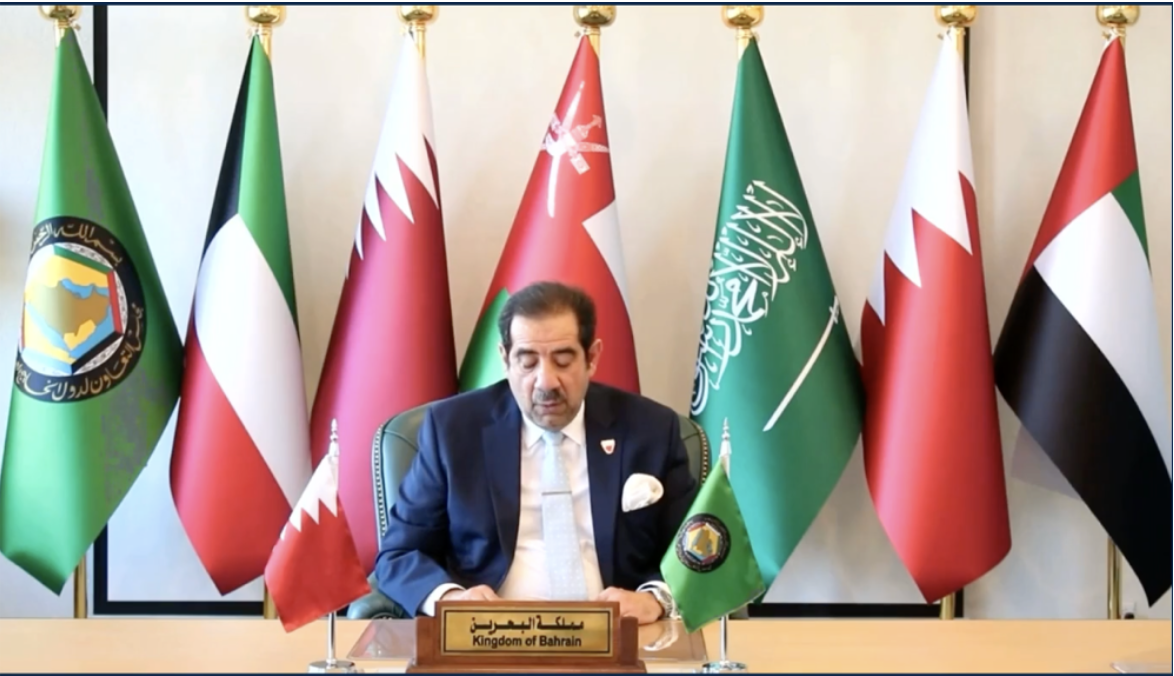
The delegate of Bahrain, speaking on behalf of the Cooperation Council for the Arab States of the Gulf, emphasized that children are the most vulnerable individuals during armed conflicts. The protection of children is a legally binding obligation under international law, making it essential for all parties to uphold these commitments. In this regard, the representative stressed the vital importance of respecting the principles of international humanitarian law. He also called for strengthened diplomatic and humanitarian efforts to ensure compliance with these rules and to promote the peaceful settlement of conflicts.
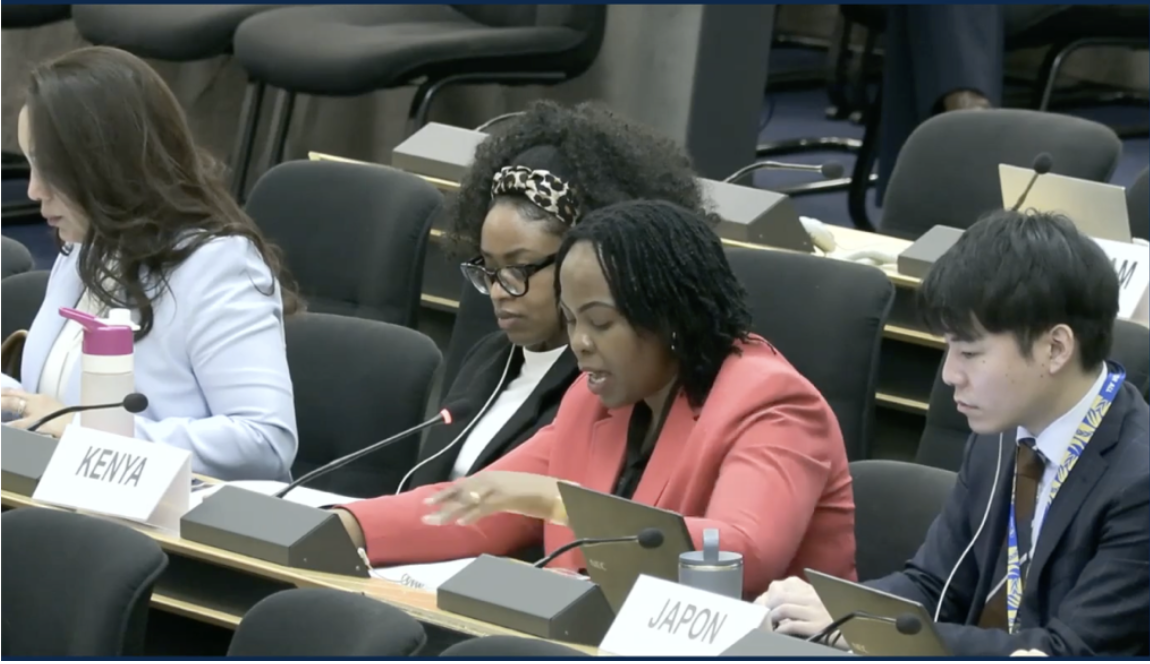
The Representative of Kenya, speaking on behalf of the Group of African States, underlined that children continue to be severely affected by armed conflicts. She expressed deep concern over the grave violations committed against children in such contexts. It reaffirmed its strong commitment to the protection of children and emphasized the crucial importance of enhanced international cooperation to effectively address these challenges and ensure their safety and well-being.
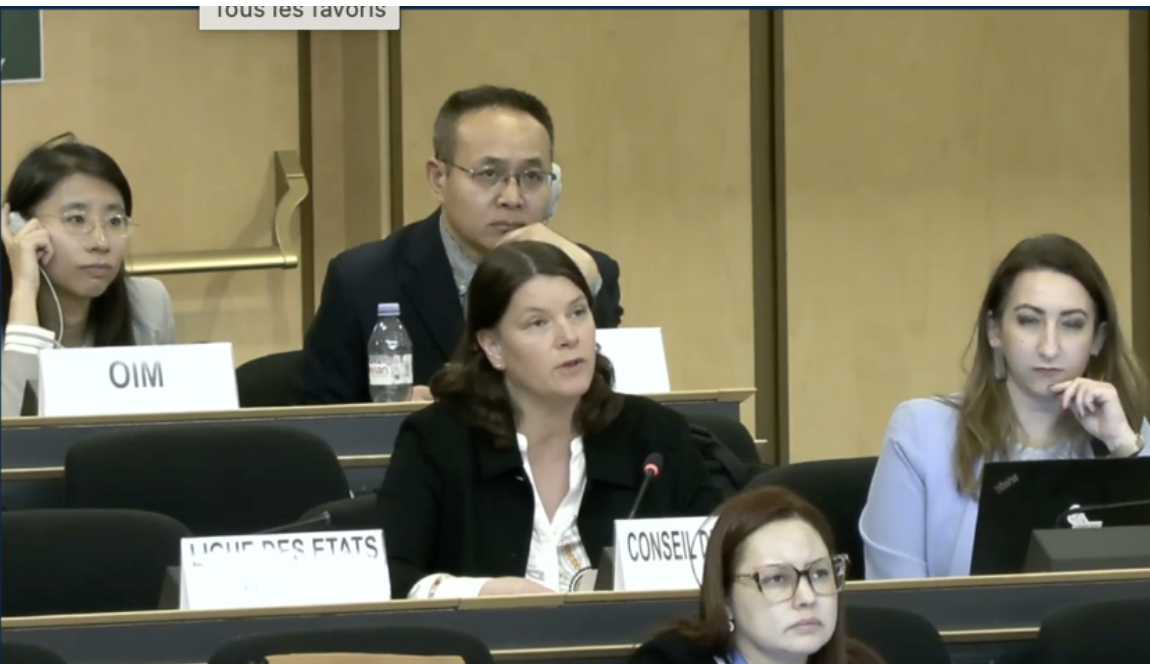
The Council of Europe has made the protection of children’s rights a key priority, particularly in the context of ongoing crises. It promotes multilateral cooperation among its member states, notably through initiatives such as the consultation group on the children of Ukraine. This platform focuses on ensuring the safe return of displaced children and providing appropriate trauma care to address the psychological impact of conflict. These efforts are further reinforced by the Council of Europe’s commitment to providing technical assistance, supporting states in strengthening their legal frameworks and practical capacities to better protect children in vulnerable situations.
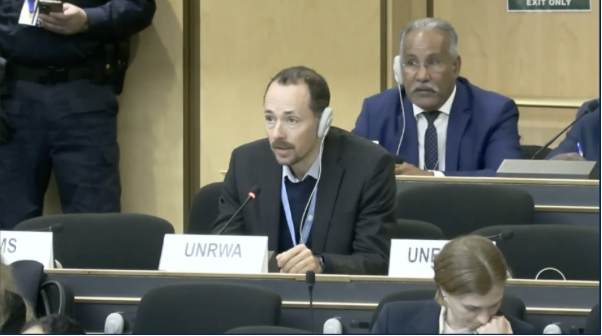
Finally, the UNRWA (United Nations Relief and Works Agency for Palestine refugees in the near east) highlighted the tragic loss of over 21,000 children in Gaza. Reflecting the voices of those affected, the agency desires for a world “where the sun shines every day, with no sign of war.” UNRWA also underscores the critical importance of education, noting that while half of the children in Gaza previously attended school, they are now unable to do so, limiting their opportunities to build a future through knowledge.
Voices of child representatives
A number of youth participants presented their concerns as follows.
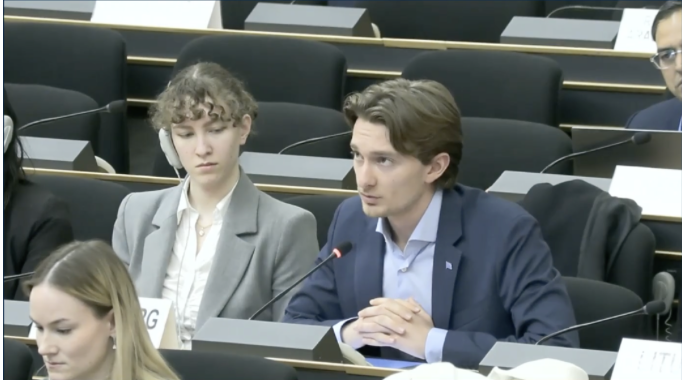
The Representative from Luxembourg echoed the voices of youth from his country, noting that while children in Luxembourg are fortunate to live far from conflict zones, many others are not as privileged. In particular, migrant children fleeing violence, among them unaccompanied minors, often face situations where their rights are not adequately respected. Luxembourg stressed that armed conflicts do not only destroy bodies, but also silence the young voices that the world so desperately needs. In this regard, it called for concrete action beyond mere declarations and emphasized that all children must be protected, regardless of their gender or circumstances.
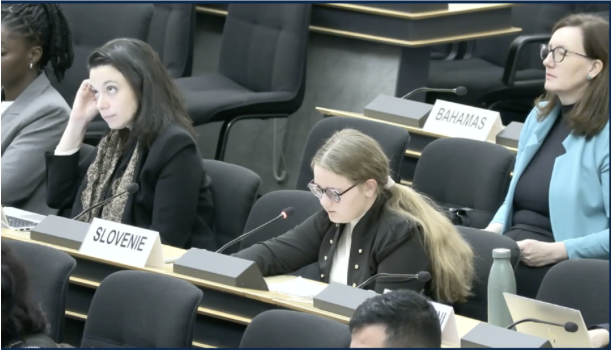
The representative of Slovenia’s Children’s Parliament declared that children affected by war continue to hold fundamental rights that must be respected. She affirmed that rights written on paper are not sufficient without concrete implementation. Throughout the statement, she argued the importance of listening to children’s voices, underlining that they matter and must be taken into account. Ultimately, Slovenia affirmed that all children deserve peace, safety, access to education, and the opportunity to build a secure future.
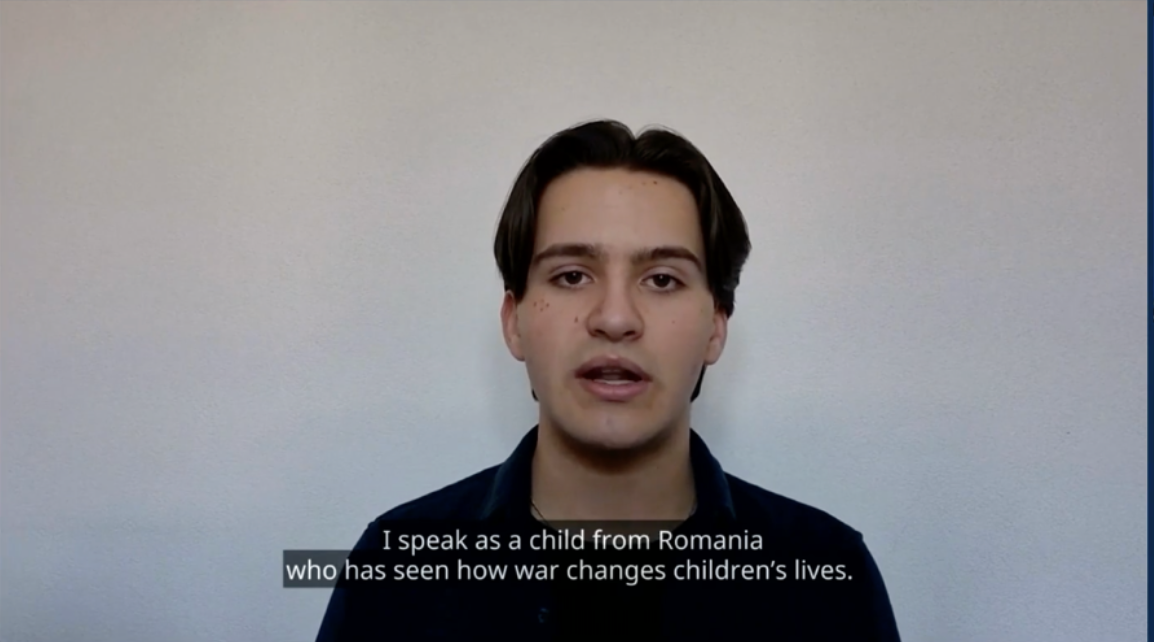
The Romanian Children’s Board shared the perspective of Lucas, a 15-year-old participant, who expressed the importance of ensuring that schools and hospitals remain safe spaces for children. He stated that listening to children is essential, as understanding their experiences and feelings plays a key role in effectively protecting them.
Statements by NGOs and Civil Society
Representatives of NGOs and Civil Society agreed with the report of the .... (insert title of the presenter of the report). They stressed that the fundamental rights and best interests of the child must be the primary concern of all states. Determining a child’s best interests requires full respect for their rights, ensuring that children are heard and their views genuinely taken into account in law and practice. The current scale of violations against children constitutes a crisis of moral and political responsibility, demanding urgent and decisive action. Education and schools must be protected as safe, neutral spaces, and the right to education must remain inviolable, yet in many contexts, such as under the Taliban’s restrictions on girls or the recruitment of children by armed groups in Yemen, the DRC, Myanmar, and Sudan, access to learning is being weaponized. In Ukraine, many children face fear and stress, calling for investments in mental health support, youth participation, and targeted protection to ensure their futures are shaped by resilience, not trauma. Palestinian children in Gaza, where over 21,000 have been killed and even newborns are left struggling for survival amid power cuts, deserve equal rights, protection, and dignity. States must uphold international law, safeguard children during conflicts, and ensure accountability mechanisms do not fail.
Concluding remarks
The first panel of the Annual Full Day on the Rights of the Child emphasized the persistent gap between international protections and their enforcement. Vanessa Frazier noted a worrying 25% rise in violations against children, with both non-state armed groups and governments responsible, particularly for attacks on schools. Benoit Van Keirsbilck highlighted states’ obligations for actions originating from their territory, citing contexts like Ukraine, where violations may constitute war crimes, and Gaza, where violations continue despite a ceasefire. Cordula Droege stated that the problem lies not in the absence of legal norms but in weak rule of law and political will, with children often sidelined for political or security reasons. The panel concluded that stronger accountability, consistent application of international norms, and genuine political commitment are essential to better protect children in armed conflict.
Panel discussion 2 - Mainstreaming the rights of children in armed conflict: reintegration and recovery, remedies and reparation
Opening remarks
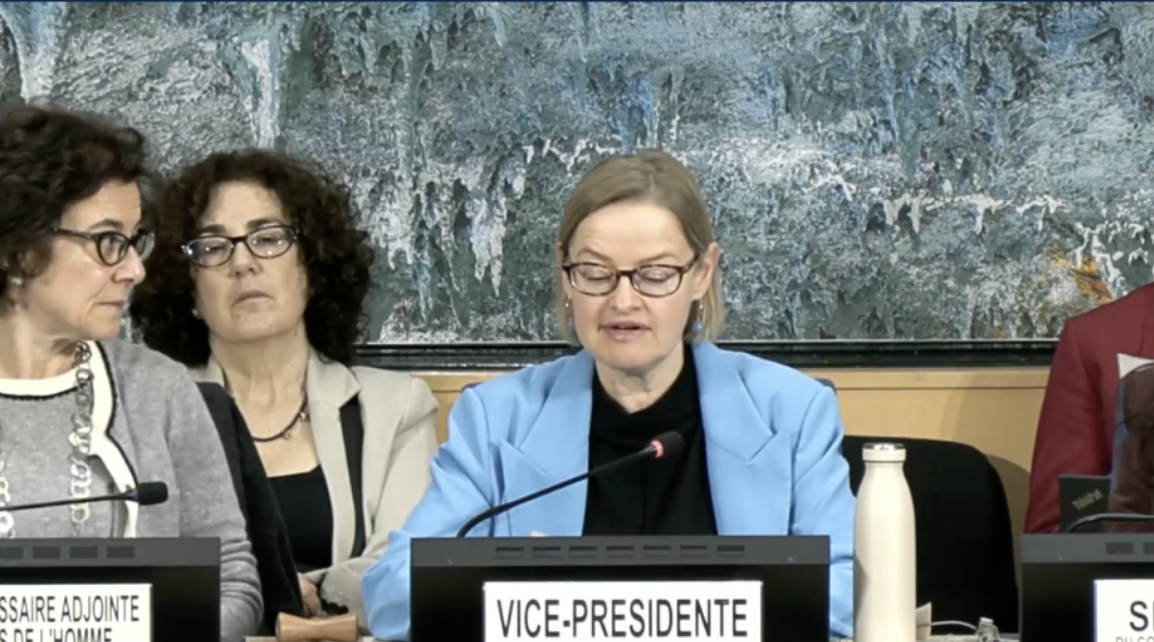
H.E. Mrs. Riia Salsa-Audiffren, Vice-President of the Human Rights Council declared open the second panel discussion on the rights of the child, and welcomed the inclusion of child and youth participants as representatives of states and NGOs, as it facilitates decision-making.
Statements by panellists
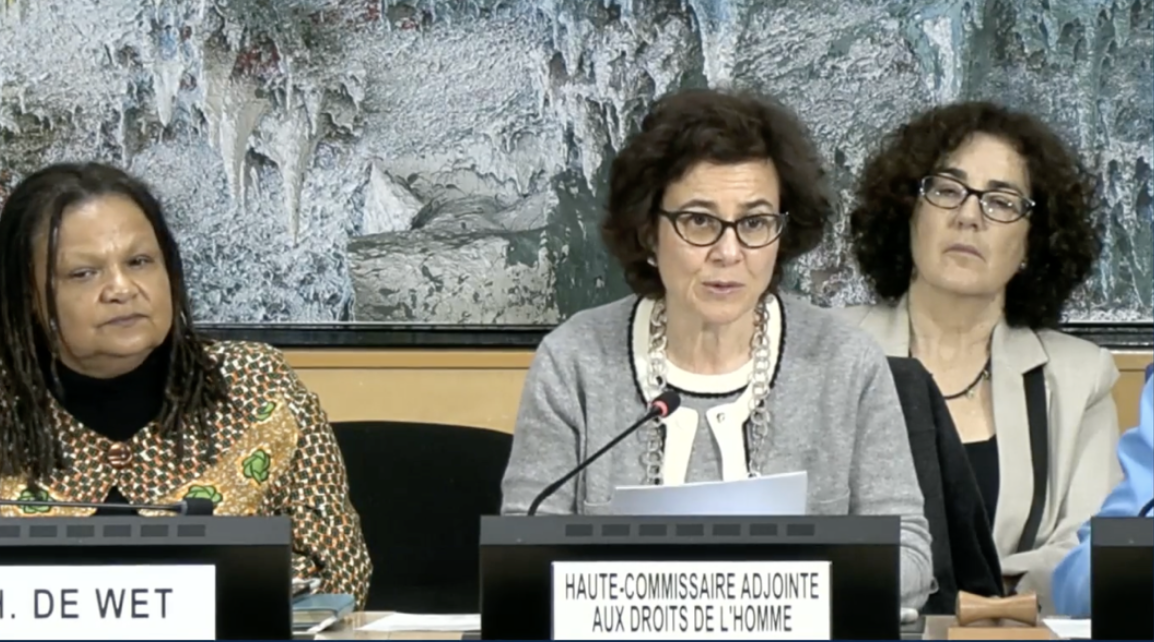
Ms. Nada Al‑Nashif, United Nations Deputy High Commissioner for Human Rights, underscored the profound physical and psychological harm that war inflicts on children. Armed forces and armed groups continue to forcibly recruit children, subjecting them to severe abuse and exploitation. In 2024 alone, more than 3,000 children were detained in conflict situations. Conflict‑related and sexual violence remain widespread, with Sudan reporting 223 child victims of sexual violence that year. The consequences are devastating, including unwanted pregnancies, sexually transmitted infections, and deep psychological trauma. Several States have taken positive steps by adopting laws to assist child survivors or by establishing programmes for the reintegration of children who were detained due to association with armed groups often with the support of United Nations initiatives. Yet, significant challenges remain: crimes against children are still rarely investigated, and States as well as the international community continue to fall short in allocating the resources required for long‑term psychological and reintegration services.
She outlined four key priorities for action. First, States must conduct independent and impartial investigations into crimes committed against children, ensuring that they can report violations safely. Second, States must recognize that children associated with armed groups are victims, not offenders. Third, governments must allocate sufficient and sustained resources to long‑term reintegration and support programmes. Finally, she claimed that children are not only victims, they are rights‑holders with a voice in shaping their own lives and their future.
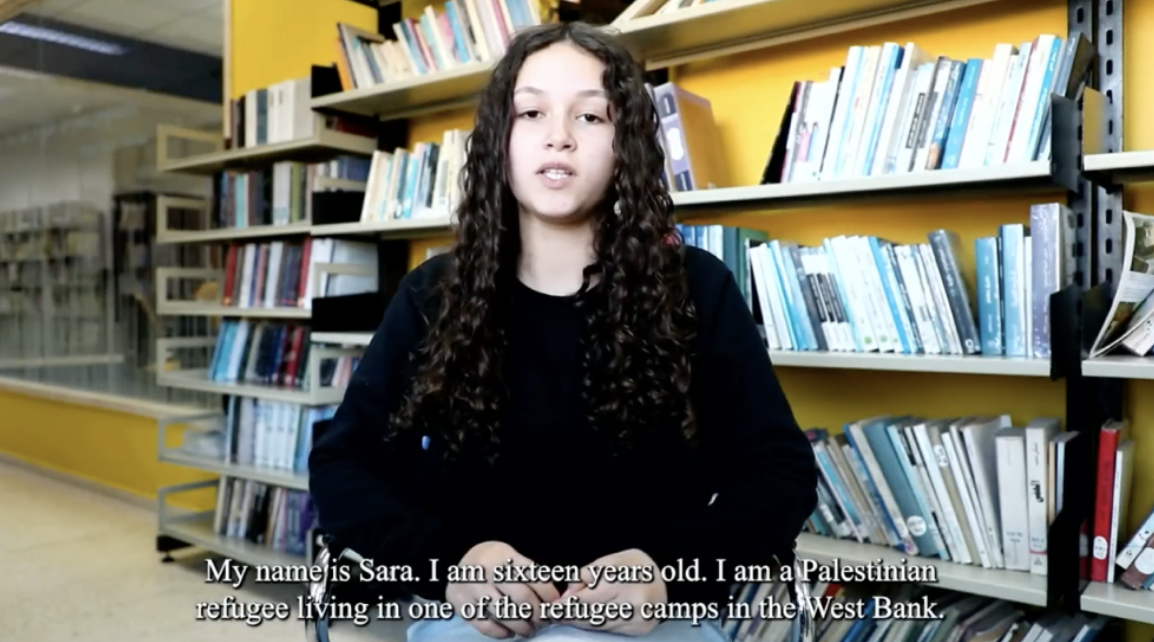
Sara, a 16‑year‑old child rights advocate from the Occupied Palestinian Territory, spoke on behalf of children from Gaza. She shared that she grew up surrounded by stories, and personal experiences of displacement, loss, and violence. For children in Gaza, mental health and the ability to build a future have been deeply compromised; fear has become part of their daily lives, and trauma shapes their every day. “Even now,” she said, “when I try to sleep, images of the aggression we lived through in Gaza keep flashing before my eyes, the bombardment, the displacement, the hunger, and the killings.”
Sara reported that despite the suffering endured by children in Gaza, she and other children want to fulfil their dreams, yet they have lost access to basic services such as healthcare and education. For them, education represents more than a right, it is a form of hope and a path toward rebuilding. Sara lamented that the world has failed to protect them, rendering their suffering invisible to many. True justice, she said, would mean being able to live like any other child in the world: to learn, to express oneself freely, and to grow up in safety. She called for their voices to be heard, for security measures and psychological support to enable them to speak without fear, and for their fundamental rights to be respected and upheld.
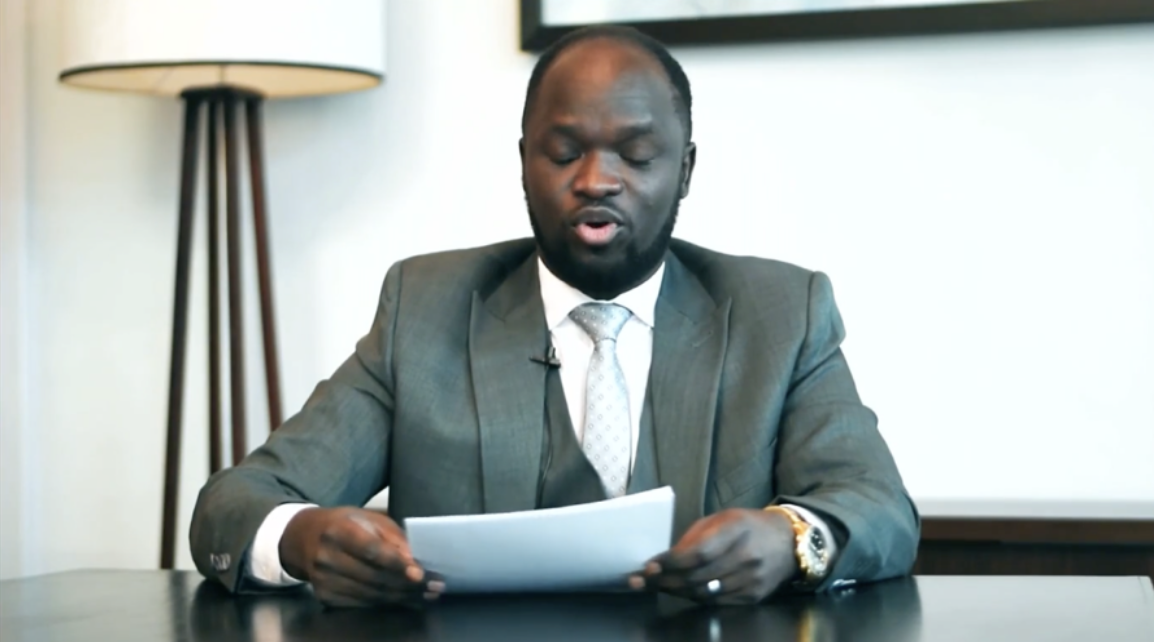
Mr. Robert Doya Nanima, Special Rapporteur on Children in Conflict Situations of the African Committee of Experts on the Rights and Welfare of the Child, stressed that action to protect children in armed conflicts is both urgent and necessary. He called on all States to take every possible measure to prevent violations against children and to ensure their effective protection. The effectiveness of such measures, he noted, depends largely on the strength and coherence of the systems through which they are implemented.
He identified two priorities in this effort. First, the need to strengthen accountability through robust monitoring and reporting mechanisms. Without reliable data, violations remain invisible and justice becomes unattainable. The African Committee of Experts on the Rights and Welfare of the Child has therefore underscored the importance for States to reinforce their monitoring frameworks, particularly regarding attacks on schools, incidents of sexual violence, and the recruitment and use of children by armed forces or groups. Effective monitoring serves as the cornerstone of prevention.
Second, Mr. Nanima emphasized the importance of meaningful reintegration and recovery for children affected by conflict. Detention should always remain a measure of last resort, and children must be treated primarily as victims in need of care and protection. Long‑term recovery services are essential, and reintegration initiatives must be age‑appropriate, gender‑responsive, and community‑centred to ensure lasting social inclusion.
Above all, he urged States to recognize children as rights‑holders in their own capacity, whose protection and participation are fundamental to peacebuilding and sustainable recovery.
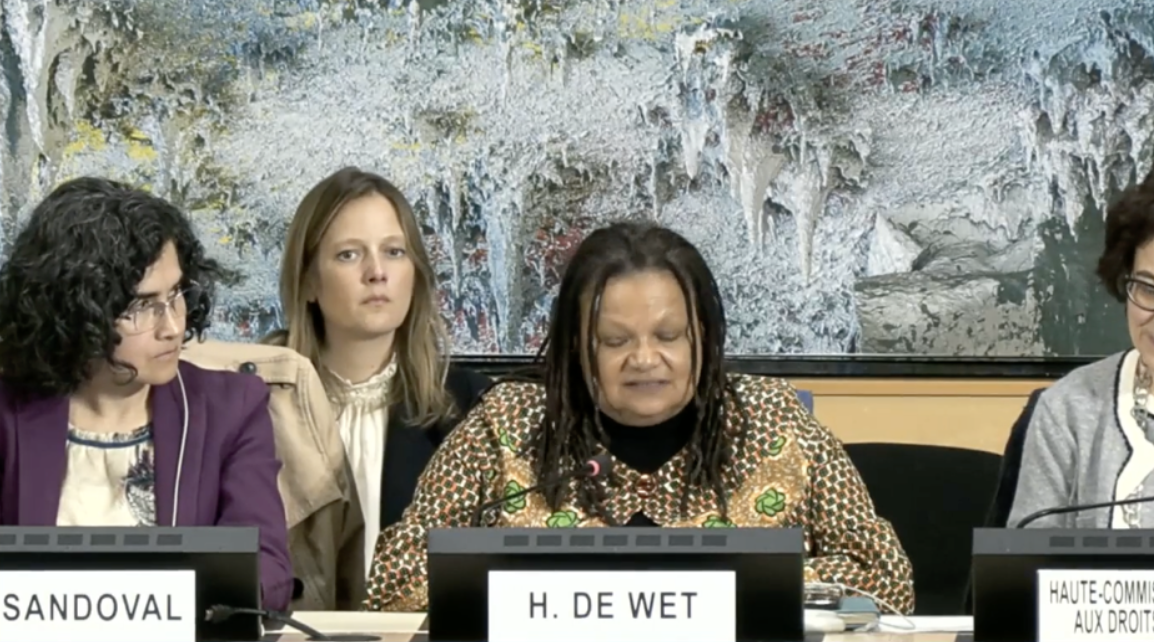
Ms. Hazel De Wet, Deputy Director of the Office of Emergency Programmes at the United Nations Children’s Fund (UNICEF), emphasized that children continue to face tremendous risks to their lives in conflict situations. She highlighted two interrelated priorities: first, ensuring that justice and accountability mechanisms safely include children’s voices, and second, strengthening the monitoring and reporting of violations against children as a crucial tool for their protection.
UNICEF underlined the importance of systematically integrating a child‑rights perspective into the design of all justice and accountability frameworks. Direct participation of children must occur only when it is safe, voluntary, meaningful, and clearly in the best interest of the child. Safeguards must be in place to prevent any additional harm. Member States have a critical role to play in facilitating child‑friendly entry points to justice, through accessible complaint mechanisms, trusted focal points, and safe systems for reporting and responding to violations. National systems should also guarantee that children can hold governments accountable while ensuring the protection of their personal data. The Monitoring and Reporting Mechanism (MRM), established under Security Council Resolution 1612 (2005), remains a central pillar of global child protection. Over the years, it has delivered tangible results by generating reliable, verified information on how children are affected by grave violations.
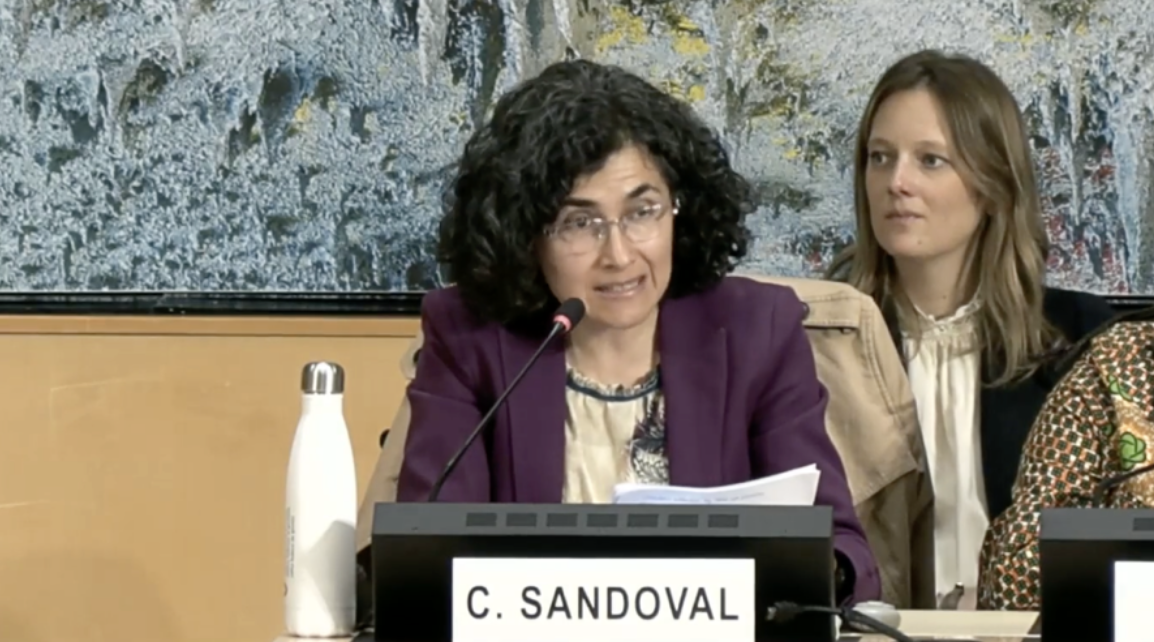
Ms. Clara Sandoval, Director of Programmes at the Global Survivors Fund reported that every day, children continue to be affected by conflict‑related sexual violence. They do not need to be directly assaulted to bear its devastating consequences. In 2024 alone, at least 1,938 children were verified as victims of conflict‑related violence, including cases of rape of children as young as six months old, representing a 50 percent increase since 2020. Many of those born as a result of sexual violence are labelled as “children of the enemy,” facing rejection by their families and communities. This stigma often leads to extreme poverty, child marriage, and even recruitment by armed groups.
She called for immediate action to uphold every child’s right to reparation, especially those who have been silenced, violated, or discriminated against following sexual violence. This is not only about justice but about guaranteeing their right to social reparation, their right to a future, and preventing the transmission of trauma across generations. In practice, however, children affected by such violence remain largely invisible. They are almost entirely excluded from justice and reparation processes, their voices unheard and their needs unmet.
Ms Sandoval concluded her report by stating that Cconcrete action is urgently needed. First, education must be recognized as a primary form of reparation for children. Children themselves identify education as a core demand, it restores their self‑esteem and offers a path to healing and empowerment. Education designed around trauma recovery, accelerated learning, and flexible reintegration can help rebuild lives while providing safe and supportive environments. Second, children must meaningfully participate in all decisions that affect them. Their right to express their views is fundamental, and it is imperative that the international community works directly with children as partners in shaping their own futures.
Statements by Representatives
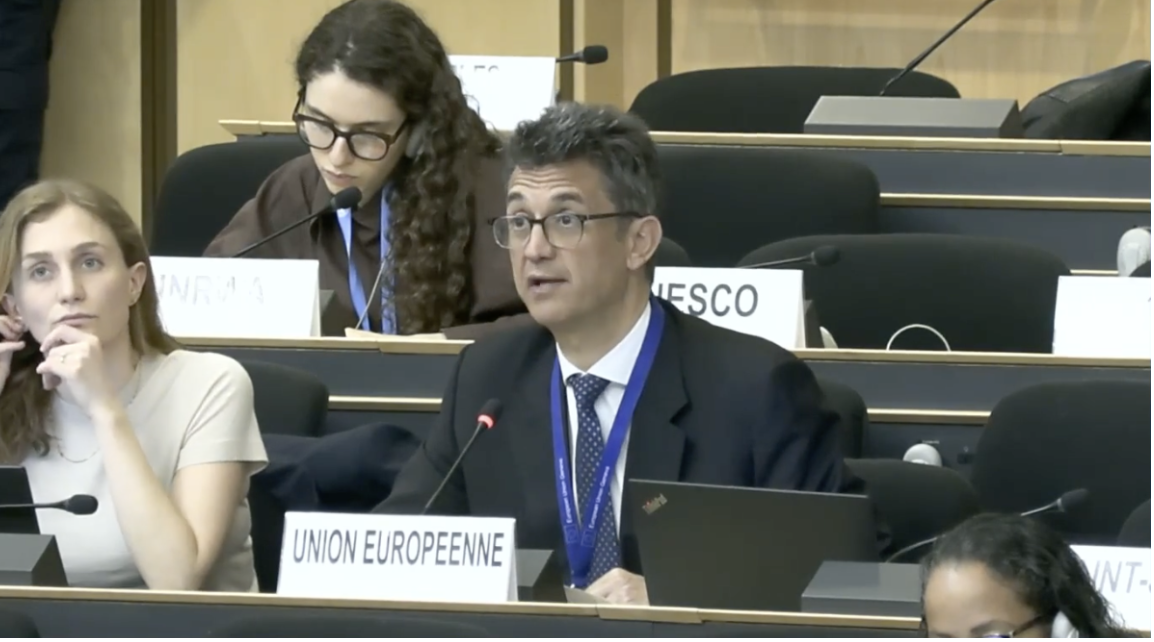
The Special Representative of the EU reaffirmed the contribution of the EU through the EU guidelines on children and armed conflicts, which consider children as victims whose rights and dignity must be protected. Accountability is not optional, it is essential to prevention, recovery and reintegration. The guidelines commit the EU to monitor and report grave violations on children and support MRM.
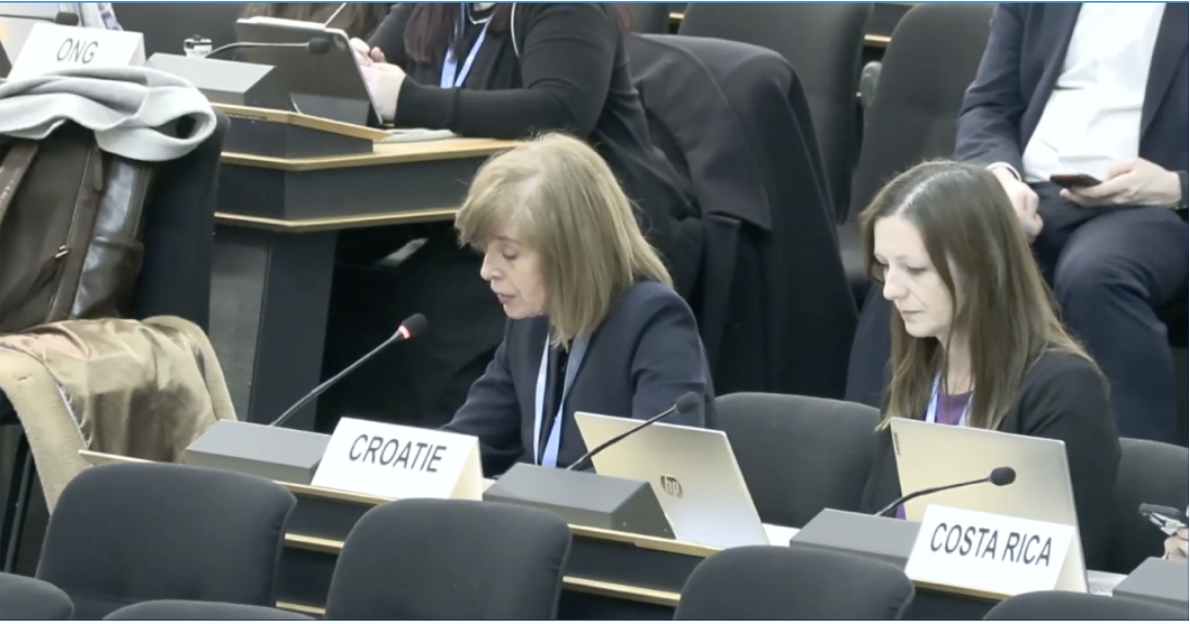
The Special Representative of Croatia, on behalf of Austria, Slovenia and Croatia stated that armed conflicts remain one of the gravest threats to children. They produce lasting consequences for children. That is why the international community and States need to pay special attention to reparation, following a child-based approach, rooted in communities. For example, their group provided protection and education for Ukrainian children, in line with the EU guidelines on children and armed conflicts. They concluded that they remain committed to integrating child protection into political dialogue as well as monitoring accountability mechanisms.
Statements by NGOs and Civil Society
NGOs expressed the necessity for every child to have the right to live in a world free from war. They stated that the international community must shift its focus from conflict to peace, ensuring that children can grow up in safety and dignity. Too many children continue to face immense difficulties, and it is our collective responsibility to create inclusive, child‑friendly spaces where they can freely express their views. No child who stands up for human rights should ever be harassed, prosecuted, or harmed.
Even in times of emergency, the right to life must be protected. International law clearly obliges states and parties to conflict to safeguard civilians, especially children, as well as to prevent foreseeable harm and investigate all incidents in which children are affected. Beyond legal obligations, this also means providing tangible support, including urgent medical care, psychological assistance, and safe avenues for rehabilitation. Since 2022 and the full‑scale invasion by Russia, 637 children have been killed in Ukraine alone, an unbearable toll that demands action. They therefore call on the international community to strengthen mechanisms for locating and returning deported Ukrainian children, and to ensure accountability for all crimes committed against them.
In Palestine, freedom of movement remains severely restricted. Children live in uncertainty and fear, longing to feel safe and to learn. Protecting children’s rights must never be politicised. The destruction and loss they endure, homes turned into graves, futures stolen, demand our urgent attention. Children affected by war must not only receive strong support and protection but also be given a voice in decisions that concern them. Among these children, those with disabilities face even greater challenges, as societies often fail to understand, respect, or accommodate their specific needs. Millions of children continue to struggle to survive; ensuring their safety, inclusion, and dignity must remain a universal priority.
Concluding remarks
In their concluding remarks, the experts expressed their appreciation of the positive spirit and the valuable contributions shared by NGOs and state representatives. They concluded that the international community and states already know what must be done to protect children. What we need now is concrete action, adequate resources, and strong political commitment to ensure their effective protection. To promote reintegration, we must recognize that reparation cannot wait for years after a conflict has ended, it must begin now, in places like Sudan and Palestine.
They highlighted two points:
- Education should be seen as a key form of reparation as it empowers children, enables their acceptance within society, and equips them with the tools needed to overcome barriers and build a future.
- Moreover, it is essential to document the victims and the violence they have endured as a crucial step toward achieving reparation. This documentation is not merely an administrative exercise, it is an act of recognition and justice.
The international community and States must act without delay, and it is our hope that the resolution to be adopted will serve as a genuine call to action rather than remain a collection of beautiful words.
Position of Geneva International Centre for Justice
The Geneva International Centre for Justice (GICJ) expresses its deep concern regarding the grave dangers faced by children in situations of armed conflict, including sexual and gender-based violence, forced recruitment, trafficking, and enforced disappearances. These violations represent not only an assault on the fundamental rights of children but also a moral and legal failure of the international community to uphold the core principles enshrined in the Convention on the Rights of the Child and international humanitarian law. GICJ stresses that the protection of children’s rights must remain an absolute priority, particularly in contexts of war and instability where the breakdown of state institutions leaves young people most vulnerable to exploitation, abuse, and neglect.
In this regard, GICJ calls upon the Human Rights Council to take urgent and coordinated steps to ensure accountability and protection for children affected by conflict. The Council should strengthen monitoring and reporting mechanisms on grave violations against children, reinforce cooperation with the Office of the Special Representative of the Secretary-General for Children and Armed Conflict, and demand compliance from all parties to conflicts with international humanitarian and human rights obligations. Furthermore, GICJ urges the establishment of independent investigative bodies to document crimes against children and ensure that perpetrators are held accountable through national and international justice mechanisms.
The Human Rights Council should also promote the inclusion of child protection measures in all peacebuilding and post-conflict recovery processes, ensuring access to education, psychosocial support, and reintegration programs for children formerly associated with armed groups. Special attention must be given to addressing sexual and gender-based violence through survivor-centred approaches, medical and legal assistance, and community-based prevention initiatives. Finally, GICJ calls on all Member States to reaffirm their commitment to the universal right of every child to live in peace, dignity, and safety, and to allocate the necessary resources to translate these commitments into concrete, life-saving action.
