



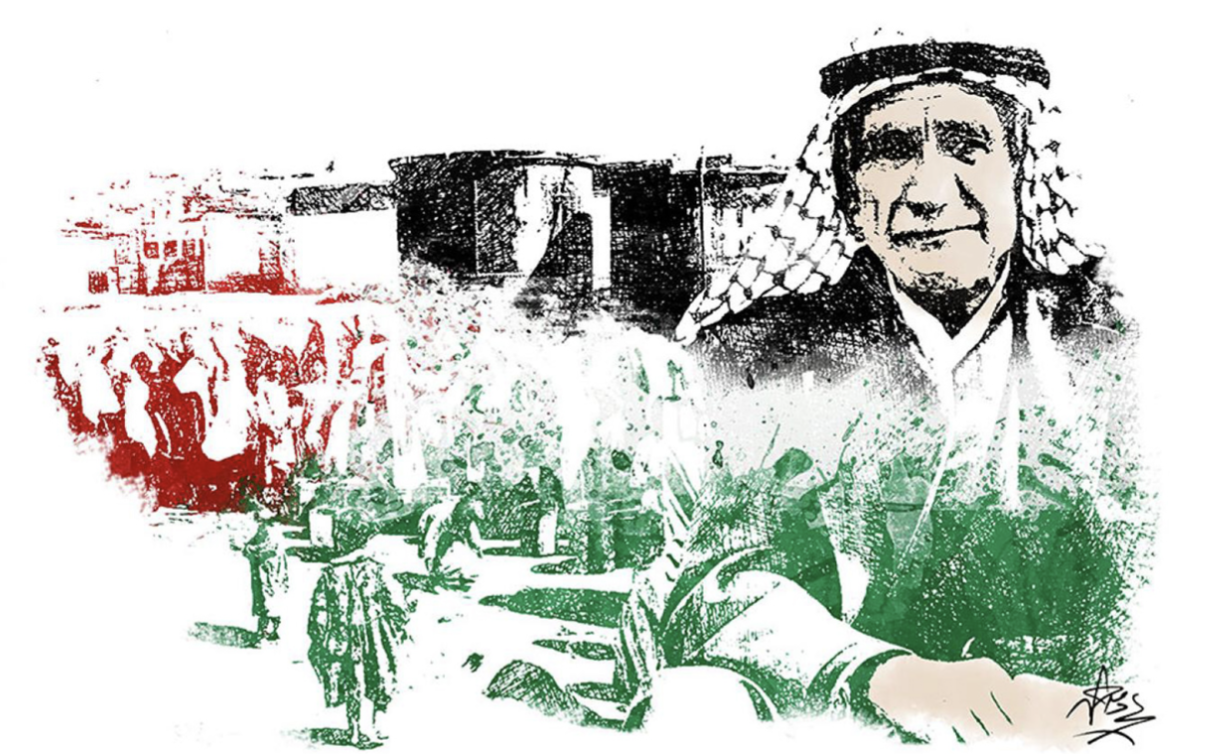
Image source: United Nations (https://www.un.org/en/property-cards-by-og-global-category/287/11460?page=1)
International Day of Solidarity with the Palestinian People - 29 November
By Haliema Sharfeddine / GICJ
Introduction
“A generation has been traumatised.” These words, spoken by the UN Humanitarian Affairs Chief at a Security Council briefing, reflect the suffering endured by children in Gaza after years of conflict, displacement, and loss. As the world marks 29 November, the International Day of Solidarity with the Palestinian People, this statement serves as a stark reminder of unfinished rights and the urgent need for renewed global engagement.
The observance of the International Day of Solidarity with the Palestinian People was established by the United Nations General Assembly in 1977 to highlight the unresolved status of Palestine and to affirm the rights of the Palestinian people: their right to self-determination, national independence, and return to their homes. Although decades have passed since the original partition plan was proposed in 1947, the fundamental demands of justice and dignity remain unmet. This day continues to serve as both a commemoration and a call to action.
2025: Solidarity Amid Crisis
This year, the Day of Solidarity comes at a moment when the consequences of war, occupation, and forced displacement weigh heavily on countless Palestinian lives, especially on children. The UN Secretary-General’s 2025 message on the occasion noted that Gaza has suffered “two years of horrific suffering,” with at least 60 thousand victims, the majority women and children, widespread destruction of homes, schools and hospitals, and massive displacement.
The humanitarian situation remains critical. According to recent reports by UN agencies, many children in Gaza face acute malnutrition, illnesses, and psychological trauma. Access to clean water, food, healthcare and shelter is severely impaired. Meanwhile, in the illegally occupied West Bank, including East Jerusalem, ongoing illegal settlement expansion, demolitions, and restrictions on movement continue to harm the civilian population and erode prospects for peace.
The Day of Solidarity this year, therefore, carries renewed weight. It is not only an act of remembrance, but also a plea for urgent protection of civilians, unfettered humanitarian aid, and a return to political negotiation.
The Role of the United Nations
The United Nations system continues to coordinate responses through multiple channels. On 29 November, special meetings were held at UN Headquarters in New York and at key offices in Geneva. These gatherings bring together Member States, civil society organisations, and UN bodies to reaffirm support for Palestinian rights and to call for solutions based on international law.
Humanitarian agencies, in particular the United Nations Relief and Works Agency for Palestine Refugees in the Near East (UNRWA), the Office for the Coordination of Humanitarian Affairs (OCHA), and child-protection and health-care partners, remain active in Gaza and the West Bank. They provide medical care, food, water, shelter and psychosocial support to those affected. With so many civilian casualties and infrastructure destroyed, their work is essential for survival and dignity.
The Day of Solidarity, therefore, also serves to remind the international community of its obligations. It calls upon states, donors and governments to sustain support for UN humanitarian efforts and to uphold principles of international law that protect civilians and ensure respect for human rights.
What Solidarity Means
Solidarity in this context is not an abstract virtue; it demands action. It means ensuring safe and unimpeded delivery of humanitarian aid, restoring basic services, protecting children’s right to education and health, and advocating for a political solution that ensures justice and basic human dignity for Palestinians. It requires commitment from governments and international actors to oppose policies that perpetuate occupation, displacement, and statelessness. For the Palestinian people, solidarity also carries a message of recognition. That their suffering is not forgotten, that their rights remain valid, and that the international community must help uphold those rights.
GICJ Position
Geneva International Centre for Justice (GICJ) expresses full solidarity with the Palestinian people in marking this International Day of Solidarity. We support the United Nations’ call for an immediate end to the unlawful occupation and for irreversible progress toward a two-state solution under international law.
We emphasise that protection of human rights, access to humanitarian aid, and respect for international humanitarian principles must guide all actions. We recognise the vital role of UN agencies and humanitarian workers and call on all Member States to ensure adequate resources and unhindered access for their work.
GICJ stands for dignity, justice and the equal application of human rights for all. Today’s observance must not only recall past promises but renew global responsibility. We call on governments, civil society, and every concerned individual to transform solidarity into sustained support for a just and lasting peace.
Read more of our content on Palestine here.
