



Nelson Mandela International Day: An Institutional Overview of a Global Legacy
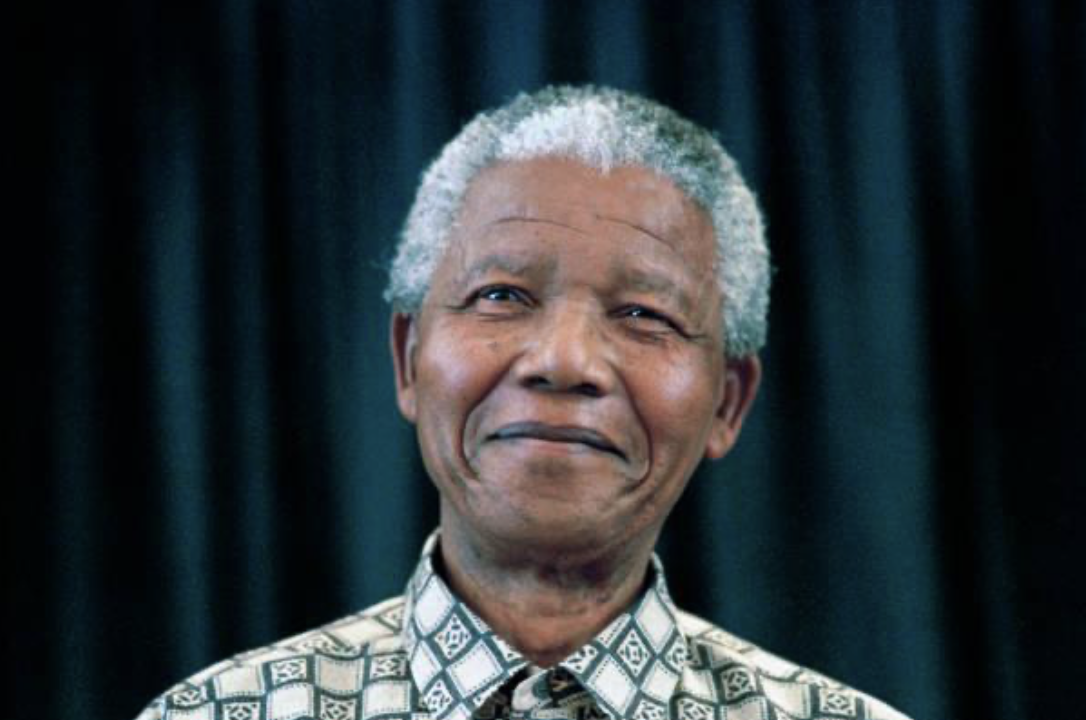
By Kevin Klaus / GICJ
A Legacy That Calls for Action
Nelson Mandela International Day is not simply a day of remembrance; it is a demand that memory be translated into action. Observed annually on 18 July, it honours Nelson Rolihlahla Mandela’s contribution to democracy, human rights, peace, reconciliation and social justice, while challenging the world to confront continuing injustice.
The United Nations General Assembly designated 18 July as Nelson Mandela International Day through Resolution A/RES/64/13, adopted on 10 November 2009, with the observance beginning in 2010. The date marks Mandela’s birthday and service to humanity. The resolution highlights his role in Africa’s liberation struggle, building a non-racial democratic South Africa.
The day does more than celebrate a leader. It connects Mandela’s struggle against apartheid with contemporary responsibilities to protect human dignity. His legacy reminds the world that freedom cannot be separated from equality, peace cannot be sustained without justice, and human rights require courageous leadership and public participation.
From Apartheid to Democracy
Nelson Mandela was born on 18 July 1918 in Mvezo, South Africa. Trained as a lawyer, he became a leading opponent of apartheid, the institutionalised system of racial segregation and domination imposed by South Africa’s white-minority government. Apartheid denied the country’s Black majority and other racialised communities political, social and economic rights. It controlled where people could live, work, and study, restricted movement and political participation, and maintained inequality through law and state violence.
Mandela’s resistance resulted in repeated arrests and, following the Rivonia Trial, a sentence of life imprisonment. He spent 27 years in prison, including 18 years on Robben Island. He became an international symbol of opposition to racial oppression, but his legacy also rests on building a peaceful, democratic future after his release in 1990.
Mandela helped negotiate the end of apartheid and establish a constitutional democracy based on equal citizenship. In 1993, he and F.W. de Klerk received the Nobel Peace Prize for efforts to end apartheid peacefully and lay the foundations for democratic government. In 1994, Mandela became South Africa’s first democratically elected president.
His commitment to reconciliation did not mean ignoring injustice or abandoning accountability. It reflected an understanding that democratic transition required inclusive institutions, political participation and recognition of everyone’s dignity. Lasting peace is not merely the absence of violence; it depends on dismantling exclusion and creating conditions in which rights are enjoyed equally.
Combating Poverty and Inequality
The theme “It is still in our hands to combat poverty and inequality” places social and economic justice at the centre of the observance. It reflects Mandela’s conviction that poverty is not inevitable and inequality is not natural. Both are shaped by political decisions, unequal access to resources and institutions that reproduce historical discrimination.
Poverty affects far more than income. It can prevent people from obtaining adequate food, housing, health care, education, clean water, employment and access to justice. It can restrict participation in public life. Inequality deepens these effects when opportunities and resources are distributed according to race, gender, disability, social origin, migration status or other grounds of discrimination.
Communities that experienced colonialism, racial segregation, displacement or systematic exclusion often continue to bear the consequences long after discriminatory laws are abolished. Legal equality is essential, but insufficient. States must address structural barriers that prevent people from enjoying their rights in practice.
A human rights-based response requires governments to treat people living in poverty as rights holders, not merely recipients of charity. Policies concerning social protection, taxation, employment, housing, health and education should be transparent, adequately funded and developed with affected communities. International cooperation is also necessary where debt, conflict, exploitation or unequal economic relationships undermine states’ ability to fulfil social and economic rights.
Community action can provide immediate support, strengthen solidarity and make neglected problems visible. However, volunteering cannot replace government obligations. Acts of service should complement sustained efforts to reform institutions, combat discrimination and ensure that public resources serve the common good.
Sixty-Seven Minutes of Service
A central tradition of Nelson Mandela International Day is the invitation to devote 67 minutes to helping others, representing Mandela’s 67 years of public service. The initiative rests on the principle that every person has the ability and responsibility to contribute to positive change.
People can use these minutes to support a food bank, assist older persons, mentor young people, donate books, clean a public space, help refugees or displaced families, visit isolated people, or offer professional skills to a community organisation. Schools, workplaces and civil society groups can organise activities responding to local needs.
The initiative offers a practical starting point when social change appears too large to influence. Small actions can strengthen communities and inspire continued involvement. Nevertheless, Mandela Day should not be reduced to one symbolic hour each year. Its deeper purpose is to encourage people to consider how their choices, institutions and communities can promote justice throughout the year.
Immediate assistance matters, but the causes of hunger, homelessness, discrimination, and exclusion must also be addressed. Service becomes most meaningful when compassion is connected to sustained civic action and demands for structural change.
The Nelson Mandela Rules
Mandela’s imprisonment gives the day particular relevance to the rights of people deprived of liberty. In 2015, the General Assembly adopted the revised United Nations Standard Minimum Rules for the Treatment of Prisoners through Resolution A/RES/70/175 and approved the name “the Nelson Mandela Rules” in recognition of his legacy.
The 122 Rules establish international minimum standards for prison management and the treatment of prisoners. Their fundamental principle is that all prisoners must be treated with respect for their inherent dignity and value as human beings. They prohibit torture and other cruel, inhuman or degrading treatment or punishment and require protection against discrimination.
The Rules address accommodation, sanitation, food, health care, discipline, contact with the outside world, investigation of deaths and injuries, staff training and independent inspection. They also restrict solitary confinement, understood as the imprisonment for more than 22 hours a day without meaningful human contact.
These standards matter because imprisonment creates a profound power imbalance. A person does not lose their humanity upon entering prison. Overcrowding, violence, denial of medical treatment, abusive discipline and degrading conditions can cause severe harm. States remain responsible for protecting the life, physical integrity and dignity of every person in their custody.
Implementing the Nelson Mandela Rules is part of respecting the rule of law and preventing human rights violations. Humane detention conditions also support rehabilitation and social reintegration, benefiting prisoners and the communities to which most will return.
United Nations Action
The United Nations preserves Mandela’s legacy through awareness-raising, institutional standards and recognition of service to humanity. The General Assembly marks the international day, while UN entities encourage volunteer activities and public engagement. The United Nations Office on Drugs and Crime supports states in implementing the Nelson Mandela Rules through guidance, training, and prison-reform initiatives.
The United Nations Nelson Rolihlahla Mandela Prize further honours individuals whose achievements reflect Mandela’s dedication to humanity and UN principles. Awarded every five years to one woman and one man, it recognises people who have devoted their lives to serving others.
These initiatives connect commemoration with practical action. Yet their effectiveness depends on implementation by States. International standards must be reflected in national laws, public budgets, independent institutions and daily practice. The clearest tribute to Mandela is measurable progress in reducing poverty, eliminating racial discrimination, protecting civic space and ensuring dignity for people deprived of liberty.
GICJ Position
Geneva International Centre for Justice (GICJ) honours Nelson Mandela’s enduring legacy of equality, justice, reconciliation and respect for human dignity. His life demonstrates both the necessity of resisting institutionalised oppression and the responsibility to build inclusive, rights-based institutions after injustice.
GICJ calls upon states to combat poverty and inequality through policies grounded in international human rights law. Governments must eliminate racial and other forms of discrimination, guarantee equal access to essential services and enable affected communities to participate meaningfully in decisions shaping their lives. Human rights defenders and civil society organisations must be able to work freely and safely.
GICJ further urges all states to implement the Nelson Mandela Rules fully. Every person deprived of liberty must be protected against torture, ill-treatment, discrimination and degrading conditions. Detention facilities should be subject to effective independent monitoring, and allegations of abuse must be investigated promptly, impartially and transparently.
Nelson Mandela International Day must remain more than a celebration of an exceptional historical figure. It should serve as an annual call to confront injustice wherever it persists and transform admiration into responsibility. Mandela showed that oppressive systems can be challenged, democratic societies can be built, and reconciliation can coexist with a firm commitment to equality. His unfinished work now belongs to everyone. The power to create more just, peaceful and humane societies is still in our hands.