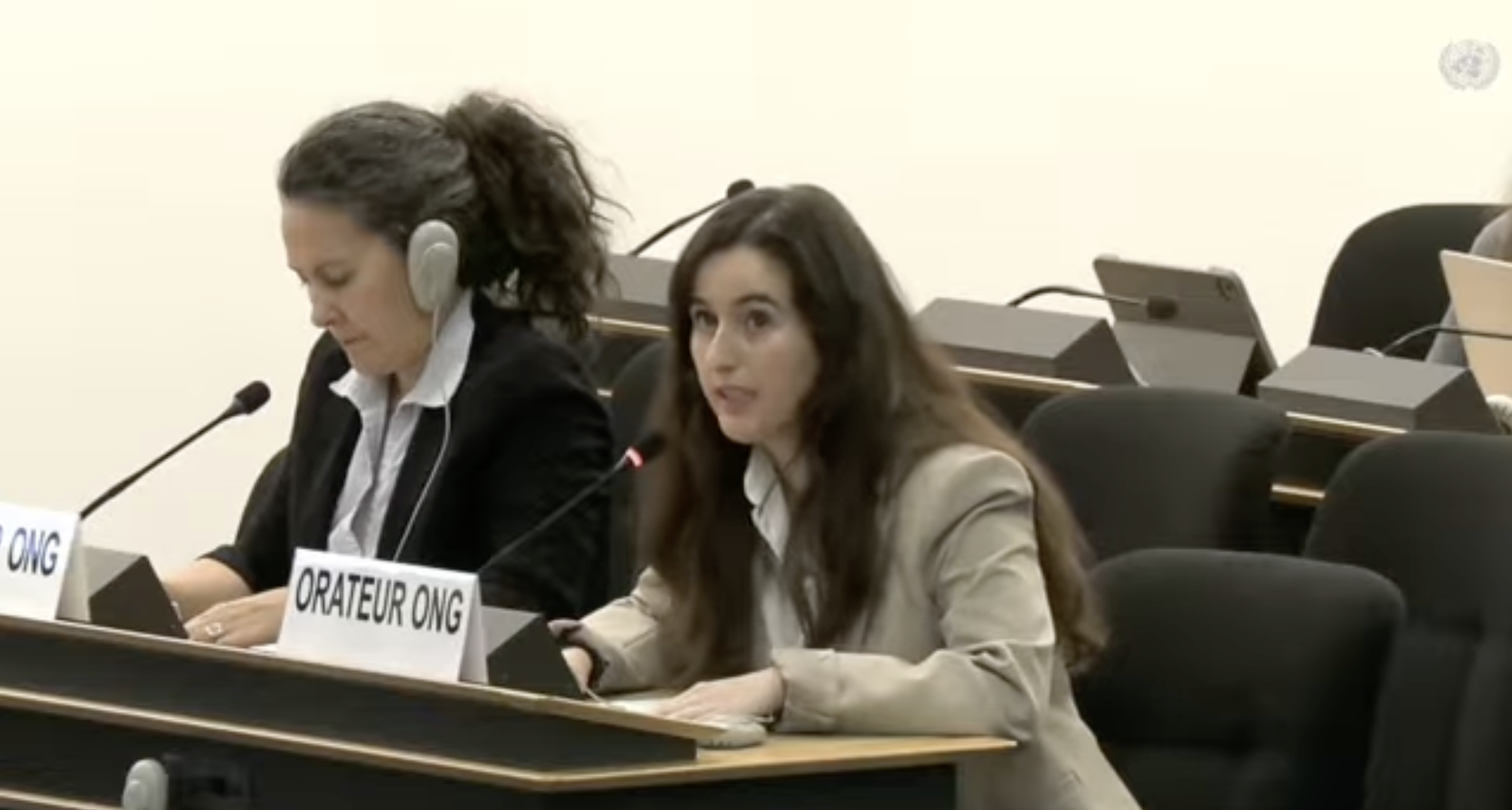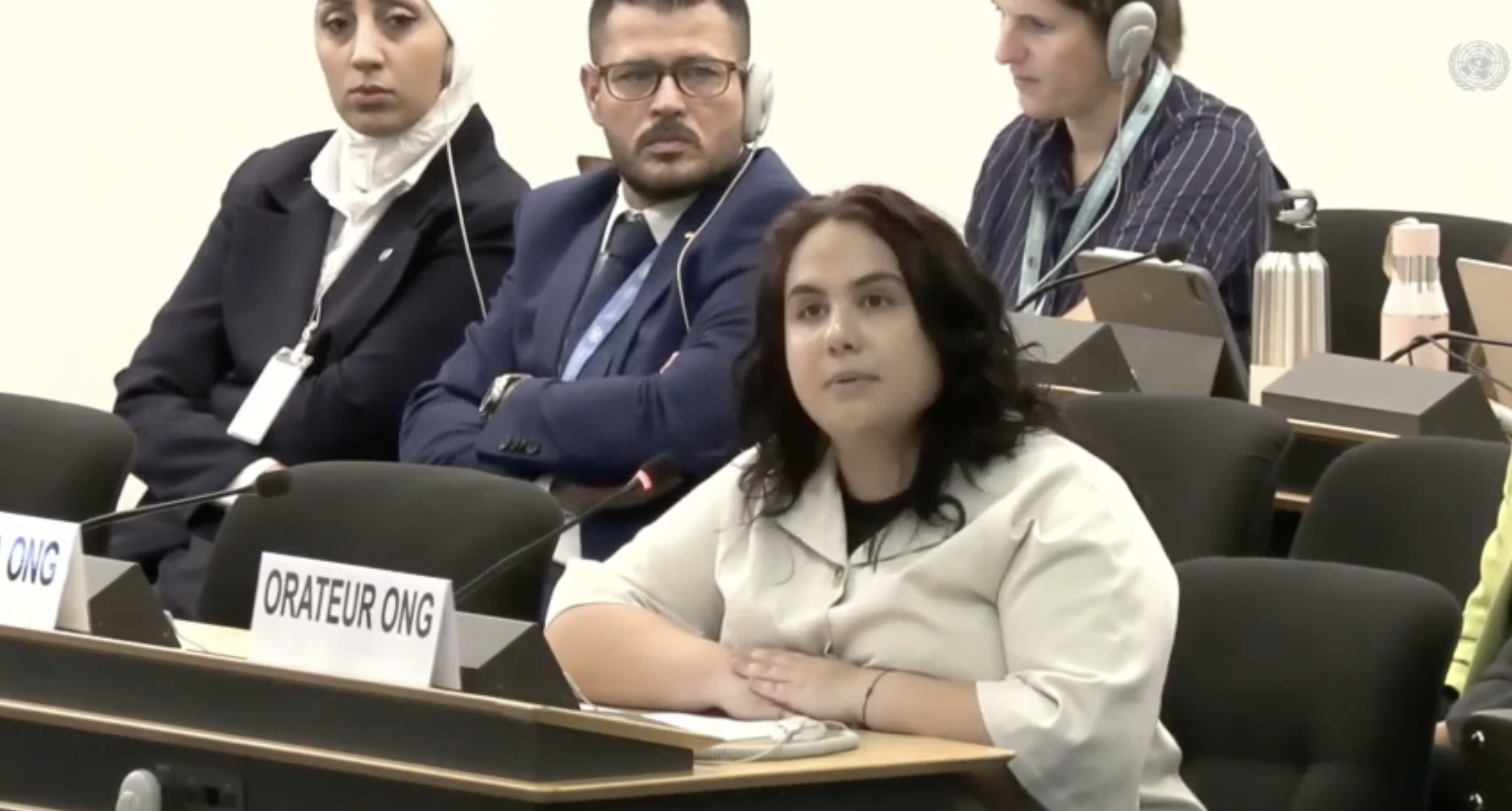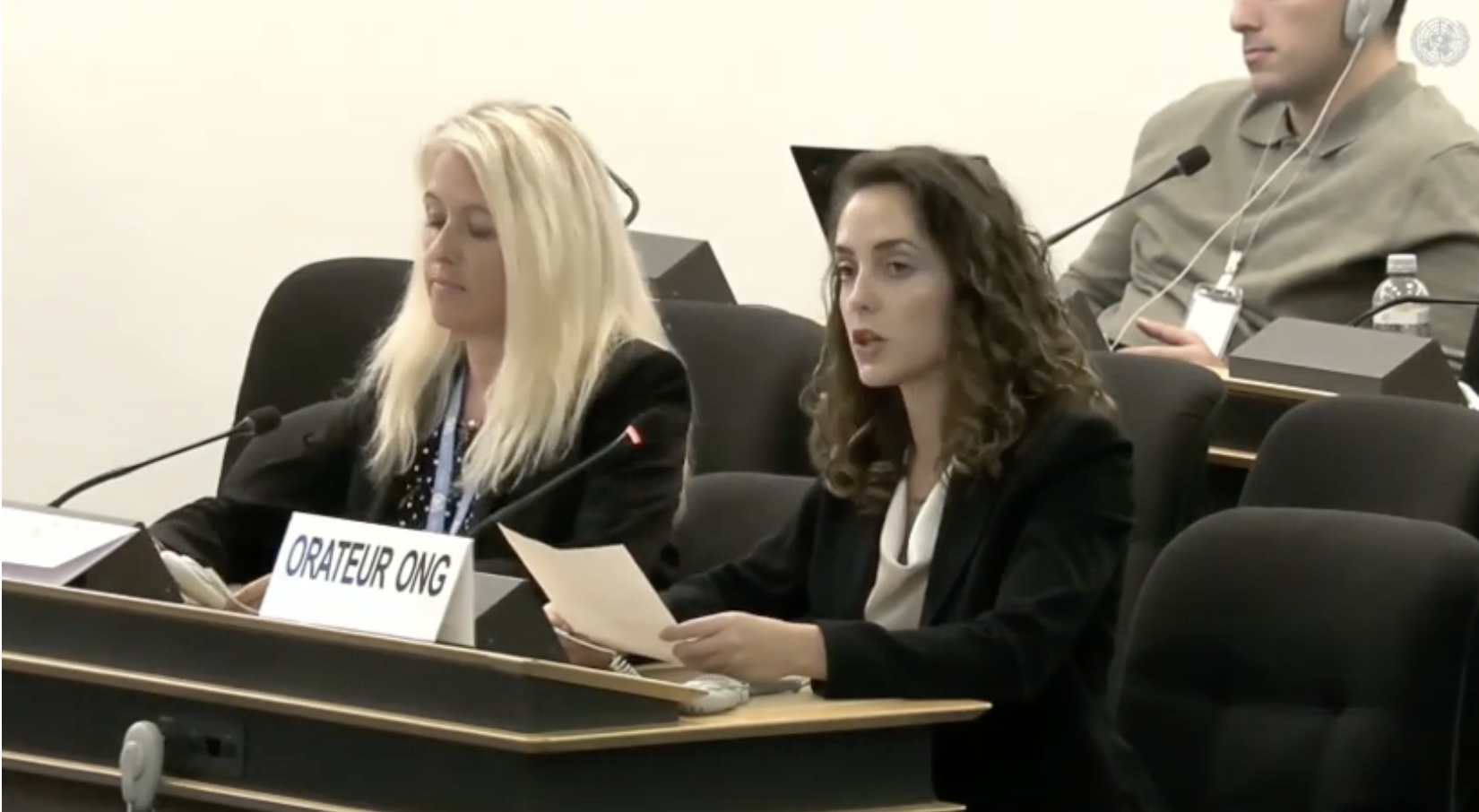




Image Source: https://www.flickr.com/photos/genevaconferences/54407418835/in/album-72177720324642124
International Day for the Elimination of Racial Discrimination - 21 March
By Cheri Hui / GICJ
“Racism continues to poison our world—hindering progress, undermining human dignity, and tearing at the fabric of our shared humanity.”— António Guterres, United Nations Secretary-General
Introduction
21 March marks the International Day for the Elimination of Racial Discrimination. This day is dedicated to reaffirming the international community’s commitment to combating racism, racial discrimination and xenophobia all around the world. Established by the United Nations General Assembly in 1966, the day honours the victims of racial violence. It serves as a call to action to address all forms of discrimination [1].
The observance of the International Day for the Elimination of Racial Discrimination commemorates the tragedy of 21 March 1960 in Sharpeville, South Africa, where peaceful demonstrators protesting apartheid-era laws were met with force. South African police opened fire on an unarmed crowd of protesters, killing 69 people, including women and children, and injuring many others. This massacre exposed the brutality of institutionalised racism and became a defining moment in the global struggle against apartheid and racial injustice [2]. The commemoration of this Day hence reminds the international community that combating racism is a key task that all individuals play a role in.
Under Article 1(1) of the International Convention on the Elimination of All Forms of Racial Discrimination (ICERD) (1965), racial discrimination is defined as:
“Any distinction, exclusion, restriction or preference based on race, colour, descent, or national or ethnic origin which has the purpose or effect of nullifying or impairing the recognition, enjoyment or exercise, on an equal footing, of human rights and fundamental freedoms in the political, economic, social, cultural or any other field of public life.” [3].
The apartheid system in South Africa has since been dismantled, and racist laws and practices have been abolished in many countries. The United Nations has helped to build an international framework for combatting racism. The ICERD is close to universal ratification, yet still, all around the world, many still suffer from racism and injustice.
Racial Discrimination Today
Despite the existence of international legal frameworks such as ICERD, racial discrimination continues to be a pervasive and persistent global issue. It continues to be seen in both everyday lives and structural policies, affecting individuals and communities across all regions. Groups such as immigrants, refugees, and Indigenous Peoples most frequently face discrimination.
Racism today is not confined to physical spaces; it is increasingly spread through digital platforms and social media. Hate speech, racial stereotyping, and micro-aggressions against minority communities remain widespread online, often going unchallenged and contributing to the normalisation of discriminatory attitudes. The widespread reach of social media contributes to the effects of racism, and its continued prevalence in society. It has become far too easy for racially motivated comments to be dismissed as “online hatred”. In some cases, political leaders and public officials continue to employ divisive rhetoric that fuels such discriminatory attitudes, and these messages are spread more quickly than ever through digital platforms [4].
Racial discrimination is further exacerbated in times of humanitarian crises. Armed conflicts, forced displacement, and economic instability disproportionately affect racial and ethnic minorities. The unequal treatment of refugees and migrants has exposed global double standards and been the subject of much international scrutiny, particularly with respect to unequal access to protection, asylum procedures, and humanitarian assistance. Such disparities highlight the selective application of human rights principles and the pressing need for a more equitable and non-discriminatory international response.
While progress has been made in raising awareness and strengthening legal protections, the gap between international commitments and everyday realities is quite significant. Racial discrimination continues to undermine social stability, deny individuals their dignity, and obstruct access to education, employment, healthcare, and justice. In extreme cases, it leads to racial violence, ethnic cleansing, and crimes against humanity.
The International Day for the Elimination of Racial Discrimination is a clear reminder that eliminating racism is not a symbolic battle that can be marked as “completed” with the implementation of international law, but a continuous obligation. It calls for action and commitment from states and international organisations, as well as individuals. Addressing racism requires not only legal reform but also education, and the dismantling of structural inequalities that perpetuate discrimination [5].
The United Nations Call to Action:
The United Nations has played a central role in addressing global racial discrimination through creating frameworks, monitoring bodies, and advocacy initiatives such as the International Day for the Elimination of Racial Discrimination. The ICERD is the cornerstone of international efforts, obligating party States to prohibit and eliminate racial discrimination in all its forms.
The Committee on the Elimination of Racial Discrimination (CERD) monitors State compliance with the ICERD and provides recommendations to address all forms of discrimination, whether they be systemic or otherwise. Additionally, the UN Special Rapporteur on contemporary forms of racism and related intolerance, an independent expert appointed by the Human Rights Council to investigate, report on, and recommend solutions for racism worldwide, investigates violations, engages with governments, and highlights global trends, including racism in law enforcement, migration policies, and digital environments [6].
The UN also promotes education and awareness through global campaigns, including the International Decade for People of African Descent, and supports initiatives aimed at fostering dialogue, inclusion, and equality. These efforts demonstrate the necessity of continuous international cooperation and political pressure in combating racial discrimination worldwide. In the Resolution adopted by the General Assembly on 18 December 2019 on the report of the Third Committee (A/RES/74/137), the UN emphasises that any doctrines of racial superiority are scientifically false and unjust, dangerous narratives which must be rejected. The UN further urges States to adhere to the principle of equality and adopt appropriate measures to eliminate situations that may cause or perpetuate racial discrimination [7].
GICJ Position:
At Geneva International Centre for Justice (GICJ), we honour the victims who lost their lives fighting against apartheid and racial oppression. Their sacrifice has empowered generations of individuals across the world and reinforced the fundamental principle that human equality lies at the heart of human rights. GICJ remains committed to exposing racial discrimination, advocating for accountability, and promoting education and dialogue as essential tools in confronting prejudice and injustice. The GICJ supports the objectives of the ICERD and urges all State Parties to fulfil their obligations under this key international instrument.
As the world observes this International Day, it must move beyond remembrance toward sustained action. Racism can, and must, be confronted wherever it exists if a just, inclusive, and peaceful global society is to be achieved.
References:
[1] https://www.un.org/en/observances/end-racism-day
[2] https://www.ebsco.com/research-starters/history/sharpeville-massacre-focuses-global-awareness-apartheid
[3] https://www.ohchr.org/en/instruments-mechanisms/instruments/international-convention-elimination-all-forms-racial
[4] https://humanrights.gov.au/resource-hub/by-resource-type/pages-missing-assets/information-concerning-australia-and-the-international-convention-on-the-elimination-of-all-forms-of-racial-discrimination-icerd-2010
[5] https://unis.unvienna.org/unis/pressrels/2025/unissgsm1480.html
[6]https://www.ohchr.org/en/special-procedures/sr-racism
[7] https://docs.un.org/en/a/res/74/137