



Zero Discrimination Day - 1 March
An Urgent Call for Equality, Dignity, and Health
Jamelia Nampijja Sztuchlik / GICJ
Background
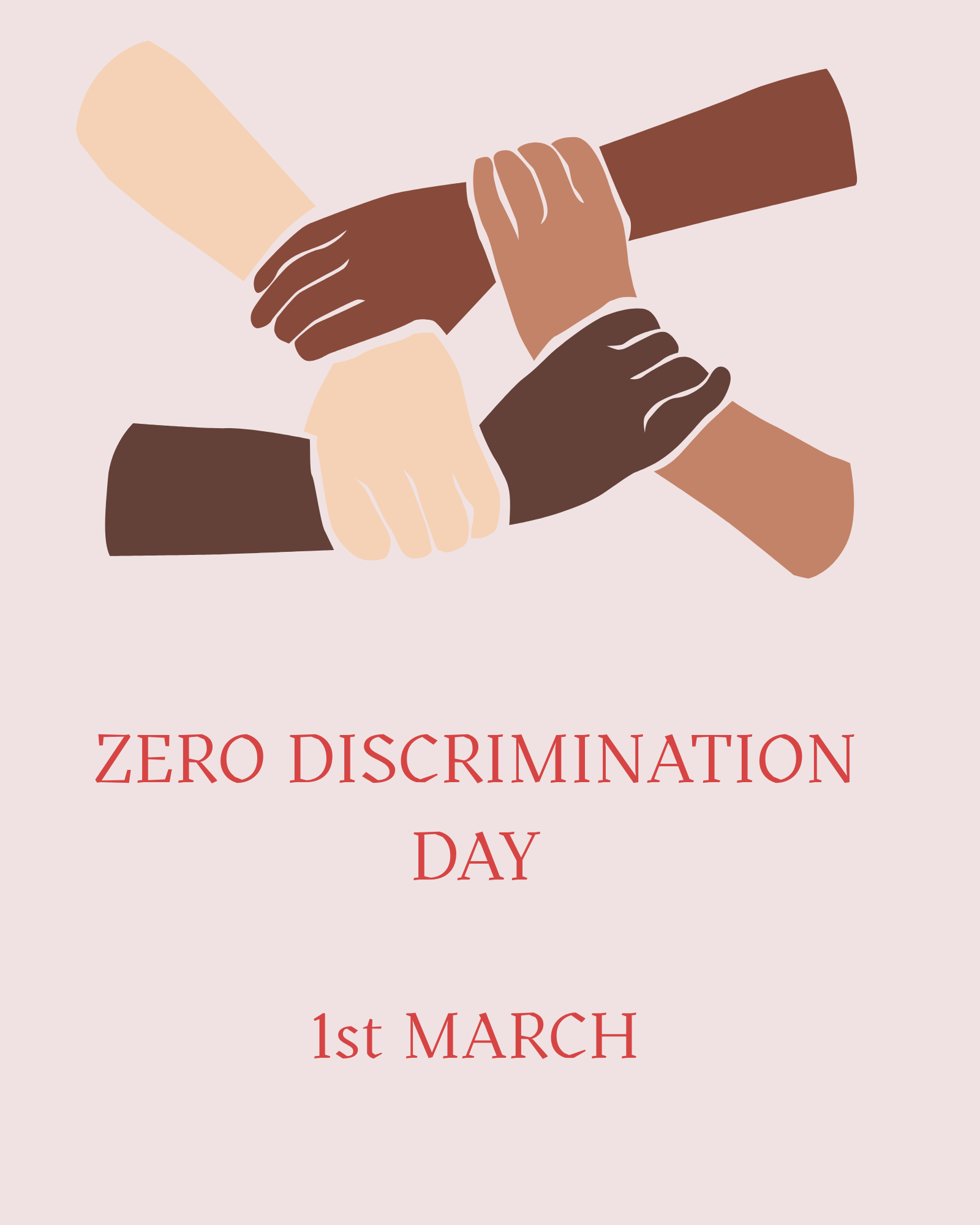
Zero Discrimination Day is observed annually on 1 March. This global event, promoted by the United Nations and the Joint United Nations Programme on HIV/AIDS (UNAIDS), celebrates diversity and advocates for promoting equality for all individuals, regardless of gender, age, ethnicity, disability, sexual orientation, religion, or any other ground of discrimination.
Launched by the Executive Director of UNAIDS Michel Sidibé in 2014, this day aims to promote equality and dignity for everyone, particularly those who face prejudice because of their HIV diagnosis. While the message has broadened overtime to encompass all forms of discrimination, HIV-related stigma remains a central theme. This day serves to raise awareness about the impact of discrimination on people's lives and to encourage individuals, communities, and governments to take action to eliminate all forms of discrimination.
Over the past decade, millions of people have engaged in campaigns, institutional reforms, and community initiatives to dismantle discriminatory norms and laws. Despite advancements in medical science and growing public understanding of these issues, discrimination remains a significant barrier in health systems, schools, workplaces, and homes, particularly for people living with HIV.
2026 Theme: “HIV-Related Stigma and Discrimination Put Lives at Risk”
The theme for 2026 emphasises that ending HIV/AIDS requires an end to discrimination. When individuals are treated with dignity and equality, they are more likely to seek care, adhere to treatment, and protect their own health and that of others.
For Zero Discrimination Day 2026, UNAIDS is focusing the campaign on the fact that HIV-related stigma and discrimination continue to limit access to healthcare and severely violate human rights. According to recent global data from the People Living with HIV Stigma Index 2.0, which surveyed more than 30,000 individuals living with HIV across 25 countries, stigma remains a significant barrier to health care and wellbeing:
- 1 in 4 people living with HIV report experiencing discrimination when seeking health care
- 24% have experienced community discrimination in the past year
- 38 % feel ashamed of their HIV diagnosis
- 85 % report some form of internalised stigma
These statistics illustrate how discrimination not only causes psychological harm but also has concrete health consequences. It discourages people from getting tested, interrupts treatment, and drives individuals away from life-saving services.
The Significance of This Year’s Theme
- Stigma Discourages Testing and Treatment
When individuals fear judgment, mistreatment, or exposure, they may avoid:
- Getting tested for HIV
- Starting or continuing treatment
- Disclosing their status to partners or healthcare providers
This delay can lead to preventable illness, ongoing transmission, and even death. With modern antiretroviral therapy (ART), people living with HIV can lead long, healthy lives, but only if they feel safe accessing the required medical care.
- Discrimination in Health Care Has Direct Consequences
In some settings, people living with HIV report:
- Breaches of confidentiality
- Refusal of care
- Judgmental or abusive treatment
When healthcare systems lack a stigma-free environment, trust erodes. People disengage from services As a result, viral suppression rates decline, and progress toward ending AIDS by 2030 slows.
- Punitive Laws and Social Exclusion Increase Vulnerability
The theme also highlights how criminalisation and discriminatory laws target:
- People living with HIV
- LGBTQ+ communities
- Sex workers
- People who use drugs
These conditions create fear and marginalisation and push people away from prevention and care services, which in turn increases health risks not only for individuals but for entire communities.
- Internalised Stigma Harms Mental and Physical Health
Beyond external discrimination, many people living with HIV struggle with internalised stigma, which can include feelings of shame, guilt, or worthlessness. Even in the absence of direct discrimination, these internal struggles can be profoundly damaging.
This internal struggle can lead to:
- Depression and anxiety
- Social isolation
- Reduced adherence to treatment
When these layers of stigma interact, they create a cycle of silence, fear, and vulnerability. The theme for 2026 emphasises that stigma is not just a social inconvenience; it poses a structural threat to both life and health.
Ending HIV-related stigma, therefore, requires interventions at every level, including mental health support, community education, inclusive healthcare systems, and rights-based legal reform. Because when stigma lives in the mind, the community, and the law, lives are placed at risk.
Why This Day and Theme Matters Now
The 2026 theme underscores that stigma operates on personal, community, institutional, and legal levels, with each level posing a danger to lives.
Medical advancements have made HIV a manageable chronic condition. This primary barrier is no longer biomedical; it is social and structural. If discrimination persists:
- People will avoid life-saving services
- Communities will remain misinformed
- Health inequalities will widen
In short, stigma fuels the epidemic.
UNAIDS’ Call to Action for Change
UNAIDS highlights four key areas for action in 2026:
- Eliminate discriminatory laws, such as those that criminalise sex work, drug use, same-sex relationships, or HIV status.
- Ensure access to health care with stigma-free providers who are properly trained and maintain confidentiality.
- Combat stigma within communities through education and empathy.
- Empower community-led initiatives by providing leadership and funding to networks of people living with HIV.
Case Studies: Real-World Reflections on Discrimination
Discrimination in Health and Society. Global Stigma Index Findings
The 2023 Global Report of People Living with HIV- Stigma Index 2.0 presented one of the most comprehensive efforts to document stigma and discrimination worldwide. It revealed that, across different regions and cultures, internalised stigma remains alarmingly high at 85%. Additionally, discriminatory treatment by health services affects 1 in 4 individuals living with HIV. According to UNAIDS, these patterns undermine individual dignity and reduce uptake of crucial HIV prevention and treatment services, obstructing global goals to end the AIDS epidemic by 2030.
National Policy and Rights Protection. Fiji’s Legal Framework
In Fiji, Zero Discrimination Day has been used as a platform to emphasise the importance of legal protections in public health. Thanks to Fiji’s 2011 HIV/AIDS Act, individuals living with HIV are legally protected against discrimination in health care and employment. Free antiretroviral therapy (ART) and comprehensive support services are widely available. However, Dirk Wagener, UN Resident Coordinator to Fiji, Solomon Islands, Tonga, Tuvalu and Vanuatu, stated in an article on 02 March 2024 that despite these legal and medical successes, new HIV infections in Fiji have increased by over 260 % over the past decade. This highlights the need for legal protections to be paired with ongoing stigma reduction and community engagement to safeguard public health and human rights.
Community Achievement. Uganda’s Court Victory Against Coercion
The International Community of Women in East Africa (ICWEA) reported significant progress in legal rights for women living with HIV in Uganda, particularly in relation to Zero Discrimination Day. In 2023, a landmark court ruling determined that performing tubal ligation (a form of sterilisation) on a woman living with HIV without her informed consent violated her constitutional rights to dignity, freedom from discrimination, health, and family life.
This ruling presented a major victory for reproductive justice and has become a symbol of broader efforts to challenge discriminatory health practices and uphold women's rights. Legal decisions that protect bodily autonomy are crucial in dismantling discrimination that is rooted in health systems and prejudiced gender norms.
While strong laws and legal protections can help safeguard rights and ensure access to services, they are not sufficient on their own. Social acceptance and ongoing anti-stigma efforts are crucial; without them, discrimination can persist and even contribute to the epidemic. Legal rulings that protect bodily autonomy, such as those safeguarding informed consent and reproductive rights, represent significant victories in dismantling entrenched discrimination within health systems. These rulings challenge harmful gender norms and create a more equitable environment where people can access care without fear or prejudice.
Zero Discrimination Day highlights the importance of promoting inclusion, compassion, and peace while advocating for a global movement to end all forms of discrimination.
Geneva International Centre for Justice (GICJ) commemorates the Zero Discrimination Day, a day dedicated to affirming and celebrating everyone’s right to live a fulfilling, productive life with dignity, equality, and freedom. This day is more than symbolic; it serves as a powerful reminder that discrimination in all its forms undermines human rights, deepens inequality, and jeopardises lives.
Zero Discrimination Day urges governments, institutions, and communities to address the structural barriers that exclude individuals based on their identity, background, beliefs, irrespective of health status. This day reminds us that dignity is unconditional and does not depend on factors such as gender, age, ethnicity, sexual orientation, religion, HIV status, socioeconomic status, or any other grounds of discrimination.
At GICJ, we recognise that discrimination is not only a social injustice but also a violation of internationally recognised rights, including the right to health, education, work, safety, and participation in public life. When individuals are denied services, silenced, criminalised, or stigmatised, their fundamental freedoms are compromised.
On this day, GICJ reaffirms our commitment to:
- Advancing laws and policies that protect equality and prohibit discrimination
- Amplifying the voices of marginalised and affected communities
- Promoting stigma-free access to healthcare, education, and justice
- Holding institutions accountable for upholding human rights standards
Zero Discrimination Day is both a celebration of diversity and a call to action. It challenges us to move beyond words toward meaningful change, ensuring that every person, everywhere, can live openly, safely, and with dignity.
GICJ Call to Action: Turning Awareness Into Action
Zero Discrimination Day is more than just a commemorative date; it serves as a catalyst for transformational change. Therefore, we call on:
- Governments to repeal discriminatory laws and invest in stigma-free health systems.
- Health professionals commit to training and compassionate care for all patients.
- Communities to elevate the voices of people living with HIV and other marginalised groups.
- Individuals to challenge prejudice, spread accurate information and support anti-discrimination initiatives in their networks.
Each one of us has a role to play in promoting inclusion, respect, and human dignity. Ending discrimination is not only a moral imperative but also a practical necessity for public health, social justice, and achieving global HIV targets by 2030.
References:
- Image: https://www.canva.com/M/MAHBmQ2CDao
- UNAIDS Zero Discrimination Day: https://www.unaids.org/en/2026-zero-discrimination-day
- People Living with HIV Stigma Index 2.0 GLOBAL REPORT 2023: https://www.stigmaindex.org/wp-content/uploads/2023/11/PLHIV-Stigma-Index-Global-Report-2023-3.pdf
- HIV Stigma Index global report: https://www.beintheknow.org/news-and-blogs/high-rates-hiv-stigma-revealed-first-ever-stigma-index-global-report
- 2024 Global AIDS Update: https://www.unaids.org/sites/default/files/media_asset/2024-unaids-global-aids-update_en.pdf
- Upholding Rights to Protect Health in Fiji: https://pacific.un.org/en/262178-zero-discrimination-day-upholding-rights-protect-health-fiji
- International Community of Women in East Africa Report: https://www.icwea.org/zero-discrimination-day-statement-2024