

GICJ submitted several joint written statements to the 48th Session of the Human Rights Council. These statements highlight human rights violations that need more attention by the UN, Member States, and the international community. We published five written statements, the summaries of which can be found below.
Migration and Asylum Policies in Germany, Austria and the Netherlands
Germany’s rise in rightwing tendencies (PEGIDA movement and the AfD party) are concerning for the welfare of migrants and refugees in the country. Despite generally open public opinion, growing political and social desire seem to tend towards the regulation of migration. A new immigration law (2019) facilitates the deportation process, and the EU Court of Justice has ruled a German detention law unlawful. However, Germany accepts more refugees than any other country in Europe.
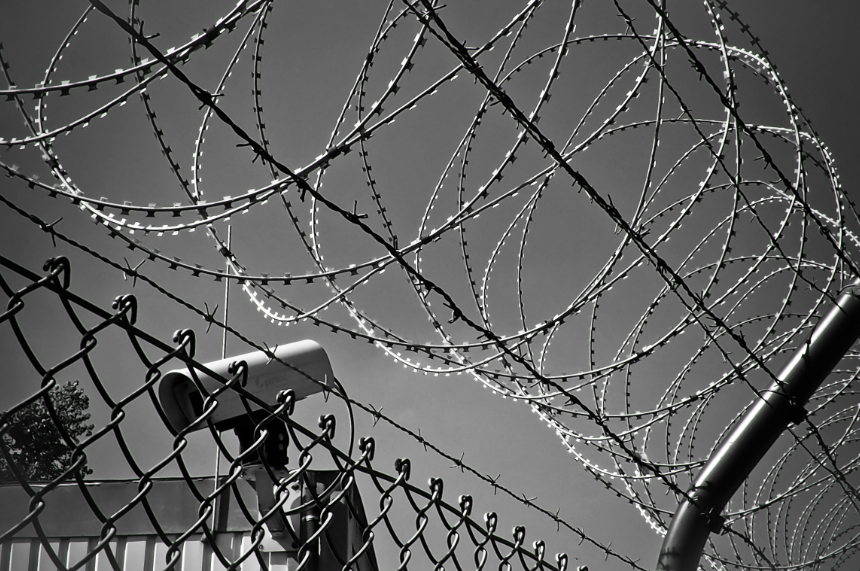
Austria is imposing strict regulation of migration routes along its borders, building fences and limiting refugee admissions. Effective suspension of asylum applications during the pandemic Covid-19 constitutes violations of refugee’s human rights. Further to this, Austria violates the non-refoulement principle by returning asylum-seekers collectively, and without proper individual risk assessment.
The Netherlands is unequipped t handle the amount of refugee applications it receives which has led to policies of discouragement. Authorities adopted strict deportation measures, slow procedures and limited basic services. The deportation of underage refugees has been ruled as a violation of European law by the ECJ. None of these countries have ratified the International Convention on the Protection of the Rights of all Migrant Workers and Members of Their Families (ICRMW).
Furthermore, allegations of illegal pushbacks conducted by the European Agency FRONTEX are worrisome, along with the collaboration with the so called Libyan “coast guard”. These amount to severe human right violations and breaches of international law.
Signatories recommend:
- All three countries comply with non-refoulement, halt deportation to unsafe locations, and take responsibility for the unlawful acts of FRONTEX.
- All three countries repeal their policies which plan on limited the availability of asylum applications.
- All three countries guarantee the satisfaction of the basic needs of asylum-seekers and the refugee population.
Click here to read the full statement.
Xenophobia, Islamophobia, Antisemitism and Racism in Germany, Austria and the Netherlands.
Germany is undergoing a wave of islamophobia in public discourse, charged with xenophobic narratives of the extreme right. Organizations such as Alternative for Germany (AfD) reveal racist opinions which contribute to the radicalization of individuals, and eventually, hate crimes. Hate murders have killed ten people in Germany in 2020. Xenophobia and racism target Germans because of their cultural heritage of ethnicity, resulting in discriminatory killings. Antisemitism is still very present in Germany, but the government has a strong commitment to fighting it through dedicated offices.

Austria has seen a rise in racist incidents, which amount to 3000 in 2020. Islamophobia and xenophobia have increased in public opinion, with narratives targeting Muslims, refugees. An anti-face disguise law is targeting Muslim women who wear face covers, discouraging the integration of all and violating their fundamental rights. Antisemitism is also present in Austria where an ISIS sympathizer killed four people in Vienna in November 2020. The government prioritized fighting antisemitism but targets the refugee population instead of the right wing organizations.
The Netherlands’ centrist parties are taking a harsher, more right-wing stance on several issues like Islam, immigration. In 2020, the benefits scandal however uncovered institutional racism: for 20 years, the tax authority wrongly accused 25 000 parents of fraudulently claiming childcare allowances. The authorities found that the methods used to accuse them were discriminatory, scrutinizing people’s ethnicity or dual nationality. Islamophobia is also on the rise, headed by politician Geert Wilders. The Netherlands also passed a law prohibiting face disguise in public.
We urge the German government to counter discriminatory voices before they lead public discourse. Authorities must promote their anti-discrimination agency and strengthen mechanisms to detect and prosecute hate crimes more effectively. This includes detecting tendencies to limit religious freedom early. The German government should pay more attention to ethnic racism against immigrant workers, who have been part of society for a long time, but still face deeply-rooted discrimination.
We are concerned by the rising hate crimes in Austria and find it unacceptable that xenophobic voices increasingly influence political discourse. The government must step up its measures to document hate crimes and improve its institutional systems to coordinate with police, prosecution, and victims. We find the anti-face disguise law discriminatory and violating human rights including religious freedom.
We encourage Austria to combat hate campaigns, mostly against Muslims, by right-wing forces.
We are concerned by the rising influence of racist voices in the political discourse in the Netherlands. Although extreme Islamophobic parties do not participate in government, they still gain a high percentage of votes and therefore pressure conservative governing parties to adopt xenophobic opinions. Further, we call on the Dutch government to take measures to combat institutional racism. Discrimination based on ethnicity by state authorities is unacceptable. The Dutch law prohibiting face disguises in public spaces may violate the rights of Muslim women. Governments have the obligation to protect these minorities.
A call to end impunity in Iraq
Iraq’s sectarian system of government and dysfunctional judicial system fosters widespread lack of accountability. Ending impunity is at the core of the Iraqi youth’s campaign, who took to the streets to protest against the non-accountability which follows killings and human rights abuses in the country.
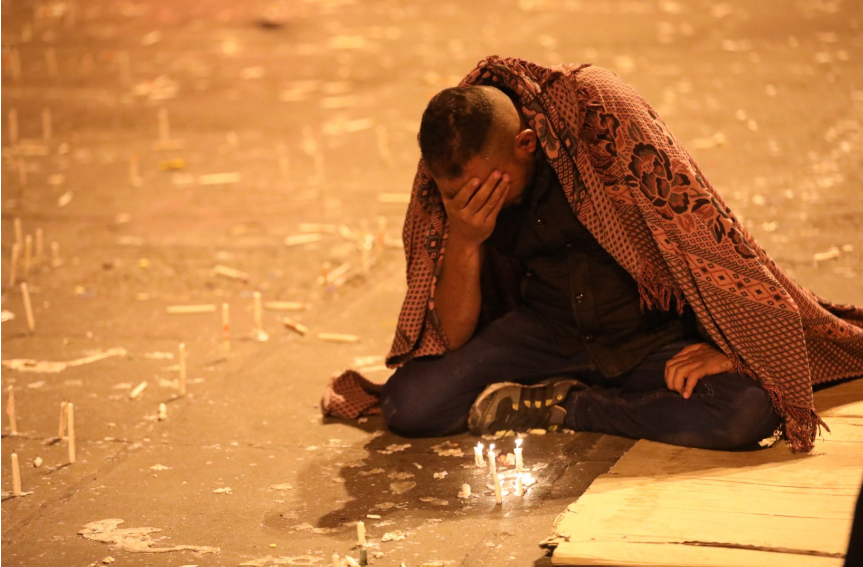
The root cause can be traced back to March 2003 when the US-led coalition invaded and occupied Iraq. The “war on terror” created extreme destruction in indiscriminate and brutal ways. The judiciary of Iraq was immensely affected. Judges were selected for their allegiance to the invasion and the provisional government dismantled state institutions. The result was a sectarian government which conducts to this day systematic human rights violations. Due process and fair trial was hindered, trials were expedited. The politicization and lack of independence make it difficult to investigate crimes and shelters perpetrators from accountability. Iraqi protesters demand a new non-sectarian system with sustainable, true democracy. The demonstrations since October 2019 have been met with violence and arrests. The government fails to take action to bring perpetrators of abuse to demonstrators to justice.
The activities conducted by the Iraqi government breaches its international obligations. In light of the persisting human rights abuses in Iraq, it is imperative that the international community and, in particular, the UN Human Rights Council, acknowledges and recognizes in its deliberations that the ongoing situation in Iraq is of increasing international concern. the crimes committed by various actors are in clear, absolute and undoubted breach of human rights laws. There is an imperative need for an intervention by the United Nations High Commissioner for Human Rights, the Special Representative of the Secretary-General for Iraq and all relevant UN human rights bodies in order to concert international action to dissolve Iraqi militias and hold all perpetrators accountable for their crimes. We, the NGO signatories to this statement, recommend that:
- The United Nations exerts pressure on Iraqi authorities to cease all attacks, threats and intimidation of peaceful demonstrators;
- The United Nations exerts pressure on Iraqi authorities to meet international obligations to investigate the killing, injury, abduction, disappearance and related ill-treatment and torture of demonstrators and ensure that perpetrators are prosecuted and punished.
- The United Nations exerts pressure on Iraqi authorities so that its government ensures that individuals investigated and prosecuted for alleged offences committed in the context of demonstrations enjoy all procedural safeguards and fair trial guarantees;
- Due to the failure of the Iraqi government to investigate and prosecute all alleged violations that have occurred in Iraq, the United Nations should establish an international, independent commission of inquiry, which shall be completely free from interference by the Iraqi government to investigate the above reported crimes and hold those responsible, as we believe would be the best approach;
- The Human Rights Council takes all the necessary steps to appoint a Special Rapporteur for the human rights situation in Iraq.
Click here to read the full statement.
Human Rights Situation in South Sudan
The 9th of July of this year 2021 marked ten years since the Republic gained its independence. Sadly, the people of South Sudan continue to suffer greatly from a civil war that broke out in 2013, which brought about serious human rights abuses. With a dysfunctional governmental structure, and a rise in opposition militias across the country to the detriment of civilian and all vulnerable groups in general. In a country with widespread famine, children are easily targeted to become child soldiers as they are in desperate need of food, support and security.
The use of child soldiers and minors in conflict is frequent among militias in armed conflict. Cases of
child soldiers used on the battlefield were even reported within the governmental forces. Ergo, more than 17,000 children have been recruited since the beginning of the war, while the practice continues to be exercised. The recruitment of child soldiers includes boys who are forced to hold weapons, but also girls, used as cooks, for sexual exploitation, and sometimes as fighters.
In April 2018, predatory tactics of abducting children and forcing them to bear arms were reported among the Sudan People’s Liberation Army-in-Opposition SPLA-IO(RM). By late 2018, around 18 children were abducted and forced to bear arms by National Salvation Front (NAS), a non-state actor in the conflict; a breach of the Convention on the Rights of the Child and Article 4 of the 2002 Optional Protocol on both sides of the war and the governmental peace agreement of September 2018. Despite the non-international status of the conflict, the state's duty under international law is still to "take all feasible measures to prevent such recruitment and use, including the adoption of legal measures necessary to prohibit and criminalize such practices.”
Lack of access to education and protection drives child recruitment. The lack of funding of rehabilitation programs also worsen the situation: given the financial situation in the country international actors need to play an economic role. Improvements owing to UNICEF and other international programs need to be reinforced. Recommendations to the Human Rights Council:
- Conduct thorough investigation during clashes to ensure that no children are unlawfully killed or mistreated
- Conduct thorough investigation among the state’s army and all governmental representative forces such as the police, for the use and general recruitment of child
soldiers.
- Create accountability mechanisms for all perpetrators responsible for the use of children in armed conflict.
- Raise awareness among communities regarding the social adaptation of ex-child
Humanitarian and aid workers are also under attack in South Sudan, with over 120 victims since the start of the civil war. Kidnappings, attacks and assaults are extremely worrying. These attacks are carried out intentionally by perpetrators of non state armed forces, and sometimes by the military itself. We urge the government of South Sudan to ensure that aid workers are protected. The Human Rights Council should mobilize the international community to enhance their security in South Sudan.
Click here to read the full statement.
Judicial System in South Sudan and relation Human Rights Issues
Failure of Justice and accountability in any society is a recipe for disorder and is a threat to peaceful coexistence. The Republic of South Sudan, a nation that hasn’t had the time to know peace - having been affected by deadly armed conflict just two years after its independence, it never got the opportunity to concentrate on building its institutions, especially those critical to the administration of justice for ensure lasting peace. The war has left the country’s justice system weak.
As a direct result of the prolonged armed conflict, justice administration in the country has been entangled with a lack of fair trial and due process rights issues, arbitrary arrests and detentions, and lack of access to legal counsel and legal aid, and deplorable detention conditions.
The judicial system lacks both adequate institutions and personnel, and its independence is also challenged. Abuse by security officers has shrunken the civil scape due to constant arbitrary arrests, detentions, torture, intimidations, and the clamp down on media and political opponents are the methods used to silence citizens and ensure a culture of impunity. Killings without due process and the use of the death penalty are on the rise in South Sudan.
Executives interference wit the judiciary and control over the prosecution hinders accountability for human rights violations. The delays of implementation of transitional justice programs is further entrenching impunity and undermines peacebuilding in the country. Impunity is flourishing due to this lack of political will.
The government continues to restrict opposition, suppress dissent, and limit participation in governance. Arbitrary arrests, detention, surveillance and media restriction are some of the many ways the government is silencing political dissent. The national security service (NSS) was reported to engage in torture of civilians, journalists and political leaders with great impunity.
The death penalty is still possible in South Sudan, and 140 people are still on death row. People are regularly executed with blatant disregard for the international human rights commitments made by the country. We recommend the Human rights Council to implement the following:
- Take measures to engage the AU to unilaterally establish the Hybrid Court to bring an end to the era of impunity in South Sudan.
- Assist the government of South Sudan in intensifying its efforts to ensure that Chapter V and VI of the Revitalized Agreement are implemented and the transitional justice institutions are established.
- Provide technical support and assistance including training, equipment support and capacity building to the South Sudan judiciary, lawyers, Ministry of Justice, prosecutors, and Legislative Assembly – and towards ensuring proper rule of law for arrests and detentions.
- Engage South Sudan in creating an accountability mechanism to control its armed forces for violations of human rights and arbitrary detentions.
- Assist the government in undertaking a comprehensive security sector and judicial reforms to end human rights violations by law enforcement officers.
- Assist South Sudanese security forces with tools to adequately investigate crimes and bring to account perpetrators in line with international standards.
- Provide the necessary support to place a moratorium on the execution of death penalty and ratify the Second Optional Protocol to the International Covenant on
Civil and Political Rights aiming at the abolition of the death penalty.
Click here to read the full statement.
