




HRC 61: The Sexual Trafficking and Abuse of Children :
An alarming human rights issue critically disregarded by the International Community
The 61st session of the Human Rights Council
23 February - 31 March 2026
Interactive Dialogue with the Special Rapporteur on the Sale, Sexual Exploitation
and Sexual Abuse of Children - 09 March 2026
Sarah Naneix / GICJ
Executive Summary
On March 9 and 10 2026, the 23rd and 24th meetings of the Human Rights Council took place at the Palais des Nations in Geneva for the week of the Promotion of Children’s Rights. Mrs Mama Fatima Singhateh held a six-year tenure as Special Rapporteur on the Sale, Sexual Exploitation and Sexual Abuse of Children, from 2020 to 2026. Her mandate started during the COVID-19 pandemic, which was a pivotal moment in the increase of the sexual exploitation and abuse of children worldwide. At the end of her mandate, she published a report which she introduced during the two panels spread over two days.
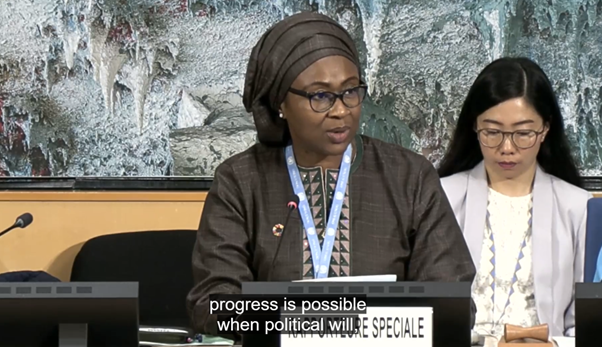
The first panel featured the introduction of the meetings as well as the presentation of the report by U.N. Special Rapporteur Mama Fatima Singhateh. It was followed by the States investigated by the Special Rapporteur presenting the efforts they made upon the Special Rapporteur’s investigation.
It was then followed by the groups representing States delivering their statements, then by individual States who presented the policies they have implemented to combat sexual trafficking of children. Besides the Member States, key stakeholders in the defense of children’s rights like UNICEF and multiple NGOs were also present and delivered statements.
Background of the report on the Sale, Sexual Exploitation and Sexual Abuse of Children
In 2020, Mrs Mama Fatima Singhateh, former Minister of Justice in the Gambia and former judge at the Appeal Court of the Gambia, was appointed U.N. Special Rapporteur on the Sale, Sexual Exploitation and Sexual Abuse of Children. She was tasked to investigate six countries : Germany, the United Arab Emirates, Uruguay, Montenegro, Australia and the Philippines.
Her mandate of six years gave her the time to properly analyze and understand the depth, complexity and scale of this multi-factorial issue, as well as the new and emerging risks it entails for children around the globe.
During this six-year tenure, U.N. Special Rapporteur Mama Fatima Singhateh held meetings across the six investigated countries with national human rights institutions (NHRI), civil society organizations, United Nations entities, and international and regional organizations.
Summary of the U.N. Special Rapporteur’s Report
The report drafted by the Special Rapporteur on the Sale, Sexual Abuse and Sexual Exploitation of Children raised many concerns about the safety of children and the diversity of situations in which children are sexually exploited and abused. More than that, the report highlights the complexity and massification of the phenomenon, which makes it incredibly difficult for States to control it.
Mrs Mama Fatima Singhateh emphasized at the start of her report that sexual exploitation particularly affects children because they are one of the most vulnerable groups. Children who come from adverse environments (military conflicts, refugee camps, street-related situations, poor families, marginalized communities) are all the more vulnerable to human trafficking.
The Special Rapporteur reported a striking increase in the trafficking of children and observed multiple factors that could explain such phenomenon.
Among the many factors, new technologies like generative AI, deepfakes and encrypted messages were used as tools by predators to get into contact with children, to groom them and then to perform direct or indirect sexual crimes. Furthermore, predictive artificial intelligence is used as a new tactic to identify and disseminate child sexual abuse materials. The predators use custom AI models trained on real abuse material to generate synthetic content or to test grooming strategies on child-like chatbots.
Another tactic used is known as “off-platforming” : it consists in connecting with children on mainstream games or social applications and then moving the conversation into encrypted messages apps or platforms where contact continues as private and unmonitored.
However, the issue is not only the misuse of technologies, it is the fact that these technologies are advancing way faster than the safeguards and policies meant to prevent it. So as soon as the policies are executed, they are already obsolete.
All in all, it is essential for States to implement very strict regulation of social media platforms, video games and about all technologies commonly used for the sexual abuse and exploitation of children as those technologies undeniably exacerbate and amplify the risks of children being sexually exploited and abused.
Military Conflicts as one of the main factor in the surge of sexual slavery and sexual abuse of children
The presence of military conflicts is one of the main factor in the increase of the sale, sexual abuse and sexual exploitation of children worldwide. Indeed, in 2025, the Special Representative of the Secretary-General for Children and Armed Conflict observed that rape and other forms of sexual violence had increased by 35% compared to 2023, with “cases of gang rape increasing dramatically”.
Not only do military conflicts heighten the risk of children being exposed to the cruelty of soldiers, they also expose children to the gravest sexual crimes done in a systematic and sometimes planned way. This was seen especially in the case of genocides in Africa like in South Sudan and the Democratic Republic of Congo.
Not only are children exposed to a higher risk of grave sexual violence in times of military conflict, they are also exposed to being sold as soldiers. For example, in the case of Prosecutor v. Thomas Lubanga Dyilo in 2009 at the International Criminal Court, Mr Lubanga was sentenced to 14 years of prison for the war crimes he committed in the Ituri Region in the Democratic Republic of Congo for conscripting and enlisting children under the age of 15 in his militia, the Forces Patriotiques de la Libération du Congo, from early September 2002 to August 2003.
Also, it is important to remember that as military conflicts are becoming more violent, more destructive and more cruel, so are the crimes committed by soldiers against children. And children are not just a vulnerable group lacking protection, they are a group specifically targeted by soldiers to be destroyed or used in any way possible and through the cruelest means.
Furthermore, the Special Rapporteur observed that even in post-conflict contexts, children remain highly vulnerable to sexual trafficking because of the critical poverty created by the conflict. Critical poverty is indeed one of the leading factors to families sexually trafficking their children. Finally, the Special Rapporteur highlighted that the displacement of families due to military conflicts is a significant factor to children undergoing sexual assault, especially in overcrowded emergency shelters and refugee camps as they are major hotspots for sexual trafficking and exploitation.
On the heightened vulnerability of children in street-connected situations
The sexual exploitation of children in street situations represents one of the most acute and underaddressed manifestations of children’s rights violations, especially in countries like India. Street-connected children face exclusion from essential public services such as healthcare, education and access to their rights, as a lot of them are not even administratively registered. Also, they are often excluded from national data collection exercises, rendering them invisible in public planning.
Defaults in reporting and data collection :
A major issue for policy making in the combat against child sexual abuse
The Special Rapporteur highlighted that underreporting due to stigma, lack of trust, fear of reprisals and cultural taboos poses a major obstacle in analyzing the severity and the scale of the phenomenon. The data collected by police services on such offenses in many countries of the world tend to be unreliable because of many factors (corruption, incompetence, stigma, lack of information), which makes it especially hard for policy makers to understand the phenomenon and to draw upon adequate responses to the phenomenon.
The other important factors responsible of enabling child sexual traffickers and prevent their punishment
Other factors also have to be taken into account when analyzing the growing phenomenon of the sexual trafficking of children. First of all, the exponential growth of the tourism industry and of volunteerism is partly responsible for the rising cases of sexual exploitation of children in developing countries. Indeed, volunteerism tends to be unregulated and unmonitored. And the power dynamic between the people responsible for the children in the developing country in need of help (teacher, parent, community leaders, orphanages) and the privileged wealthy volunteers makes it all the more easy for those volunteers to use their authority to sexually abuse children.
Moreover, the children needing help from volunteers are almost always in particularly vulnerable positions (poor families, under-developed school system, poor country, orphanage etc.), so it is even easier for the volunteers to use their unmonitored position of authority to sexual abuse children.
Moving on to other important factors, the early exposure to pornography of children has an extremely negative impact on the mental health and of the social and emotional development of children. Indeed, a phenomenon that has finally been acknowledged recently and starts to be taken into consideration in public policies is the sexual abuse of children committed by other children. Of course, this phenomenon is not new, but the rise in early exposure to pornography by children worsens it to an unimaginable scale. In her report, the Special Rapporteur observed that : “A high percentage of child sexual abuse cases reported globally are perpetrated by children against other children. Data and research on that issue remain scarce, resulting in the lack of specialized prevention, intervention and response strategies to effectively address those dynamics”.
On the topic of the lack of efficient prevention and intervention, the Special Rapporteur added that current response strategies mainly prioritize responses after the harm has occurred instead of investing in prevention strategies. So, for the Special Rapporteur, professionals who work with children should be trained to detect abuse early on without putting the child in a dangerous situation (retaliation) or without shaming or stigmatizing the child.
Finally, the lack of compliance with international standards in regards to the obligation of States to protect children against sexual abuse is definitely to be considered as one of the main issues fueling the phenomenon. Coupled with the lack of cross-border cooperation, slow mutual legal assistance procedures, rigorless victim identification and ineffective investigation and prosecution support the impunity of the sexual offenders.
The Recommendations of the U.N. Special Rapporteur on the Sale, Sexual Exploitation and Sexual Abuse of Children
The Special rapporteur listed in her report such as the regulation of AI generative intelligence tools, the regulation of crypto-currency platforms, banking institutions, payment processors, social media platforms, specifically because they financially benefit from the human trafficking network. She rightfully spoke up on how “financial institutions played a pivotal role in enabling or disrupting child sexual exploitation networks”.
The Special Rapporteur also recommended that reparation for victims should go beyond monetary compensation and should include rehabilitation, psychosocial and medical support, as well as public acknowledgment and apologies and guarantees of non-repetition. The Special Rapporteur underscored that effective reparation must be survivor-centred, age-appropriate, and gender- and culturally sensitive, addressing both immediate harm and the underlying structural inequalities.
Summary of the Interactive Dialogue
Opening Statement of the U.N. Special Rapporteur
The Special Rapporteur, in her opening remarks, raised concerns over the current rise in the sexual trafficking of children worldwide. She first thanked all the stakeholders that participated in informing her of this grave situation and for the 120 submissions she had received over the course of her mandate. She also noted that there had been a conscious effort among child protection advocates and law enforcement bodies to move away from terminologies such as “child prostitution” and “child pornography”, to replace them with terms like “exploitation of children in/for prostitution” and “child sexual abuse material”.
More than that, she expressed her satisfaction for her creation of the position of Youth Advisor to the Special Rapporteur as she believes the participation and inclusion of youth in the project was not only symbolic but instrumental to the process.
Then, the Special Rapporteur said she had noticed the many advances done by States to strengthen their legal frameworks in line with international standards in regards to the protection of children against sexual crimes. But she argued that despite these legal advances worldwide, the sexual abuse of children remained largely “invisible, normalized and unaddressed”. Indeed, she identified the inefficiency of prevention and early detection, the fragmented and disorganized implementations of criminal laws as well as the lack of financial investment by States in solving the issue as prominent factors in the increase of child sexual trafficking. Another challenge faced by States despite their legal advances is the very rapid evolution of the landscape of child sexual abuse and sexual exploitation, that prevents public authorities to properly and efficiently enforce strategies. The Special Rapporteur reminded the delegates that all these gaps leave “children unprotected, perpetrators unpunished and cycles of harm lasting for generations.”
Furthermore, she shared her analysis of the situation from a broader point of view : for her, it is undeniable that the current intersector global crisis creates “conditions conducive to the sale and abuse of children”, like military conflicts, humanitarian crises, socioeconomic crises etc. So it is all the more urgent for States to invest in the protection of children now.
Finally, the Special Rapporteur considered that not only is there a necessity for actually efficient measures but for these measures to be child-informed, child-centered and child-sensitive in order to make a long-lasting impact.
Statements by Member States
1. States that were investigated
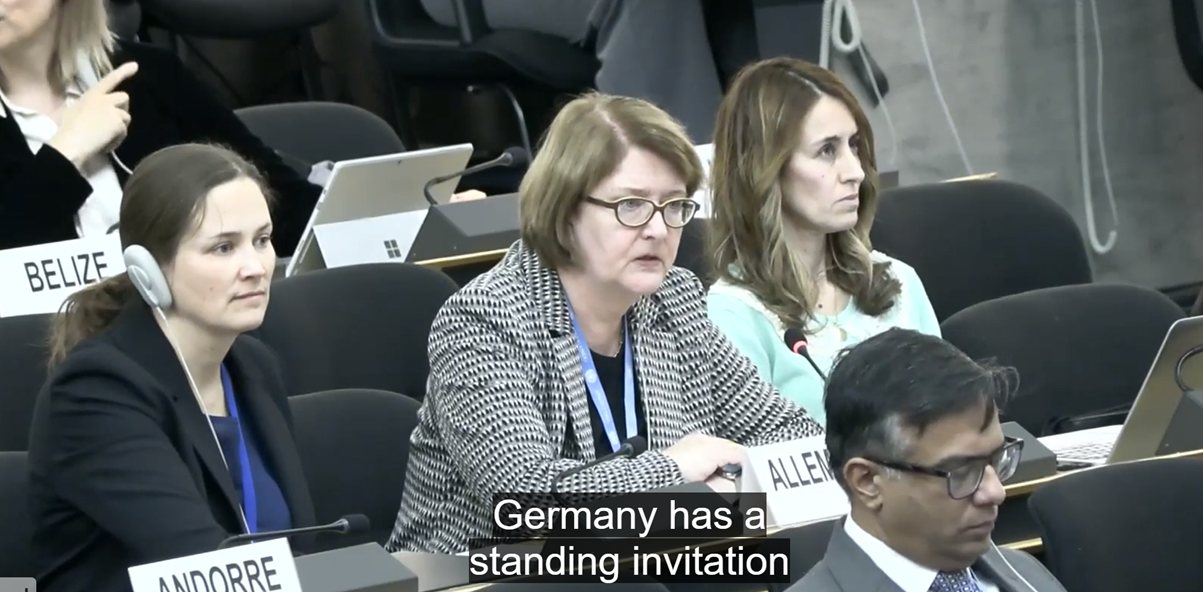
The representative of Germany thanked U.N Special Rapporteur Mama Fatima Singhateh for her constructive visits in Germany in October 2024 and for her recommendations. She presented the newly implemented Act to Strengthen Structures against the Sexual Exploitation of Children and Young People (passed by the Bundestag on January 31 2025 and formally adopted in July 2025). This Act reinforces already existing structures which consist of the Independent Federal Commissioner, a Survivors Board and an Independent Federal Inquiry. The delegate of Germany also mentioned that Germany’s Independent National Rapporteur Mechanism on trafficking of human beings at the German Institute for Human Rights will be publishing a periodic report in fall 2026.
Furthermore, the representative of Germany explained Germany’s National Action Plan on the Trafficking in Human Beings to strengthen the prevention, the protection of victims and the prosecution of perpetrators. Finally, she presented the creation of a Specialist Advisory and Coordination Center for Trafficking in and Exploitation of Minors that opened in Berlin in 2024.
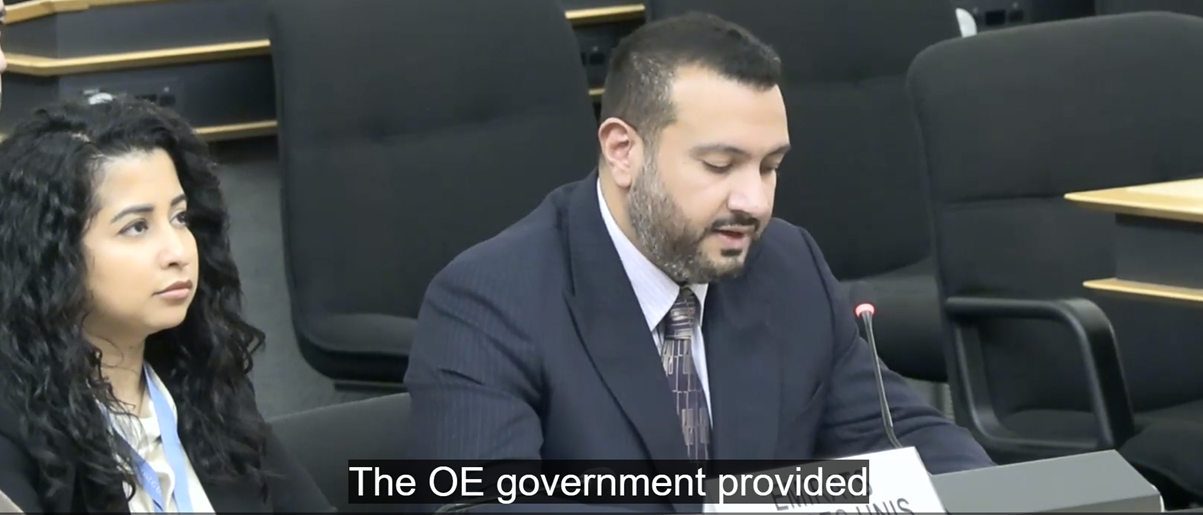
The representative of the United Arab Emirates first thanked the Special Rapporteur and her team for their report and remarked that the UAE, since 2009, had taken extensive legislative and institutional reforms to “combat all forms of child abuse and sexual exploitation”. The delegate of the UAE went on to describe the different Federal Laws and Decrees that were implemented from 2016 to 2025 to further advance children’s rights, combat human trafficking, and protect immigrants’ children (Federal Decree Law 10 of 2022). Finally, the delegate of the UAE explained how child protection mechanisms had been established across multiple ministries in recent years and the recent establishment of the Ministry of Family.
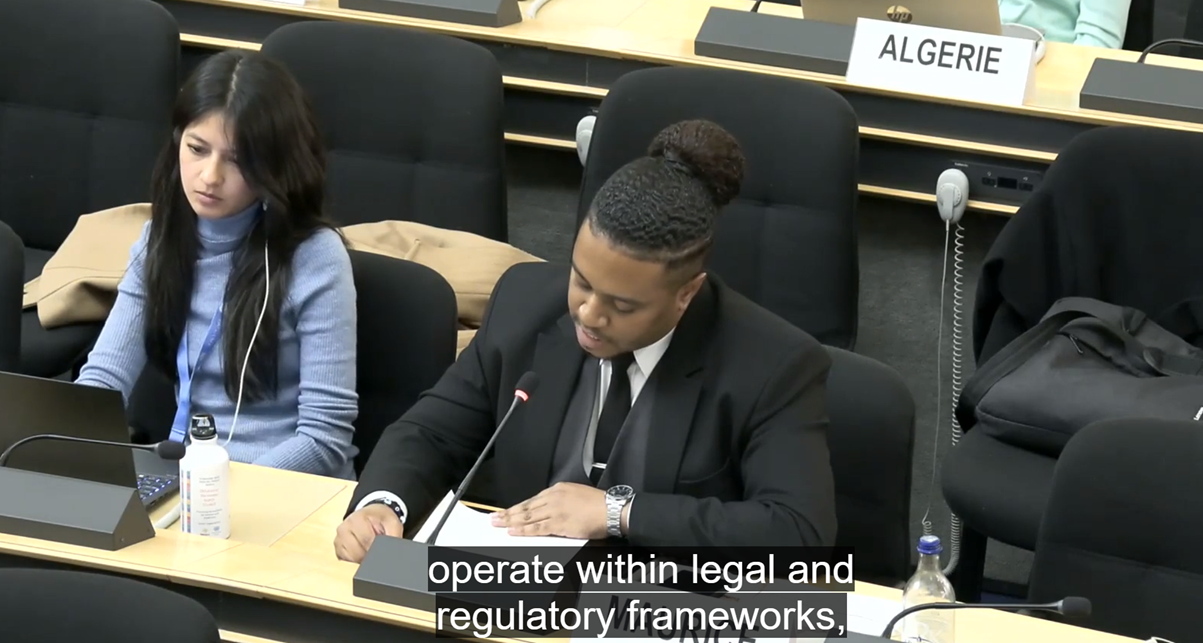
The representative of Mauritius first thanked the Special Rapporteur for her work. He said to have observed new technologies and the overall digital environment to be an important factor in the sexual abuse and sexual exploitation of children. This is why Mauritius has created a SIM card with age-appropriate content filters, real time monitoring alerts, restricted access to harmful websites and a parental dashboard control. The representative of Mauritius argued that these features aim to “prevent exposure to cyber bullying, online predators, gambling platforms and inappropriate media”. He then called for “media, digital platforms and social networks to operate within regulatory frameworks”. Finally, he presented the recently passed Data Protection Act and Information and Communication Technologies Act that should contribute to a more active responsibility of digital platforms and to the security of users.
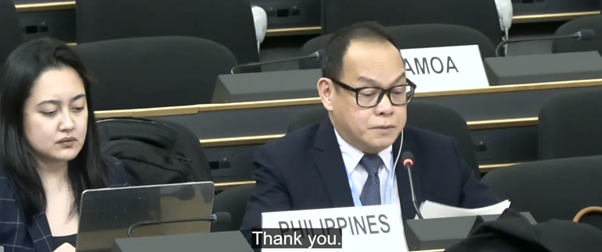
The representative of the Philippines first congratulated the Special Rapporteur for her commendable work, including her visit to the Philippines in 2022. He then explained that combating sexual trafficking of children continues to be a “priority” for the Philippines. He advised other States to also implement a comprehensive strategy that is rights-based and that promotes child participation. He analyzed the phenomenon as a two-sided problem : the side of the “demand” (the criminals) and the side of the “offer” that is not based on the consent of victims but actually on “enabling factors” (poverty, unstable homes, specific contexts etc.).
He recommended that evidence collection and sharing be improved by real-time data sharing and cross-border investigations so as to better identify perpetrators, hotspots and trafficking routes. He also recommended the establishment of a global OSAEC (Online Sexual Abuse and Exploitation of Children) and CSAEM (Child Sexual Abuse and Exploitation Material) data platform accessible to International Institutions, Law Enforcement, Child Protection Service, CSOs and Internet providers.
Furthermore, he emphasized the need for States to enforce the adoption of mandatory safety features by tech companies and platforms. Indeed, he asked for an increased legal accountability of social media platforms because they “allow their services to be used for child exploitation”. Overall, the delegate of the Philippines believes that “we must make it very costly and difficult for everyone to prey on children” to tackle this phenomenon efficiently.
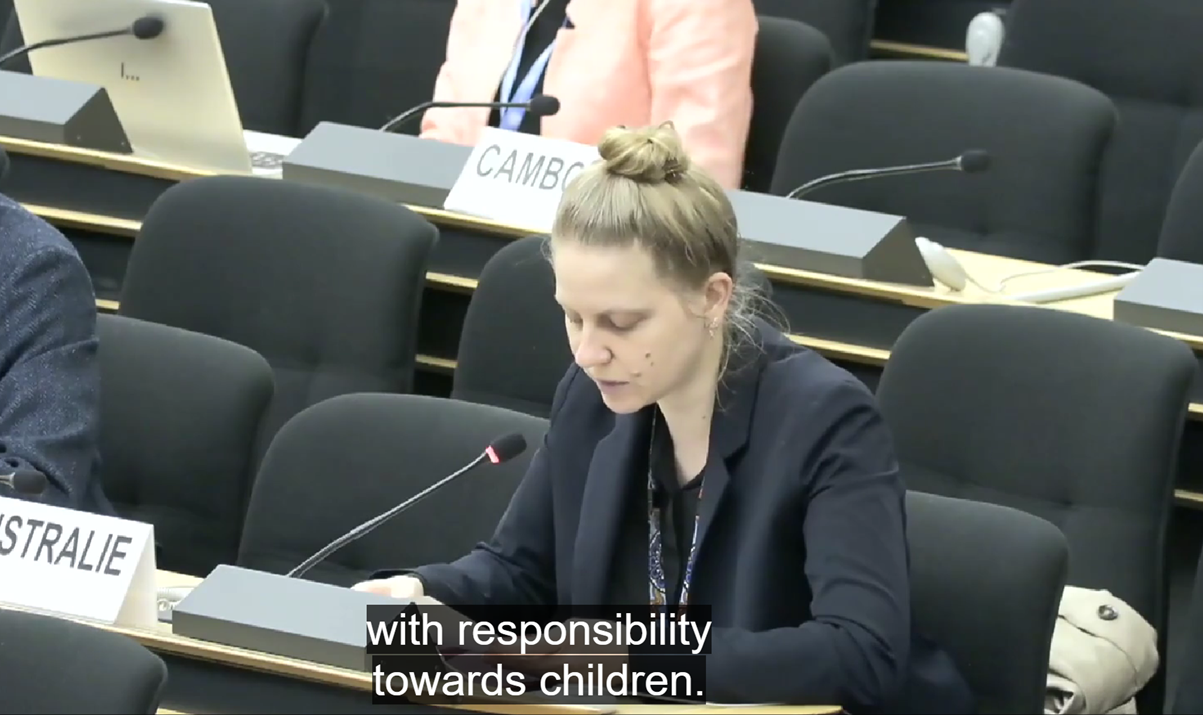
The representative of Australia thanked the Special Rapporteur for her report. She emphasized that “children’s rights must be upheld so that they are safe, supported and protected”, whether online or offline. She then described recent measures by the State of Australia like the creation of the Australian Center to Counter Child Exploitation and the recently passed (2025) bill for a minimum age for usage of social media to participate in the digital safety of minors. Finally, she showed her support for the Special Rapporteur’s proposal of a necessary cohesive approach from federal to state level for the effectiveness of laws criminalizing sexual offenses against children.
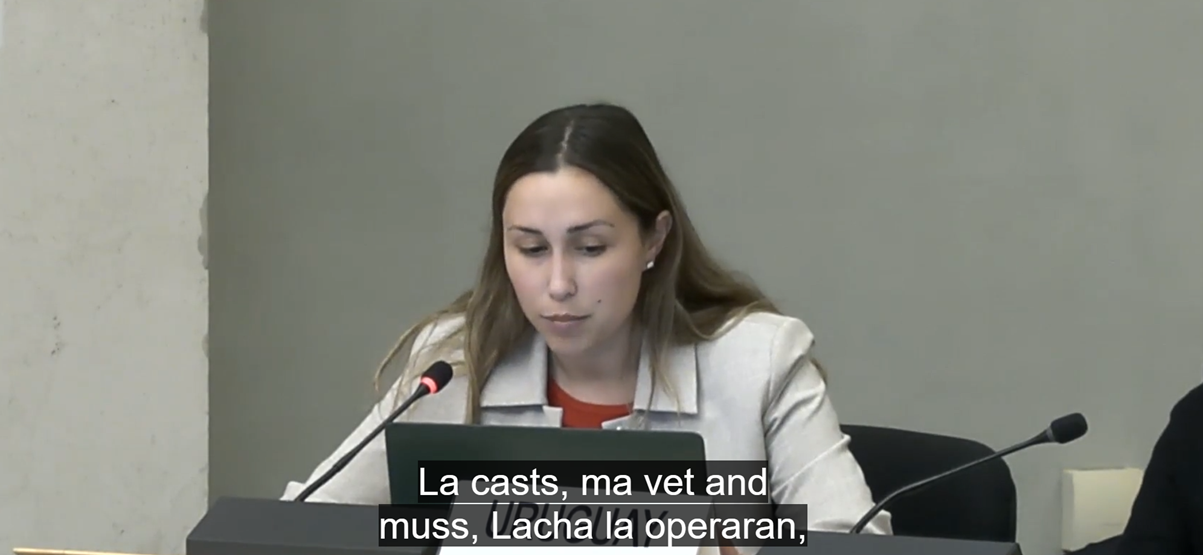
The representative of Uruguay first thanked the Special Rapporteur for her long and reliable work. She then joined the call of the international community to overcome current shortcomings when it comes to the protection of children from sexual abuse and sexual exploitation. Indeed, she found the lack of harmonization of legal definitions of criminal offenses against children, the fragility in the mutual legal assistance between States and the incoherence in the prevention and support of victims to be particularly problematic. Finally, she congratulated the Special Rapporteur for the presentation of the resolution for a renewal of her mandate by the European Union.
2. States representing a group of States
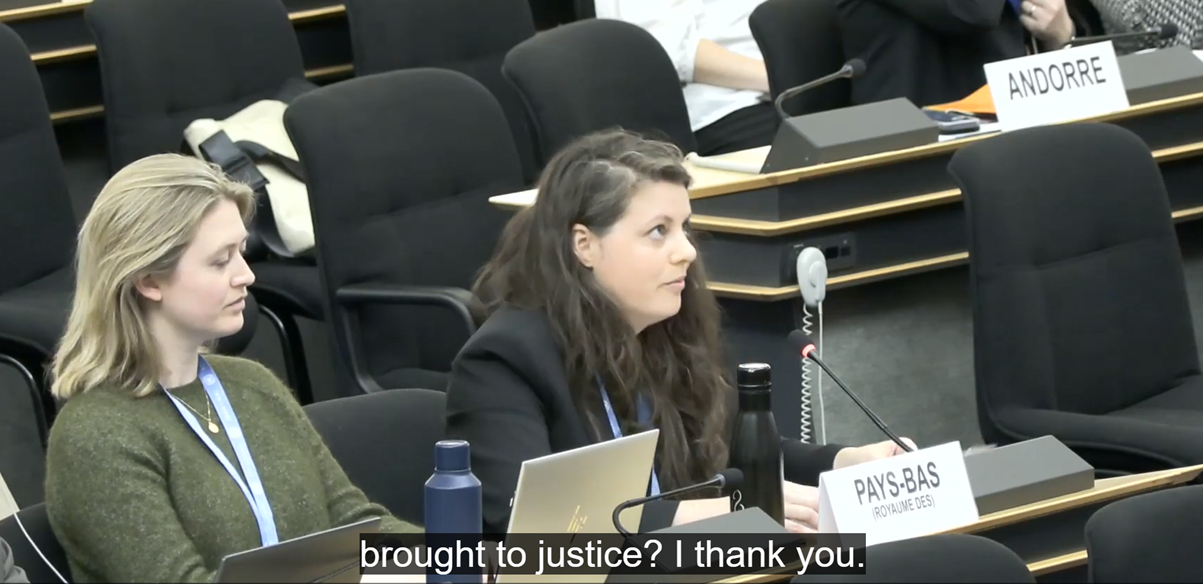
The delegates of the Kingdom of the Netherlands, representing itself as well as Belgium and Luxembourg, first thanked the Special Rapporteur for her report. She noted how the report highlights the progress made over the last few years and that it drew urgent attention on the issue of child sexual trafficking. She confirmed the concern of the Special Rapporteur on the “rapidly evolving digital technologies and transnational exploitation networks”. Then, she emphasized the need for “sustained political will” in order to efficiently combat the sexual abuse and sexual exploitation of children. The delegate of the Kingdom of the Netherlands asked for States to combat child sexual trafficking with a child-centered, gender-transformative and trauma-informed approach.
Finally, she expressed her deep appreciation for the Special Rapporteur’s dedication throughout her six-year mandate during which she persistently emphasized the need for better prevention and accountability. The delegate of the Kingdom of the Netherlands ended her statement by asking the Special Rapporteur which concrete steps she would urge States to prioritize in order to strengthen accountability both at national and international levels. She also asked the Special Rapporteur how States could ensure child sexual exploitation is prevented and perpetrators effectively investigated and prosecuted.
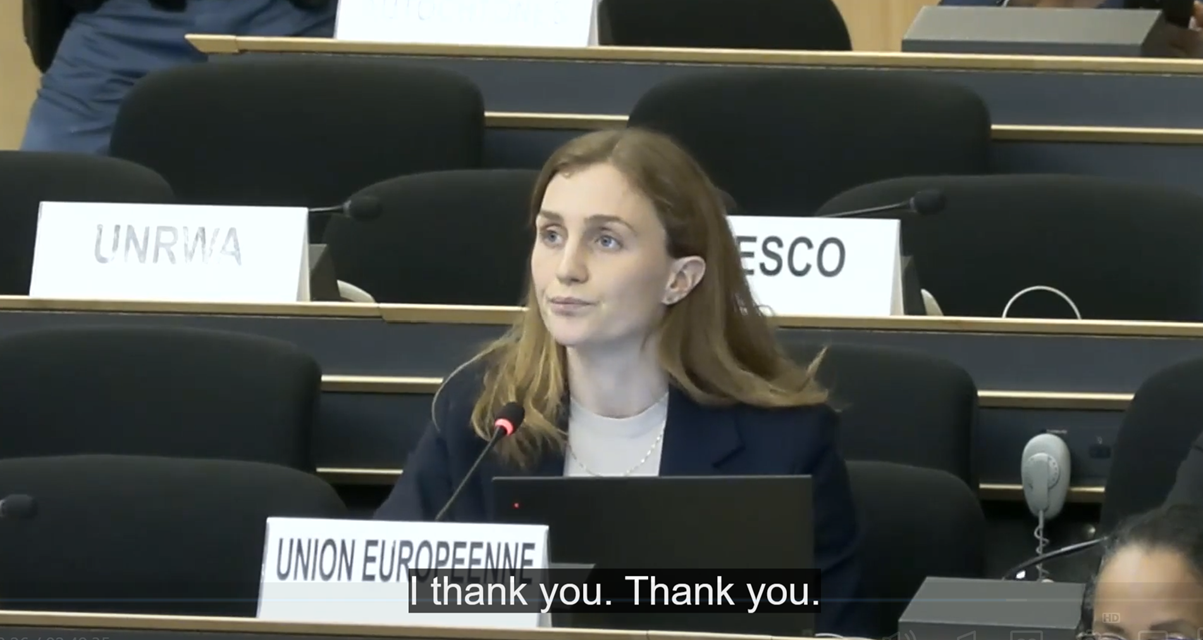
The delegate of the European Union thanked the Special Rapporteur for her update and congratulated her on the important work accomplished during her mandate. She affirmed that the EU remains committed to combatting the child sexual abuse and exploitation and is working on strengthening legislation, online regulation and the protection and support of victims, by updating criminal law definitions, keeping up with technological advances and improving victims’ rights.
She expressed the concern of the European Union for the Special Rapporteur’s report’s findings, especially the intensification of technology-facilitated sexual exploitation and abuse of children. Moreover, the delegate of the European Union argued that global emerging crises are creating new risks for children.
In 2025, the Council of the European Union voted positively for new regulations to prevent and combat child sexual abuse. According to the delegate, once adopted, these new measures will require digital companies to prevent the dissemination of abuse material and online grooming and will give national authorities the power to remove or block illegal content. These new measures also consist in the creation of a new EU Centre on Child Sexual Abuse to support the effective implementation of these measures. The delegate of the European Union ended her statement by asking the Special Rapporteur which recurrent effective measures to combat sexual exploitation and abuse of children she would most like to highlight.
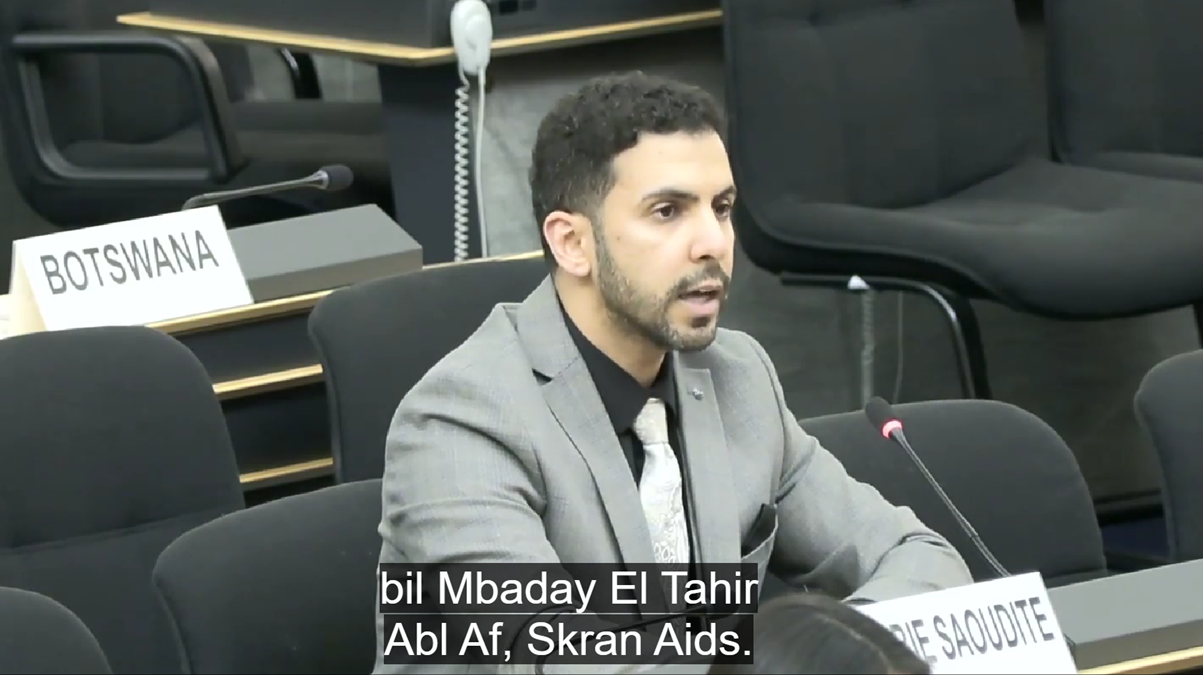
The delegate of Saudi Arabia, on behalf of the Arab League, thanked the Special Rapporteur for sharing her perspective of the issue. He emphasized the gravity of the phenomenon and the threats and emerging risks children were facing all around the globe. He then called for the intensification of efforts by the international community in order to eradicate every single form of child exploitation. He also shared the view of the Special Rapporteur on the necessity of data sharing, increasing capacity building, improving State prevention and support systems for victims so children can fully enjoy their right to live with dignity. He also welcomed any initiative which could help this cause.
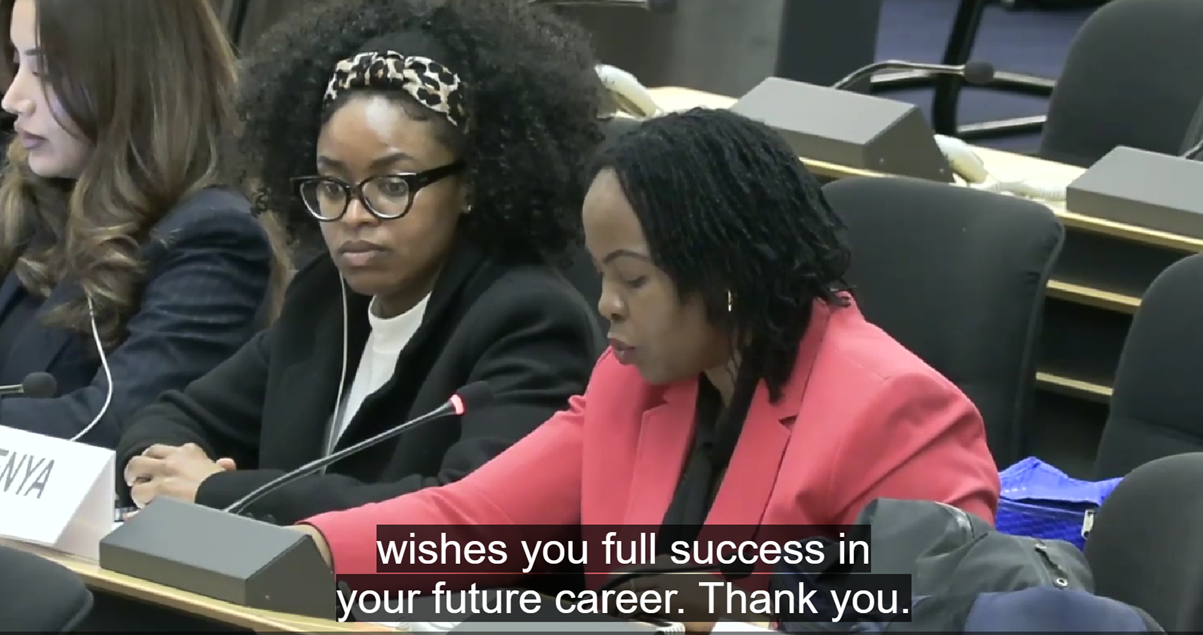
Kenya, on the behalf of the group of African States, acknowledged the shortcomings of many legislations worldwide and how it prevents States from efficiently combating the exploitation of children. For her, insufficient data collection and analysis and insufficient prevention are key factors when it comes to the phenomenon. The severity of this situation pushed the African Union to adopt, in 2016, the 2040 agenda for the African Child. And in 2024, to adopt a policy on the Online Safety of Children and guidelines on the elimination of violence against children in Africa.
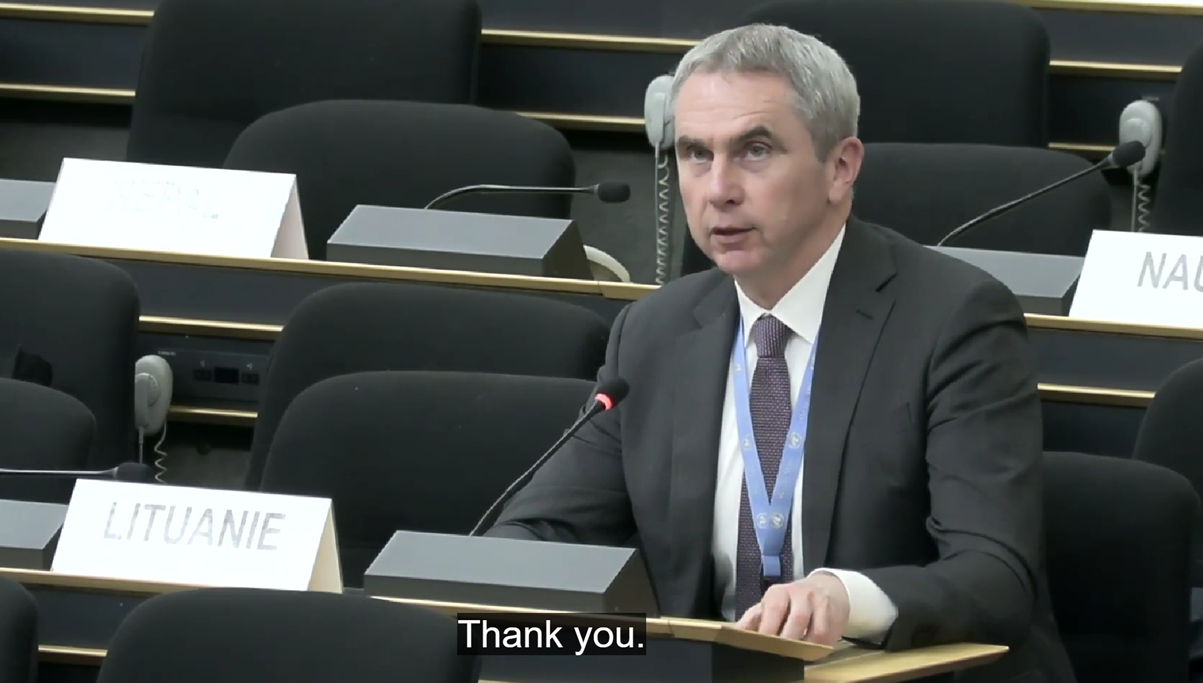
The delegate of Lithuania, on behalf of the Nordic Baltic States, thanked the Special Rapporteur for her instrumental work and efforts during her six-year tenure. He echoed the Special Rapporteur’s call for the need of a comprehensive legislation and for a coordinated global response, including the ratification and full implementation of international instruments on children’s rights and cyber crimes to efficiently prevent the sexual abuse and exploitation of children online. He stated that the emphasis should be placed on digital literacy, enhancing child safeguarding and empowering children through education for them to become critical and resilient Internet users. He added that the education and involvement of parents was just as essential.
In addition, the delegate of Lithuania emphasized that, though new technologies create risks for children, they also provide new instruments for detection and prevention of technology-facilitated sexual crimes against children.
Finally, he affirmed the commitment of the Nordic Baltic States to addressing the risks that new technologies represent and to enhancing the protection of children from online sexual abuse and exploitation. He ended his statement by asking the Special Rapporteur what guidance would she offer on how companies can strengthen efforts to prevent and detect online sexual abuse and exploitation of children while ensuring respect for children’s rights.
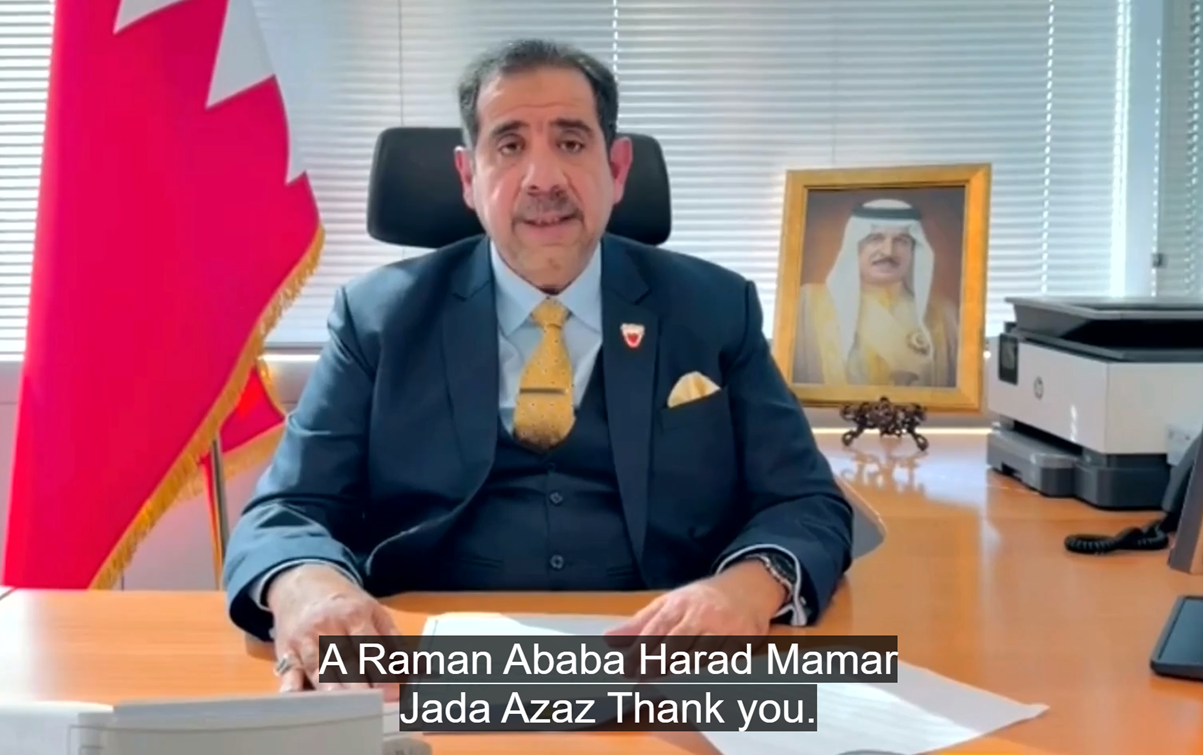
The representative of Bahrain, on behalf of the Arab States of the Gulf, declared to have taken note of the Special Rapporteur’s report and highlighted the efforts made by States to implement her recommendations. He argued that early detection, improved prevention and capacity building and stronger cooperation and data sharing between States are key to effectively combat the sexual abuse and sexual exploitation of children. Finally, he applauded the constructive cooperation between the United Arab Emirates and the Special Rapporteur.
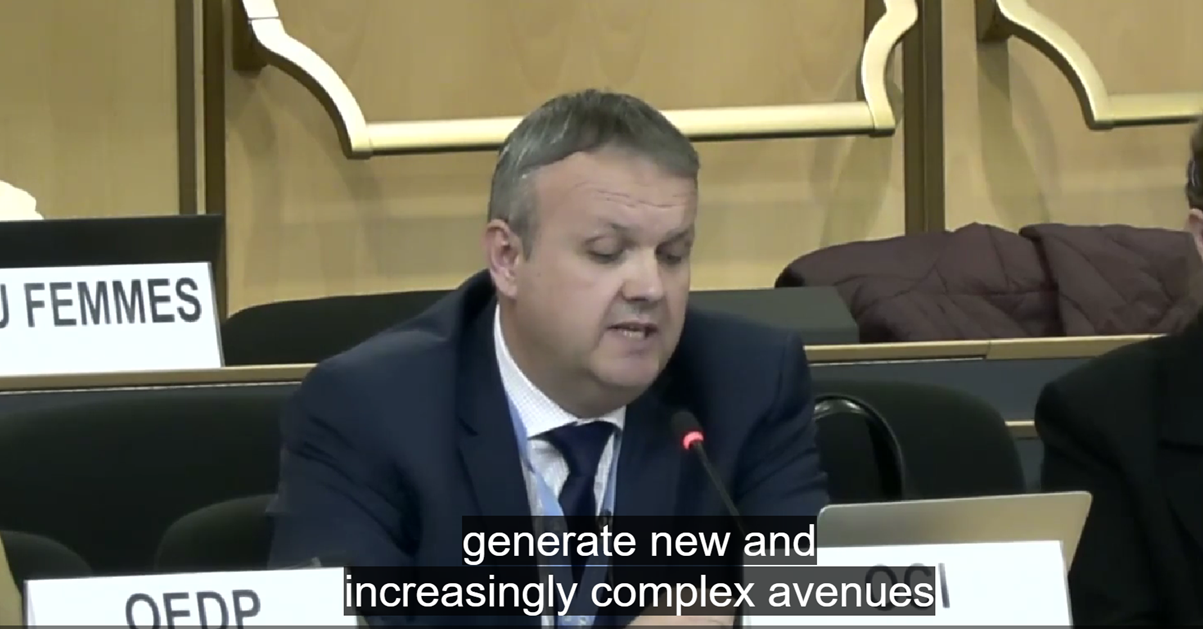
The delegate of the Organization of Islamic Cooperation thanked the Special Rapporteur for her valuable contributions during her six-year tenure, particularly for addressing the widespread impunity of perpetrators of sexual crimes against children by promoting and advancing access to justice, reparation and rehabilitation for survivors. He affirmed that all forms of abuse against children should be prevented, prohibited and completely eradicated. This is why he asked for a zero tolerance policy by the international community and called on relevant stakeholders to take decisive actions in ensuring that perpetrators of these “abhorrent and destructive scourge” are held accountable.
The delegate of the Organization of Islamic Cooperation ended his statement by asking the Special Rapporteur how the international community could best galvanize political resolve at the global and regional levels to more effectively combat new forms of sexual abuse and exploitation of children.
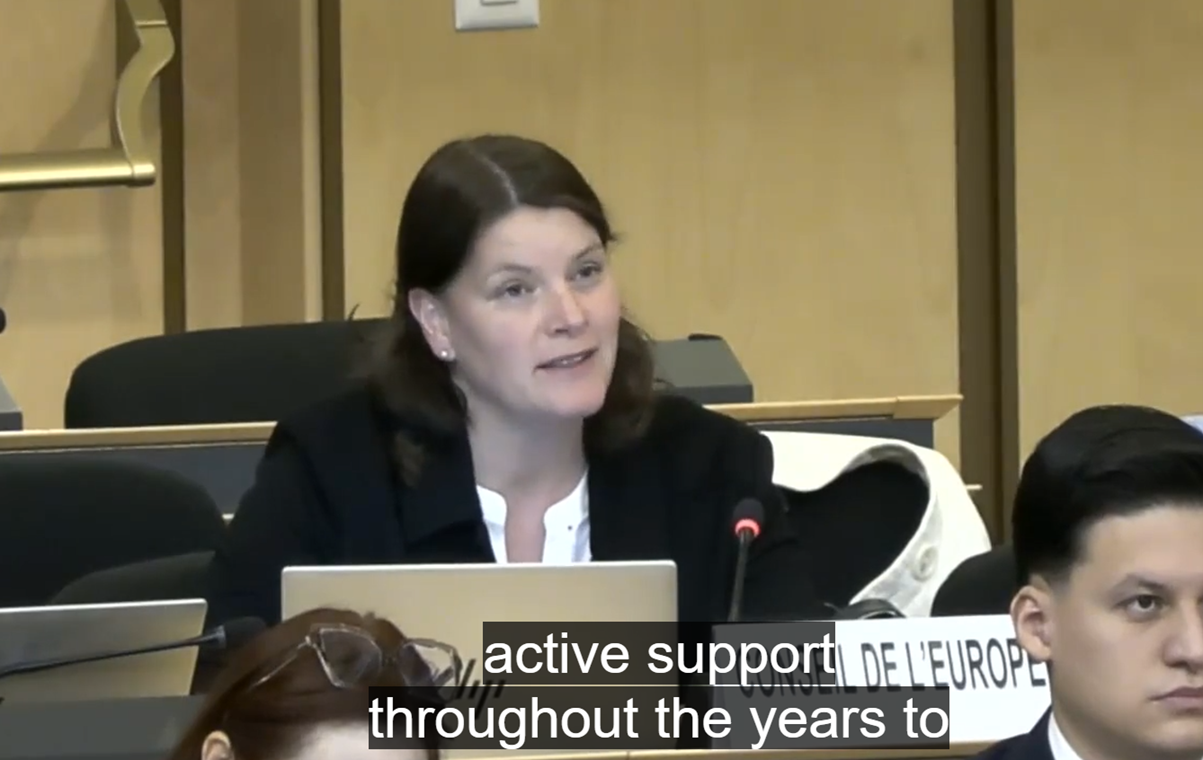
The representative of the Council of Europe thanked the Special Rapporteur for her “excellent report and her dedicated work” and for her support to the Council of Europe regarding the Lanzarote Convention. She took this opportunity to remind the assembly that this convention was open for signature to all countries.
The representative of the Council of Europe shared the concerns raised in the report and focused on two contemporary issues: the rise in harmful sexual behaviour among children, which the Council of Europe links to the early access to online pornography and the misuse of AI to sexually abuse and exploit children. She specified that the Lanzarote Committee recognized the misuse of AI to sexually abuse children as causing major harm and needing criminalization on a regional scale.
4. U.N Agencies
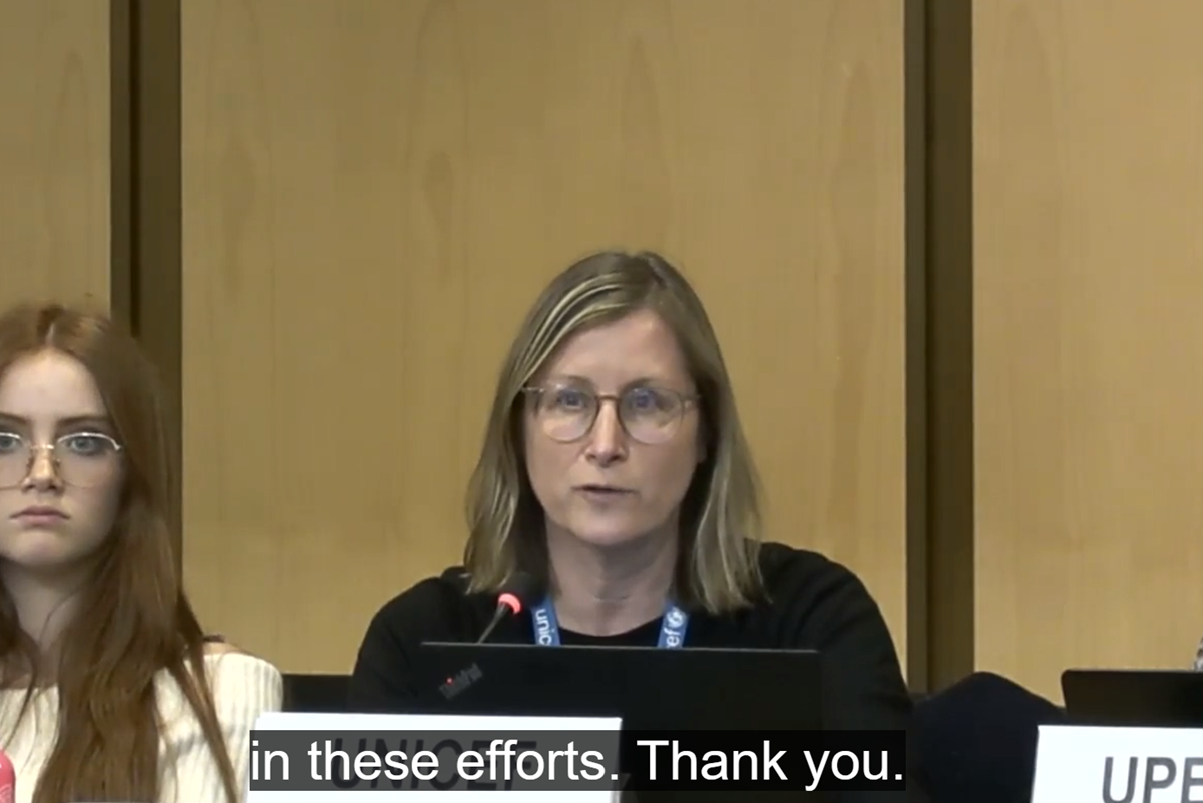
The representative of UNICEF shared her concerns about the “growing normative pushback against child rights” happening in the world. She shared her observation of how, as humanitarian crises grow in frequency, complexity and scale, the vulnerability of children is all the more heightened. She concluded that the international community needed legislative and practical measures to ensure an effective protection of children and to accelerate efforts through comprehensive and multi-sectorial approaches. For her, this would include for States to fully ratify and implement the U.N. Optional Protocol on the Sale of Children, Child Prostitution and Child Pornography. Finally, she called for the strengthening of prevention and support systems for victims and for the investment in frontline workforces by States.
Statements by Non-Governmental Organizations
Non-Governmental Organizations advocated for more trauma-informed solutions, more accountability mechanisms, safe reporting mechanisms, the improvement of birth registration systems, the establishment of specialized anti-human-trafficking units and child-led and survivor-led approaches in public policies to encourage agency in children.
They also asked for a conscious effort by States in providing rehabilitation, education and psychosocial support of children who are victims of sexual offenses. NGO representatives highlighted how the pre-existing inequalities in developing countries further put children in situations of risks to be sexually abused and exploited like in the case of illegal adoption, forced labor, sexual exploitation and forced marriages. Moreover, they argued that migrant and displaced children should benefit from much more protection than what they have today because they face heightened risks. NGO representatives emphasized the prevalence of children in human trafficking cases : in India, for example, 30% of cases of human trafficking involve children.
Finally, they asked for frontline workers, like teachers and social workers, to benefit from stronger trauma-informed training and resources to better understand the risks children face.
Concluding Remarks of the U.N. Special Rapporteur
In her closing remarks, the Special Rapporteur on the sale, sexual abuse and sexual exploitation of children added a nuance to the dialogue, because it had seemed like States were satisfied by the efforts they had implemented. She said that despite all the work that had been done over the last few years, children continue to fall prey to predators and to be massively exploited. She argued that those laws, though they may be well-written, are still not implemented correctly, rendering their effect very limited. She also reminded States that the legislative gaps they leave in their country is not just theoretical : it has grave real consequences. Those gaps leave children being raped and criminals offenders walking free.
Furthermore, despite all those changes in domestic legislations, violations persist because victims are blamed, stigmatized or silenced in private and those grave criminal offenses remain largely unaddressed and normalized in public.
All in all, for the Special Rapporteur, the key to face this major issue correctly is to engage with children, to work with them and to guarantee a child-friendly justice system. A child-friendly justice system allows for children to be informed of their rights early on in the judicial process, it allows for a safe space for children to express themselves and to testify of what they have endured, to be accepted and to be understood. In a child-friendly justice system, children are addressed in a language that is adapted to their age and maturity without paternalizing them. More importantly, children should never be forced to face their offender and should not be brought into a court unless it is considered for their best interest.
Finally, the Special Rapporteur advised States to remove the statute of limitations for sexual offenses against children because it can take years if not decades for victims to remember, to realize and to talk about the horrible things they have undergone.
Critical Perspective on the Interactive Dialogue and the Report
The Interactive Dialogue analyzed in this report, though it showed mild advances in combating child sexual trafficking, also showed the lack of interest and political will of most States. In her closing remarks, the Special Rapporteur felt the need to push States to reflect on their passivity because they had acted throughout the meeting as if they had done enough and were satisfied by their efforts. Throughout the whole meeting, States only tackled one subject out of the dozens of subjects in the report : the responsibility of social media platforms as intermediaries for predators and sexual offenders. This issue was tackled in the Special Rapporteur’s report, of course, but it was only a few paragraphs and it was not the main topic of the report at all. So it really seemed like delegates used this issue to divert from their own responsibility and obligations. Indeed, States have way more moral and legal responsibilities than private companies in regards to the safety of their civilians. But their moral and legal obligations were rarely mentioned during the dialogue.
Secondly, very few practical measures were discussed. Similarly, very few of the Special Rapporteur’s recommendations were taken into account. The “solutions” found by States were at best symbolic (“2026 has been declared the year of the family”, United Arab Emirates), if not lacking any substance at all. The idea of tackling the problem from the “demand side” was touched upon only once during the dialogue, by the delegate of the Philippines.
Indeed, other States only focused on the “responsibility” of children. Their “solutions” were based on a “more responsible use of technologies by minors” (Mauritius), which is absolutely appalling. It seemed that States forgot that children have developing brains, are not capable of making fully reflected decisions or of giving consent for sexual relationships and are highly vulnerable to grooming and the manipulation tactics of adults. Furthermore, it is absolutely riveting that States would blame children for being raped, sexually exploited, sexually harassed, trafficked or even sexualized at all by fully grown adults.
The obvious victim-shaming the delegates resorted to is probably due to the fact that children don’t have political representation, nor do they have actual legal rights in many countries of the world they can use as levers to be protected. Furthermore, because children don’t vote, their rights are largely overlooked by political representatives, except when they represent an opportunity for the representatives to polish their image and be seen as protectors of children. All in all, it was very easy for those delegates to blame children as they do not have voices or representation at the U.N. It is worth noting that, contrary to other Interactive Dialogue on the same week on the topic of children’s rights, this ID did not include the testimonies of children.
As for Civil Society, many NGOs who attended the meeting barely focused on the security of children and used the platform they were granted to touch on the issue of surrogacy, which was completely off-topic, as surrogacy could only be considered as the trafficking of the mother’s body and not the trafficking of live children.
Finally, delegates completely omitted the “demand side” and very rarely touched upon stricter criminalization as a tool for deterrence. As a matter of fact, the word “deterrence” itself was never used during the dialogue. There was no mention of administrative, civil and criminal measures against sexual offenders of children, like the loss of custody of their own children, the prohibition of working with children, a public registry for child sexual offenders, the issue of reinsertion of pedocriminals into society, protective measures of children, the increase of prison time for convicted offenders, special criminal procedures for such grave crimes and the implementation of life-sentences in the gravest cases.
Beside the Interactive Dialogue, the report of the Special Rapporteur in itself was lacking in many aspects. Two of the main underlying issues that explain the surge in sexual offenses against children in the world right now is the increasingly high demand for pornographic content and the corruption of key stakeholders.
On the "demand" side for pornographic content, the push for the "teen" fetish on pornography platforms, the non-compliance by platforms like Pornhub for an age limit for users, the use of actual teenagers on those pornography platforms, the normalization of pornographic content on social media platforms like Instagram and X and the sharing of child sexual abuse material going under the radar through the dark web were never tackled as contributing factors to the growing number of child sexual exploitation cases neither by the Special Rapporteur nor by the delegates. It begs the question of a possible collaboration between the Special Rapporteur on the right of privacy and the Special Rapporteur on the sale, sexual exploitation and sexual abuse of children to tackle the issues relating to the monitoring/taping of consumers of pornographic content by police forces as well as the tracking of dark web users.
Now, on the corruption of key stakeholders, the word “corruption” was not mentioned once, neither in the report nor during the Interactive Dialogue. The Special Rapporteur hinted at passive corruption by financial institutions in her report and opening statement without ever using the word. As for the active corruption of Law Enforcement Officers and of other key actors in the judicial system, it was never mentioned even though reports from other institutions and court decisions consider it to be one of the main factors in the surge of child sexual trafficking.
However, it is not surprising that the topic of corruption was not tackled : it is widely known that all the initiatives by Civil Society and U.N. Officials to eliminate corruption over the years inside the United Nations have been systematically shut down and the United Nations Convention Against Corruption ( 2003 ) has never been applied once since its ratification.
Also, permissive laws and judicial procedures allowing criminal offenders to walk free by paying the victims were never tackled either as causes of the persistent impunity of child sexual traffickers.
Then, despite the alarming numbers (words of the Special Rapporteur herself) of child sexual exploitation and abuse, the Special Rapporteur, other U.N. officials and delegations never “described” the phenomenon as a crisis but only as “emerging crimes”. It seems like the severity of the situation has not been completely understood.
Finally, it is beyond comprehension that, in her opening remarks, the Special Rapporteur didn’t call out States on their total passivity to the major issue of child sexual trafficking, especially considering it is one of the gravest forms of human rights violations. There was no mention of the recent re-introduction of child marriage in Iraq or the recent re-introduction of female genital mutilation in the Gambia.
Position of Geneva International Centre for Justice
Geneva International Centre for Justice (GICJ) commends Special Rapporteur Mrs Mama Fatima Singhateh for her seriousness and her hard work over the course of her six year mandate. Though the report was lacking in some aspects and couldn’t identify the entirety of the key critical causes to this phenomenon, it was still able to capture the gravity of it.
Regarding the States, GICJ expresses deep concern over their inaction, passivity and lack of political will regarding the subject.
Geneva International Centre for Justice calls on Member States to financially invest in prevention and criminalization, which are lacking in most countries of the world and to use existing tools like Interpol, Europol, Regional Law Enforcement Institutions and National Human Rights Institutions (NHRI).
Finally, Geneva International Centre for Justice urges Member States to adapt their legislation to international standards regarding children’s rights, especially the signatories of the Convention on the Rights of the Child (1990).
