



HRC61: Technical Cooperation Under Strain
The 61st Session of the Human Rights Council
24 February – 2 April 2026
Item 10: Technical Assistance and Capacity-Building
27 March 2026
Executive Summary
The discussion highlighted the growing gap between human rights commitments and implementation, driven by increasing global crises, declining multilateral trust, and financial constraints within the UN system. Speakers emphasised that technical cooperation remains one of the most effective tools to translate human rights obligations into tangible outcomes.
Delegates widely reaffirmed the central role of the Universal Periodic Review (UPR) and the importance of sustained political and financial support. Concerns were raised regarding developments in Georgia, alongside broader systemic challenges affecting the Office of the High Commissioner for Human Rights (OHCHR).
GICJ stresses that strengthening technical cooperation is essential to ensuring accountability, supporting States, and maintaining the effectiveness of the international human rights system.
Background
Technical cooperation and capacity-building form a core pillar of the Human Rights Council’s mandate, aimed at supporting States in fulfilling their human rights obligations. Grounded in cooperation and dialogue, these mechanisms assist in strengthening national institutions, legal frameworks, and implementation processes.
However, recent years have seen increasing strain on the multilateral system, with growing conflicts, inequality, and funding shortages affecting the ability of the OHCHR to respond effectively to rising global demands.
Summary of the Expert’s Report
The report of the Chair of the Board of Trustees of the United Nations Voluntary Fund for Technical Cooperation in the Field of Human Rights (A/HRC/61/75) highlighted a significant increase in demand for technical assistance, alongside declining financial resources.
It emphasised that technical cooperation plays a critical role in preventing human rights violations, supporting the implementation of the Sustainable Development Goals, and strengthening national capacities.
The report identified key priority areas, including accountability for violations, responsible use of digital technologies, equality and inclusion, and the right to a clean and healthy environment. It also underscored the importance of the UPR as a central mechanism for engagement and follow-up.
Summary of the Interactive Dialogue
Opening Statements
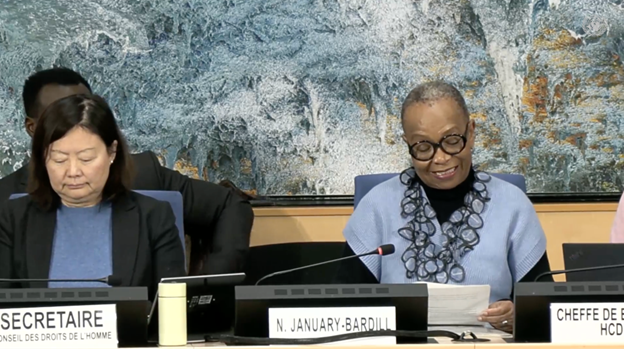
Ms Nozipho January-Bardill, Chair of the Board of Trustees, warned of unprecedented pressure on international human rights and humanitarian law, combined with declining trust in multilateralism and financial constraints. She stressed that these challenges are limiting the OHCHR’s capacity to meet growing demand of Member States asking for technical assistance.
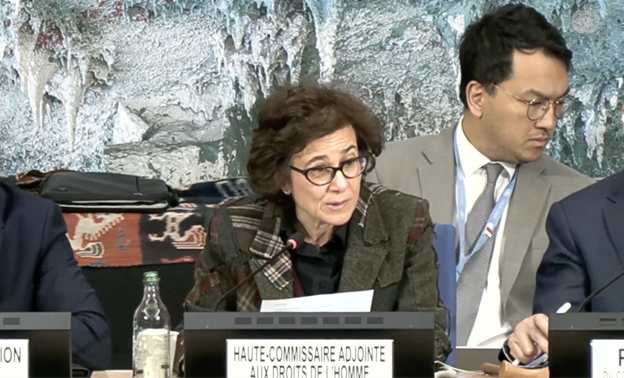
Ms Nada Al-Nashif, Deputy High Commissioner for Human Rights, reaffirmed that technical cooperation is essential for translating legal obligations into real improvements. She highlighted practical examples, including legal reforms in Djibouti and systems to track UPR recommendations in Bosnia and Herzegovina, as well as inclusion initiatives in Guatemala.
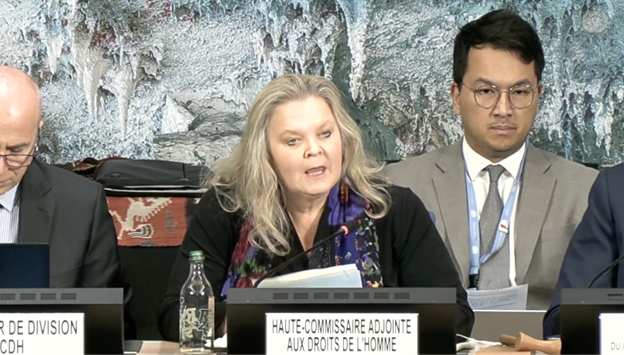
Ms Maarit Kohonen Sheriff, Director of the Global Operations Division at OHCHR, presented findings on cooperation with Georgia, noting concerns over restrictive legislation, threats to civil society, and excessive use of force against protesters and journalists.
Concerned Country: Georgia
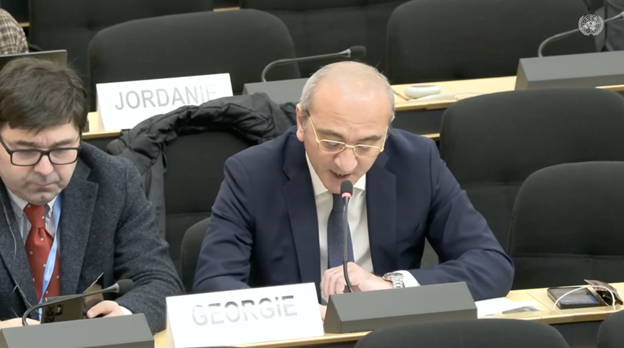
The representative of Georgia reaffirmed the country’s commitment to cooperation with the OHCHR while raising serious concerns about human rights violations in territories under Russian occupation. These included restrictions on movement, education, and access to essential services, as well as displacement and lack of international monitoring.
Statements by States and Groups
Several States, including the Czech Republic, the European Union, Pakistan, and Kenya, participated in the dialogue. They emphasised the importance of technical cooperation, the role of the UPR, and the need for continued engagement despite global challenges with the full consent of the concerned States involved. Many stated how tangible and sustainable results are built from genuine partnership between the OHCHR and Member States.
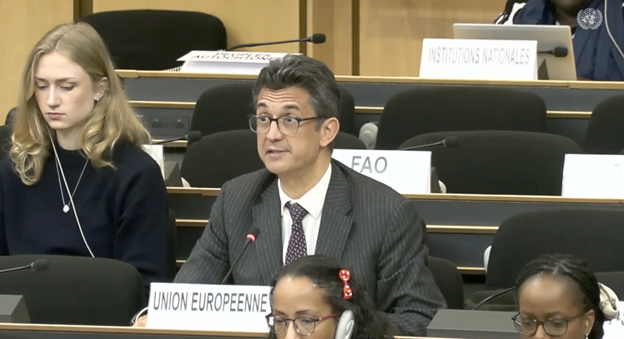
The representative of the European Union echoed appreciation for the Deputy High Commissioner’s commitment to human rights and thanked the OHCHR for its reports. They stressed that technical assistance is critical for strengthening human rights implementation and highlighted support for multiple programmes, including those led by the OHCHR. The representative welcomed Bangladesh’s cooperation and encouraged continued engagement by Cambodia, while expressing concern over ongoing human rights violations.
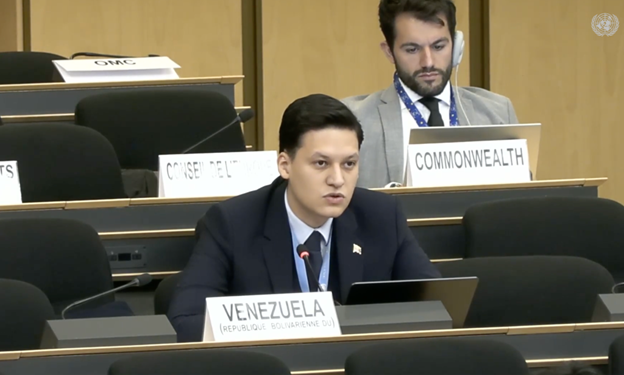
The representative of Venezuela emphasised the importance of the United Nations as a forum for international cooperation and reaffirmed commitment to the right to development. They underscored that technical cooperation must respect sovereignty and be based on dialogue and mutual respect.
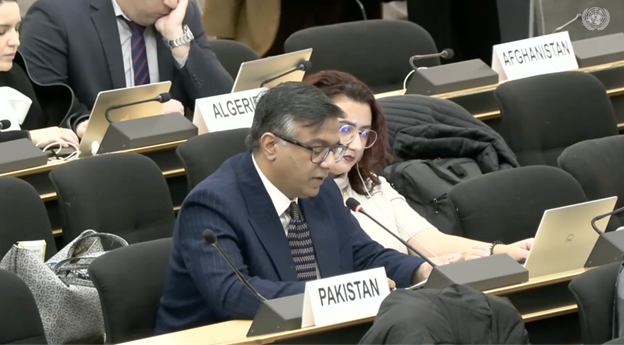
The representative of Pakistan, speaking on behalf of the Organization of Islamic Cooperation, reaffirmed support for technical assistance grounded in genuine dialogue, national priorities, and State consent. They stressed that all human rights must be treated equally and warned against the use of technical cooperation as a means of undue interference, particularly given the financial constraints faced by developing countries.
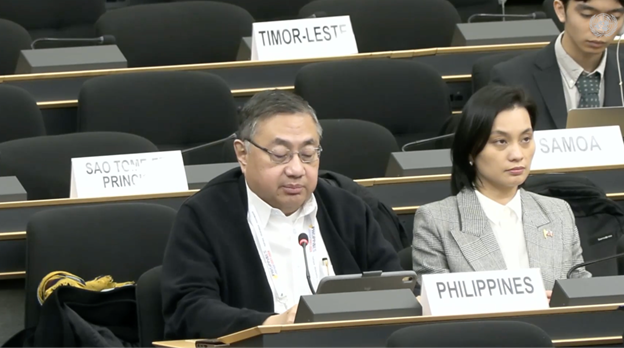
The representative of the Philippines, speaking on behalf of the Association of Southeast Asian Nations (ASEAN), highlighted the preventive role of technical assistance in addressing human rights violations. They stressed that cooperation must reflect national priorities, cultural contexts, and resource realities, noting that there is no “one-size-fits-all” approach.
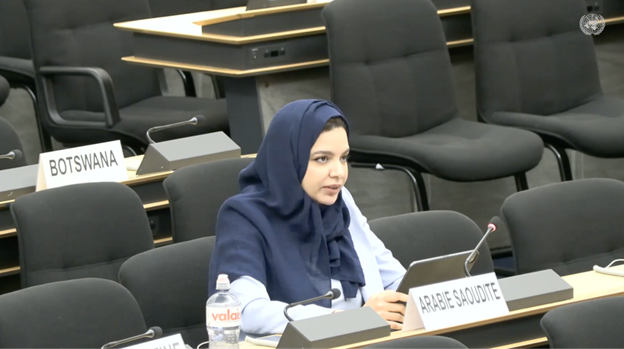
The representative of Saudi Arabia, speaking on behalf of the Group of Arab States, emphasised the importance of the Voluntary Fund for Technical Cooperation and called for approaches that respect national priorities and respond to evolving needs.
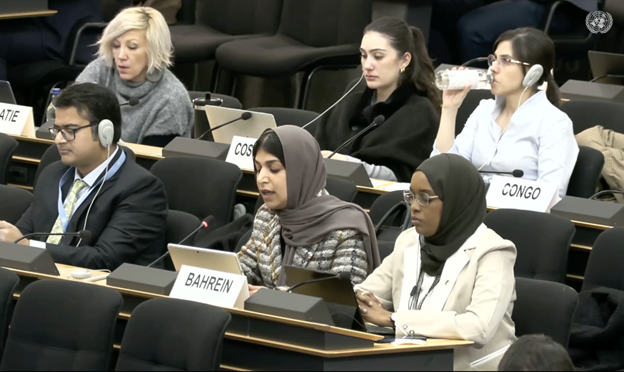
Similarly, the representative of Bahrain, on behalf of the Gulf Cooperation Council, stressed that cooperation must be based on consent, aligned with national development plans, and contribute to sustainable and peaceful outcomes.
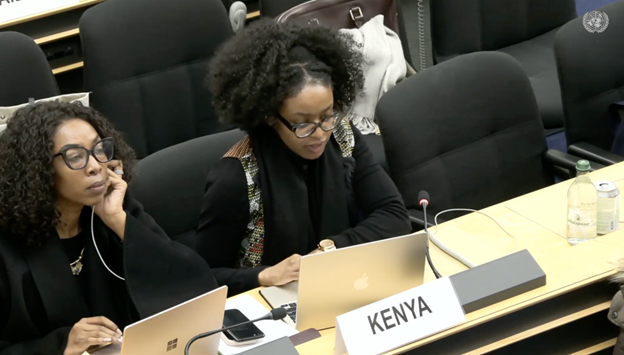
The representative of Kenya, speaking on behalf of the African Group, reaffirmed that technical assistance must be based on explicit State requests and aligned with national priorities. They highlighted the importance of dialogue and stressed that technical cooperation is essential for translating Universal Periodic Review recommendations into measurable outcomes, while expressing concern over the impact of the UN’s liquidity crisis.
NGO Contributions
NGOs broadly highlighted the negative impact of funding constraints on human rights work and stressed the importance of protecting civil society space, strengthening accountability mechanisms, and ensuring inclusive approaches to human rights implementation.
Conclusion
The discussion underscored that technical cooperation remains a cornerstone of the international human rights system, particularly in times of crisis. While demand continues to grow, financial and political constraints risk undermining its effectiveness. Speakers repeatedly highlighted that the current global context, marked by armed conflicts, rising inequality, climate pressures, and the misuse of digital technologies, has placed significant strain on both human rights frameworks and the multilateral system.
In this context, technical cooperation was reaffirmed as an essential and practical tool for preventing violations and supporting States in implementing their obligations. Its effectiveness depends on sustained political will, adequate funding, and genuine cooperation grounded in dialogue and respect for national priorities. The central role of the Universal Periodic Review was also emphasised as a key mechanism for translating commitments into measurable outcomes.
The discussion ultimately made clear that reducing support for multilateral human rights efforts would weaken protection systems, while strengthening cooperation remains one of the most effective ways to respond to current global challenges.
Position of Geneva International Centre for Justice (GICJ)
Geneva International Centre for Justice (GICJ) expresses deep concern over the increasing pressure on the international human rights system and the declining resources available for technical cooperation.
GICJ emphasises that technical cooperation is not merely supportive but essential to preventing violations, strengthening institutions, and ensuring accountability. The organisation stresses the importance of the Universal Periodic Review as a key mechanism for implementation and accountability, as well as the importance of respecting the principle of sovereignty of Member States and not applying a “one-size-fits-all” approach with technical cooperation and capacity building.
In light of growing global challenges, GICJ calls on States to reinforce their commitment to multilateralism by increasing financial contributions to the OHCHR and supporting capacity-building initiatives. Without sustained political will and resources, the gap between human rights commitments and realities risks further widening.
