




HRC61: Rohingya Remain Trapped in Violence & Statelessness as Impunity Persists
The 61st Session of the Human Rights Council
23 February - 31 March 2026
Interactive Dialogue on the High Commissioner’s oral update on Rohingya Muslims and other minorities in Myanmar (A/HRC/RES/56/1)
27 February 2026
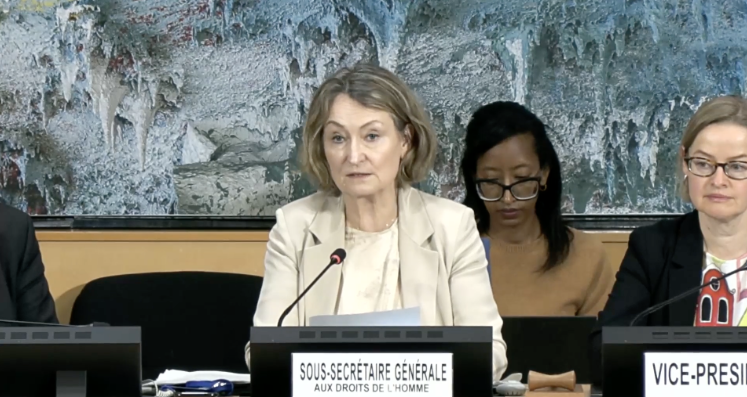
Aliena Trefny / GICJ
Executive Summary
On 27 February 2026, during the 61st session of the Human Rights Council, the United Nations High Commissioner for Human Rights (“High Commissioner”) presented the oral update on Rohingya Muslims and other minorities in Myanmar. The Assistant Secretary-General for Human Rights (“Assistant Secretary-General”), Ms. Ilze Brands Kehris, highlighted the ongoing persecution, discrimination, and grave human rights violations faced by these communities. The High Commissioner stressed that Rohingya Muslims continued to be subjected to segregation, denial of citizenship, arbitrary movement restrictions, and barriers to accessing basic services and justice, while other ethnic and religious minorities in Myanmar also endured serious abuses and insecurity.
States and regional groups have expressed deep concern over the persistence of impunity for atrocity crimes, and the lack of meaningful progress towards accountability, civilian protection, and safe, voluntary, dignified, and sustainable return of displaced Rohingya. Many delegations called for stronger international engagement, support for justice mechanisms, and sustained pressure on the Myanmar military to cease attacks on civilians. They strongly criticised the military-organised elections held between December 2025 and January 2026 that excluded key opposition groups and minorities. Civil society organisations echoed these concerns, underlining the urgency of protecting forcibly displaced people and ensuring full access to humanitarian aid.
The Geneva International Centre for Justice (GICJ) views the Rohingya crisis as rooted in long-standing policies of exclusion and dehumanisation. GICJ urges the Human Rights Council, United Nations Member States, and all relevant stakeholders to prioritise accountability for international crimes, comprehensive protection for all affected communities, and inclusive and democratic political solutions that guarantee the rights and freedoms of Rohingya and other minorities.
Background
For decades, Rohingya Muslims in Myanmar have been subjected to institutionalised discrimination, including the denial or revocation of citizenship under the 1982 Citizenship Law, forced recruitment and displacement, exclusion from public services, and periodic waves of violence targeting their communities. This persecution escalated dramatically in 2017, with large-scale military operations that led to mass killings, sexual and gender-based violence, village burnings, and the forced displacement of hundreds of thousands of Rohingya into neighbouring countries, particularly Bangladesh. Since the military coup on 1 February 2021, which overthrew the elected government, Myanmar has faced deepening instability, and the overall human rights situation has further deteriorated. This is reflected in the intensified fighting, widespread repression, and a deepening humanitarian crisis that has disproportionately affected already marginalised communities.
According to the figures presented by the High Commissioner, 16 million people, meaning over one-third of the population, are affected by the crisis. Northern and central Rakhine States face the risk of catastrophic food insecurity within months. Meanwhile, neighbouring countries, particularly Bangladesh, continue to host large numbers of Rohingya refugees, placing a significant burden on the stability and resources of the region.
International investigations and United Nations mechanisms have previously found credible evidence that the Myanmar military may have committed genocide, crimes against humanity, and war crimes against the Rohingya population. Multiple international accountability processes are ongoing, including efforts to gather evidence by United Nations-mandated mechanisms and a case of The Gambia against Myanmar before the International Court of Justice (“ICJ”) under the Genocide Convention. However, the combination of persisting impunity, the continuing power of the military, and the lack of safe conditions in Myanmar has meant that durable solutions for forcibly displaced Rohingya remain elusive. Against this backdrop, the High Commissioner’s oral update under Human Rights Council (A/HRC/RES/56/1) aimed to take stock of the current situation, reiterate legal and moral obligations, and renew the attention of the international community on this humanitarian situation.
Interactive Dialogue
Oral Update of the High Commissioner
In her oral update, the Assistant Secretary-General, Ms Ilze Brands Kehris, emphasised that Rohingya Muslims and other minorities in Myanmar remain at serious risk of ongoing and future atrocity crimes, and reported a dramatic escalation in civilian casualties:
- Since the 2021 coup, more than 7,700 civilians have been killed, including 1,650 women and 1,000 children.
- In 2025 alone, 982 civilians were killed in airstrikes, representing a 53% increase from the previous year. She described 2025 as the deadliest year for children, with 287 killed.
- Approximately 30,000 individuals have been arrested arbitrarily since the coup, with nearly 23,000 still detained, including political leaders and opposition figures.
Ms Brands Kehris raised serious concerns about forced recruitment, including reports that over 5,000 Rohingya were violently recruited in the first half of 2025. She highlighted deliberate attacks on civilian infrastructure, including hospitals and displacement camps, as well as the blocking of humanitarian aid. Patterns of persecution and discrimination persist, including segregation in camps and villages, systematic denial of citizenship, and obstacles to accessing education, healthcare, and other essential services.
Regarding the military-organised elections conducted between December 2025 and January 2026, she stressed that they were held amid violence and repression. Over 400 attacks occurred during the election period, resulting in more than 170 civilian deaths. Major opposition parties, including the National League for Democracy, were banned, and Rohingya and other minorities were excluded from participation.
Ms Brands Kehris noted that, despite repeated assurances, the authorities had not created conditions conducive to the safe, voluntary, dignified, and sustainable return of forcibly displaced persons. Any proposals for return, she stressed, must be firmly anchored in guarantees of safety, restoration of rights, and accountability for past violations.
Finally, she called:
- On States to support existing accountability processes, including international judicial mechanisms and United Nations bodies tasked with documenting violations and preserving evidence. She particularly referred to ongoing proceedings before the ICJ concerning allegations of genocide against the Rohingya, as well as universal jurisdiction cases opened in Timor-Leste and Argentina.
- On the Myanmar military authorities to immediately cease attacks on civilians, repeal discriminatory legislation and policies, end arbitrary detention and torture, and engage in genuine dialogue aimed at a rights-respecting, civilian-led political transition.
Statements of Member States & Groups
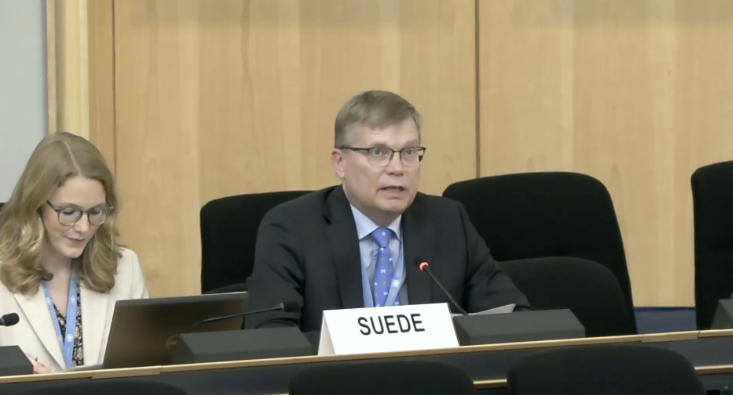
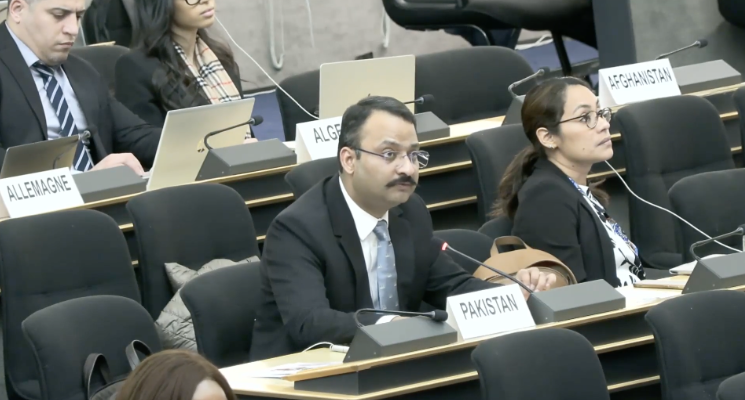
Many delegations focused on accountability for atrocities, justice mechanisms, and ending impunity. Sweden on behalf of the Nordic–Baltic countries, Pakistan on behalf of the Organisation of Islamic Cooperation (“OIC”), the European Union, Benelux, North Macedonia, Bulgaria, Poland, Romania, Spain, Cyprus, Turkey, Egypt, the Dominican Republic, Malaysia, Australia, the United Kingdom, and Jordan all condemned grave violations committed against Rohingya Muslims and other minorities, including indiscriminate attacks, killings, sexual and gender-based violence, forced recruitment, arbitrary detention, and persecution.
These delegations stressed that those responsible must be held accountable, including through international courts and mechanisms, and they voiced strong support for the genocide case brought to the International Court of Justice by The Gambia against Myanmar, for the work of the International Court of Justice, and for universal jurisdiction proceedings in Timor-Leste and Argentina.
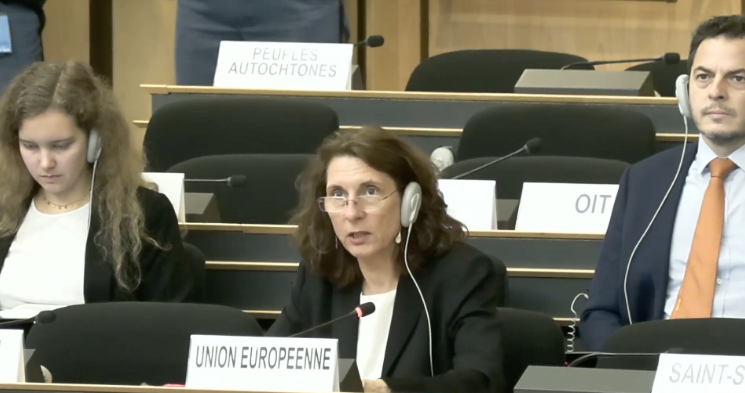
A large group of states underlined the need for humanitarian access, protection of civilians, and support to host countries. The European Union, Benelux, Bangladesh, Thailand, the Philippines, Indonesia, Vietnam, Malaysia, Australia, the United Kingdom, Cyprus, Poland, Spain, Bulgaria, Jordan, Kuwait, Egypt, North Macedonia, and the Dominican Republic all raised alarm at the worsening humanitarian crisis, mass displacement, food insecurity, and blocked aid in Myanmar, particularly in Rakhine State.
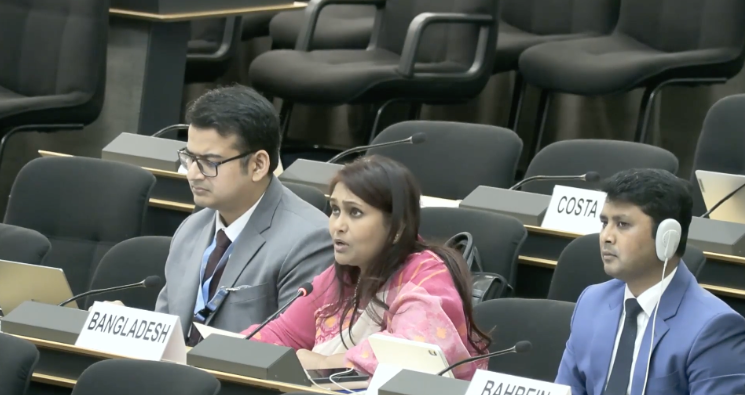
Bangladesh highlighted the immense burden placed on host countries, as it alone has hosted more than 1.3 million Rohingya and had received around 150,000 new arrivals over the past one and a half years, calling for increased, predictable, and sustained international support.
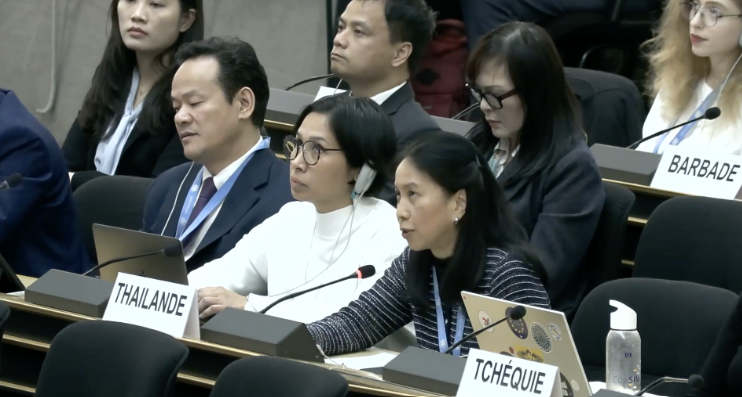
Several delegations, including Thailand, the Philippines, Indonesia, Malaysia, Vietnam, and Australia, described their own humanitarian contributions and assistance programmes, and urged full, safe, and unhindered humanitarian access, including cross-border and cross-line assistance.
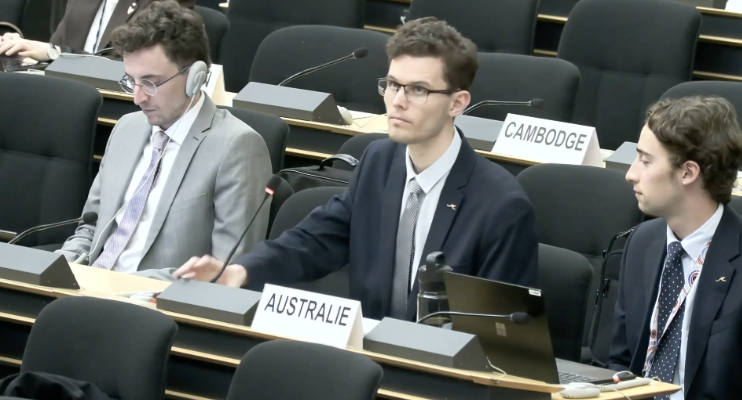
Many states stressed safe, voluntary, dignified, and sustainable return and the need to address root causes of the discrimination, including citizenship. Pakistan on behalf of the Organization of Islamic Cooperation (OIC), Bangladesh, Iran, Malaysia, Thailand, Indonesia, North Macedonia, Jordan, Kuwait, Australia, Poland, Turkey, Egypt, and Kuwait emphasised that repatriation to Myanmar is the only durable solution, but could only occur once conditions in Rakhine State were genuinely conducive. They called for cessation of hostilities, full humanitarian access, confidence-building among communities, and the dismantling of discriminatory structures.
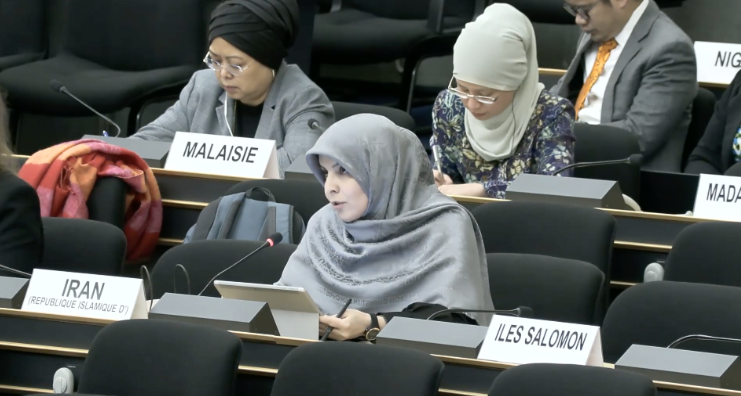
Iran specifically urged review and reform of the 1982 Citizenship Law and repeal of other discriminatory legislation to ensure access to citizenship and equal protection under the law, while the OIC group pressed for implementation of the Advisory Commission on Rakhine State’s recommendations, including a clear pathway to citizenship.
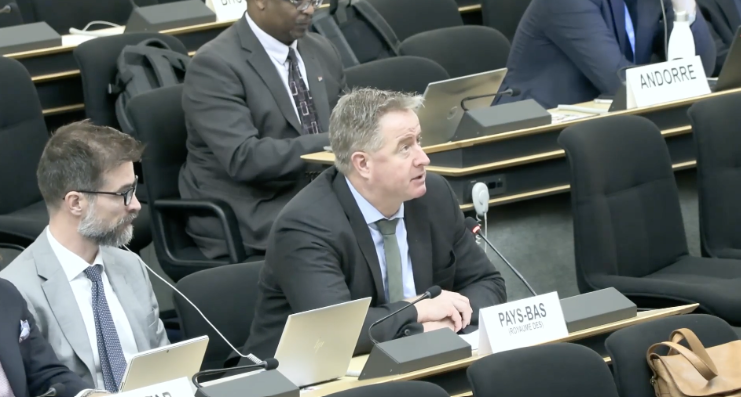
Several delegations addressed elections, political transition, and regional frameworks. The European Union, the Benelux, Bulgaria, North Macedonia, Poland, Spain, Romania, Australia, Japan, the United Kingdom, and Cyprus rejected the legitimacy of the military-organised elections conducted between December 2025 and January 2026, noting that they did not meet international standards for free, fair, inclusive elections, and democratic processes were accompanied by airstrikes, repression, and intimidation.
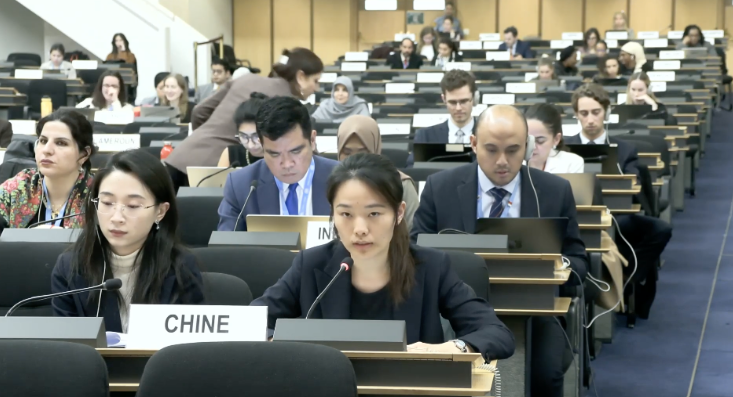
Conversely, China, the Russian Federation, Belarus, and Venezuela highlighted recent elections and parliamentary developments as steps towards internal political stability, and emphasised sovereignty, non-interference, and caution against pressure and sanctions. They expressed concern that unilateral coercive measures, and politicisation of the Human Rights Council’s work were counterproductive, and urged equal and constructive dialogue with the Myanmar authorities.
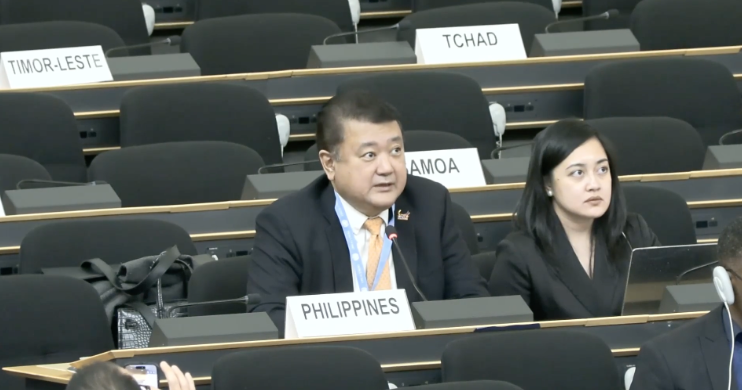
Thailand, the Philippines, Indonesia, Vietnam, Malaysia, India, and Poland underlined ASEAN’s central role and reaffirmed their commitment to the Five-Point Consensus as the primary guiding framework, stressing that any political solution must be Myanmar-led and Myanmar-owned, with national reconciliation, dialogue among all stakeholders, and restoration of democracy and the rule of law.
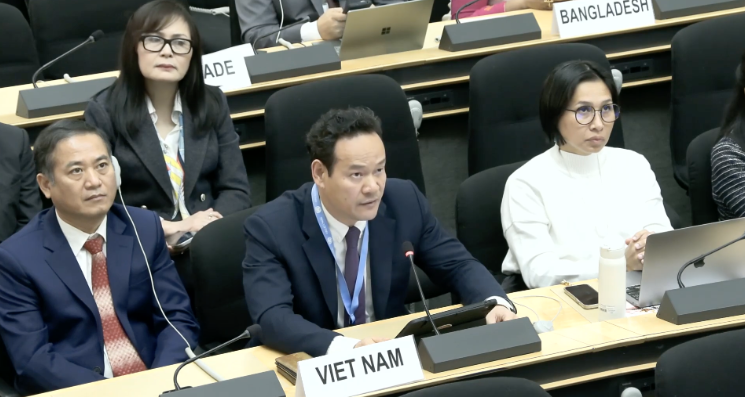
India and Vietnam highlighted the impact of the crisis on neighbouring countries, including influxes of people, and reiterated their intention to work with ASEAN and the United Nations Secretary-General’s Special Envoy to support an inclusive political settlement.
Finally, some delegations placed particular emphasis on regional and international cooperation, burden-sharing, and long-term solutions, as well as strengthened measures to halt the flow of arms, jet fuel, and dual-use goods to the Myanmar military, arguing that cutting military supplies was essential to reducing civilian harm. Bangladesh, Malaysia, Indonesia, Thailand, the Philippines, Vietnam, India, Kuwait, Egypt, Jordan, and Australia called for stronger international sharing of responsibility and burden to support refugee-hosting countries and address cross-border impacts, including transnational crime, trafficking, and dangerous sea journeys. They encouraged closer cooperation between ASEAN, the United Nations, and other partners, while Jordan, Kuwait, and Egypt stressed the need to tackle deep-rooted discrimination and ensure equal rights, citizenship, and freedom of religion for all in Myanmar.
Statements by NHRIs and NGOs
Non-governmental organisations raised alarm over the entrenched statelessness of Rohingya, the dangerous conditions in overcrowded refugee camps, and the shrinking space for civil society and humanitarian actors. They highlighted lived stories of ongoing persecution, gender-based violence, and the lack of access to education and livelihood opportunities for Rohingya youth.
Civil society representatives urged States to move beyond expressions of concern and to adopt concrete, coordinated measures that would protect civilians, strengthen accountability, and address the structural drivers of the crisis. One organisation emphasised that without targeted sanctions against their leadership, Rohingya will continue to suffer, as attempts at private dialogue have only emboldened them and entrenched impunity.
They welcomed the ongoing judicial processes at the ICJ to hold the Myanmar military accountable for genocide against the Rohingya. One organisation stressed that these proceedings demonstrate that accountability and reparations are achievable when States pursue justice, evidence is systematically collected, and survivors are supported in coming forward. In light of escalating violence against ethnic minorities in Myanmar, it called on the Human Rights Council to strengthen efforts to ensure the safe and timely documentation of violations to enable effective prosecution and justice for victims.
Concluding Remarks
In her closing remarks, the Assistant Secretary-General thanked delegations for their strong engagement and stressed the importance of maintaining sustained international attention on Myanmar across all multilateral fora, including both Geneva and New York. She warned against the risk of the crisis being overshadowed by other global conflicts and underscored the urgency of responding to the deteriorating humanitarian and human rights situation.
She highlighted the military’s continued non-compliance with United Nations Security Council Resolution 2669, the escalation of airstrikes against civilians, and the worsening humanitarian access. Opportunities for de-escalation, including following the March earthquake and during the electoral period, were instead marked by intensified violence. She stressed that human rights must remain central to political and security discussions, including engagement led by ASEAN and the United Nations.
Reaffirming that impunity must end, she emphasised both immediate and long-term accountability efforts, including support for the ICJ proceedings and the strengthening of documentation and evidence collection. She also underlined the need to begin preparing for future transitional justice processes to ensure criminal accountability, truth-seeking, reparations, and guarantees of non-repetition.
She called on States and the international community to:
- Ensure full compliance with the United Nations Security Council Resolution 2669, i.e. ceasefire, release of detainees, humanitarian access;
- Restore and expand humanitarian access, including through cross-border and local channels;
- Increase humanitarian funding and support to Bangladesh as host of Rohingya refugees;
- Cut the flow of arms and financial resources to the military;
- Strengthen coordinated international and regional engagement, including with ASEAN;
- Ensure any political solution is inclusive of democratic actors, women, youth, and ethnic minorities, including Rohingya;
- Support accountability efforts, including the ICJ case, universal jurisdiction initiatives, and United Nations investigative mechanisms;
- Invest in documentation, victim support, and preparation for comprehensive transitional justice processes.
She concluded by reaffirming the continued commitment of the Office of the United Nations High Commissioner for Human Rights to monitoring developments and supporting efforts toward protection, accountability, and an inclusive and democratic future for Myanmar.
Geneva International Centre for Justice (GICJ) remains gravely alarmed by the escalating violence against Rohingya Muslims and other minorities in Myanmar, including rising civilian deaths, forced recruitment, obstruction of humanitarian aid, and the looming risk of famine in Rakhine State. The long-standing denial of citizenship, segregation, and systemic discrimination against the Rohingya reflect a structure of entrenched oppression that has enabled atrocity crimes and mass displacement. The situation has further deteriorated since the military’s seizure of power, deepening the suffering of already marginalised communities.
GICJ stresses that sustainable peace is impossible without full accountability for genocide, crimes against humanity, and war crimes. The international community must strengthen support for United Nations investigative mechanisms, proceedings before the ICJ, and universal jurisdiction cases, while ensuring protection for victims and witnesses. A comprehensive arms embargo, including the suspension of jet fuel and dual-use goods transfers, is urgently needed to curb the military’s capacity to commit further violations.
Any political solution must be inclusive and civilian-led, guaranteeing the full participation of Rohingya and other ethnic minorities, restoring citizenship rights, dismantling discriminatory laws, and ensuring fundamental freedoms. The safe, voluntary, and dignified return of refugees cannot occur without these structural reforms and firm guarantees of protection. GICJ calls on the Human Rights Council and the United Nations Member States to sustain political pressure, support host countries such as Bangladesh, and prioritise justice, accountability, and the human rights of all communities in Myanmar.
