



African Affairs Newsletter, January 2026
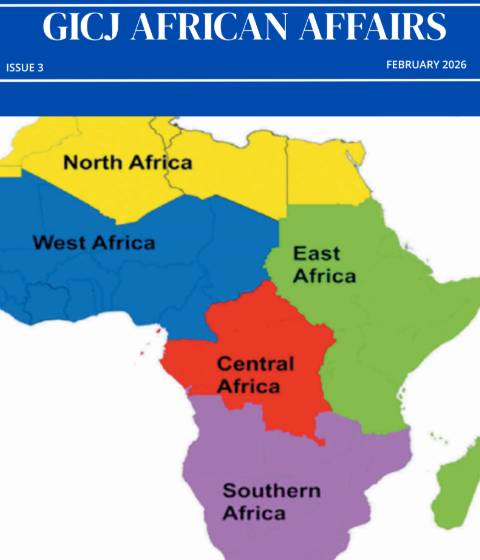
Welcome to the fourth Issue of the Geneva International Center for Justice African Affairs Newsletter. The Issue focuses on Human Rights in Africa, specifically the effects of war and conflict on the continent, Gender-based Violence and elections among others. Some of these challenges are scheduled to be discussed in the upcoming 61 Session of the Human Rights Council (HRC61) in addition to reports on progress made since the last session.
The ongoing conflict in Sudan has precipitated one of Africa’s most severe humanitarian and displacement crises in recent history. Since the outbreak of fighting, millions of civilians have been forced to flee their homes, seeking safety within Sudan and across borders into neighbouring countries such as Chad, South Sudan, Ethiopia, Egypt, and the Central African Republic. The scale and speed of this displacement have placed immense pressure on already fragile host communities and exposed serious gaps in regional protection mechanisms.
On Monday 22 September 2025, Ghanaians lined the streets of Accra; in protest of illegal mining activities in the country. The movement, led by activist and private legal practitioner; Oliver Barker-Vormawor, aimed to call attention to the environmental degradation caused by illegal mining activities and to highlight the shortcomings of the country’s leaders. This comes on the heels of another protest held a year prior that brought the issue to the minds of many Ghanaians who were either unaware of the reality of the situation or were living in willful ignorance. Outrage over the current state of the nation intensified as protestors took to social media to voice their concerns, causing the hashtag, StopGalamseyNow to begin trending on X.
On 20 November 2025, President Cyril Ramaphosa of the Republic of South Africa officially declared gender-based violence a national disaster at the G20 social summit hosted by his country. He underscored the extraordinary and concerted action that will be required to end it. The move came after a wave of protests that began weeks earlier online, where activists flooded social media with the colour purple – the symbol of the #G20WomenShutdown campaign – urging people to withdraw from all economic activities for one day and to lie down in silence for 15minutes at noon in honour of the 15 women murdered each day in the country. On 21 November 2025, the online call turned into a nationwide street action. Women, men, universities, civil society organizations and allies took to the streets across the country, wearing either purple or black as a visual representation of mourning and solidarity, demanding urgent government action.
Nigeria has experienced a troubling surge in violent abductions and attacks that have left civilians living in fear, disrupted education, strained communities across multiple states and led to loss of hundreds of lives. In 2025, armed groups carried out a series of kidnappings targeting schools, villages, worshippers, farmers and travellers. Many victims were held for days or weeks; some were later released through rescue operations, while others remain missing or were killed. These events have highlighted persistent security challenges, particularly in the country’s northern and central regions and have drawn attention from international human rights organisations and concerned citizens across social media platforms.
As the sun rose over Kampala on January 17, 2026, the silence in the streets was not one of peace, but of a nation held in a digital blackout. For the seventh time in four decades, the Electoral Commission declared the incumbent Yoweri Museveni the victor, granting the 81-year-old another five years in power with 71.65% of the vote.
The Africa group of Geneva International Centre for Justice is a coalition dedicated to advocating for human rights, justice, and peace across the African continent and for the people of African descent. Through research, advocacy and engagement with the United Nations Mechanisms, the African Group works to amplify African voices in global discussions on peace, security, and development through collaborative work from our volunteers across different African countries in collaboration with our members from the office in Geneva. The team actively engages in addressing ongoing issues of racism, racial discrimination, and slavery with a strong focus on supporting the full and effective implementation of the Durban Declaration and Program of Action. Through the teams’ rigorous efforts, this newsletter aims to provide information on the current and developing human rights issues in the continent with the goal of creating awareness and further shedding light on these issues and to also urge states and civil societies to act on these matters.
Geneva International Centre for Justice (GICJ) calls on the respective governments to take immediate and decisive action addressing these issues and challenges. The responsibility of states to strengthen protection mechanisms, ensure accountability, and uphold international human rights and humanitarian law remains paramount.
