

As part of its continuous engagement with universities and educational institutions, Geneva International Centre for Justice (GICJ) regularly welcomes students, researchers, and academic delegations to its office in Geneva. These visits provide an important opportunity to introduce future professionals to the practical work of civil society organisations within the United Nations human rights system and to strengthen cooperation between academic institutions and human rights actors.Through these educational visits, GICJ is helping to bridge the gap between academic learning and practical human rights advocacy. Students are introduced to the functioning of the UN Human Rights Council, the Universal Periodic Review, Treaty Bodies, Special Procedures, and the role of NGOs in documenting violations, preparing reports, delivering statements, organising side events, and engaging with diplomats and UN officials.
GICJ believes that direct exposure to international human rights mechanisms in Geneva is highly valuable for students studying law, international relations, political science, public policy, human rights, diplomacy, and related fields. Such visits allow students to better understand how international law is applied in practice and how civil society contributes to justice, accountability, and the protection of human dignity. Besides similar visits, GICJ welcomes further collaboration with universities, academic institutions, and student groups wishing to provide their students with practical exposure to the international human rights system. By participating in GICJ’s training workshops, students can move beyond theoretical study and gain first-hand knowledge of how human rights advocacy is conducted at the United Nations level.
Academic Visits to GICJ in Geneva
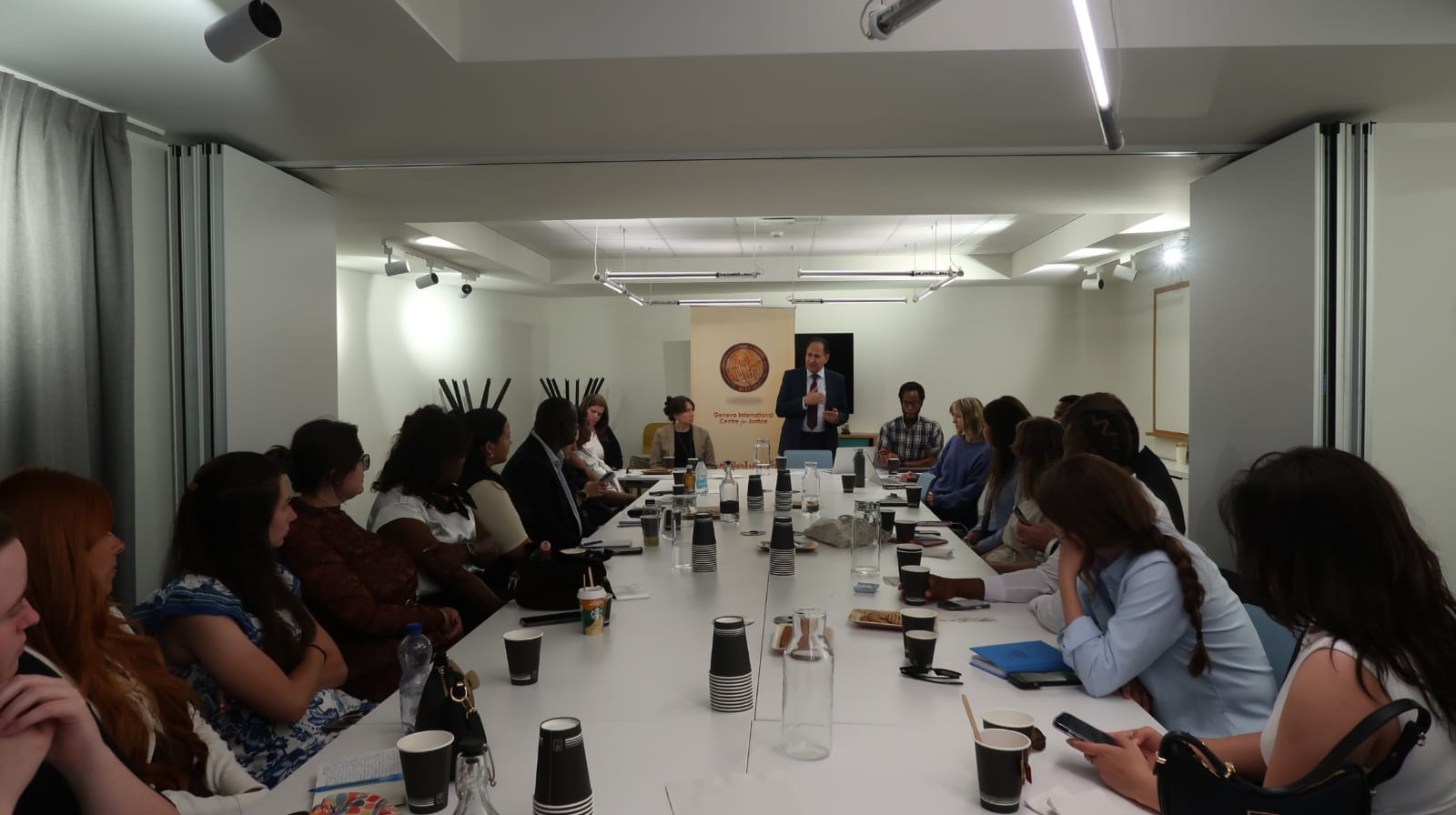
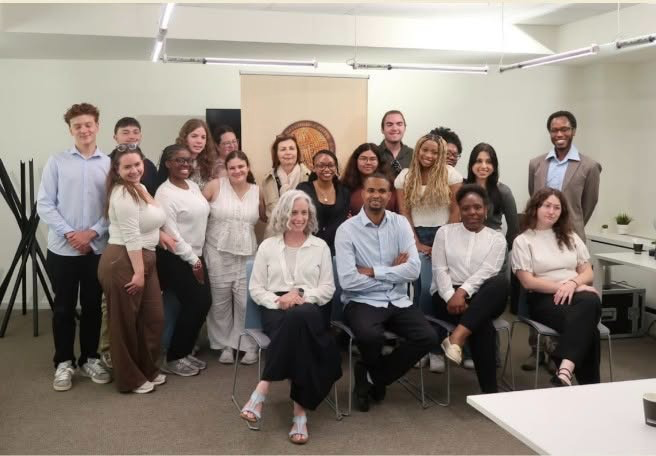
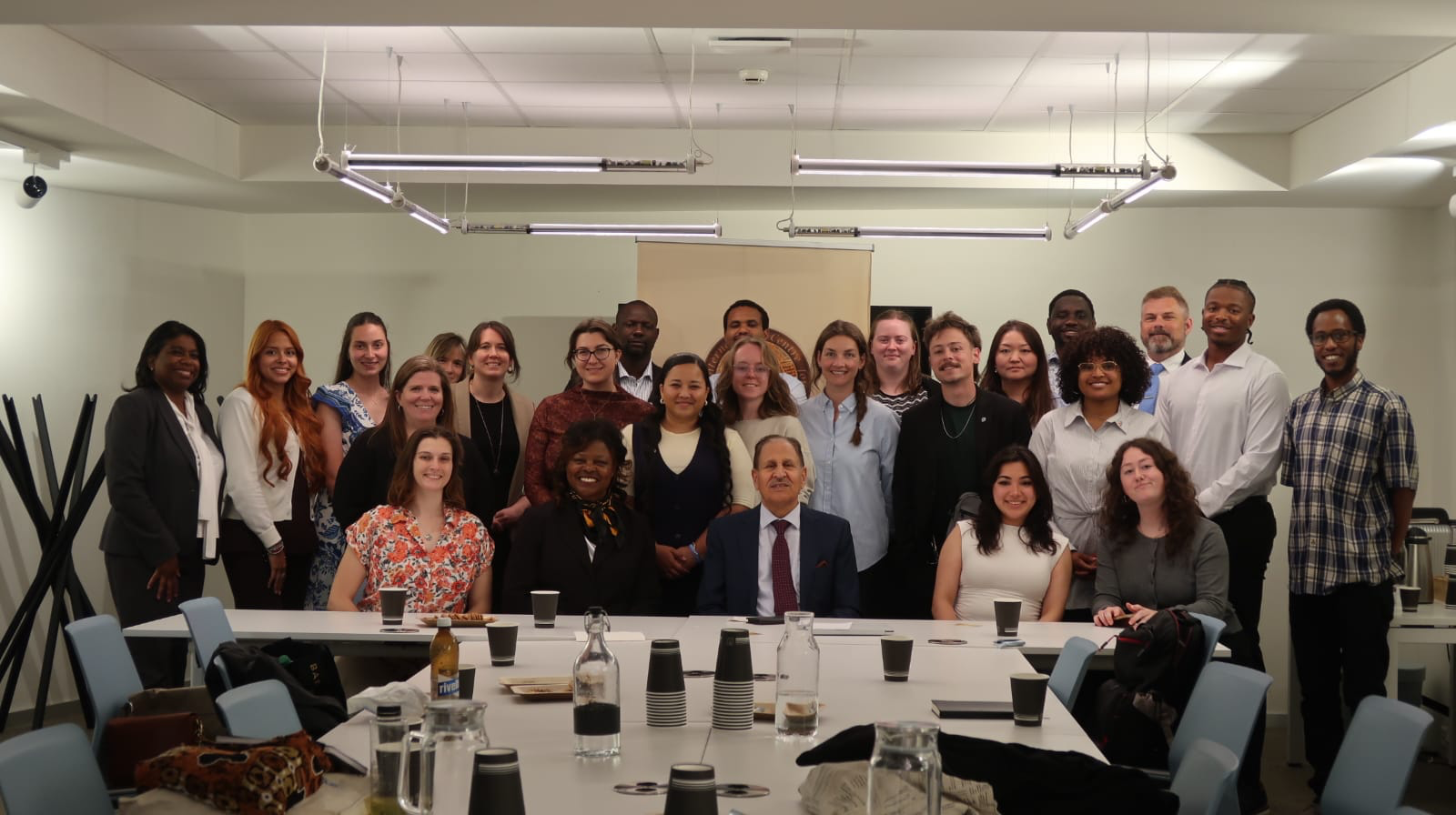
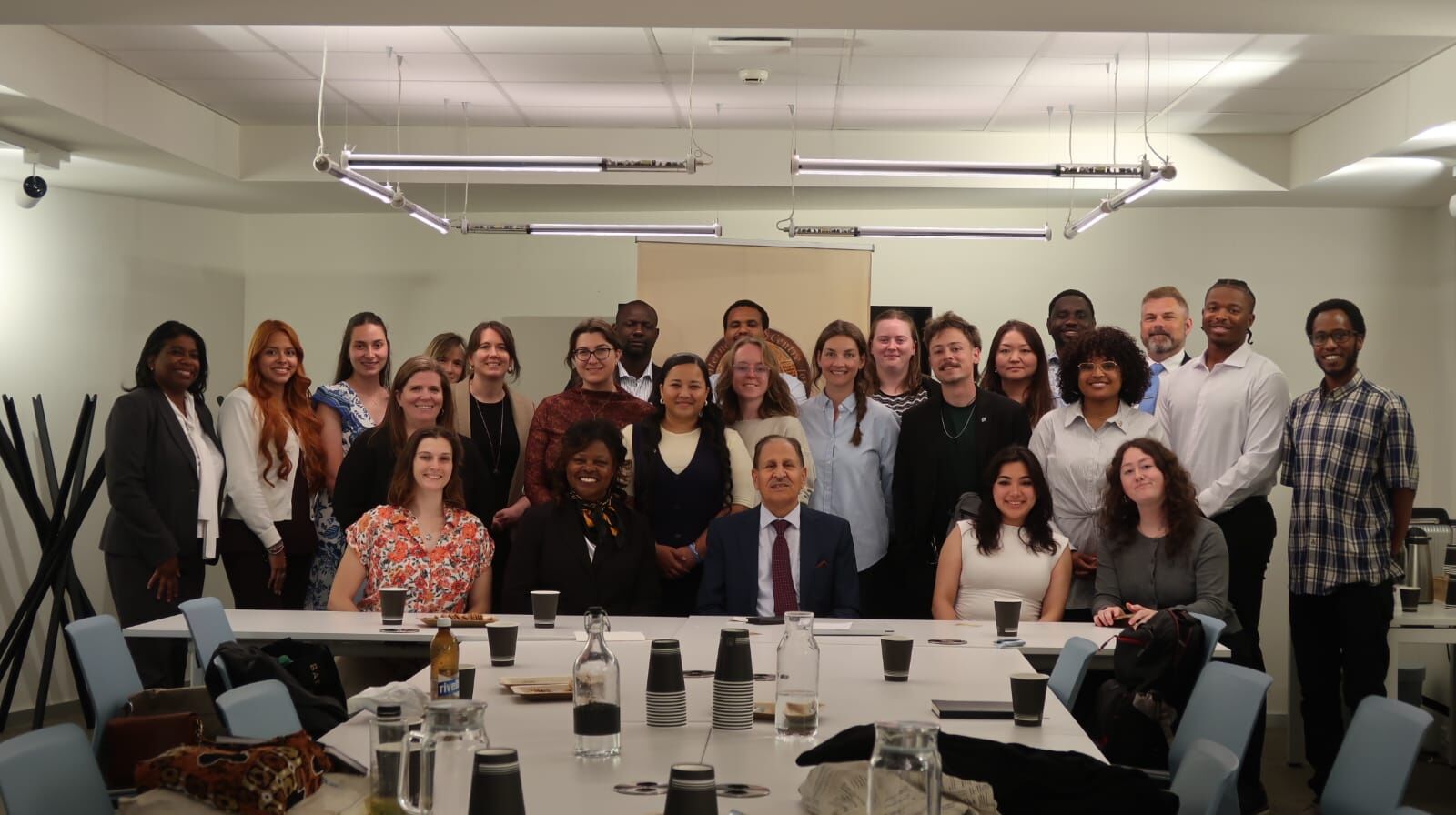
On 13 March 2026, GICJ welcomed students from the University of Pennsylvania’s Perry World House. The group, composed of multidisciplinary students from the World House Student Fellows programme, travelled to Geneva as part of a study abroad programme aimed at learning more about global affairs in an international context and gaining a non-US perspective on international issues. On 21 May 2026, GICJ also welcomed twenty-two Masters students and staff members from Kennesaw State University. This visit took place during their study abroad programme as part of the Master of Science in International Policy Management course. Although the two visits took place on different dates and involved different academic groups, both meetings reflected a shared objective: to provide students with practical insight into the work of human rights organisations in Geneva and the ways in which civil society engages with the United Nations system.
GICJ offers students a unique opportunity to understand how international human rights work is carried out in practice, beyond the classroom and beyond theoretical study. As Geneva city hosts the United Nations Human Rights Council, the Office of the High Commissioner for Human Rights, treaty body sessions, diplomatic missions, and a wide network of civil society organisations, it provides an exceptional environment for students to observe how international law, diplomacy, advocacy, and documentation interact. For visiting students, such meetings are not only informative but also practical. They allow students to understand how human rights concerns are raised before international bodies, how NGOs prepare submissions and interventions, and how victims’ voices can be brought to the attention of the international community. Through these exchanges, GICJ sought to show students that the protection of human rights requires research, legal analysis, communication, persistence, and direct engagement with international mechanisms.
Introduction to GICJ’s Work and the UN Human Rights System
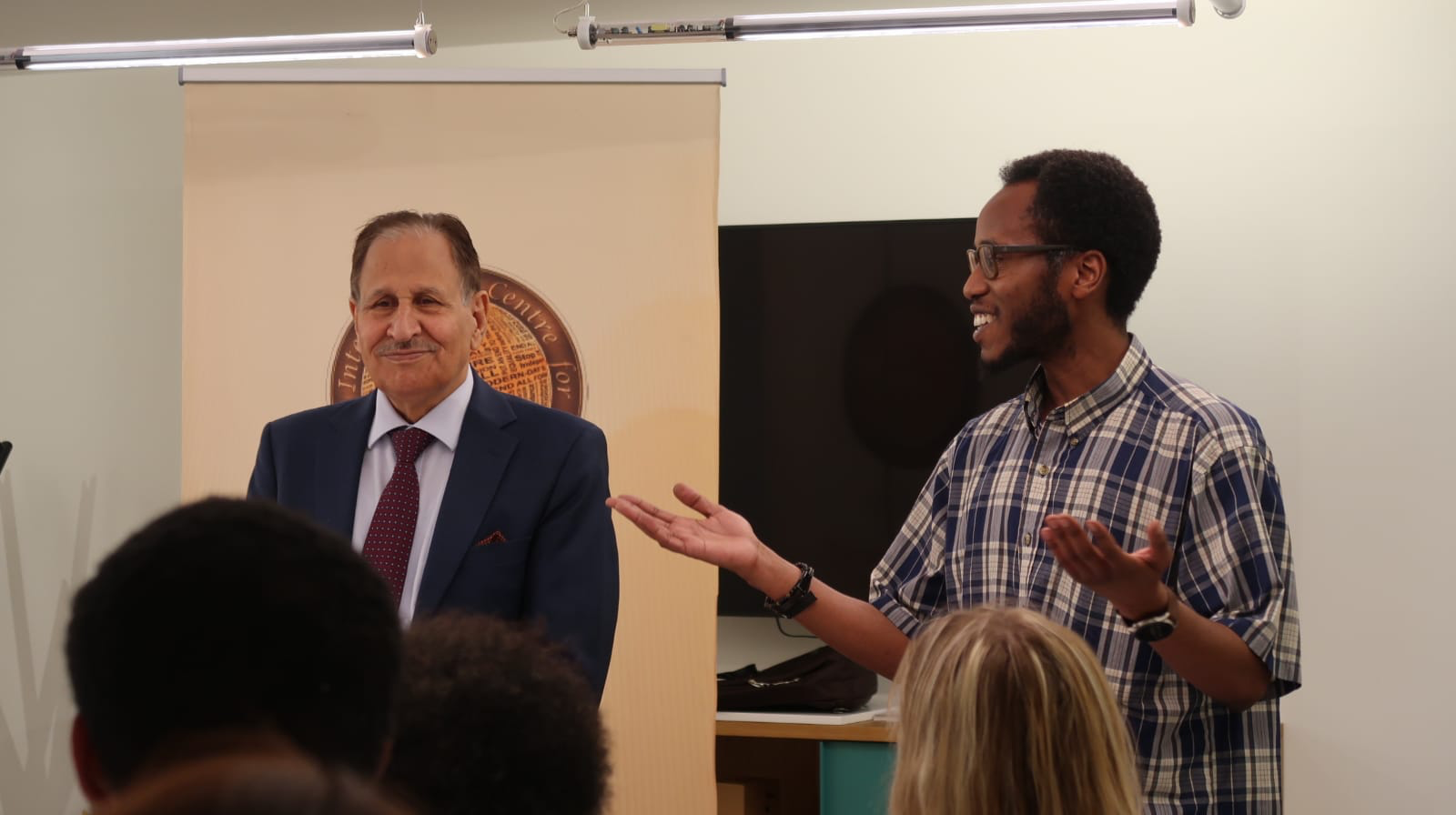
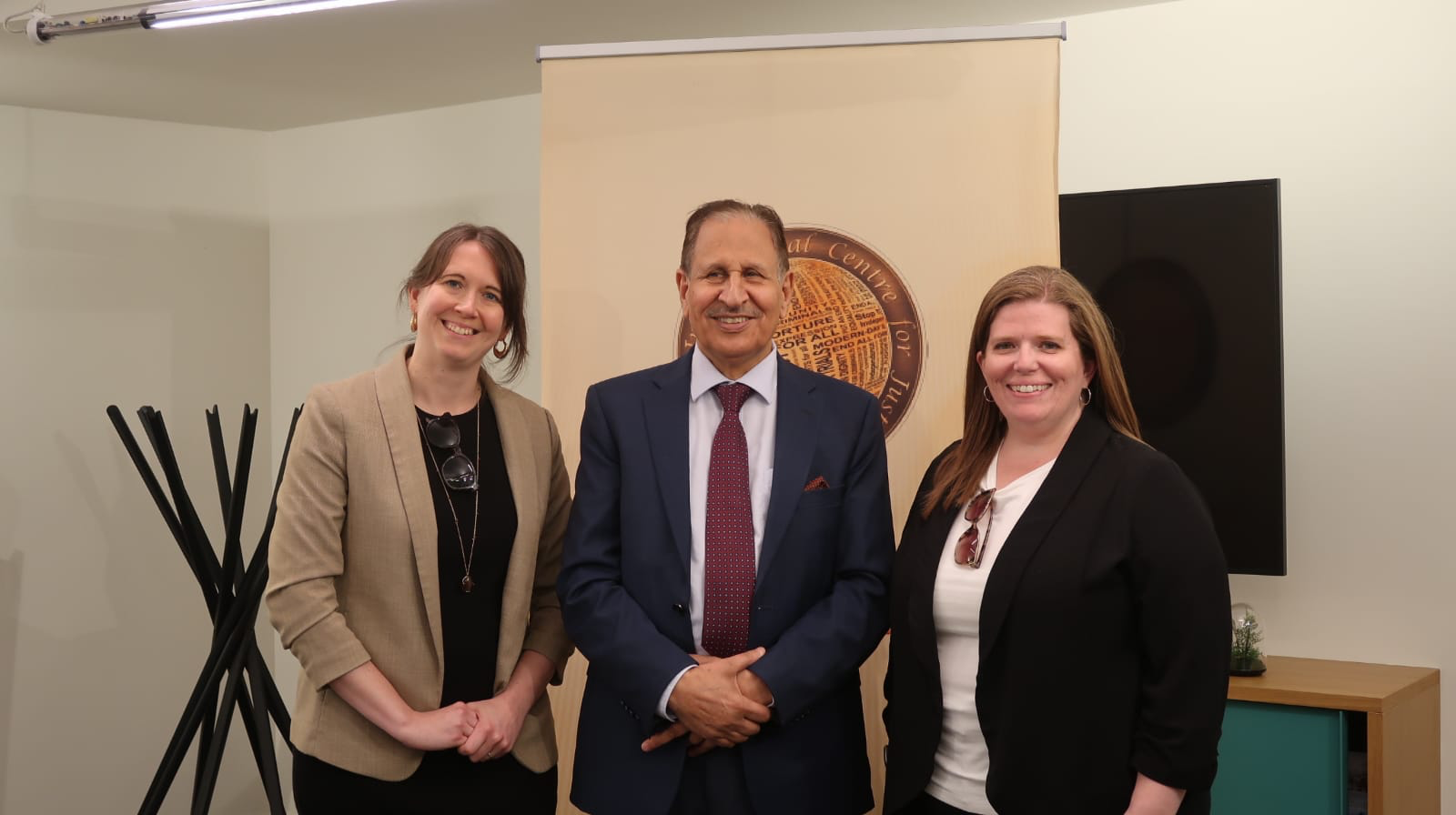
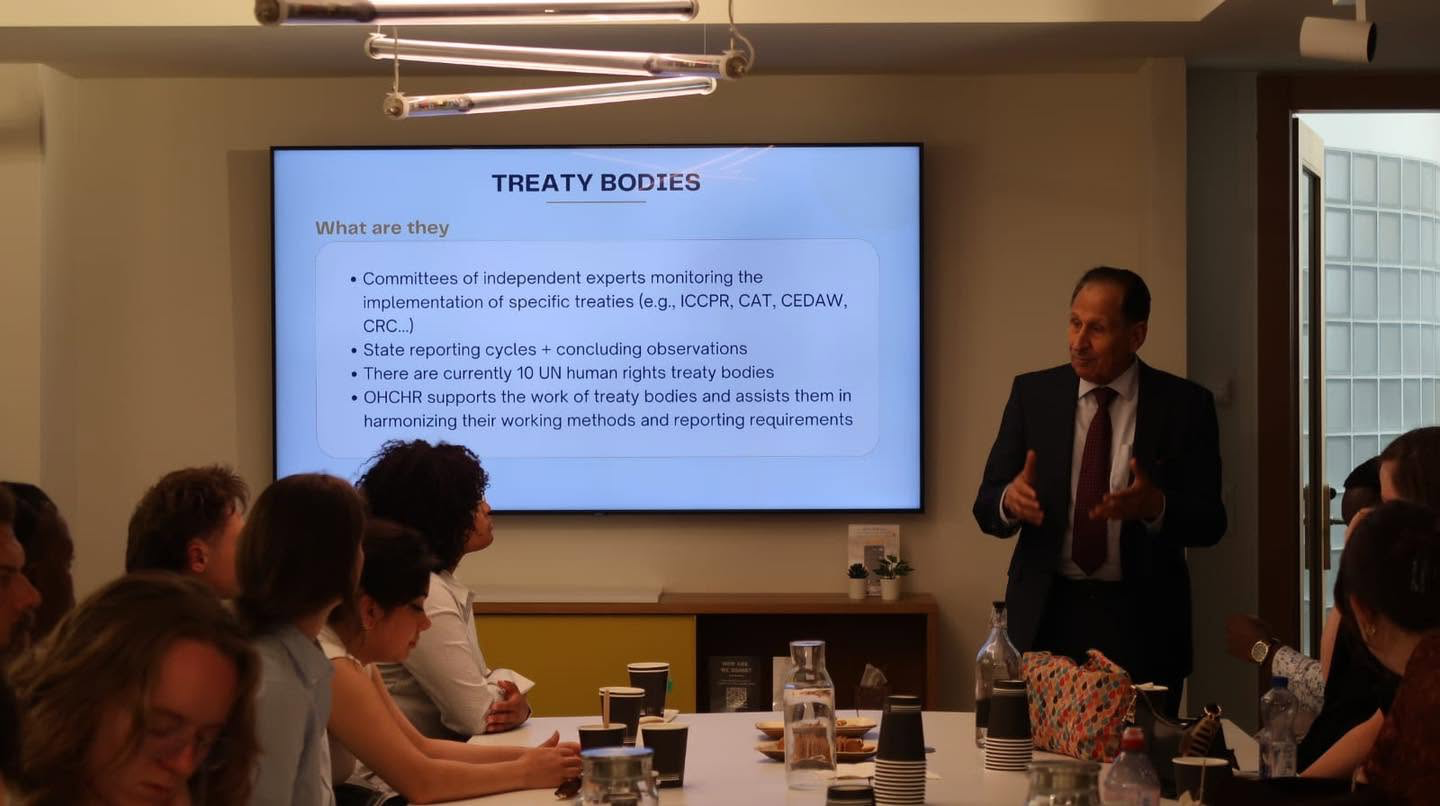
During the visits, Executive Director Mr. Naji Haraj, together with GICJ team members, introduced the organisation, its mission, and its work in promoting and defending human rights through engagement with the United Nations system in Geneva. The students received a comprehensive presentation on several UN human rights mechanisms, particularly the Human Rights Council, the Universal Periodic Review, the UN Treaty Bodies system, and the Special Procedures. GICJ explained the central role played by NGOs in documenting violations, collecting testimonies and evidence, preparing reports, and bringing independent information before international institutions in order to hold states accountable for human rights abuses.
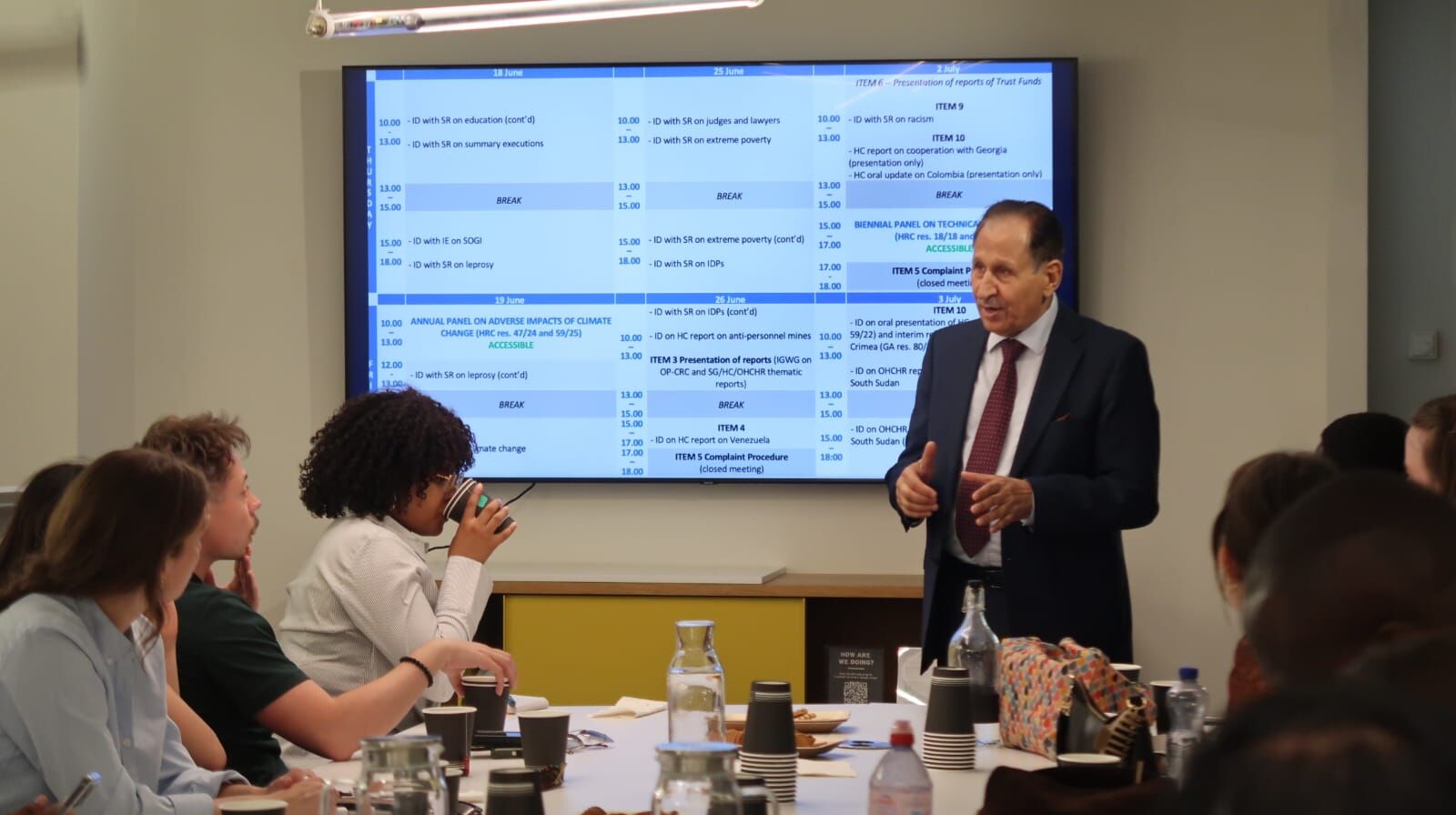
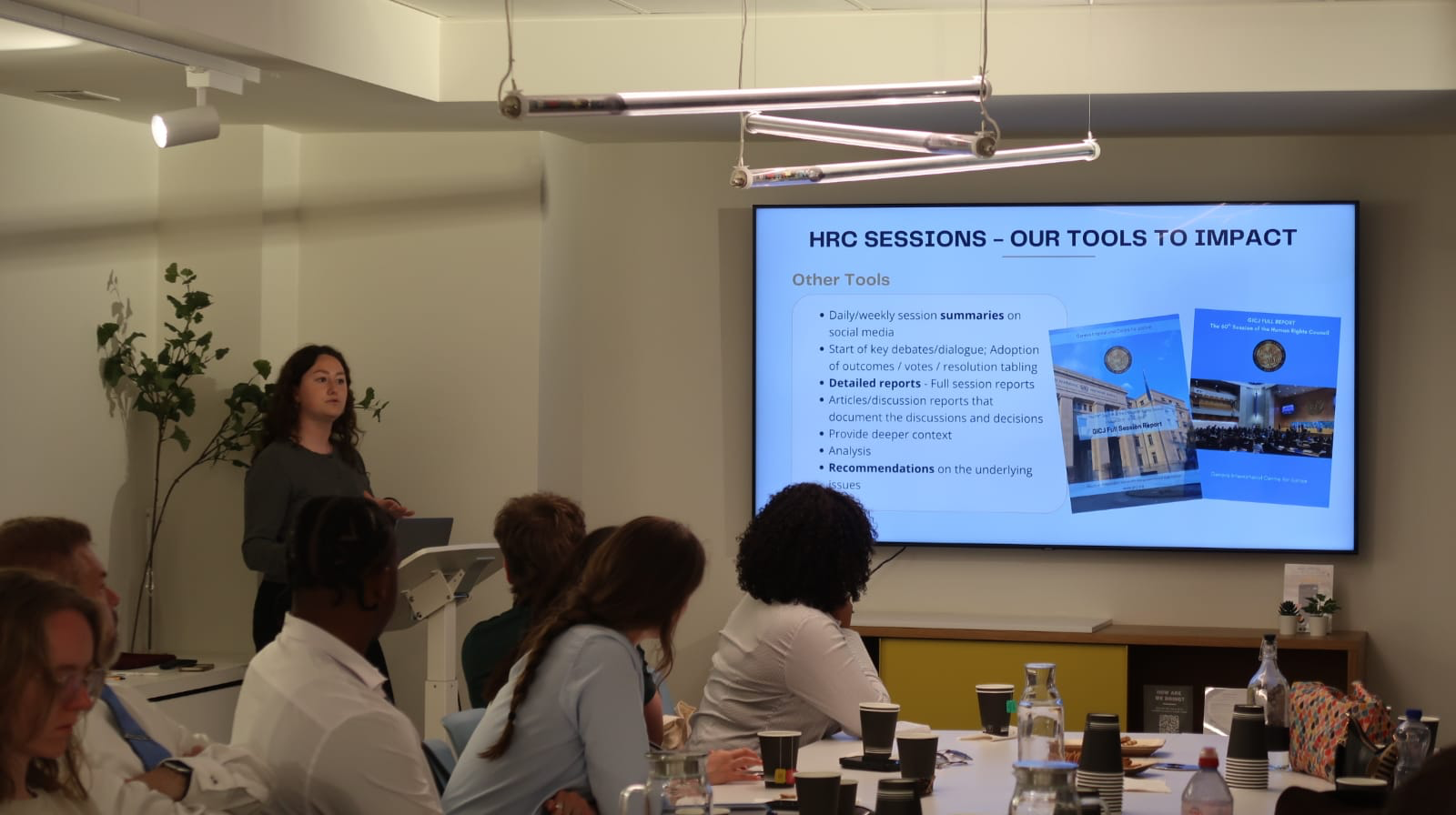
Particular attention was given to the work of the Human Rights Council as the principal international body responsible for addressing human rights situations and violations worldwide. GICJ explained how it contributes to the Council’s regular and special sessions through oral interventions, written statements, participation in debates, side events, meetings with diplomatic missions, and engagement with UN officials.The students were introduced to the practical steps through which NGOs participate in the Human Rights Council. This includes following the Council’s agenda, identifying relevant debates and country situations, collecting and verifying information, preparing written submissions, drafting oral statements, coordinating with partner organisations, and communicating concerns to diplomats and UN experts. GICJ emphasised that effective advocacy requires both technical knowledge of UN procedures and a clear understanding of the human rights situation on the ground.
The presentation also highlighted the importance of side events, which create spaces for NGOs, experts, victims, academics, and diplomats to discuss urgent human rights concerns in greater detail. These events allow civil society organisations to present evidence, share testimonies, and encourage states to take stronger positions during Council sessions. For students, this provided a practical example of how advocacy takes place within the UN environment and how civil society can contribute to international awareness and accountability.
Practical Understanding of UN Human Rights Mechanisms
The students were also introduced to the Universal Periodic Review process and learned how GICJ prepares reports and recommendations assessing the human rights situation in various countries. The discussion highlighted the importance of civil society organisations in ensuring that the review process includes independent and victim-centred perspectives. GICJ explained that the UPR is a valuable mechanism because it reviews the human rights record of every UN Member State. For NGOs, the process offers an opportunity to submit information, recommend concrete reforms, and follow up on whether states implement the recommendations they accept. Students learned that UPR advocacy does not end with the submission of a report; it also involves monitoring implementation, engaging with diplomatic missions, raising awareness, and encouraging governments to translate recommendations into real improvements on the ground.
The presentations further explored the role of the UN Treaty Bodies, which are committees of independent experts responsible for monitoring the implementation of international human rights treaties. GICJ explained how it engages with these committees through the submission of alternative or “shadow” reports and other documentation intended to complement official state reports.The students were informed that shadow reports are an essential part of civil society participation in the treaty body system. While states submit official reports on their compliance with international treaties, NGOs can provide alternative information that reflects the experiences of victims, affected communities, and independent observers. GICJ explained that these reports must be evidence-based, carefully structured, and linked to specific treaty obligations.
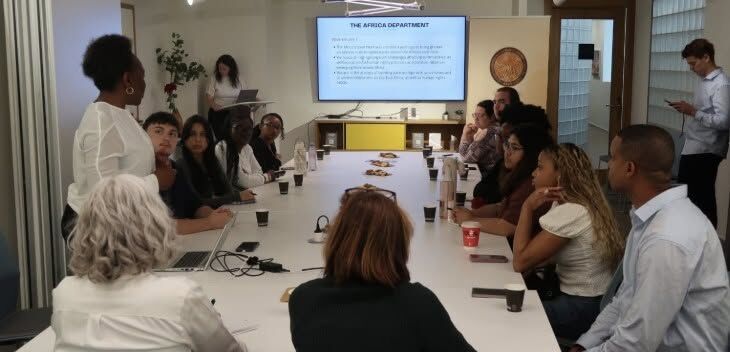
Through this explanation, students gained insight into how international human rights law is applied in practice. They learned that treaty body recommendations can be used by NGOs, lawyers, researchers, and community advocates to press for legal reforms, policy changes, and greater accountability.The discussions also addressed GICJ’s interaction with the UN Special Procedures, including Special Rapporteurs and Independent Experts. GICJ explained how it engages with these mechanisms through submissions, urgent appeals, communications, and the sharing of documented evidence related to ongoing human rights violations.
Special Procedures were presented as among the most accessible and responsive mechanisms within the UN human rights system. Special Rapporteurs and Independent Experts may address thematic issues such as torture, enforced disappearances, arbitrary detention, freedom of expression, violence against women, racism, and other serious concerns, as well as country-specific situations. NGOs can support their work by submitting reliable information, requesting urgent attention to serious cases, and helping bring violations to the international level.For students interested in international law, diplomacy, public policy, or human rights advocacy, these mechanisms demonstrate how documented information can be transformed into international action. They also show the importance of accuracy, confidentiality, and ethical responsibility when working with victims and sensitive human rights cases.

Student Engagement and Exchange with the GICJ Team
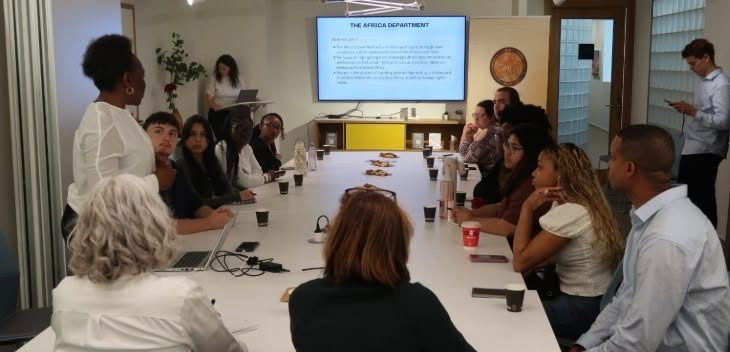
Members of the GICJ team also shared their personal experiences and explained the different facets of their participation in the organisation’s work. Interns, volunteers, and team members described their involvement in research, article writing, report preparation, monitoring UN meetings, drafting written and oral statements, supporting social media outreach, and assisting with advocacy activities.During the visit by the University of Pennsylvania students, GICJ’s volunteers and interns shared their experiences across different UN bodies and mechanisms. Members of the African Affairs team also participated in the meeting and provided insight into the activities and priorities of the team.
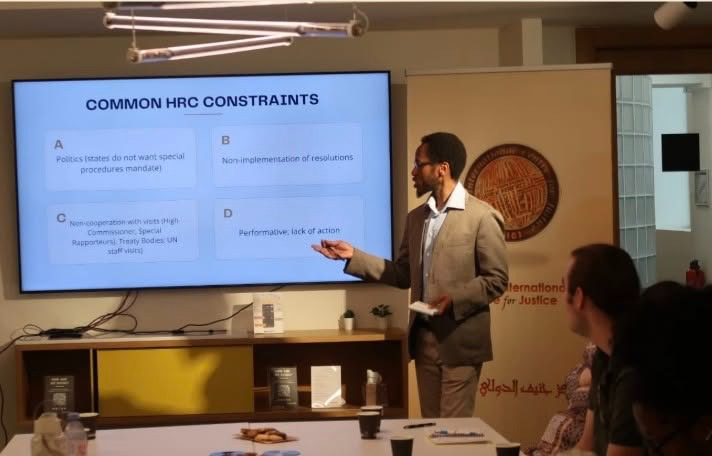
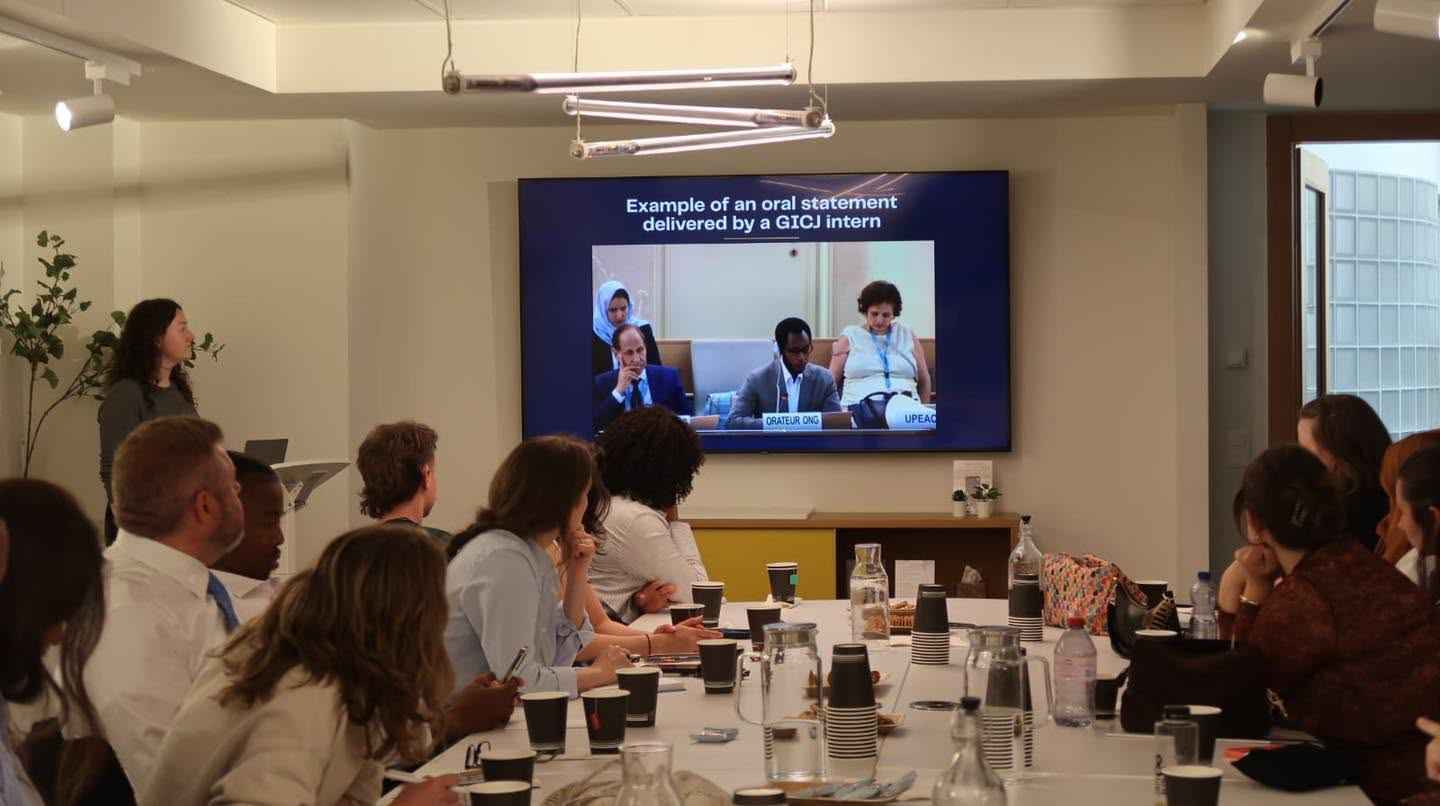
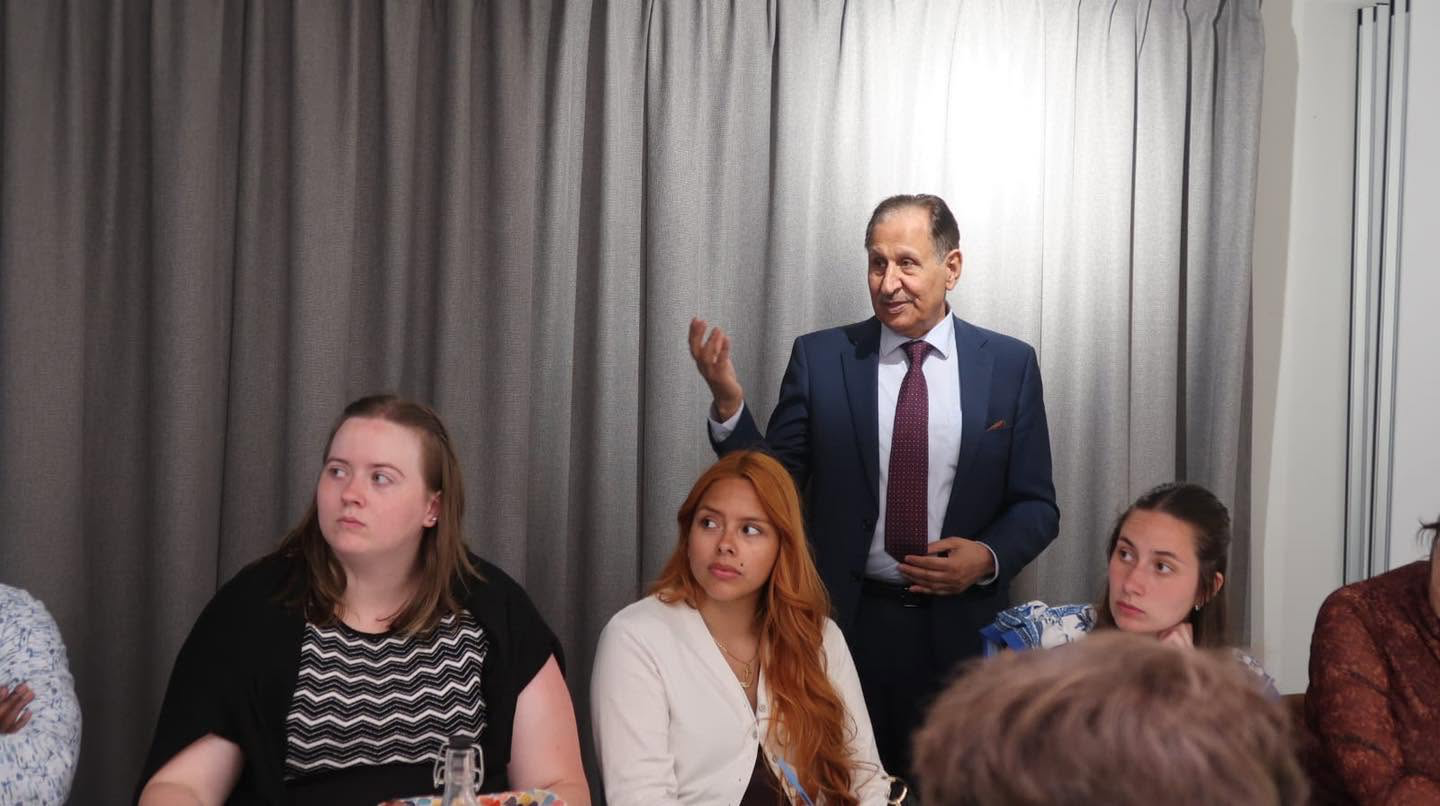
During the visit by Kennesaw State University, members of the team explained their contributions through articles, reports, social media posts, and written, video, and oral statements. Mutua Kobia, senior collaborator at GICJ, provided an example of an oral statement he had delivered during a Human Rights Council session. Delfina, Patricia, and Mihretab also presented their experience and activities within the organisation.The coordinator of GICJ’s Social Media Team, Lila, presented the diversity of GICJ’s content on social media platforms. She emphasised the importance of maintaining a regular and active online presence in order to raise awareness about human rights issues, share GICJ’s work, and expand the organisation’s global impact.
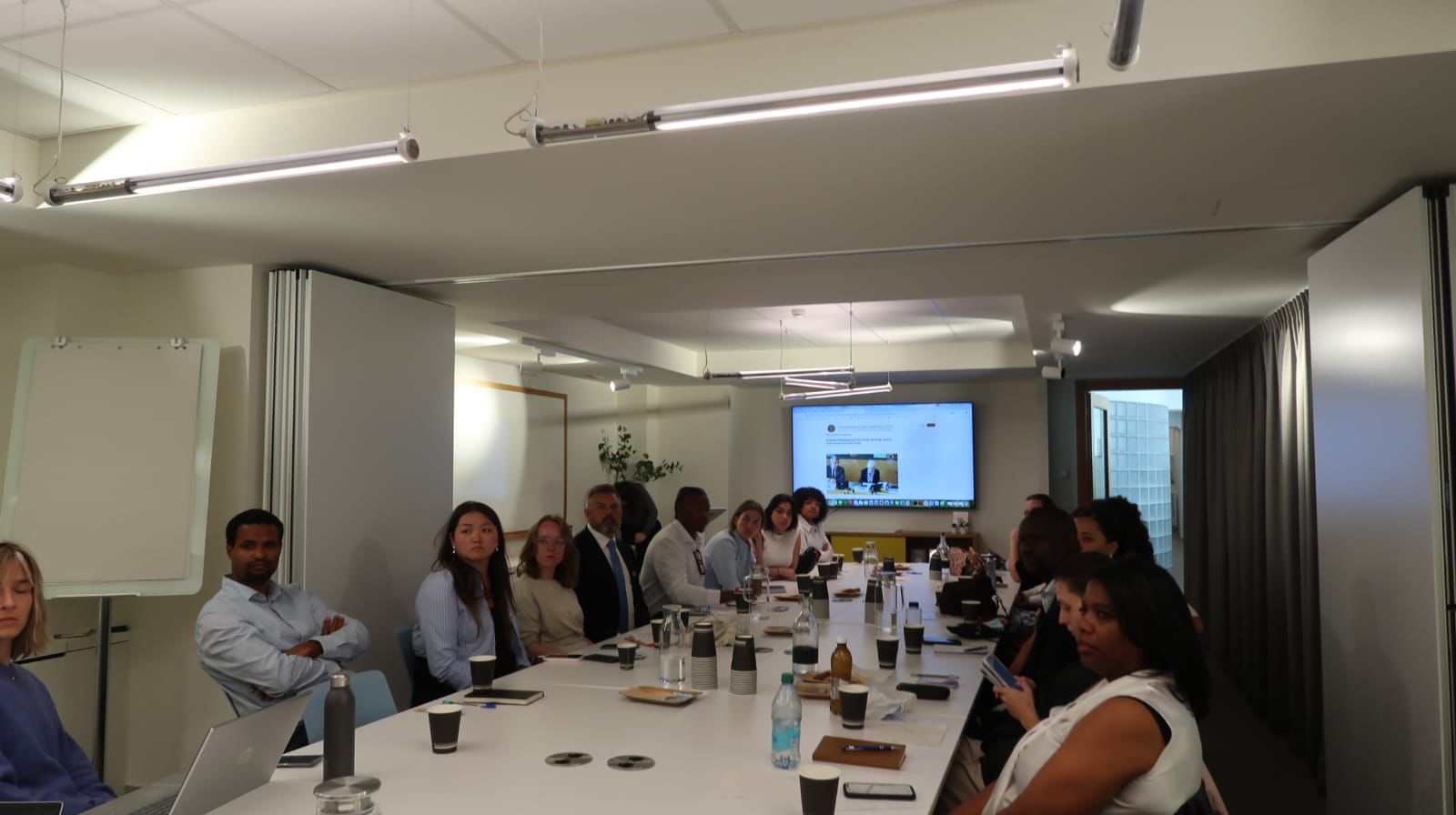
This part of the meetings was especially valuable for the students, as it demonstrated how young professionals can contribute meaningfully to international human rights work. Their experiences showed that student participation is not limited to observation; with proper guidance and training, students can actively contribute to human rights awareness, research, communication, and advocacy.Throughout both visits, the students raised thoughtful and precise questions regarding the functioning of UN human rights mechanisms, the challenges faced by NGOs in documenting violations, the realities of advocacy work within the United Nations system, and the difficulties encountered by organisations such as GICJ in carrying out their mission effectively.
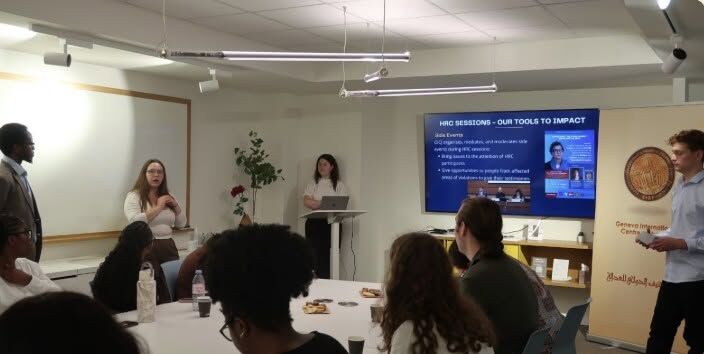
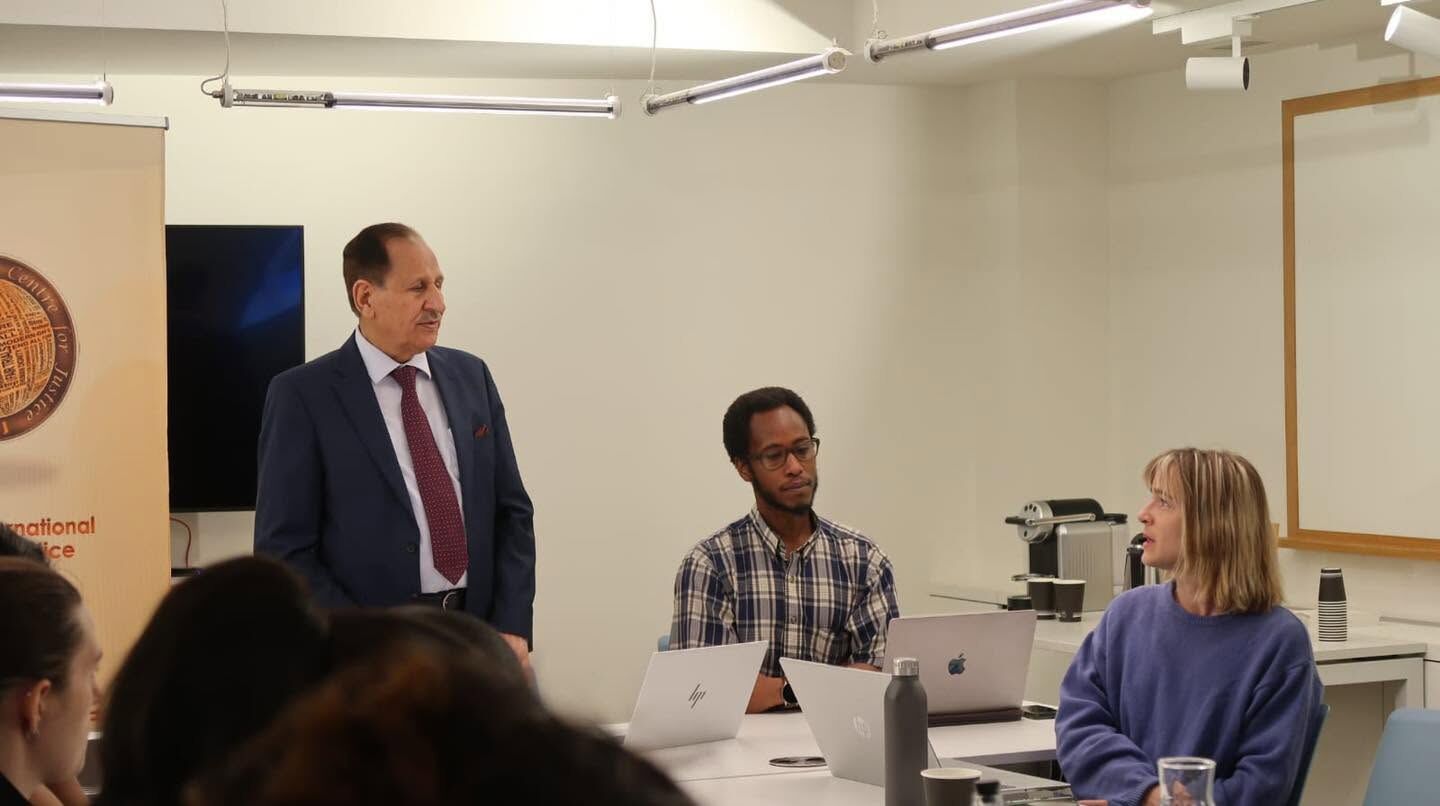
Meeting with students from Towson University, USA - 5 June 2026
On 5 June 2026, Geneva International Centre for Justice (GICJ) welcomed a group of students and staff members from Towson University (U.S.A). The visit took place as part of their study abroad programme within their Political Science degree. During the session, GICJ’s in-office Team presented the organisation’s work, structure, and engagement within the UN Human Rights Council.
Mutua Kobia, Senior Collaborator at GICJ, introduced the organisation, its missions, and its role within the UN human rights system. He also explained how GICJ operates, its international partners, and its wider network of legal and human rights experts, while sharing examples of oral statements delivered during Human Rights Council sessions.Sarah Naneix, Coordinator for the 52nd session of the UPR, discussed GICJ’s ongoing work on the Universal Periodic Reviews (UPR), focusing on how the organisation monitors sessions, documents discussions, and produces analytical reports and recommendations for different countries.Lila Exhertier, Coordinator of the Social Media Team, presented GICJ’s engagement with UN treaty bodies and special procedures. She also highlighted the organisation’s social media presence, emphasizing efforts to increase global outreach and youth engagement, as well as the challenges of expanding visibility and impact across digital platforms.
Patricia, Coordinator of the Africa Team, shared her personal experience working with the organisation and introduced the African Team, a regional branch of GICJ that reports on political developments on the ground and provides analysis of challenges in countries such as Uganda and Mozambique. Those reports are combined into the African Newsletter.Mihretab, Senior Collaborator, introduced the Durban Declaration and Programme of Action, providing context on its relevance within international human rights frameworks.The presentation was followed by an engaging discussion, during which the students, the professor and the coordinator showed strong interest in GICJ’s reporting work and interventions at Human Rights Council sessions. They asked insightful questions and actively contributed to the exchange.
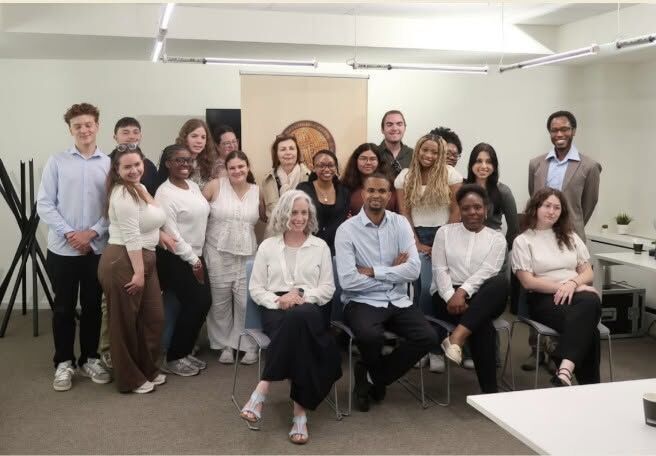
GICJ Training Programme and Cooperation with Universities
GICJ is ready to engage in agreements with universities and academic institutions to organise training workshops and practical learning opportunities for their students. The workshops allow students to connect their academic studies with practical human rights work and to better understand the role of civil society within the United Nations system.These workshops can be organised in Geneva and other places suitable to the engaged universities. GICJ’s training programme is designed to provide students and young professionals with practical exposure to the UN human rights system in Geneva. Participants learn how to follow Human Rights Council sessions, understand the Universal Periodic Review and the work of Treaty Bodies, prepare human rights documentation, draft statements and articles, and develop advocacy skills.
Through the training workshops, students also learn how these bodies review States’ implementation of human rights treaties and other international human rights instruments, including how information is submitted, assessed, and reflected in recommendations and concluding observations. The programme further introduces participants to the ways in which they may contribute to these processes in their future careers, including through research, documentation, reporting, advocacy, and engagement with international human rights mechanisms. It also helps students strengthen their understanding of the relationship between international mechanisms and the realities faced by victims and communities affected by violations.
Depending on the programme and the period of training, participants may attend public UN meetings, learn how to contribute to awareness-raising materials, and trained on how they can engage with international institutions. This practical experience can complement university courses and help students better understand possible career paths in human rights, international law, diplomacy, public policy, humanitarian work, civil society, and academic research.
Through such visits and training programmes, GICJ remains committed to supporting human rights education and encouraging young people to become active contributors to justice, accountability, and the protection of human dignity.
- Photo Gallery -
|
|