



When Human Rights Become Conditional - Joint Oral Statement on African Descent

When Human Rights Become Conditional - Joint Oral Statement on African Descent

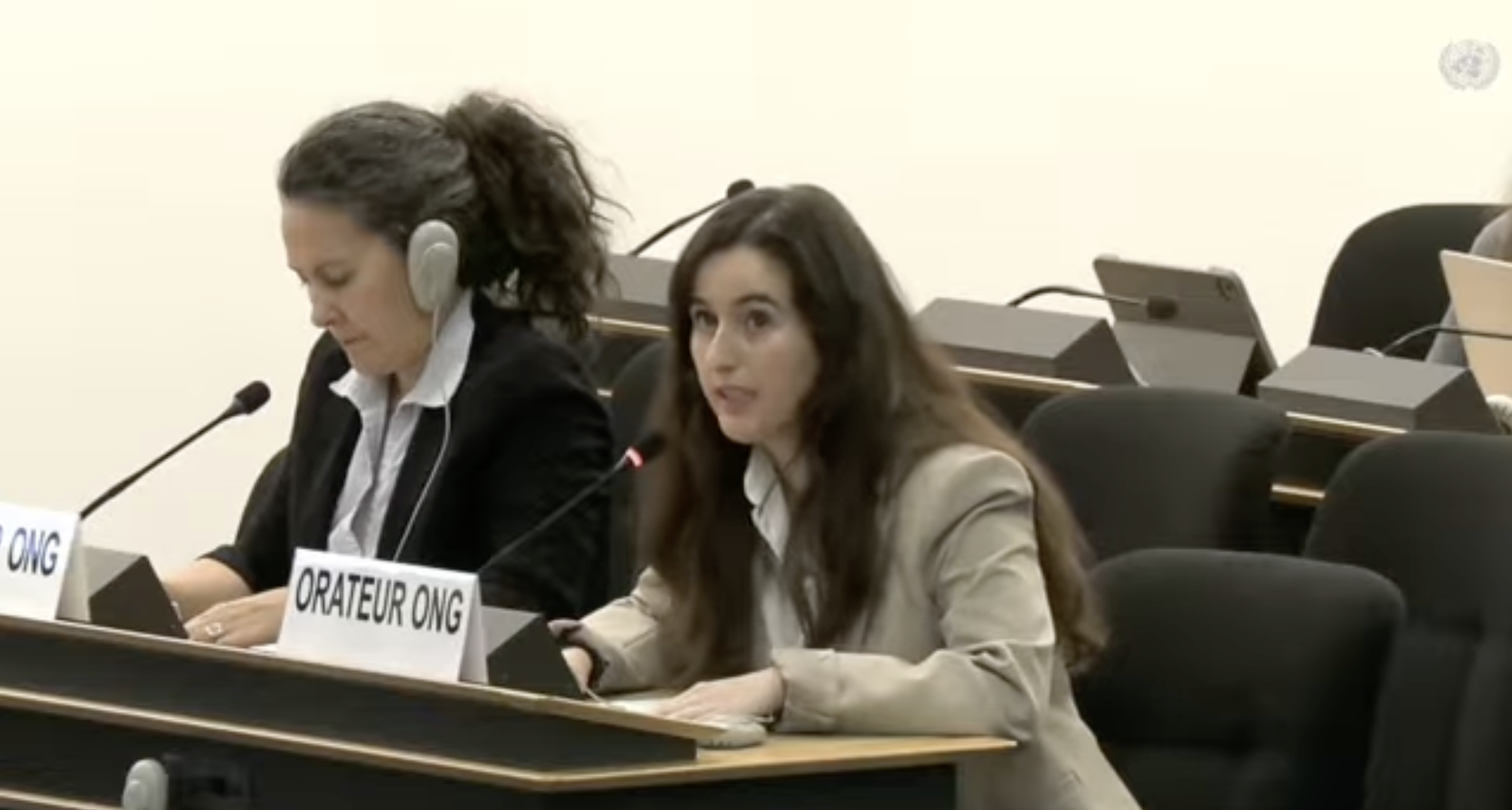
Delivered by Nayira Himpe 

We thank the Working Group for its report and welcome the renewal of its mandate.
The report is clear: racial discrimination against people of African descent is structural. It is rooted in enslavement, the transatlantic slave trade and colonialism. Today, it shapes border governance. We see racial profiling, prolonged detention, punitive deportations and discriminatory digital technologies.

Human rights are universal. Yet for people of African descent, they too often remain conditional: on race, on nationality, on migration status.
We are particularly concerned that these violations continue without accountability.
The United Nations declaration on the respect, protection and fulfilment of the human rights of people of African descent is a historic opportunity. It can turn these findings into a normative framework. We urge States to engage constructively and in good faith. And we ask that the declaration:
First, be anchored in existing binding obligations, including the prohibition of racial discrimination and non-refoulement, and apply them expressly to migration and border governance.
Second, recognise reparatory justice, consistent with the Durban Declaration and Programme of Action.
Third, provide for follow-up, including disaggregated data and independent monitoring.

Thank you.

When Human Rights Become Conditional - Joint Oral Statement on African Descent
Watch the video

When Human Rights Become Conditional - Joint Oral Statement on African Descent

Delivered by Nayira Himpe 

We thank the Working Group for its report and welcome the renewal of its mandate.
The report is clear: racial discrimination against people of African descent is structural. It is rooted in enslavement, the transatlantic slave trade and colonialism. Today, it shapes border governance. We see racial profiling, prolonged detention, punitive deportations and discriminatory digital technologies.

Human rights are universal. Yet for people of African descent, they too often remain conditional: on race, on nationality, on migration status.
We are particularly concerned that these violations continue without accountability.
The United Nations declaration on the respect, protection and fulfilment of the human rights of people of African descent is a historic opportunity. It can turn these findings into a normative framework. We urge States to engage constructively and in good faith. And we ask that the declaration:
First, be anchored in existing binding obligations, including the prohibition of racial discrimination and non-refoulement, and apply them expressly to migration and border governance.
Second, recognise reparatory justice, consistent with the Durban Declaration and Programme of Action.
Third, provide for follow-up, including disaggregated data and independent monitoring.

Thank you.

GICJ Newsletter