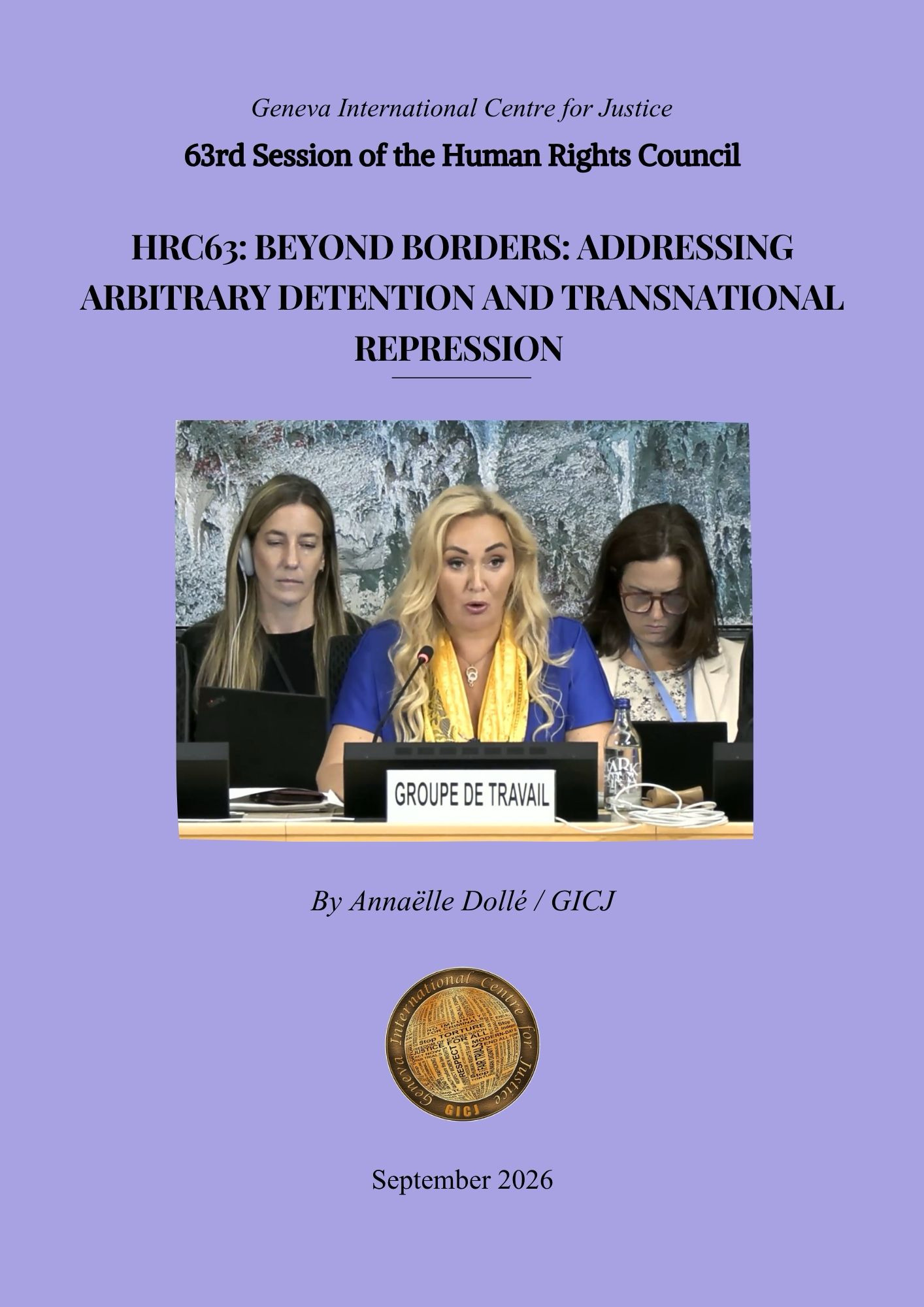





HRC63: Beyond Borders: Addressing Arbitrary Detention and Transnational Repression
63rd session of the Human Rights Council
7 September – 9 October 2026
Item 3: Interactive Dialogue with the Working Group on Arbitrary Detention
15 September 2026
Working Group on Arbitrary Detention’s 2025 Activities, Findings on Transnational Repression and Assessment of Australia’s Detention Framework
By Annaëlle Dollé / GICJ
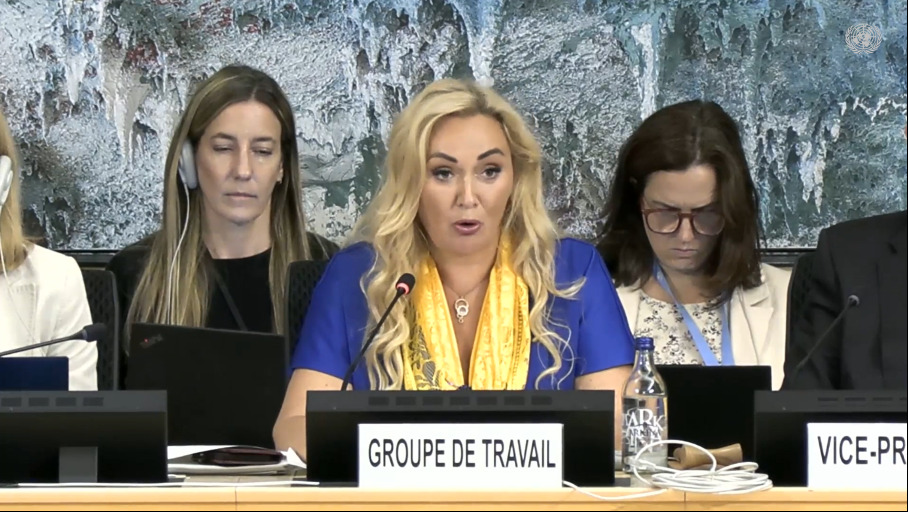
The Human Rights Council, on September 15, 2026, convened an Interactive Dialogue with the Working Group on arbitrary detention. Deeply concerning findings on the use of arbitrary detention as a tool of transnational repression were presented, alongside serious concerns identified during its visit to Australia.
The Working Group highlighted the growing use of transnational repression to silence, intimidate and punish individuals beyond the borders of their own country. It identified three main forms of repression: physical, legal and digital.
International cooperation cannot be used to circumvent human rights obligations. The Working Group warned that extradition requests, prosecutions and the misuse of international mechanisms could be used to pursue individuals for their political opinions, human rights activities or other peaceful conduct.
The Working Group also drew attention to the growing use of spyware, targeted surveillance, hacking and cyber harassment. These practices could undermine the rights to privacy, freedom of expression and association and liberty and security.
During its visit to Australia, the Working Group identified serious concerns regarding the increasing use of remand, the disproportionate detention of First Nations people and children, conditions of detention and prolonged migration detention. It called for stronger safeguards and greater use of alternatives to detention.
The Working Group called on States to strengthen judicial review, ensure effective alternatives to detention and respect the principle of non-refoulement. It also stressed the importance of independent oversight and full cooperation with its mandate.