




The 62nd Session of the Human Rights Council
15 June - 7 July 2026
Item 6: UPR Adoptions (Austria)
1 July 2026
Statement of the International Organisation for the Elimination of All Forms of Racial Discrimination (EAFORD)
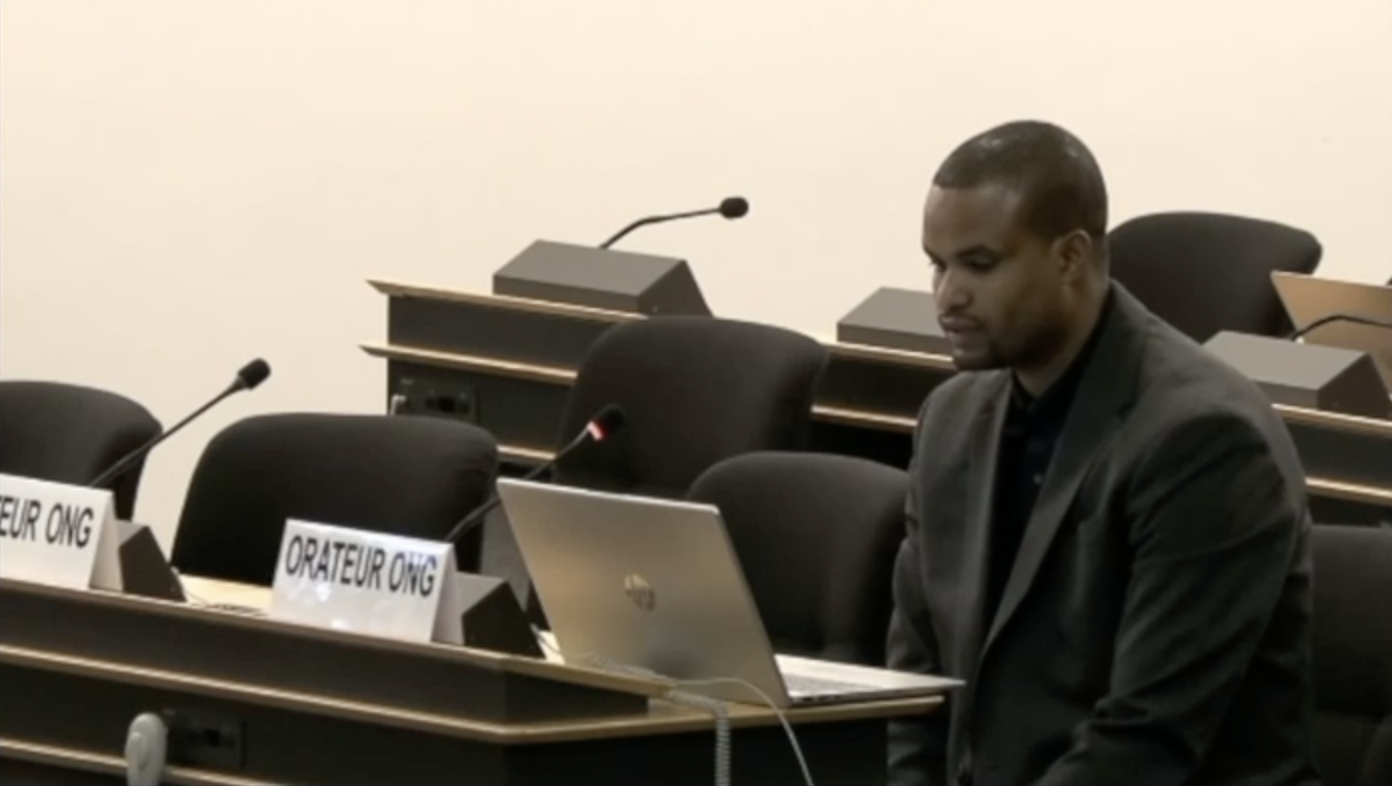
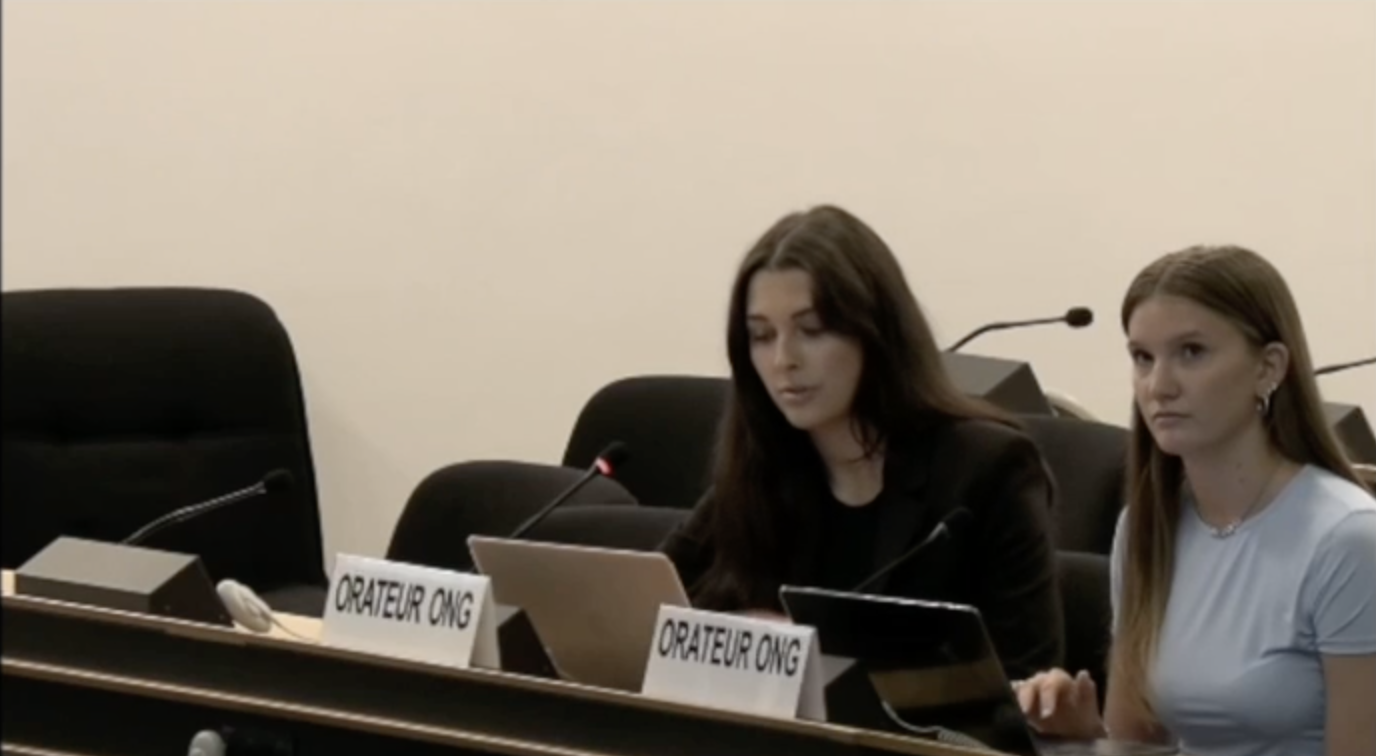
Delivered by Marie Mink / GICJ
Thank you, Madame Vice-President.
We thank Austria for its constructive and comprehensive engagement with the Universal Periodic Review and for its cooperation with the Working Group. The International Organisation for the Elimination of All Forms of Racial Discrimination (EAFORD) welcomes Austria’s strong commitment to advancing human rights at the national andinternational levels, as well as its continued efforts in international cooperation and engagement with civil society. We appreciate Austria’s work on adopting a General National Action Plan on Human Rights for the period of 2025 to 2029 and the recent launch of work on a National Action Plan against Hate Crime, which would introduce additional measures to strengthen the fight against racial discrimination.
Simultaneously, we encourage the recommendations made to Austria, which underscore the importance of combating racism and xenophobia, enhancing the protection of migrants and minorities, respecting the freedom of religion or belief, cultural diversity, and strengthening measures against hate speech and hate crimes. In this regard, we highlight the important recommendation to ratify Protocol No. 12 to the European Convention on Human Rights, thereby reaffirming the principles of non-discrimination and equal protection before the law. In order to ensure non-discrimination on the basis of religious and cultural grounds in the education system, we advise Austria to revoke the newly adopted law prohibiting girls under 14 from wearing a headscarf, particularly the possibility of penalties, even if foreseen as a last resort. Furthermore, we urge Austria to sign and ratify the International Convention on the Protection of the Rights of All Migrant Workers and Members of Their Families. These recommendations are especially important to counteract fragmented anti-discrimination and equal treatment frameworks and to address the need for more consistent legislation and enforcement across federal and local levels in law, policy, and practice. We look forward to a comprehensive anti-racism strategy, which is needed to address (not only individual acts of hate speech, but also) the structural discrimination that affects (minorities, migrants, and other targeted groups,) particularly people of African descent and Muslims.
Thank you.